

Have you ever wondered if your bonsai tree could bear fruit? You’re not alone. Many bonsai enthusiasts are curious about whether these miniature trees can produce the same delightful fruits as their larger counterparts.
Key Takeaways
- Bonsai trees, while typically ornamental, can bear fruit if cultivated properly; species like Ficus carica (Fig) and Malus domestica (Apple) are good examples.
- Important environmental factors for fruiting include adequate sunlight (6+ hours), optimal temperature (60°F to 75°F), and humidity levels (50-70%).
- Regular care practices such as proper watering, fertilization, and pruning significantly enhance the chances of fruit production in bonsai trees.
- Two main categories of fruit-producing bonsai include Ficus and Citrus, each with specific care requirements to ensure they thrive and bear fruit.
- Aesthetic bonsai can coexist with edible varieties; choosing between beauty and fruitfulness is a personal gardening preference.
Overview of Bonsai Trees
Bonsai trees are miniature versions of full-sized trees, cultivated to remain small while maintaining their natural beauty. You can grow various species as bonsai. Common choices include Ficus, Juniper, and Maple. Each type offers unique characteristics and care requirements.
Bonsai trees originate from Japan, but similar practices exist in China and other cultures. Creating a bonsai involves techniques such as pruning, wiring, and root trimming. These methods help you shape the tree and control its size. You’ll often see bonsai as decorative items in homes and gardens, showcasing the art of nature in a compact form.
While bonsai trees usually focus on aesthetics, many can indeed produce fruit. Species like Ficus carica (Fig) and Malus domestica (Apple) can bear fruit when they mature. Fruit-bearing bonsai requires proper care, including adequate sunlight, water, and nutrients. When nurtured correctly, these trees can surprise you with delightful, small fruits.
Maintaining bonsai trees takes patience and dedication. You must monitor their growth closely and adapt your care routine accordingly. With the right conditions, your bonsai can thrive and even reward you with fruit.
Types of Bonsai Trees
Bonsai trees come in various species, some of which can produce fruit. Understanding these types helps you select the right one for your bonsai journey.
Recommended Products

BEGINNER-FRIENDLY & EASY TO GROW – Perfect for first-time bonsai growers, simple planting and care instructions

Product Quantity: 180+ premium bonsai fruit seeds across 5 varieties; Individual packs contain 40+ apple, 40+ lemon, 40+ orange, 20+ blueberry, and 40+ cherry seeds; Perfect for starting a diverse miniature orchard

1. Peel the fruit directly and remove the seeds.
Fruit-Bearing Bonsai Varieties
- Ficus carica (Fig): This species produces small, sweet figs. Ensure it receives ample sunlight and proper watering for successful fruiting.
- Malus domestica (Apple): Dwarf apple trees can thrive as bonsai. With the right care, they bear small apples that are both delicious and beautiful.
- Citrus reticulata (Mandarin Orange): This variety offers fragrant blossoms and tasty mandarins. They need good light and humidity levels to fruit well.
- Prunus persica (Peach): As a bonsai, this peach tree delivers small, juicy fruits. Proper pruning stimulates fruit production.
- Poncirus trifoliata (Hardy Orange): This hardy variety provides inedible but interesting fruits and aromatic flowers. It tolerates cooler temperatures better than most fruiting bonsai.
Aesthetic vs. Edible Bonsai
Bonsai trees often serve dual purposes: aesthetic appeal and edible fruits. Choosing between beauty and edibility depends on personal preference.
- Aesthetic Bonsai: Many species are grown solely for their stunning shapes and foliage. Common options include Junipers and Maples, which require minimal effort and don’t bear fruit.
- Edible Bonsai: If you want to enjoy fruits, select varieties like Fig or Apple. These require consistent care, including adequate light, pruning, and fertilization.
Balancing beauty and fruitfulness adds layers to your bonsai practice, enhancing your gardening experience.
Conditions for Fruiting
Bonsai trees can produce fruit, but specific conditions must be met for successful fruiting.
Recommended Products

6000K White Light - equipped with 10 Red + 74 White LEDs, this growing Lamp is similar to the full-spectrum sunlight at noon,that is professionally designed for indoor garden plants.Moreover, its color rendering index is as high as 95, the light is soft and flicker-free, which is very suitable for reading lamp
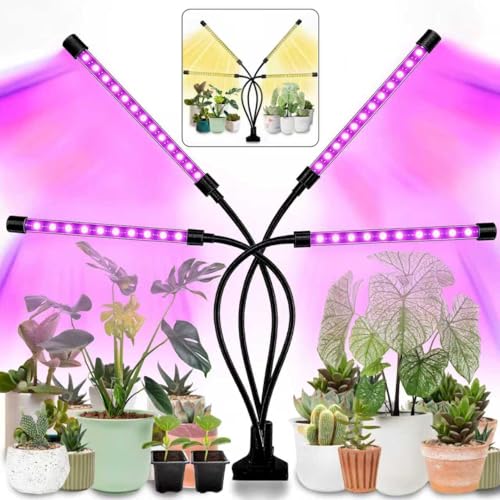
🌻Efficient LED Combination: This LED lamp has grow lights made up of 80 efficient growing LEDs ( 32 red lights, 12 blue lights,20 yellow lights and 16 white lights). It meets the conditions of plant growth without sunlight. 1--Full Spectrum(380nm-800nm): Suitable for all plants to root and sprout. 2--Red(660nm)+BLUE(460nm) Spectrum: for blooming and fruits. 3--Red+Blue+Full Spectrum: A mix of Red+Blue+Warm White is best to fuel the growth of your plants.

6000K Daylight Full Spectrum- Packed with 40 white and 8 red LEDs, this growth light throws a crisp 6000K beam that reads like real sunshine indoors. Built for flowers, herbs, peppermint, succulents, and seed starting, and flexible enough for hanging baskets, trellises, floor pots, and bonsai alike.
Environmental Factors
Bonsai trees thrive when exposed to the right environmental conditions.
- Light Requirements: Ensure your bonsai tree receives at least six hours of direct sunlight daily. Insufficient light can inhibit fruit development.
- Temperature: Maintain temperatures between 60°F and 75°F for most fruiting species. Extreme temperatures can stress the tree.
- Humidity: Keep humidity levels around 50-70%. You can achieve this by misting the leaves or placing a humidity tray under the bonsai pot.
Care and Maintenance
Proper care enhances the likelihood of fruit production.
- Watering: Water thoroughly but allow the soil to dry slightly between waterings. Overwatering can lead to root rot, while underwatering may cause stress.
- Fertilization: Use a balanced fertilizer every four to six weeks during the growing season. High-potassium fertilizers support fruiting.
- Pruning: Regularly prune to promote airflow and light penetration. This practice prevents overcrowding and ensures the tree focuses energy on producing fruit.
- Pest Control: Monitor for pests like aphids and spider mites. Treat infestations immediately to protect the health of your bonsai.
Focusing on these environmental factors and maintenance practices increases the chances of your bonsai tree bearing fruit, allowing you to enjoy both its beauty and bounty.
Common Fruit-Producing Bonsai
You can enjoy a variety of bonsai trees that produce delightful fruits. Two popular categories are Ficus and Citrus. Each offers unique characteristics and care requirements.
Recommended Products

GOLDEN GATE FICUS BONSAI: Known for its spiraling trunk and lush, dark foliage, the Golden Gate Ficus is often associated with prosperity and good fortune. This classic bonsai can bring balance and a calming connection to nature into any home or office space.

GOLDEN GATE FICUS BONSAI: Known for its spiraling trunk and lush, dark foliage, the Golden Gate Ficus is often associated with prosperity and good fortune. This classic bonsai can bring balance and a calming connection to nature into any home or office space.

Ginseng Grafted Ficus: Embodying strength, the exposed roots support thick trunks, with grafted Ginseng branches and full clusters of glossy leaves.
Ficus Bonsai
Ficus bonsai, particularly Ficus carica (Fig), is known for its ability to bear fruit while being aesthetically pleasing. These trees thrive in bright, indirect sunlight and need adequate moisture. To encourage fruiting, keep soil consistently moist but not soggy. Regularly fertilize with a balanced fertilizer every four to six weeks during the growing season.
Tips for caring for Ficus bonsai include:
- Pruning: Trim back overgrown branches to maintain shape and airflow.
- Repotting: Replant every two to three years to provide fresh soil.
- Pest Control: Monitor for common pests like spider mites or scale insects.
When healthy, Ficus bonsai can produce small figs, adding both charm and edibility to your collection.
Citrus Bonsai
Citrus bonsai, such as Citrus reticulata (Mandarin Orange), offers vibrant fruits and fragrant flowers. They require full sunlight, ideally eight hours per day, to thrive. Keep indoor humidity levels around 50-70% for optimal growth.
Care for Citrus bonsai by following these guidelines:
- Watering: Water thoroughly, allowing the top inch of soil to dry out between waterings.
- Fertilizing: Use a slow-release fertilizer high in potassium during the growing season to promote fruit development.
- Avoiding Frost: Protect your tree from frost, as cold temperatures can damage both branches and fruits.
With proper care, your Citrus bonsai can produce juicy oranges, enhancing your bonsai gardening experience with both visual appeal and flavorful reward.
Conclusion
Bonsai trees can indeed surprise you with their ability to bear fruit while still being a stunning addition to your space. With the right care and attention you can enjoy both the beauty of these miniature trees and the satisfaction of harvesting small fruits.
Whether you choose a Ficus or a Citrus variety each brings its unique charm and flavor to your garden. By meeting their specific needs for sunlight water and nutrients you’ll create a thriving environment for your bonsai. So go ahead and embrace the journey of nurturing your bonsai tree not just for its aesthetics but also for the delightful fruits it can offer. Happy gardening!
Frequently Asked Questions
Can bonsai trees produce fruit?
Yes, certain bonsai trees can produce fruit. Varieties like Ficus carica (Fig), Malus domestica (Apple), and Citrus reticulata (Mandarin Orange) are known to bear fruit when properly cared for.
What bonsai species are known for producing fruit?
Notable fruit-bearing bonsai species include Ficus carica (Fig), Malus domestica (Apple), Citrus reticulata (Mandarin Orange), Prunus persica (Peach), and Poncirus trifoliata (Hardy Orange).
What care is required for fruit-bearing bonsai?
Fruit-bearing bonsai require sunlight (at least six hours daily), consistent watering, regular pruning, and balanced fertilizers every four to six weeks.
How much sunlight do bonsai trees need?
Bonsai trees typically need at least six hours of direct sunlight daily to thrive and potentially bear fruit.
What temperature is ideal for bonsai trees?
Bonsai trees thrive in temperatures between 60°F and 75°F, which is ideal for growth and fruit production.
How often should I water my bonsai?
Water your bonsai thoroughly, allowing the soil to dry slightly between watering sessions. Regular moisture is key for fruit production.
Are bonsai trees more for aesthetics than fruit?
While many bonsai are grown for their beauty and shape, several species are selected for their capability to produce fruit, offering a balance of aesthetics and edibility.
What are common pests to monitor in bonsai?
Common pests include aphids, spider mites, and mealybugs. Regular monitoring and treatment are essential to ensure the health of fruit-bearing bonsai.
