

Do you ever wonder if your fruit trees really need a yearly trim? Many gardeners face this question, unsure of how to keep their trees healthy and productive. It’s common to feel overwhelmed by the conflicting advice out there.
Pruning can seem daunting, but it plays a crucial role in the growth and fruiting of your trees. This article will help you understand whether annual pruning is necessary for your specific trees and how it can benefit their overall health. By the end, you’ll feel more confident in your gardening decisions and ready to nurture your fruit trees for a bountiful harvest.
Key Takeaways
- Pruning fruit trees is essential for promoting growth, improving fruit quality, and maintaining tree health.
- Not all fruit trees require annual pruning; younger trees like peaches and cherries benefit from it, while mature apple and pear trees may only need biennial pruning.
- The optimal time to prune is during late winter or early spring, allowing for effective healing and robust growth.
- Specific signs indicate the need for pruning, such as dead branches, excessive crowding, and poor fruit quality, which should be monitored regularly.
- Proper pruning tools and techniques, like clean cuts and angle cuts, enhance the effectiveness of the pruning process.
- Understanding tree type, age, and local conditions is crucial for determining the appropriate pruning frequency and practices.
Understanding Fruit Tree Pruning
Pruning fruit trees plays a crucial role in their health and productivity. This process involves cutting back parts of the tree to encourage new growth, improve air circulation, and increase sunlight exposure. Here’s what you need to know about fruit tree pruning.
Recommended Products

★ 1. What you get: Professional convenient grafting tool set including a dual-use grafting pruner tool contain 2 extra replaceable blades, a wrench and a screwdriver, along with 36pcs wide rubber bands, 150 thick rubber bands and 1 grafting tape, packed in a black wallet to meet all your needs

【Applicable Scenarios】 4-Pack Garden Scissors Set Whether you're caring for your garden, maintaining a community garden, working in a greenhouse, harvesting fruit trees, tending to flower bonsai, or participating in outdoor landscaping projects, these shears will help you complete tasks with precision and ease. They make a great gift for wives and mothers who love gardening.

✂Multifunctional -2 in 1 Garden Grafting Tools-Professional grafting set allows you to pruning and grafting at the same time, saving more time and effort than traditional grafting methods, easy to use and more efficient. It allows you to trim away excess leaves and twigs and prepare the plants to be grafted. At the same time, you can make a precise cut into the grafting stock with the special grafting blade.
Reasons for Pruning
- Encouraging Growth: Pruning stimulates new branches and fruit production. Removing dead or diseased wood helps the tree focus its energy on healthy growth.
- Improving Fruit Quality: Thinning out outgrowths allows branches to bear larger, more flavorful fruits. Better air circulation also reduces the risk of fungal diseases.
- Shaping the Tree: Pruning shapes the tree for easier access to fruit. A well-shaped tree is also easier to manage and maintain over time.
Types of Pruning
- Maintenance Pruning: Focus on removing dead or damaged limbs. This cleaning helps promote a healthier tree.
- Structural Pruning: Accomplish early in the tree’s life to develop a strong framework. Here, it’s important to establish a solid structure for future growth.
- Rejuvenation Pruning: Necessary for older, neglected trees. Cut back more aggressively to stimulate new growth.
When to Prune
- Timing: Most fruit trees benefit from pruning in late winter or early spring. This timing allows for optimal healing and encourages a robust growing season.
- Season-Specific Needs: Certain trees, like stone fruits, thrive when pruned in late summer. Others, including apple and pear trees, prefer late winter cuts.
Tools You’ll Need
- Pruning Shears: Ideal for small branches and delicate cuts.
- Loppers: Great for thicker branches, offering added leverage.
- Handsaw: Use for larger branches that require more power to cut.
Tips for Successful Pruning
- Clean Cuts: Ensure your tools are sharp and clean to prevent infection.
- Cut at an Angle: This promotes water runoff and reduces the chance of rot.
- Don’t Over-Prune: Remove no more than 20-30% of the tree’s canopy in one year to avoid stress.
- Should all trees be pruned annually? Not all fruit trees require annual pruning. Some, like mature apple trees, benefit more from biennial pruning.
- What if I miss the pruning window? Late pruning can still help, but it may result in reduced fruit yield for that year.
Understanding these aspects of fruit tree pruning ensures healthy trees and bountiful harvests. This knowledge equips you to make informed decisions about your pruning practices.
Benefits of Pruning Fruit Trees
Pruning fruit trees provides multiple benefits that enhance their growth and productivity. Regular pruning encourages better health, fruit quality, and overall vitality for your trees.
Recommended Products

· ULTRA-SHARP SK5 STAINLESS STEEL - Engineered with premium SK5 stainless steel, these heavy duty pruning shears deliver razor-sharp precision and maximum hardness. The rust-resistant blades are designed to stay sharp longer, effortlessly resisting corrosion and sap buildup for smooth, friction-free garden shears performance year after year.

Sharp & Rustproof: Our garden scissors are made of premium stainless steel material, which has corrosion resistance and good hardness. Sharp blades can quickly finish pruning tasks for gardens, vegetable gardens, orchards, and indoor plants
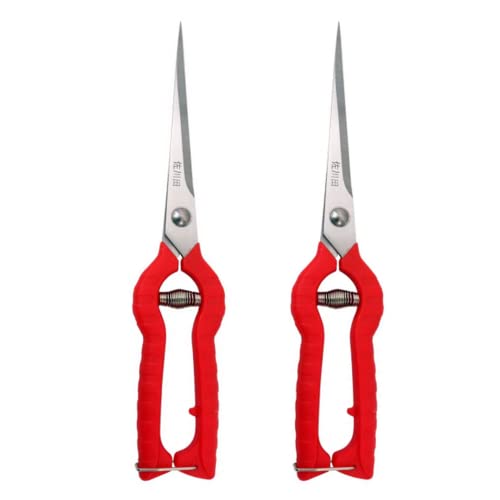
Total length : 245 mm blade length : 96 mm handle length : 122 mm closed handle width : 45 mm
Improved Fruit Quality
Pruning increases fruit quality significantly. It allows for better nutrient distribution, which impacts fruit size and taste. When you remove excess branches, the tree channels more energy into fewer fruits. For example, thin out apple trees to improve the size and sweetness of the apples. This practice results in larger, more flavorful fruit.
Enhanced Tree Health
Pruning promotes tree health by removing dead or diseased branches. By cutting away these problematic sections, you reduce the risk of pests and diseases spreading. Healthy trees also produce more fruit. For instance, regular pruning of peach trees helps them recover from diseases and supports robust growth, leading to a more fruitful harvest.
Better Air Circulation and Sunlight Exposure
Pruning improves air circulation and sunlight exposure within the tree canopy. Enhanced airflow reduces moisture build-up, which can lead to fungal diseases. Increased sunlight penetration enables leaves to photosynthesize more effectively, contributing to better growth. For example, thinning out a dense cherry tree ensures that sunlight reaches all parts of the tree, promoting a richer and healthier fruiting season.
Factors Influencing Pruning Frequency
Several factors affect how often you should prune your fruit trees. Understanding these elements helps you make informed decisions about your tree care routine.
Recommended Products

Pruning Trees Shrubs and Vines No 54 By Gardenway Editors
![[6 Blades Enhanced] NAYE 2 in 1 Garden Grafting Tool Kit for Fruit Trees with Grafting Knife Grafting Tapes,Extra Replacement Blades Included,Professional Grafting Scissor Shear](https://m.media-amazon.com/images/I/51YugXFPuPS._SL500_.jpg)
Made from #65 stainless steel shear blades,high-strength ABS plastic,Japan SK5 double-edged cutting blades

PROFESSIONAL GARDENING GRAFTING TOOLS: Including 2 in 1 grafting pruning tools, 3 replaceable blades, a grafting knife, a screwdriver, a wrench, 2 grafting films, 160 rubber bands, 40 wide rubber bands, and 50 colorful tag cards
Type of Fruit Tree
Different types of fruit trees have varying pruning needs. For instance, peach and cherry trees often require annual pruning to encourage fruit production and maintain shape. In contrast, apple and pear trees may thrive with biennial pruning, especially once they reach maturity. Always research your specific tree species to determine the best pruning schedule.
Age of the Tree
The age of your fruit tree significantly impacts its pruning frequency. Young trees, typically under five years old, benefit from annual pruning to help establish a strong framework and promote healthy growth. Mature trees may not need pruning every year, allowing you to focus on essential maintenance rather than extensive shaping. Assess the health and growth patterns of your trees to establish an appropriate pruning timeline.
Climate and Growing Conditions
Climate and growing conditions dictate when and how much to prune your trees. In warmer climates, trees grow more vigorously, necessitating more frequent pruning to manage their size and productivity. Conversely, in cooler regions, slower growth may allow for less frequent pruning. Pay attention to local weather patterns, soil health, and tree vigor to determine the best pruning approach for your environment.
Evaluate these factors regularly to ensure your pruning practices keep your fruit trees healthy and productive.
Do Fruit Trees Need to Be Pruned Every Year?
Pruning fruit trees plays a significant role in their overall health and productivity. You won’t always need to prune every tree annually, but certain factors influence this decision.
Annual Pruning Practices
Annual pruning is essential for some types of fruit trees, especially young trees. Young fruit trees, like peach and cherry varieties, benefit from yearly trimming to develop a strong structure. You should focus on removing dead or crossed branches, which helps shape the tree for better sunlight exposure and air circulation.
For older trees, such as mature apple and pear trees, biennial pruning often suffices. This approach allows you to maintain fruit quality while reducing stress on the tree. Aim to prune during late winter or early spring when trees are still dormant. This timing encourages healthy growth in the upcoming growing season.
Signs That Pruning Is Necessary
You’ll know it’s time to prune by observing several key signs.
- Dead or Diseased Branches: Removing these branches prevents the spread of disease and keeps your tree healthy.
- Excessive Crowding: If branches are crossing or crowded, trimming is necessary to allow light and air into the canopy.
- Poor Fruit Quality: If you notice smaller or fewer fruits, pruning can help improve nutrient distribution throughout the tree.
- Unwanted Growth: When limbs grow downward or in undesirable directions, trim these to encourage more upright growth.
Regular inspection of your fruit trees will help you spot these signs early. By staying proactive, you ensure continued health and productivity for your trees.
Conclusion
Taking care of your fruit trees doesn’t have to be a daunting task. While annual pruning can be beneficial for some varieties, it’s important to consider the specific needs of your trees. Regular inspections will help you identify when pruning is necessary and what type of pruning is best suited for each tree.
Remember that healthy trees lead to better fruit quality and yields. Whether you choose to prune every year or biennially, staying attentive to your trees’ growth will ensure they thrive in your garden. With the right approach and a little patience, you’ll be rewarded with a bountiful harvest season after season. Happy gardening!
Frequently Asked Questions
Why is pruning essential for fruit trees?
Pruning is vital for the health and productivity of fruit trees. It encourages new growth, improves air circulation, and increases sunlight exposure, which enhances fruit quality and yield.
Do all fruit trees need annual pruning?
Not all fruit trees require annual pruning. For instance, mature apple trees may benefit from biennial pruning, while peach and cherry trees often require annual attention.
When is the best time to prune fruit trees?
The optimal time for pruning fruit trees is late winter or early spring, before the trees begin to bud. This timing promotes healthy growth and minimizes potential stress.
What tools are necessary for pruning?
Essential tools for pruning include pruning shears, loppers, and handsaws. Clean cuts are crucial for tree health, so using the right tools is important for effective pruning.
How does pruning affect fruit quality?
Pruning enhances fruit quality by improving nutrient distribution within the tree, which positively impacts fruit size and taste. Better air circulation and sunlight exposure also contribute to healthier fruit development.
What signs indicate a tree needs pruning?
Look for signs such as dead or diseased branches, excessive crowding, poor fruit quality, and unwanted growth. Regular inspections help identify these issues early, ensuring continued health and productivity.
Can late pruning still be beneficial?
Yes, while late pruning may reduce fruit yield for that year, it can still be beneficial by promoting better overall health and setting the stage for improved growth in the following seasons.
How do age and type of tree influence pruning frequency?
Younger trees benefit from annual pruning to develop a strong framework, while mature trees may require less frequent pruning, depending on the specific type and environmental conditions.
