
Close Menu
    Fruit Tree Hub
    • Home
    • Apple Trees
    • Lemon Trees
    • Mango Trees
    • Orange Trees
    • More Trees
      • Best Fruit Trees
      • Apricot Trees
      • Cherry Trees
      • Fig Trees
      • Lime Trees
      • Mulberry Trees
      • Peach Trees
      • Pear Trees
      • Plum Trees
      • Pomegranate Trees
    • Tips and Advice
      • Tools
    • About Us
      • Contact
      • Privacy Policy
    Fruit Tree Hub
    Home»Tips and Advice»Do Fig Trees Put on Fruit Before Leaves: Understanding Their Unique Growth Patterns
    Tips and Advice

    Do Fig Trees Put on Fruit Before Leaves: Understanding Their Unique Growth Patterns

    Martha JacksonBy Martha JacksonNovember 9, 20247 Mins Read
    Share Facebook Twitter Pinterest WhatsApp Email
    Share
    Facebook Twitter LinkedIn Pinterest Telegram Email

    Have you ever wondered if fig trees produce fruit before their leaves appear? You’re not alone. Many gardeners and fruit enthusiasts have noticed this intriguing pattern and want to understand how it works. Fig trees can be a bit mysterious, especially when it comes to their growth habits.

    Contents show
    1 Key Takeaways
    2 Overview of Fig Trees
    3 Fig Tree Growth Stages
    3.1 Flowering Timeline
    3.2 Leaf Development
    4 Do Fig Trees Put on Fruit Before Leaves?
    4.1 Evidence from Studies
    4.2 Factors Influencing Fruit and Leaf Growth
    5 Common Myths about Fig Trees
    5.1 Myth 1: Fig Trees Always Produce Fruit Before Leaves
    5.2 Myth 2: Fig Trees Need Pollinators to Bear Fruit
    5.3 Myth 3: Fig Trees Can’t Grow in Cold Climates
    5.4 Myth 4: All Figs Taste the Same
    5.5 Myth 5: Figs Can’t Be Grown in Containers
    6 Conclusion
    7 Frequently Asked Questions
    7.1 Do fig trees produce fruit before leaves appear?
    7.2 What are the ideal growing conditions for fig trees?
    7.3 How do fig trees propagate?
    7.4 What role do leaves play in fig tree health?
    7.5 Are there myths about fig trees?

    Key Takeaways

    • Fig trees can sometimes produce fruit before their leaves fully emerge, depending on the variety and climate.
    • Common fig varieties like ‘Brown Turkey’ and ‘Celeste’ may exhibit early fruiting behavior, prompting interest among gardeners.
    • Healthy leaves are essential for photosynthesis and fruit ripening; thus, monitoring leaf development is critical for tree health.
    • Several factors influence the growth patterns of fig trees, including variety, climate, soil quality, and watering practices.
    • Misconceptions about fig trees, such as the need for pollinators or their inability to grow in colder climates, can hinder successful cultivation.

    Overview of Fig Trees

    Fig trees, belonging to the Moraceae family, thrive in warm climates. These deciduous trees can reach heights of up to 30 feet, depending on the variety. Their wide, lobed leaves can grow as large as 12 inches, offering ample shade in the garden.

    MUST READ
    Do I Need to Spray My Fruit Trees for Healthy Growth and Maximum Harvest?

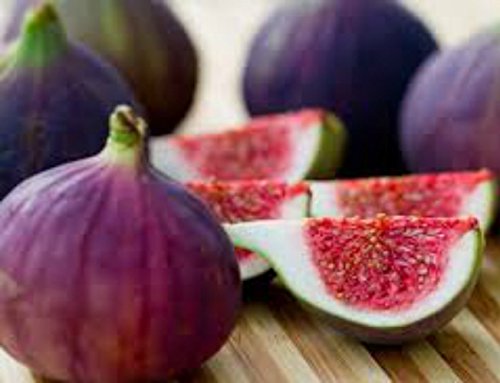
    Fig trees produce fruit known as figs, an aggregate fruit that develops from a specialized flower structure. The anatomy of the fig includes numerous tiny flowers inside the fruit, creating a unique environment for pollination. The common fig (Ficus carica) typically requires a pollinator, such as the fig wasp, to produce seeds and ensure fruit development.

    You might wonder about the fruiting timeline of fig trees. Generally, figs appear simultaneously with leaves, although this can vary by variety and climate. Some fig cultivars may bear fruit before fully unfurling their leaves. For example, the ‘Brown Turkey’ fig often presents small figs before leaf emergence, while others, like ‘Celeste’, might showcase leaves first.

    Growing fig trees requires specific conditions. They thrive in well-draining soil and prefer full sun exposure. Regular watering is essential, especially during dry spells, to support fruit development. As a bonus, fig trees are relatively low-maintenance, making them an attractive option for many gardeners.

    You can propagate fig trees through cuttings or by planting seeds. Cuttings from healthy branches root easily in soil or water. Seeds require more time and attention, including stratification for successful germination. With a bit of patience and care, you’ll enjoy fresh figs in your garden.

    Fig Tree Growth Stages

    Fig trees progress through distinct growth stages, each crucial for fruit and leaf development. Understanding these stages can help you manage your fig tree effectively.

    Recommended Products

    Fiddle Leaf Fig Tree Fertilizer | Ficus Plant Food | Improves Leaves and Branches | Potted Indoor Trees and House Plants Treatment by Aquatic Arts
    Fiddle Leaf Fig Tree Fertilizer | Ficus Plant Food | Improves Leaves and Branches | Potted Indoor Trees and House Plants Treatment by Aquatic Arts

    FEED YOUR FICUS: Contains micronutrients for Fiddle Leaf Fig Trees. These indoor plants need nutrients, in addition to light and water to promote healthy growth and prevent brown spots on leaves

    VIEW LATEST PRICE

    As an affiliate, we earn on qualifying purchases.

    Organic Fiddle Leaf Fig Tree Plant Food - Liquid Fertilizer for Potted Figs - Nutrient Rich Formula to Grow Healthy Indoor and Outdoor Ficus Plants (8 oz)
    Organic Fiddle Leaf Fig Tree Plant Food - Liquid Fertilizer for Potted Figs - Nutrient Rich Formula to Grow Healthy Indoor and Outdoor Ficus Plants (8 oz)

    WONDERFULLY ORGANIC - Contains premium organic ingredients to help grow large, tall, and strong fiddle leaf trees.
    MUST READ
    Why Do Grafted Trees Fruit Earlier: Unlocking the Secrets to Faster Harvests
    VIEW LATEST PRICE

    As an affiliate, we earn on qualifying purchases.

    Fig Trees"Violette de Bordeaux" Includes Four (4) Live Plants
    Fig Trees"Violette de Bordeaux" Includes Four (4) Live Plants

    The price includes Four (4) "Violette de Bordeaux" Fig Trees with USPS Shipping. These 2 inch rooted plants shipped in a 2 inch tray pots. The plants are at least 2-5 inches tall.

    VIEW LATEST PRICE

    As an affiliate, we earn on qualifying purchases.

    Flowering Timeline

    Figs produce flowers hidden within their fruits, with a timeline influenced by the tree’s variety and climate. Usually, flowering occurs in early spring. The fruit begins to form shortly thereafter, taking several months to develop fully. Some varieties, like the ‘Brown Turkey,’ may show fruit as early as late spring, even before leaves emerge. Monitoring your tree during this period ensures you spot any fruits forming.

    Leaf Development

    Leaf development typically follows flowering. Leaves begin to unfurl in late spring to early summer, providing necessary energy through photosynthesis. A fig tree’s leaves play a vital role in overall tree health. Healthy leaves support fruit ripening and enhance the tree’s vigor. Keep an eye on leaf growth, as poor leaf development can indicate issues like insufficient sunlight or nutrients. When your tree has robust foliage, it’s well on its way to producing high-quality figs.

    Do Fig Trees Put on Fruit Before Leaves?

    Fig trees exhibit unique growth habits that often prompt curiosity among gardeners. Understanding their fruiting and leafing patterns offers valuable insights for successful cultivation.

    Recommended Products

    The Big Book of Fig Trees: How to Choose, Plant, Prune and Harvest Figs
    The Big Book of Fig Trees: How to Choose, Plant, Prune and Harvest Figs
    VIEW LATEST PRICE

    As an affiliate, we earn on qualifying purchases.

    Growing Figs in Cold Climates: A Complete Guide
    Growing Figs in Cold Climates: A Complete Guide

    Cold Climate Fig Cultivation: Five Methods Including Overwintering

    VIEW LATEST PRICE

    As an affiliate, we earn on qualifying purchases.

    Growing Fig Trees For Beginners: The Complete Guide to Planting, Pruning and Harvesting Figs (The Fruit Grower’s Journey)
    Growing Fig Trees For Beginners: The Complete Guide to Planting, Pruning and Harvesting Figs (The Fruit Grower’s Journey)
    VIEW LATEST PRICE
    MUST READ
    What Time of Year to Graft Fruit Trees: Best Seasons and Techniques for Success

    As an affiliate, we earn on qualifying purchases.

    Evidence from Studies

    Research indicates that fig trees can bear fruit before leaves emerge. In particular, various sources have documented that certain fig varieties, such as ‘Brown Turkey’ and ‘Celeste,’ may produce figs as early as late spring, while foliage develops afterward. Studies show that these figs are formed from early hidden flowers, which bloom in spring before leaves fully unfurl.

    Factors Influencing Fruit and Leaf Growth

    Several factors affect the timing of fruit and leaf growth in fig trees:

    1. Variety: Different fig varieties exhibit different growth patterns. Some, like ‘Brown Turkey,’ fruit early, while others may show fruit development alongside leaves.
    2. Climate: Warm climates encourage early fruiting. Fig trees thrive in these conditions, leading to earlier flowering and fruit formation.
    3. Soil Quality: Well-draining soil promotes healthy growth. Quality soil contributes to robust leaf development, which in turn supports fruit ripening.
    4. Watering Practices: Consistent watering ensures the tree receives adequate moisture. Proper hydration is crucial for leaf and fruit growth.

    Understanding these factors helps you cultivate fig trees more effectively. Monitor your tree’s health and environmental conditions to optimize fruit and leaf development.

    Common Myths about Fig Trees

    Myth 1: Fig Trees Always Produce Fruit Before Leaves

    Many believe fig trees produce fruit before leaves. While some varieties do exhibit this behavior, it’s not universal. For instance, varieties like ‘Brown Turkey’ and ‘Celeste’ may show fruit before fully unfurling their leaves. However, most figs appear alongside leaves, so this is not a guaranteed pattern for all fig trees.

    Myth 2: Fig Trees Need Pollinators to Bear Fruit

    Another common misconception involves pollination. Certain fig varieties, such as ‘Common Figs,’ self-pollinate, so they don’t require pollinators like fig wasps. Not all figs need this additional help, making them easier to grow in various settings. Research confirms that unpollinated fruit can develop into viable figs.

    MUST READ
    How To Get Rid Of Green Ants In Fruit Trees

    Myth 3: Fig Trees Can’t Grow in Cold Climates

    You might hear that fig trees only thrive in warm climates. While they do prefer temperate zones, some varieties adapt well to colder areas. Specifically, ‘Hardy Chicago’ can survive winter temperatures down to 10°F. Selecting the right variety can expand your options for growing figs even in less favorable conditions.

    Myth 4: All Figs Taste the Same

    Figs come in various shapes, sizes, and flavors. Some types, like the ‘Smyrna’ fig, have a rich, sweet taste, while others, such as the ‘Adriatic,’ can be milder. Understanding this diversity helps you choose the right fig variety that matches your taste preferences.

    Myth 5: Figs Can’t Be Grown in Containers

    Another myth suggests that fig trees require large garden spaces. However, you can successfully grow fig trees in containers. Opt for dwarf varieties like ‘Petite Negra’, which fit well in pots and still produce fruit. Using well-draining soil and proper care allows container-grown figs to thrive.

    By demystifying these misconceptions, you can cultivate fig trees more effectively and enjoy the benefits that come with them.

    Conclusion

    Understanding the growth habits of fig trees can really enhance your gardening experience. You’ve learned that while most figs develop alongside leaves, some varieties like ‘Brown Turkey’ might surprise you by producing fruit first.

    By keeping an eye on the specific needs of your fig tree and recognizing the factors that influence its growth, you can create the perfect environment for thriving fruit production. Remember to enjoy the journey of nurturing your fig tree and savoring the delicious fruits it offers. Happy gardening!

    Frequently Asked Questions

    Recommended Products

    Bonsai Tree Kit Deluxe - Growing 5 Unique Japanese Bonzai Trees | Complete Indoor Bonsai Starter Kits for Growing Trees – Plant Lovers Gifts for Women & Men
    Bonsai Tree Kit Deluxe - Growing 5 Unique Japanese Bonzai Trees | Complete Indoor Bonsai Starter Kits for Growing Trees – Plant Lovers Gifts for Women & Men

    FREE EXTRA SEEDS!! Avergo’s bonzie starter kit comes with additional seed packets just in case you’ll need more

    MUST READ
    What Time of Year Do Lemon Trees Produce Fruit for a Thriving Garden Harvest
    VIEW LATEST PRICE

    As an affiliate, we earn on qualifying purchases.

    Perfect Plants Chicago Hardy Fig Tree, 1 Gallon, Live Plant | Survives below-freezing winters, self-pollinating with sweet purple fruit yearly, zones 5-10, full sun in ground or pot
    Perfect Plants Chicago Hardy Fig Tree, 1 Gallon, Live Plant | Survives below-freezing winters, self-pollinating with sweet purple fruit yearly, zones 5-10, full sun in ground or pot

    🌇 live Chicago Hardy Fig tree 1 gallon is self-pollinating, comes with easy to use Fig food, and produces fresh Fig fruit every Year

    VIEW LATEST PRICE

    As an affiliate, we earn on qualifying purchases.

    Bonsai Tree Kit Classic - Growing 5 Unique Japanese Bonzai Trees | Complete Indoor Bonsai Starter Kits for Growing Trees – Plant Lovers Gifts for Women & Men
    Bonsai Tree Kit Classic - Growing 5 Unique Japanese Bonzai Trees | Complete Indoor Bonsai Starter Kits for Growing Trees – Plant Lovers Gifts for Women & Men

    FREE EXTRA SEEDS!! Avergo’s bonzie starter kit comes with additional seed packets just in case you’ll need more

    VIEW LATEST PRICE

    As an affiliate, we earn on qualifying purchases.

    Do fig trees produce fruit before leaves appear?

    Yes, some fig tree varieties, like the ‘Brown Turkey’ and ‘Celeste,’ can produce fruit before their leaves fully emerge. This phenomenon is most common in specific climates and growth conditions.

    What are the ideal growing conditions for fig trees?

    Fig trees thrive in well-draining soil, full sun exposure, and require regular watering. These conditions help ensure healthy growth and abundant fruit production.

    How do fig trees propagate?

    Fig trees can be easily propagated through cuttings or seeds. Using cuttings is a popular method as it allows gardeners to replicate successful tree varieties quickly.

    What role do leaves play in fig tree health?

    Leaves are essential for photosynthesis and overall tree health. Healthy foliage contributes to fruit ripening and the vigor of the fig tree, making monitoring leaf growth crucial.

    Are there myths about fig trees?

    Yes, there are several misconceptions, such as the belief that all fig trees produce fruit before leaves or that they require large garden spaces. Dwarf varieties can thrive in containers, and some can even grow in cold climates.

    Share. Facebook Twitter Pinterest LinkedIn Tumblr Email
    martha jackson
    Martha Jackson

      Martha Jackson is an accomplished freelance writer and editor with a strong interest in gardening. With a degree in English from the University of California, Berkeley, Martha has over 15 years of experience writing for a variety of publications. She is passionate about making gardening accessible to all and is always seeking out new techniques and innovations.

      Related Posts

      How Long Until Avocado Trees Bear Fruit and Tips for Faster Growth at Home

      February 20, 2025

      What Yellow Fruit Grows on Trees and Their Delicious Health Benefits

      February 20, 2025

      How to Air Layer Fruit Trees: A Step-by-Step Guide for Successful Propagation

      February 20, 2025

      When Do Grapefruit Trees Produce Fruit and How to Maximize Your Harvest

      February 20, 2025

      What Is a Fast Growing Fruit Tree: Discover Quick-Yield Options for Your Garden

      February 20, 2025

      Do Cherry Blossom Trees Have Fruit? Discover the Truth About Their Edibility and Benefits

      February 20, 2025
      Leave A Reply Cancel Reply

      Affiliate Disclosure

      As an Amazon Associate I earn from qualifying purchases.

      Recommended Reading

      How to Plant Fruit Tree Animal Crossing for a Thriving Island Orchard

      Peach Trees in District of Columbia (Urban Microclimate Tips)

      Are lime trees easy to grow?

      Growing Cucamelon Plants: Tips for Cultivating Mexican Sour Gherkins

      How Do I Prune Blackberries for Healthy Growth and Fruit Production

      Growing Seedless Grapes from Seed: Genetic Mutation & Biotechnological Advances

      How to Identify Different Loquat Tree Varieties

      Where Can I Buy Fruit Trees With EBT: Top Places to Find Affordable Options Near You

      Growing Apple Trees in Fresno, CA: Central Valley Harvest Tips

      How Do I Keep Deer Away from My Fruit Trees: Proven Strategies for a Bountiful Harvest

      Fruit Tree Hub

      Fruit Tree Hub is a website dedicated to providing you everything you need to grow fruit trees successfully at in your own yard.

      Contact us at: [email protected]

      - AFFILIATE DISCLOSURE: As an Amazon Associate I earn from qualifying purchases.

      Latest Posts

      23 Fun Crochet Keychain Ideas for Small Handmade Gifts

      18 Easy Crochet Flower Accessories for Bags, Hats, and Clothing

      24 Colorful Crochet Ideas in Pink, Green, and Purple Palettes

      25 Practical Crochet Projects Made for Beginners Who Want Fast Results

      21 Soft Kawaii Crochet Projects Featuring Cute Faces and Mini Details

      20 Unique Crochet Products to Sell for Everyday Use

      25 Affordable Crochet Items to Sell as Small Handmade Gifts

      18 Simple Crochet Projects Designed for One-Weekend Builds

      Categories
      • Almond Trees
      • Apple Trees
      • Apricot Trees
      • Best Fruit Trees
      • Blackberry
      • Cantaloupe
      • Cherry Trees
      • Christmas Crochet Ideas
      • Crochet Bag Ideas
      • Crochet Blanket Ideas
      • Crochet Dress Ideas
      • Crochet Ideas
      • Crochet Ideas for Beginners
      • Crochet Top Ideas
      • Cucamelon
      • Cute Crochet Ideas
      • Easy Crochet Ideas
      • Easy Knitting Projects
      • Fall Crochet Ideas
      • Fig Trees
      • Grapefruit Trees
      • Grapes
      • Guava Trees
      • Halloween Crochet Ideas
      • Honeydew
      • Jujube Trees
      • Kiwi
      • Knitting For Beginners
      • Knitting Ideas
      • Knitting Inspiration
      • Lemon Trees
      • Lime Trees
      • Loquat Trees
      • Mango Trees
      • Mulberry Trees
      • Nectarine Trees
      • Olive Trees
      • Orange Trees
      • Papaya Trees
      • Peach Trees
      • Pear Trees
      • Persimmon Trees
      • Planting
      • Plum Trees
      • Pomegranate Trees
      • Quince Trees
      • Raspberry
      • Reviews
      • Small Crochet Ideas
      • Star Fruit Trees
      • Summer Crochet Ideas
      • Tamarind Trees
      • Tangerine Trees
      • Tips and Advice
      • Tools
      • Uncategorized
      • Walnut Trees
      • Winter Crochet Ideas
      © 2026 Fruit Tree Hub
      • Home
      • About Us
      • Contact
      • Privacy Policy
      • Terms and Conditions
      • Disclaimer
      • Editorial Policy
      • Affiliate Disclosure

      Type above and press Enter to search. Press Esc to cancel.