

Have you ever wondered why some peach trees burst with fruit while others stand bare? If you’ve planted a peach tree or are thinking about it, you might be curious about its fruit-bearing potential.
Key Takeaways
- Not All Peach Trees Bear Fruit: Some varieties, particularly ornamental peach trees, are grown for their flowers rather than for fruit production.
- Type Matters: Different types of peach trees, such as clingstone and freestone, have unique characteristics that affect their fruit-yielding potential and preferred growth conditions.
- Optimal Growth Conditions: Peach trees need at least 6 to 8 hours of direct sunlight, well-draining soil, and proper watering and fertilization to thrive and produce fruit.
- Environmental Factors Influence Yield: Sunlight, soil quality, and temperature fluctuations play crucial roles in the ability of peach trees to set fruit successfully.
- Proper Maintenance Essential: Regular pruning and a suitable fertilization schedule are vital for enhancing fruit production and overall tree health.
Understanding Peach Trees
Peach trees can vary significantly in their ability to produce fruit. Knowing the different types and growth conditions is essential for successful fruit-bearing.
Types of Peach Trees
You’ll find several types of peach trees, each with unique characteristics. The main types include:
- Clingstone Peaches: Flesh clings to the pit, making them ideal for canning and preserving.
- Freestone Peaches: Flesh separates easily from the pit, perfect for eating fresh.
- Donut Peaches: Also known as Saturn peaches, these have a flat shape and sweet flavor.
- Standard Peaches: Traditional fruit-bearing trees that thrive in most climates.
Each type has specific needs, influencing whether it’ll produce fruit. Researching the type you choose helps ensure successful growth.
Growth Conditions for Peach Trees
Peach trees require optimal conditions for fruitful growth. Consider these factors:
- Sunlight: Aim for at least 6 to 8 hours of direct sunlight daily. Insufficient light reduces flowering and fruiting.
- Soil: Well-draining, sandy loam is best. Heavy clay or overly wet soil can lead to root rot.
- Watering: Moderately water newly planted trees. Once established, they prefer deep watering every week.
- Fertilization: Apply balanced fertilizer in early spring. Adjust based on soil tests to meet nutrient needs.
- Temperature: Select varieties suited for your climate zone. Most peach trees thrive between 75°F to 85°F.
By paying attention to these growth conditions, you enhance the likelihood of a thriving, fruit-producing peach tree.
Factors Affecting Fruit Production
Several factors influence the fruit production of peach trees. Understanding these can help you cultivate a more productive tree.
Varietal Differences
Different peach tree varieties yield different results. Clingstone peaches cling to the pit and often produce better yields in warmer climates. Freestone peaches separate easily from the pit and may thrive in varied temperatures. Donut peaches have unique shapes and flavors but can be less productive in certain conditions. Standard peaches, the most common type, generally require cross-pollination to produce fruit. Selecting a variety suited to your local environment is crucial for fruiting success.
Environmental Influences
Environmental elements significantly impact fruit production. Sunlight is vital; aim for at least six hours of direct light daily. Soil quality matters too. Well-draining soil rich in organic material supports healthy growth. Adequate watering, particularly during flowering and fruit set, promotes better yields. Additionally, temperature fluctuations can affect the tree’s ability to set fruit. Peach trees need chilling hours, typically between 32°F to 45°F, during winter. Monitoring these factors can enhance fruit production and improve your peach harvest.
Common Myths About Peach Trees
Understanding peach trees requires debunking some common myths. These misconceptions can mislead you when growing or selecting peach trees.
Myth: All Peach Trees Produce Fruit
Not all peach trees produce fruit. Several factors influence fruit production, including variety and conditions. For example, some ornamental peach trees exist solely for their beautiful flowers. These trees don’t yield edible fruit. Additionally, specific varieties, like some Donut peaches, might have reduced or no fruit under certain conditions.
Myth: Only Age Matters
Age isn’t the only factor that affects fruiting. While younger trees might take several years to bear fruit, other elements play a significant role. For instance, soil quality, sunlight, and nutrient availability can all impact fruit production. Even mature trees may fail to produce fruit if they lack essential care. Ensure you provide ideal conditions, regardless of your tree’s age, to promote healthy growth and fruiting.
Care and Maintenance for Fruit Bearing
Proper care and maintenance significantly influence the fruit-bearing potential of your peach tree. Focus on the following key areas to promote healthy growth and abundant fruit.
Recommended Products

Made for Peach Trees - This peach tree fertilizer is formulated specifically to support healthy growth and fruiting in peach trees.

Made for Peach Trees - This peach tree fertilizer is formulated specifically to support healthy growth and fruiting in peach trees.

2X MORE VALUE: HiThrive Peach Plant Fertilizer 16 oz bottle makes 16 gallons of fruit tree spray, while the bigger size 32 oz makes 32 gallons to keep your peach trees thriving season after season.
Pruning Techniques
Pruning helps shape your peach tree and encourages fruit production. Follow these steps for effective pruning:
- Timing: Prune during late winter, just before new growth begins. This timing minimizes sap loss and stress on the tree.
- Remove Dead Wood: Cut away any branches that are dead or damaged. This action enhances airflow and sunlight penetration.
- Thin Out Branches: Trim crowded branches to encourage better light exposure. Aim for an open center to improve airflow.
- Shorten New Growth: Cut back last year’s growth to about one-third to stimulate fruiting buds. Focus on upward-facing buds for optimal fruit development.
By maintaining a proper shape and structure, you maximize the tree’s energy for fruit production.
Nutritional Needs
Meeting your peach tree’s nutritional requirements is essential for robust growth and fruiting. Implement the following tips:
- Soil Testing: Perform a soil test to determine pH and nutrient levels. Peach trees thrive in slightly acidic soil with a pH range of 6.0 to 6.5.
- Fertilizing Schedule: Apply a balanced fertilizer formulated for fruit trees in early spring. This action ensures the tree has adequate nutrients during the growing season.
- Organic Options: Incorporate compost or well-rotted manure into the soil. These organic materials improve soil structure and provide essential nutrients.
- Watering Practices: Water deeply, especially during dry spells. Consistent moisture helps the tree absorb nutrients more effectively.
By addressing the pruning and nutritional needs, you create an environment conducive to fruit production, leading to a bountiful harvest from your peach tree.
Conclusion
Understanding the factors that influence peach tree fruit production can make all the difference in your gardening journey. By choosing the right variety and providing the necessary care and conditions, you can enhance your chances of enjoying a fruitful harvest. Remember that not all peach trees will bear fruit, especially those grown for ornamental purposes.
With the right knowledge and attention, you can cultivate a thriving peach tree that rewards you with delicious fruit. So roll up your sleeves and get ready to nurture your tree. A bountiful peach harvest could be just around the corner!
Frequently Asked Questions
Recommended Products

🍑 𝐏𝐑𝐄𝐌𝐈𝐔𝐌 𝐏𝐄𝐀𝐂𝐇 𝐏𝐎𝐓𝐓𝐈𝐍𝐆 𝐌𝐈𝐗: Our Peach Potting Mix is crafted to provide the perfect growing environment for vibrant and healthy peach plants. This premium soil mix ensures your peach trees receive the optimal nutrients, moisture, and aeration needed to thrive, making it ideal for both indoor and container gardening.
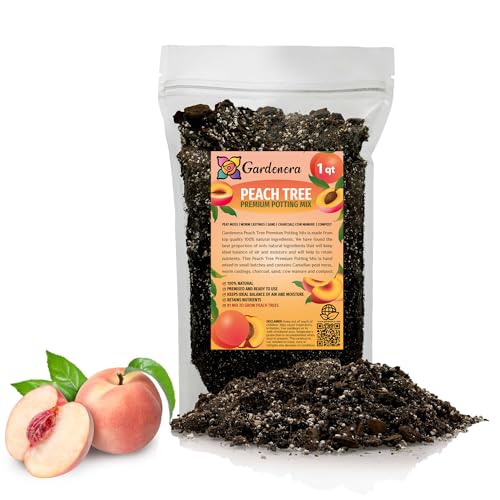
🍑 𝐏𝐑𝐄𝐌𝐈𝐔𝐌 𝐏𝐄𝐀𝐂𝐇 𝐏𝐎𝐓𝐓𝐈𝐍𝐆 𝐌𝐈𝐗: Our Peach Potting Mix is crafted to provide the perfect growing environment for vibrant and healthy peach plants. This premium soil mix ensures your peach trees receive the optimal nutrients, moisture, and aeration needed to thrive, making it ideal for both indoor and container gardening.

Let our professionally formulated plant food help your fruit tree grow healthy, strong AND abundantly producing
Why do some peach trees produce fruit while others do not?
Some peach trees may not produce fruit due to various factors, including the type of peach variety, local climate, and growing conditions. For instance, some varieties require cross-pollination or have specific temperature needs, which can impact fruit set.
What are the different types of peach trees?
The main types of peach trees are Clingstone, Freestone, Donut, and Standard peaches. Each variety has unique traits and requirements that can affect their fruit-bearing potential, such as climate preference and pollination needs.
How much sunlight do peach trees need to produce fruit?
Peach trees require at least six hours of direct sunlight daily for optimal fruit production. Insufficient sunlight can hinder their growth and reduce the quantity of fruit they produce.
What type of soil is best for peach trees?
Peach trees thrive in well-draining soil that is rich in organic matter. Soil quality is crucial as it affects nutrient availability and the tree’s overall health, which in turn impacts fruit production.
How does watering influence peach tree fruit production?
Proper watering is essential for peach trees, particularly during critical growth periods. Consistent moisture helps ensure healthy development and improves fruit quality, while over-watering or drought can hinder fruit set.
What role do chilling hours play in peach tree fruiting?
Chilling hours refer to the period of cold exposure required for fruit trees to break dormancy. Peach trees need a certain number of chilling hours in winter to produce fruit in the spring, depending on the variety.
What common myths about peach trees should growers be aware of?
A common myth is that all peach trees produce fruit. In reality, some are ornamental and do not bear fruit. Additionally, factors like soil quality and sunlight are just as important as tree age for fruit production.
How can I enhance the fruit production of my peach tree?
To boost fruit production, ensure your peach tree receives adequate sunlight, water, and nutrients. Use good pruning techniques, balanced fertilization, and regularly check soil quality to support healthy growth and improve harvests.
