

Have you ever dreamed of enjoying fresh fruit right from your own home? Imagine walking into your kitchen and picking a ripe lemon or a juicy peach from a tree you’ve nurtured yourself. With the right conditions, growing fruit trees indoors is not just a fantasy; it can be your reality.
Many people struggle with limited outdoor space or harsh climates, but that doesn’t mean you have to give up on the idea of homegrown fruit. This article will guide you through the essentials of growing fruit trees indoors, from choosing the right varieties to providing the care they need. You’ll discover how to turn your living space into a mini orchard, bringing both beauty and deliciousness into your life.
Key Takeaways
- Indoor Fruit Tree Selection: Choose compact, dwarf varieties like citrus, figs, and peaches that thrive in small spaces and can adapt well to indoor conditions.
- Light Requirements: Ensure your fruit trees receive sufficient sunlight, aiming for at least 6-12 hours per day. Supplement natural light with grow lights if necessary.
- Proper Watering and Soil: Use well-draining soil and maintain an appropriate watering schedule, allowing the top inch of soil to dry out between waterings to prevent root rot.
- Temperature Control: Keep indoor temperatures between 65°F and 75°F, avoiding extreme conditions that could harm your plants.
- Pollination Methods: Hand pollination may be necessary for fruit trees indoors, especially for those that require cross-pollination. Opt for self-pollinating varieties if possible for easier fruit production.
- Regular Care Maintenance: Implement a routine of fertilizing every 4-6 weeks during the growing season and apply regular pruning to promote growth and air circulation.
Overview of Indoor Fruit Trees
Growing fruit trees indoors is an exciting way to enjoy fresh produce right at home. Many varieties thrive in indoor environments, provided they receive the right care and conditions. Here’s what you need to know.
Types of Fruit Trees for Indoor Growth
- Citrus Trees: Varieties like dwarf lemon and lime trees do well indoors. They require plenty of sunlight, ideally around 12 hours a day, and moderate humidity.
- Fig Trees: Figs adapt well to containers. Choose varieties like ‘Petite Negra’ or ‘Little Miss Figgy’ for optimal indoor growth.
- Pomegranate Trees: The ‘Nano’ pomegranate is a compact choice. These trees enjoy bright light and can tolerate dry indoor air.
- Peach Trees: Dwarf peach trees, such as ‘Bonanza’ or ‘El Dorado,’ can flourish indoors with good light and regular watering.
- Cherry Trees: Look for dwarf varieties like ‘Stella’ to enjoy cherries in small spaces.
Requirements for Successful Indoor Fruit Trees
- Light: Ensure your trees receive ample sunlight. If natural light falls short, consider grow lights to supplement.
- Water: Water regularly but avoid overwatering. Check soil moisture to determine when to water.
- Soil: Use well-draining potting soil mixed with organic matter to provide nutrients.
- Container Size: Choose pots that allow for root growth. As trees mature, consider repotting into larger containers.
- Temperature: Maintain indoor temperatures between 65°F and 75°F. Avoid extreme cold or heat.
Care Tips for Indoor Fruit Trees
- Fertilize: Use a balanced fertilizer every 4-6 weeks during the growing season to encourage fruit production.
- Prune: Regular pruning keeps trees manageable and promotes airflow, reducing the risk of pests and diseases.
- Monitor for Pests: Check for aphids or spider mites regularly. Introduce beneficial insects or use insecticidal soap if necessary.
- How long for fruit to appear?: Depending on the variety, fruit can take several months to a few years to develop from planting.
- Can all fruit trees grow indoors?: Not all fruit trees adapt well. Choose compact, dwarf varieties for the best indoor results.
- What’s the best indoor climate?: Aim for a stable climate with plenty of light, moderate humidity, and regular temperature.
By selecting the right types of trees and providing them with proper care, you can successfully cultivate fruit trees indoors, bringing a taste of the garden into your home.
Benefits of Growing Fruit Trees Indoors
Growing fruit trees indoors offers numerous advantages that enhance your living environment. From maximizing space to improving aesthetics, indoor fruit trees provide unique benefits.
Space Efficiency
Indoor fruit trees occupy little space and thrive in small environments. Dwarf varieties, such as dwarf citrus or cherry trees, fit comfortably in pots. You can place them on windowsills or in corners, making efficient use of otherwise unused areas. These compact trees can even grow in containers, allowing flexibility in placement. Utilize vertical gardening techniques by placing them on shelves or plant stands for optimal sunlight exposure.
Aesthetic Appeal
Indoor fruit trees add vibrant greenery and beauty to your home. Their seasonal blooms and fruits create stunning visual interest. For instance, a lemon tree displays bright yellow lemons against lush green leaves, enhancing the room’s charm. These trees also promote a more inviting and natural atmosphere, helping to reduce stress and improve mood. By choosing colorful and fragrant varieties, you transform your space into a mini orchard, elevating your home’s overall decor while providing fresh fruit at your fingertips.
Challenges of Growing Fruit Trees Indoors
Growing fruit trees indoors presents specific challenges you need to navigate for successful cultivation. Here’s how those challenges manifest and what you can do about them.
Recommended Products

4000K DAYLIGHT: Imitate the solar spectrum, customize a more ideal full life cycle full spectrum supplementary light program, covering the entire visible spectrum of 400nm-780nm; Color rendering index Ra is close to 100, infinitely close to natural light, suitable for every cycle of plant growth, effectively promotes plant growth, and improves crop yield and quality
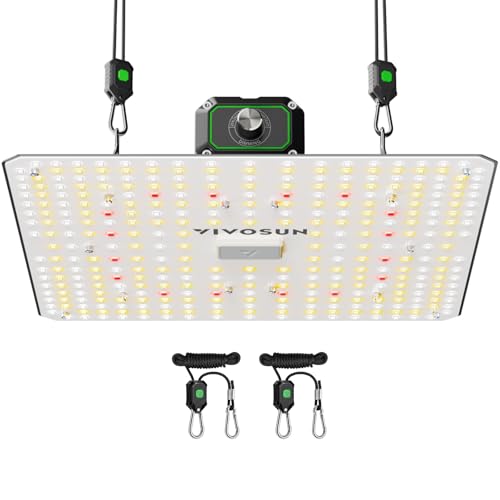
Optimized Full Spectrum: With white, blue, red and far-red LEDs (3000K, 5000K, 660nm and 730nm), this grow light provides full-spectrum illumination to support photosynthesis from seedling to harvest; It speeds up flowering time and increases yields

【Newest Grow Light】The appearance of the lamp head adopts patentable mold technology and incorporates exclusive design concepts. The back plate has a unique pattern and premium texture which is not easily scratched. The holes in the back are specially reserved for heat dissipation space, saying goodbye to the heating problem during the use of the lamp.
Limited Light Exposure
Indoor fruit trees often struggle with insufficient light exposure. While many fruit trees require full sun for optimal growth, indoor conditions typically provide limited natural light. Aim for at least six hours of bright, indirect sunlight daily. If natural light is sparse, consider using grow lights. Choose full-spectrum LED lights that mimic sunlight. Position the lights about 12-18 inches above the trees and set them on a timer for consistent exposure.
Pollination Difficulties
Pollination poses another challenge for indoor fruit trees. Many fruit trees depend on cross-pollination facilitated by insects. Inside your home, these pollinators aren’t commonly present. Hand pollination can solve this issue. Use a small paintbrush or cotton swab to transfer pollen from one flower to another. This method increases the chances of fruit development. Alternatively, selecting self-pollinating varieties, such as certain dwarf citrus trees, can simplify the process, as they don’t rely on external pollinators.
Best Fruit Trees for Indoor Growth
Growing fruit trees indoors can be a rewarding experience. Selecting the right varieties ensures healthy growth and fruit production in small spaces.
Recommended Products

100% Natural: Expertly hand-blended with premium ingredients for potted citrus trees, ensuring your trees receive the purest, chemical-free nutrients. Contains no artificial additives.

Enriched with Organic Fertilizer – This lemon tree fertilizer provides nutrients for up to 6 months, so your citrus trees stay healthy and productive with minimal upkeep.

【Ideal pH Balance】Our citrus soil is carefully calibrated to maintain an optimal pH level between 6.0 and 7.1, ensuring your citrus trees can absorb essential nutrients efficiently and thrive
Citrus Trees
Citrus trees are popular choices for indoor growing. Dwarf varieties like the Calamondin orange and Meyer lemon fit well in containers. They thrive in bright, indirect sunlight for at least six hours daily.
- Watering: Keep the soil slightly moist but not soggy. Check the top inch of the soil; if it feels dry, it’s time to water.
- Fertilizing: Use a balanced liquid fertilizer every four to six weeks during the growing season. Citrus trees benefit from extra magnesium, which can boost fruit production.
- Pruning: Regular pruning helps maintain shape and encourages more fruit. Remove any dead or crossing branches to improve airflow.
Figs and Dwarf Varieties
Fig trees, particularly dwarf varieties, adapt well indoors. The Little Ruby and Petite Negra produce delicious fruit and fit neatly on windowsills.
- Light Requirements: Place them in bright, direct sunlight for at least eight hours daily for the best results.
- Watering: Allow the soil to dry out between waterings; figs are sensitive to overwatering, which can lead to root rot.
- Fertilizing: Feed with a high-phosphorus fertilizer to encourage fruiting. Fertilize every six to eight weeks during the growing season for optimal growth.
By understanding the specific care needs of citrus and fig trees, you can successfully grow these indoor fruit trees while enriching your home environment.
Tips for Successful Indoor Fruit Tree Cultivation
Growing fruit trees indoors requires attention to detail. Choosing the right containers and using proper soil and watering techniques significantly affect success.
Recommended Products

Made For Potted Citrus Trees: Our citrus potting soil mix is made for potted lemon, lime, orange and other citrus trees that need a lighter growing medium for repotting. We double-screen all of our raw ingredients to support a cleaner, more consistent texture for pouring and repotting potted citrus trees.

Material:Made from quality plastic material,which is lightweight and reusable. The wall of the nursery pot is thin but durable to use repeatedly.

【VALUE PACK】100 pcs seedling nursery bags, enough for your plant needs.They are measure 5.9x6.3 inch(diameter x height), after adding soil size:3.5x4.5 inch(diameter x height).
Choosing the Right Containers
Select containers that offer adequate drainage, as excess water damages roots. Choose pots with drainage holes at the bottom. Consider using a pot that’s at least 12 inches in diameter for young trees. This size supports healthy root growth and provides stability. As the tree matures, transferring it to a larger pot prevents root-binding. Materials like terracotta, ceramic, or plastic work well, but ensure they’re lightweight enough for easy movement.
Proper Soil and Watering Techniques
Use a well-draining potting mix designed for container plants. Look for mixes that contain peat moss, perlite, or vermiculite. These components promote aeration and drainage, essential for healthy roots. Water your fruit trees thoroughly but allow the soil to dry out slightly between waterings. Test moisture levels by sticking your finger into the soil about an inch deep. If it feels dry, it’s time to water. During the growing season, frequent watering may be necessary, while in fall and winter, reduce watering as the tree enters dormancy.
Conclusion
Growing fruit trees indoors can be a rewarding experience that adds beauty and freshness to your home. With the right selection of dwarf varieties and a bit of care, you can enjoy the satisfaction of harvesting your own fruit right from your living space.
Remember to pay attention to their light and water needs while keeping an eye on pests. Don’t hesitate to experiment with different types of trees to find what works best for you.
With a little patience and effort, your indoor garden can flourish, turning your home into a delightful mini orchard. Enjoy the journey of nurturing your fruit trees and savor the sweet rewards they bring!
Frequently Asked Questions
Can you grow fruit trees indoors?
Yes, you can successfully grow fruit trees indoors, especially dwarf varieties that are suitable for limited spaces and indoor conditions.
What types of fruit trees are best for indoor growth?
Dwarf citrus trees, fig trees, pomegranate, peach, and cherry trees thrive indoors. Dwarf varieties are particularly recommended for their space efficiency.
How much sunlight do indoor fruit trees need?
Indoor fruit trees need at least six hours of bright, indirect sunlight daily. If natural light is insufficient, consider using full-spectrum LED grow lights.
How do I care for indoor fruit trees?
Care includes regular watering, proper fertilization, and occasional pruning. Ensure your tree has good drainage and use a suitable potting mix for best results.
What challenges do indoor fruit trees face?
Common challenges include insufficient light and pollination difficulties. Choosing self-pollinating varieties or using hand pollination can help with fruit development.
How often should I water indoor fruit trees?
Water thoroughly but allow the soil to dry slightly between waterings. The frequency may vary based on the tree type and environmental conditions.
Do indoor fruit trees produce fruit quickly?
Fruiting timelines vary by species. Some indoor fruit trees can take a couple of years to bear fruit, while others may produce sooner with optimal care.
What containers are best for indoor fruit trees?
Choose pots that are at least 12 inches in diameter with proper drainage. As the tree grows, transfer it to larger pots to accommodate its root system.
