

Have you ever looked at your fruit trees in winter and wondered how to give them a little TLC? Pruning during the colder months might seem daunting, but it’s one of the best ways to ensure a bountiful harvest come spring.
Picture this: your trees are healthy, vibrant, and bursting with fruit, all thanks to a little winter care. In this article, you’ll discover simple techniques for pruning that can help improve air circulation, promote growth, and keep your trees strong. With just a few easy steps, you can set your fruit trees up for success and enjoy the fruits of your labor.
Key Takeaways
- Winter Pruning Importance: Pruning fruit trees in winter is essential as it minimizes stress on the tree and encourages healthy growth during the spring.
- Health Benefits: Through winter pruning, dead or diseased branches are removed, promoting improved tree health and reducing the risk of fungal diseases.
- Enhanced Fruit Production: Proper pruning techniques direct energy to stronger branches, resulting in larger and better-quality fruit.
- Timing Matters: The best time to prune varies by tree type but generally occurs between late January and early March when trees are dormant.
- Essential Tools: Equip yourself with suitable tools, including pruning shears, loppers, and gloves, for effective and safe pruning.
- Technique Types: Utilize thinning cuts to enhance airflow and light penetration, and heading cuts to control size and promote bushier growth.
Understanding Winter Pruning
Winter pruning plays a crucial role in the annual care of fruit trees. Pruning during winter allows you to shape the tree while it’s dormant, minimizing stress and encouraging robust growth when spring arrives.
Benefits of Winter Pruning
- Promotes Healthy Growth: Pruning removes dead or diseased branches, encouraging healthier new growth.
- Enhances Air Circulation: By thinning out dense areas, you improve airflow, reducing the risk of fungal diseases.
- Improves Fruit Quality: Proper pruning directs energy to the remaining branches, enhancing overall fruit size and quality.
Tools You’ll Need
- Pruning Shears: Ideal for small branches, these provide clean cuts without damaging the tree.
- Loppers: Use loppers for larger branches, allowing for better leverage and reach.
- Saw: Employ a saw for any heavy cutting requirements, ensuring to cut at the branch collar.
- Gloves: Protect your hands from splinters and sharp tools.
When to Prune
Prune fruit trees when they are dormant but before new growth starts. This typically occurs from late January to early March, depending on your local climate. Look for a mild day when temperatures are above freezing for the best conditions.
Steps for Pruning
- Evaluate the Tree: Begin by observing the tree’s overall shape and health. Identify any dead, damaged, or crossing branches.
- Start with the Crown: Focus on removing vertical shoots—these disrupt the tree’s shape and divert energy from fruit production.
- Thin out the Interior: Remove excess limbs inside the tree to allow sunlight to reach the center. This promotes balanced growth and prevents overcrowding.
- Maintain Shape: Ensure the tree maintains its desired shape while keeping a strong central leader if applicable.
- Finish with Clean Cuts: Always cut at a slight angle and just above a bud to promote healthy healing.
- Can I prune in other seasons? While light pruning can occur in late summer, significant cuts are best reserved for winter.
- What if I miss the winter window? If pruning occurs in spring, wait until most of the blooming is finished before making any cuts.
By understanding and applying these winter pruning techniques, you ensure that your fruit trees thrive, leading to a more abundant spring harvest.
Benefits Of Pruning Fruit Trees In Winter
Pruning fruit trees in winter offers several distinct advantages that positively impact their health and productivity. You can ensure your trees thrive and yield better fruit with just a little effort.
Improved Tree Health
Improved tree health results from winter pruning because it helps remove dead, damaged, or diseased branches. This process allows your tree to focus its energy on new growth and strong branches. By pruning during dormancy, you minimize stress and promote healing, leading to robust and healthier trees. Additionally, opening up the canopy boosts air circulation, which reduces the risk of fungal infections. Healthier trees are also better equipped to withstand pests and harsh weather conditions.
Enhanced Fruit Production
Enhanced fruit production follows good winter pruning practices. When you eliminate weaker branches, energy redirects to stronger, more productive limbs. This focus encourages greater fruit set in the spring. Pruning also shapes the tree, ensuring sunlight reaches more of the branches, further promoting fruit development. For example, apple and pear trees often yield larger, tastier fruits after proper winter pruning. Following these methods can increase both the quantity and quality of your fruit harvest.
When To Prune Different Fruit Trees
Understanding when to prune various fruit trees ensures optimal health and productivity. Each type of tree has unique pruning timelines based on its growth patterns and fruiting schedules.
Recommended Products

· ULTRA-SHARP SK5 STAINLESS STEEL - Engineered with premium SK5 stainless steel, these heavy duty pruning shears deliver razor-sharp precision and maximum hardness. The rust-resistant blades are designed to stay sharp longer, effortlessly resisting corrosion and sap buildup for smooth, friction-free garden shears performance year after year.

SUPER LIGHTWEIGHT CUT AND HOLD PRUNERS SET: Our Long Reach Pruner weighs 0.79lbs, appropriate length 32 inch is suitable for relaxed cutting. When you deal with twiggy young tree branches, leaves, fruit spur or fence, one hand is enough. There has a minor hand pruner in this set can solve your lower pruning, a bonus garden glove can protect your hand.

Sharp & Rustproof: Our garden scissors are made of premium stainless steel material, which has corrosion resistance and good hardness. Sharp blades can quickly finish pruning tasks for gardens, vegetable gardens, orchards, and indoor plants
Apple Trees
Prune apple trees from late winter to early spring, usually between late January and early March. This time frame allows you to sculpt the tree while it’s dormant. Focus on removing any dead or crossing branches to improve air circulation. Aim to shape the canopy for better light penetration. If you’ve got a mature tree, you can also thin out excessive growth to promote larger fruit.
Peach Trees
For peach trees, prune in late winter, typically from mid-February to early March. This timing encourages strong growth and better fruit production. Start by removing dead, diseased, or damaged branches. Peach trees thrive with an open center, so consider a vase shape during pruning. This approach allows sunlight to reach all parts of the tree, enhancing fruit quality.
Cherry Trees
Cherry trees benefit from winter pruning, usually done in late winter, around February to early March. Prune to remove any dead or weak branches, which aids in reducing disease risk. Cherry trees grow best when pruned lightly; avoid heavy cuts. Maintain an open canopy to encourage airflow, which helps in disease prevention while also facilitating fruit maturity.
By adhering to these specific pruning schedules, you set your fruit trees up for a fruitful season ahead.
Tools Needed For Pruning
Equipping yourself with the right tools makes winter pruning easier and more efficient. Here are the essential tools and safety equipment you should gather before you start.
Recommended Products

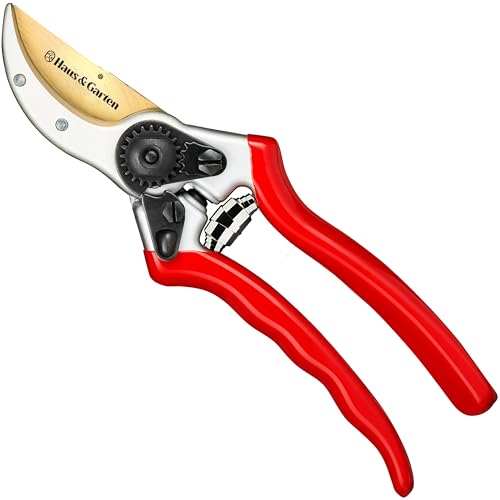
Sharp, Clean Cuts Every Time – Engineered from Japanese grade, high-carbon steel, ClassicPRO bypass pruning shears for gardening stay sharp and make precise cuts that encourage healthy growth and won’t damage your plants

Heat-Treated Serrated Saw Blade: 8" saw blade designed for efficient cutting of branches and tough materials, ensuring sharpness and durability.
Essential Pruning Tools
- Pruning Shears: Use these for small branches, typically up to ¾ inch in diameter. Choose a pair with sharp, curved blades for a clean cut.
- Loppers: Ideal for branches between ¾ inch and 2 inches, loppers feature longer handles for increased leverage. Look for bypass loppers for a more precise cut.
- Hand Saw: For branches thicker than 2 inches, a hand saw is necessary. Use a pruning saw with a curved blade to efficiently cut through larger limbs.
- Pruning Knife: Keep a pruning knife on hand for slicing through stems and removing small, stubborn growth. A well-sharpened knife works best.
- Tape Measure: For precise cutting, a tape measure helps you determine which branches to prune based on their length and spacing.
- Gloves: Protect your hands from cuts and thorny branches. Use heavy-duty gardening gloves for maximum protection and comfort.
- Safety Goggles: Wear safety goggles to shield your eyes from flying debris while cutting branches.
- Long Sleeves: Opt for long-sleeved shirts to minimize skin exposure to thorns and rough edges.
- Sturdy Footwear: Choose closed-toe shoes or boots with good traction to provide stability and protect your feet while working outdoors.
Gathering these tools and safety gear sets you up for a successful pruning session. Taking the time to prepare enables you to focus on the pruning process and ensure your fruit trees thrive.
Techniques For Effective Pruning
Understanding effective pruning techniques helps maximize the health and productivity of your fruit trees. Focus on the two main cutting methods: thinning cuts and heading cuts.
Recommended Products
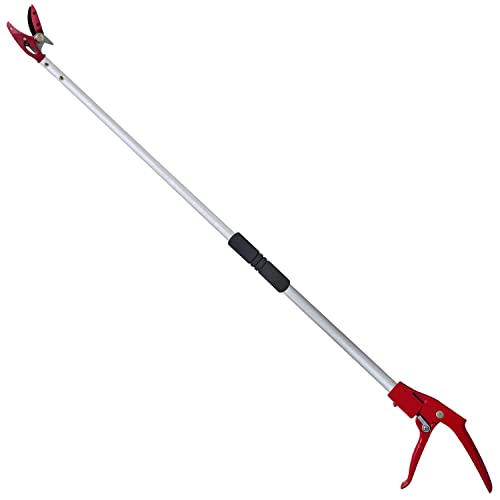
Professional long reach pruners, super lightweight but effective tree trimmer with 4 foot alloy aluminum pole, sturdy and quality construction, ideal for pruning on live branches, small trees, high thin stems and overgrown plants, even picking fruit, without having to bend and kneel, without climbing a ladder, easy low cut or reaching into dense/prickly bushes
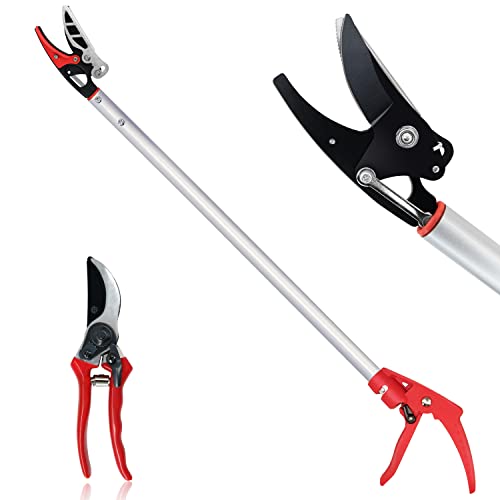
Long Handle Design: 32" handle length of the cut and hold pruners reduces back pain and stress, eliminating the need to bend over for trimming; It can also easily stretches to higher branches or thorns.

Thinning Cuts
Thinning cuts remove entire branches at their point of origin. This technique promotes better air circulation and light penetration. Follow these key steps for effective thinning:
- Identify Branches: Look for branches that are dead, damaged, or crossing other branches. Select those for removal.
- Make Clean Cuts: Use sharp pruning shears for small branches and a saw for larger ones. Aim for a clean cut close to the branch collar.
- Focus on Structure: Ensure you’re maintaining the tree’s natural shape. Thinning helps open up the canopy, allowing sunlight to reach more areas.
Thinning cuts enable the tree to direct energy to fewer branches, improving fruit quality and yield.
Heading Cuts
Heading cuts involve shortening branches to encourage new growth. This method helps control tree size and promotes bushier growth. Here’s how to perform heading cuts:
- Select the Branch: Choose the branch you want to shorten. Focus on those that have become too long or are out of shape.
- Cut Above a Bud: Make the cut just above a healthy bud on the branch. This encourages new shoots to grow from that point.
- Use Proper Tools: Utilize pruning shears or loppers for precision. Ensure your tools are clean to prevent infections.
Heading cuts promote a more compact structure, which can enhance fruit production by concentrating energy on fruit-bearing wood.
Conclusion
Taking the time to prune your fruit trees in winter can make a world of difference come spring. You’ll not only enhance the health of your trees but also boost their productivity. With the right tools and techniques in hand you can transform your garden into a fruitful paradise.
Don’t be afraid to get your hands dirty and experiment a little. Each tree is unique and will respond differently to your care. By following the guidelines and tips shared here you’re setting yourself up for a bountiful harvest. Enjoy the process and watch your trees thrive as you nurture them through the winter months. Happy pruning!
Frequently Asked Questions
What is winter pruning, and why is it important for fruit trees?
Winter pruning involves trimming fruit trees while they are dormant, usually between late January and early March. It is crucial as it enhances air circulation, promotes healthy growth, and strengthens the tree. Pruning removes dead or diseased branches, allowing the tree to channel energy to stronger limbs, leading to a bountiful spring harvest.
When is the best time to prune fruit trees?
The ideal time to prune fruit trees is during their dormant period, typically from late January to early March. Pruning during this time minimizes stress on the tree and encourages robust growth when spring arrives.
What tools do I need for winter pruning?
Essential tools for winter pruning include pruning shears for small branches, loppers for medium branches, a hand saw for larger limbs, and gloves for protection. Safety goggles and sturdy footwear are also recommended for safe pruning.
How do I get started with pruning my fruit trees?
Begin by evaluating the tree’s structure. Start at the crown, then thin the interior branches and maintain the desired shape. Make clean cuts to minimize damage, focusing on removing dead, crossing, or diseased branches to improve tree health.
Can I prune my trees in other seasons?
Pruning is generally not recommended during the growing season, as it can stress the tree and hinder fruit production. However, minor pruning can be done in the spring after new growth begins to remove any damaged or overgrown branches.
What should I do if I miss the winter pruning window?
If you miss the winter pruning window, you can still prune in early spring, just as the buds begin to swell. Avoid heavy pruning in summer, as it can stress the tree. Focus on removing dead or damaged branches instead.
What are the benefits of winter pruning for fruit production?
Winter pruning promotes healthy growth by removing less productive or diseased branches and redirects energy to more fruitful limbs. This practice improves fruit quality, resulting in larger, tastier fruits, particularly in apple and pear trees.
