

Wondering how often you should water your fruit trees? You’re not alone. Many gardeners struggle with finding the right balance between giving their trees enough moisture and overwatering, which can lead to root problems.
Imagine watching your trees thrive, bursting with juicy fruits, all because you nailed their watering routine. This article will guide you through the essentials of watering fruit trees, helping you understand their specific needs based on factors like age, climate, and soil type. With a little knowledge, you can ensure your trees get the hydration they need to flourish.
Key Takeaways
- Understand Watering Needs: The watering frequency for fruit trees depends on soil type, climate, tree age, and seasonal changes.
- Young vs. Mature Trees: Young trees require weekly watering (10-20 gallons), while mature trees can be watered every 10-14 days, adjusting for weather conditions.
- Signs of Water Stress: Keep an eye out for yellowing leaves, curling, or premature fruit drop as indicators that your trees need more water.
- Best Watering Practices: Utilize deep watering techniques, mulch around the base, and consider using soaker hoses for efficient moisture delivery.
- Adjust Based on Conditions: Regularly monitor soil moisture, be mindful of rainfall, and adapt your watering schedule as needed to prevent over or under-watering.
Understanding Fruit Tree Watering Needs
Watering fruit trees requires understanding specific needs influenced by various factors. Ensuring your trees receive enough moisture promotes healthy growth and fruit production.
Factors Influencing Watering Frequency
- Soil Type: Sandy soils drain quickly, needing more frequent watering. Clay soils retain moisture longer, so you can water less often.
- Climate Conditions: Hot, dry climates require more frequent watering. In contrast, cooler, humid conditions might reduce the need for regular watering.
- Tree Age: Young trees need more frequent watering as their root systems are still developing. Mature trees can tolerate longer intervals between watering.
- Seasonal Variations: During active growth in spring and summer, trees require more water. In winter, watering frequency decreases as trees enter dormancy.
- Rainfall: Natural precipitation affects your watering schedule. Monitor rainfall and adjust accordingly.
- Young Trees: Water young trees weekly, providing 10-20 gallons depending on their size. Ensure consistent moisture to support root establishment.
- Establishing Trees: Maintain regular watering every 10-14 days as roots extend. This period lasts for about three years after planting.
- Mature Trees: For established trees, irrigation once every two weeks suffices in normal weather. Increase frequency during dry spells or fruiting seasons.
- Dormant Trees: Winter care involves minimal watering, generally once a month. Monitor the soil to prevent drying out from frost and cold winds.
Adjust watering routines based on your observations and specific conditions. Keep an eye on your trees, and they’ll guide you on when they need hydration.
Signs Your Fruit Trees Need Water
Recognizing when your fruit trees require water is crucial for their health and productivity. Watch for specific signs that indicate a need for hydration.
Recommended Products

Accurate Soil Moisture Detection: The XLUX Soil Moisture Meter can tell you if the soil deep inside your pot or garden is dry, moist or wet; whereas your eyes and fingers can only determine the moisture level of the soil surface. The probe is 5.5 inches (14 cm) longer than regular styles, allowing it to measure the soil moisture at the bottom of larger and deeper flower pots.

Accurate Soil Moisture Detection: The XLUX Soil Moisture Meter can tell you if the soil deep inside your pot or garden is dry, moist or wet; whereas your eyes and fingers can only determine the moisture level of the soil surface. The probe is 5.5 inches (14 cm) longer than regular styles, allowing it to measure the soil moisture at the bottom of larger and deeper flower pots.

Kindly NOTE: This soil tester can not be applied to test pH value of any other liquid. If the soil is too dry the indicator will not move, and water it before testing.
Observing Soil Moisture
Check soil moisture levels regularly. Stick your finger about two inches into the soil near the root zone. If it feels dry, your tree needs water. Use a soil moisture meter for more accuracy. Look for signs like soil pulling away from the trunk. This indicates a lack of moisture.
Identifying Plant Stress Signals
Watch for stress signals in your fruit trees. Leaves turning yellow or brown, especially at the tips, suggest dehydration. Curling leaves indicate significant water loss. Additionally, if fruit appears smaller or drops prematurely, your trees likely need more water. Keeping an eye on these symptoms helps maintain your trees’ health and fruit production.
Recommended Watering Schedules
Establishing an effective watering schedule is crucial for fruit tree health. Consider the age and growth stage of your trees as you determine the right amount of water.
Recommended Products
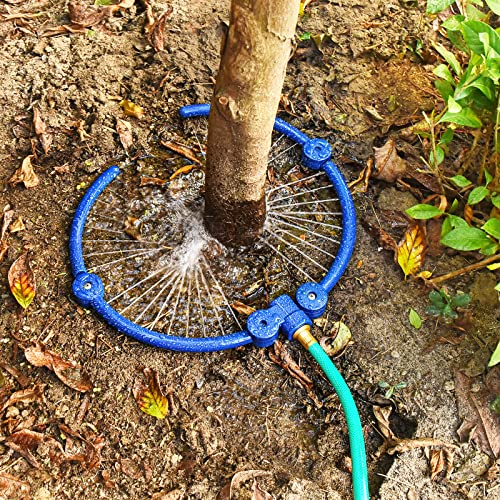
【Specially Designed for Trees and Shrubs】 The Watering Ring is a multi-purpose irrigation ring that attaches to a garden hose to efficiently water young trees shrubs vegetables or flower beds using drip or trickle irrigation.It directs water to the root perimeter of the plant to give them a good start during the first two growing seasons or through periods of drought.

🔹 [Smart Timer Included – Hands-Free Watering, Fully Programmable | 2026 Upgraded]No more daily hose duty. The built-in automatic timer lets you customize watering schedules by time, frequency, and duration. Features Rain Delay Mode (1–15 days) to pause watering during rainy days and resume automatically, plus a Child Lock for added peace of mind. Note: Batteries are not included. Please follow the instructions to set watering schedules

SAVE TIME AND EFFORT: This plant watering kit has everything you need to get started with drip irrigation and precisely water up to ten individual plants. Use the kit to build, expand, or repair a drip irrigation system
Young Fruit Trees
Young fruit trees typically require more frequent watering to encourage strong root development. Water these trees every 7-10 days, providing about 10-20 gallons each time. This ensures the young roots receive enough moisture to establish themselves. If your young trees are planted in sandy soil, increase the frequency since sandy soil drains faster. Conversely, slower-draining clay soil may retain moisture longer, allowing you to water less often. Always check the soil moisture—aim for a damp but not soggy condition.
Established Fruit Trees
Established fruit trees develop deeper root systems, allowing for a more extended watering schedule. Water these trees every 10-14 days under normal conditions. During dry spells or hot weather, check your soil moisture closely and adjust the frequency as needed. Providing about 20-30 gallons per tree during each watering session ensures adequate hydration. Adjust your schedule based on rainfall; if you receive significant rain, you may not need to water for a while. Always observe your tree’s health for signs of drought stress, such as wilting or yellowing leaves.
Best Practices for Watering Fruit Trees
Watering fruit trees correctly promotes healthy growth and abundant fruit production. Implementing effective techniques and avoiding common mistakes makes a significant difference in maintaining your trees’ health.
Recommended Products
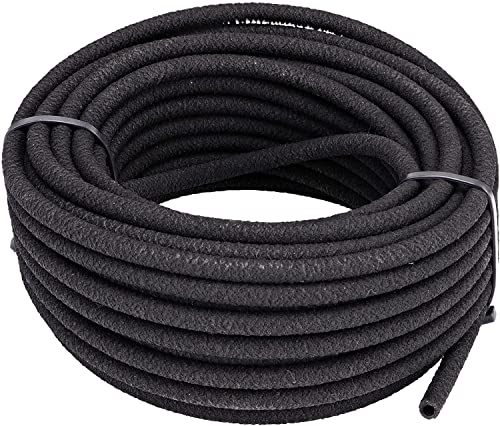
Slowly waters the soil around your plants for complete root zone hydration; Ideal for short runs on flat surfaces, such as vegetable gardens, borders, and around small plants

GENTLE WATERING: Disperses water into a soft, even flow to protect delicate plants, seedlings, and soil from erosion and washout

【Even & Consistent Root Watering】Features micro-pore seepage technology that distributes water evenly along the entire hose, transforming spot watering into uniform line watering directly to plant roots. Unlike traditional drip irrigation systems with clog-prone emitters, this soaker hose creates a continuous moisture band for healthier, deeper-rooted plants
Techniques for Effective Watering
- Water Deeply: Focus on deep watering to encourage roots to grow downwards. Apply enough water to soak the soil 12-18 inches deep, especially for young trees.
- Use Soaker Hoses or Drip Irrigation: These tools provide slow and steady water delivery, minimizing evaporation and directing water straight to the roots.
- Water Early or Late: Apply water early in the morning or later in the evening to reduce evaporation and ensure your trees receive adequate moisture.
- Mulch Around the Base: Apply a layer of organic mulch (like wood chips) around the base of the tree. This helps retain soil moisture, regulate temperature, and suppress weeds.
- Monitor Rainfall: Adjust watering based on recent precipitation. If rainfall provides sufficient moisture, you can reduce your watering frequency.
- Check Soil Moisture: Use a soil moisture meter or your finger to check the soil a few inches down. Wet soil means no additional watering is necessary.
- Overwatering: Too much water leads to root rot and other fungal issues. Always allow the soil to dry out slightly between watering sessions.
- Ignoring Soil Type: Different soils retain moisture differently. Adjust your watering schedule based on whether you have sandy, loamy, or clay soil.
- Watering Too Shallow: Regularly watering only the surface doesn’t encourage deep root growth. Ensure water penetrates deeper into the soil.
- Neglecting Seasonal Changes: Seasonal variations in temperature and humidity affect water requirements. For instance, trees require less water during cooler months.
- Not Observing Tree Health: Pay attention to your trees. Wilting leaves or leaf discoloration indicate a need for adjustments in your watering routine.
- Using Cold Water: Water directly from a hose can be cold and shock the roots. Allow the water to warm up or use a rain barrel for a more gentle approach.
Conclusion
Finding the right watering routine for your fruit trees can make all the difference in their health and productivity. By paying attention to factors like soil type and tree age you can tailor your approach to meet their specific needs.
Regularly checking soil moisture and observing your trees for stress signs will help you stay on top of their hydration requirements. Remember that every tree is unique so don’t hesitate to adjust your watering schedule based on changing weather conditions.
With a little care and attention your fruit trees will thrive and reward you with a bountiful harvest. Happy gardening!
Frequently Asked Questions
How often should I water young fruit trees?
Young fruit trees generally need more frequent watering, about every 7-10 days, providing around 10-20 gallons each time. This helps establish strong root systems. Adjust the frequency based on soil type and weather conditions.
What factors influence how often to water fruit trees?
The watering frequency for fruit trees is influenced by several factors including the tree’s age, soil type, climate conditions, seasonal variations, and recent rainfall. Understanding these factors allows for optimal hydration.
How can I recognize when my fruit trees need water?
You can check if fruit trees need water by monitoring soil moisture and looking for stress signals. Signs include soil pulling away from the trunk, wilting leaves, yellowing, or premature fruit drop, which indicate a hydration need.
What are the watering needs for mature fruit trees?
Mature fruit trees typically require watering every two weeks under normal conditions, needing about 20-30 gallons each time. Adjust this schedule based on rainfall and temperature to ensure optimal moisture retention.
What are the best practices for watering fruit trees?
Best practices include deep watering to encourage root growth, using soaker hoses or drip irrigation, watering early or late in the day, and applying organic mulch to retain moisture. Avoid overwatering and check for soil type effects.
Is it necessary to adjust watering in winter?
Yes, during winter, dormant fruit trees require minimal watering, usually about once a month. This prevents root rot while ensuring they remain hydrated without excess water in cold conditions.
What common mistakes should I avoid when watering fruit trees?
Common mistakes include overwatering, ignoring soil type, watering too shallow, neglecting seasonal changes, and not observing tree health closely. These errors can lead to poor root health and reduced fruit production.
