

Have you ever planted a beautiful fruit tree only to find it nibbled on by deer? You’re not alone. Many gardeners face this frustrating challenge when trying to protect their prized trees from hungry wildlife.
Key Takeaways
- Deer Feeding Habits: Deer are attracted to young leaves, fruits, and shrubs, making fruit trees particularly vulnerable, especially during spring and summer when food is abundant.
- Seasonal Feeding Patterns: Deer’s diet shifts with the seasons; they munch more on fruits in warmer months while turning to nuts in the fall, and evergreens in winter due to food scarcity.
- Vulnerable Fruit Trees: Apple, peach, cherry, pear, and plum trees are often targeted by deer, leading to potential damage that affects tree health and fruit production.
- Effective Protection Techniques: Installing tall fencing (8-10 feet), using natural repellents (like garlic or hot pepper), and employing visual deterrents (such as reflective tape or predator decoys) can effectively safeguard your fruit trees.
- Impact on Tree Health: Deer feeding can stunt growth, damage branches, and reduce fruit harvest, highlighting the importance of protective measures to maintain tree vitality.
- Understanding Deer Behavior: Recognizing deer feeding patterns and preferences is crucial for gardeners seeking to implement strategies that reduce damage to their prized fruit trees.
Understanding Deer Feeding Habits
Deer have specific feeding habits influenced by various factors. Understanding these can help you protect your fruit trees.
Recommended Products

Proven to Repel Deer - The repellent station contains 100% dried blood, a scent that triggers a flight response in deer, causing them to flee the area

Over 100,000 Repeat Customers - For over 20 years Deer Out is the trusted brand for professional gardeners, landscapers and farmers alike. Works Great!

🦌【300FT Deer Tape Barrier Protection System】This deer tape system combines a 300FT reflective deer ribbon with peppermint scent protection to help create a dual-action garden barrier around gardens, orchards, yards, and flower beds. Designed as an effective deer deterrent for outdoor spaces, the extended coverage helps establish a visible perimeter that discourages deer from entering protected plant areas
Common Foods Consumed by Deer
- Leaves: Deer often munch on leaves, especially young, tender shoots.
- Shrubs: They prefer shrubs over grasses for their nutritional value.
- Fruits: Deer enjoy fruits, making your fruit trees an attractive target.
- Nuts: Acorns and other nuts are popular choices during fall.
Seasonal Feeding Patterns
- Spring and Summer: Deer focus on new growth and fruits during these seasons.
- Fall: As nuts become abundant, they shift their diet to acorns and other hard mast.
- Winter: Scarcity of food leads deer to browse on evergreens and tree bark.
Factors Influencing Feeding Behavior
- Hunger: Famine conditions push deer toward easily accessible food sources like fruit trees.
- Habitat: Urban or suburban areas may lead deer to seek fruits as alternative food when natural resources are limited.
- Herd Dynamics: Larger herds consume more food, increasing the chances of feeding on your trees.
- Physical Barriers: Install fencing around fruit trees to deter deer. Use tall fences (8 feet or higher) for best results.
- Repellents: Apply deer repellents regularly to protect your trees. These often contain scents deer find unappealing.
- Decoys: Use visual deterrents like reflective tape or plastic owls to scare deer away.
By understanding the feeding habits of deer, you can better safeguard your fruit trees from their foraging behavior.
Common Fruit Trees Affected by Deer
Deer commonly target specific fruit trees, often leading to significant damage for gardeners. Knowing which trees are most vulnerable can help you take proactive measures.
Recommended Products

Size: Deer netting size 7 feet x 100 feet; garden netting mesh size 3/4"; color: black; Easy to use accessories included: 10pcs installation nails & 50pcs cable ties
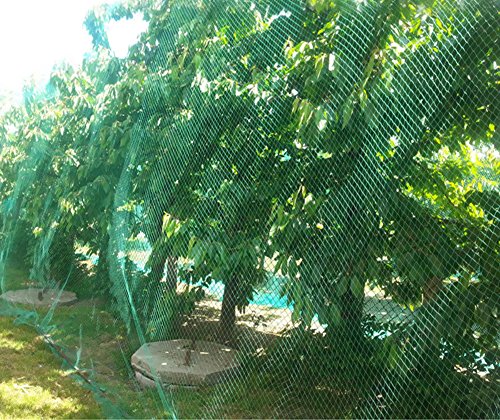
Excellent Material & Quality: Our bird netting is made of strong and durable PE with high stretch, light-weight but not tear easily; It is anti-UV and tough enough to withstand the effects of the sun and bad weather conditions, so you can use the garden netting repeatedly until the end of the season; The size of the poultry netting mesh refers to the measured length straightened from the far left to the far right

COMPLETE PROTECTION KIT - Professional-grade 7ft x 200ft deer netting with 3/4" fine mesh that effectively blocks deer, rabbits, birds, and small pests. Includes 20 metal landscape staples and 50 zip ties for immediate installation - everything you need in one package.
Vulnerable Species
- Apple Trees: Young apple trees attract deer due to their tender leaves and developing fruits.
- Peach Trees: Deer enjoy both ripe peaches and the young shoots of peach plants.
- Cherry Trees: Tender cherry leaves and small fruits are appealing, especially in late spring.
- Pear Trees: Young pear trees are not immune, with deer often nibbling on the foliage and fruits.
- Plum Trees: Deer seek out both foliage and plums, particularly when other food sources dwindle.
- Citrus Trees: Most deer shy away from citrus trees due to their strong scent and taste.
- Pomegranate Trees: The tough leaves of pomegranate trees can deter deer from feeding.
- Fig Trees: Mature fig trees withstand deer pressure better, though younger trees may still be at risk.
- Mulberry Trees: The fibrous nature of mulberry leaves makes them less palatable to deer.
- Olive Trees: Deer generally avoid olive trees, as they tend to prefer more succulent options.
Understanding which fruit trees deer target helps you safeguard your garden. Implementing protective strategies for vulnerable species, while maintaining resilient ones, creates a balanced approach to deer management.
Techniques to Protect Fruit Trees
Protecting your fruit trees from deer involves several effective strategies. These methods focus on barriers, repellents, and other deterrents to keep deer at bay.
Recommended Products

Helps keep you feeling clean and fresh

NATURAL ODOR ELIMINATION - The original Scent-A-Way "green soap" features natural vegetable proteins that effectively combat body odors, ensuring hunters, trappers, anglers, and campers remain undetectable to game animals during outdoor excursions

Outdoor-Inspired Citronella Blend: Powered by citronella, basil, and bergamot essential oils, this bar soap delivers a crisp, refreshing clean made for life outside.
Fencing Solutions
Fencing stands as one of the most reliable methods to safeguard fruit trees.
- Height: Install a fence at least 8 to 10 feet tall. This height prevents deer from jumping over.
- Material: Use sturdy materials like welded wire or chain link for durability. Electric fencing also serves as a strong deterrent.
- Design: Consider adding angled or double fences. For example, a second fence placed about 3 feet inside the first can confuse deer and make it harder to access your trees.
Natural Repellents
Natural repellents can effectively deter deer.
- Smells: Use repellents made from strong scents. Examples include garlic, hot pepper, or herbal mixtures. Spray them directly on the trees or surrounding ground.
- Scented Soaps: Hang bars of soap with a strong fragrance, like Irish Spring, among your fruit trees. The scent can repel deer.
- Scavenger Animals: Introducing scents of predator urine, which can be purchased at garden stores, may deter deer by simulating the presence of threats.
Implement these techniques to better protect your fruit trees from deer effectively.
Impact of Deer on Fruit Tree Health
Deer can significantly impact the health of fruit trees. They often consume leaves, stems, and fruits, affecting growth and production.
Feeding Habits
- Bud and Leaf Consumption: Deer munch on buds and young leaves. This consumption can stunt growth and delay flowering.
- Fruit Damage: When deer eat fruits, they not only reduce harvest but also damage branches. Damaged branches may become entry points for diseases and pests.
Seasonal Influence
- Spring and Summer: Fresh growth attracts deer. You might notice more nibbling during these months, as deer prefer tender new leaves and developing fruits.
- Fall: Deer shift their focus to nuts and berries during this time. However, if food sources are scarce, they’ll still target fruit trees.
Specific Tree Vulnerability
Certain fruit trees are more susceptible to deer damage. Common examples include:
- Apple Trees: Their tender leaves and fruits are highly attractive to deer.
- Peach Trees: Sweet, juicy peaches draw deer in.
- Cherry Trees: The striking blossoms and fruit can entice deer.
- Pear Trees: Deer often seek out the soft leaves and ripe pears.
- Plum Trees: The soft foliage and plums appeal to deer.
Protective Strategies
To mitigate damage, implement these protective measures:
- Fencing: Erect a fence that’s 8-10 feet high. Use materials like welded wire for strength.
- Repellents: Apply natural repellents like garlic and hot pepper. These create an unpleasant taste for deer.
- Visual Deterrents: Hang reflective tape or set up plastic owls in the area. Deer may avoid areas that seem unsafe.
Understanding the impact of deer on the health of your fruit trees helps you take proactive steps. Implementing effective protective strategies can sustain the vitality of your plants while keeping deer at bay.
Conclusion
Protecting your fruit trees from deer doesn’t have to be a daunting task. By understanding their feeding habits and preferences you can take the right steps to safeguard your precious plants. Whether it’s through sturdy fencing or natural repellents there are plenty of effective strategies to keep those hungry deer at bay.
Remember to assess which trees in your garden are most vulnerable and tailor your protection methods accordingly. With a little effort and the right techniques you can enjoy a thriving fruit garden without the worry of deer damage. Happy gardening!
Frequently Asked Questions
What do deer prefer to eat in gardens?
Deer typically prefer young leaves, fruits, and tender shrubs. In spring and summer, they focus on new growth, while in fall, their diet shifts to acorns and nuts. Understanding these preferences can help gardeners protect their plants effectively.
How can I protect my fruit trees from deer?
To protect your fruit trees, consider installing tall fencing (at least 8 to 10 feet high), using deer repellents, and employing visual deterrents like reflective tape or plastic owls. These strategies can help keep deer away from vulnerable trees.
Which fruit trees are most susceptible to deer damage?
Fruit trees particularly susceptible to deer include apple, peach, cherry, pear, and plum trees. Their tender leaves and developing fruits attract deer, making them prime targets for browsing and damage.
Are there any natural deer repellents I can use?
Yes, natural deer repellents include strong-smelling substances such as garlic and hot pepper. You can also hang fragrant soaps or introduce predator urine scents around your garden to deter deer effectively.
What is the impact of deer on fruit tree health?
Deer can significantly harm fruit trees by consuming buds, leaves, and fruits, which can stunt growth and damage branches. This makes the trees more susceptible to diseases and pests, affecting their overall health.
