

Have you noticed your fruit trees looking a bit under the weather with curled leaves? You’re not alone. Many gardeners face this frustrating issue, and it can leave you wondering how to bring your trees back to health. Curly leaf can affect not just the appearance of your trees but also their fruit production.
Key Takeaways
- Understand Curly Leaf Causes: Recognize that curly leaf in fruit trees is often caused by fungal infections, weather conditions, pest infestations, nutrient deficiencies, and improper watering.
- Identify Symptoms Early: Be on the lookout for signs like leaf curling, color changes, premature leaf drop, stunted growth, and irregular fruit shapes.
- Implement Prevention Strategies: Plant disease-resistant varieties and maintain healthy trees through proper pruning to enhance air circulation and reduce humidity.
- Utilize Effective Treatments: Address curly leaf issues with organic solutions like neem oil, fungicidal soap, or companion planting, as well as chemical options like fungicides and insecticides when necessary.
- Maintain Tree Health: Regularly monitor tree health, manage soil nutrients, and ensure proper watering to promote resilience against diseases like curly leaf.
- Timely Interventions Matter: Apply treatments at the right time, especially during the early signs of leaf curl, for improved effectiveness and to prevent the spread of infection.
Understanding Curly Leaf in Fruit Trees
Curly leaf in fruit trees can affect both the tree’s health and its fruit production. Identifying the causes and symptoms promptly helps you take necessary action.
Causes of Curly Leaf
Curly leaf occurs due to several factors, often linked to environmental conditions and pests.
- Fungal Infections: The most common cause. Fungi, particularly the Taphrina species, affect leaves, leading to curling.
- Weather Conditions: Cool, wet springs promote fungal growth. Rapid temperature changes can also stress trees and cause curling.
- Pest Infestation: Aphids and mites can suck sap from leaves, causing deformation.
- Nutrient Deficiencies: Insufficient nitrogen or iron impairs leaf development, leading to curling.
- Improper Watering: Overwatering or underwatering affects root health, impacting leaf growth.
Symptoms to Identify
Recognizing symptoms early enables you to address curly leaf effectively.
- Leaf Curling: Leaves may curl upwards or downwards, losing their usual flat appearance.
- Color Changes: Affected leaves might display yellowing or browning, indicating distress.
- Leaf Drop: Severe cases lead to premature leaf drop, reducing photosynthesis and fruit production.
- Stunted Growth: Trees may show overall reduced vigor and size, affecting yield.
- Discoloration on Fruits: If curling is severe, the fruit may also display irregular shapes or surface spots.
By understanding these causes and symptoms, you’ll be better prepared to handle curly leaf issues in your fruit trees.
Effective Prevention Strategies
Implementing effective prevention strategies can significantly reduce the risk of curly leaf on your fruit trees. Here are key approaches to consider:
Recommended Products

Seal & Protect Tree Wounds: This tree wound sealer helps cover pruning cuts, cracked bark, grafting areas, and exposed wood after trimming, storms, frost cracks, or animal chewing. Ideal for tree wound, tree wound repair, tree wound sealant, tree paint for cut limbs, and tree wound sealer healing paste use.

Control diseases and insects in your garden with Captain Jack’s Fruit Tree Spray Concentrate! Use on a variety of listed fruits, nuts and citrus plants.

All ingredients are registered organic
Choosing Resistant Varieties
Selecting resistant fruit tree varieties serves as a primary defense against curly leaf. Research and choose cultivars known for their resilience to common diseases. For example, certain peach and nectarine varieties demonstrate increased tolerance to fungal infections. When purchasing trees, inquire about their disease-resistant traits from reputable nurseries. Planting these varieties ensures a healthier garden and reduces potential complications over time.
Proper Pruning Techniques
Employing proper pruning techniques maintains tree health and minimizes curly leaf occurrences. Begin by removing any damaged or infected branches in early spring before new growth starts. Utilize clean, sharp pruning tools to prevent introducing pathogens. Aim to create an open canopy by selectively trimming branches; this enhances air circulation and sunlight penetration, reducing humidity and fungal risk. Always dispose of pruned materials away from your garden to limit reinfection chances.
Treatment Options for Curly Leaf
Addressing curly leaf on fruit trees involves a mix of organic solutions and chemical treatments that can restore health and enhance fruit production.
Recommended Products
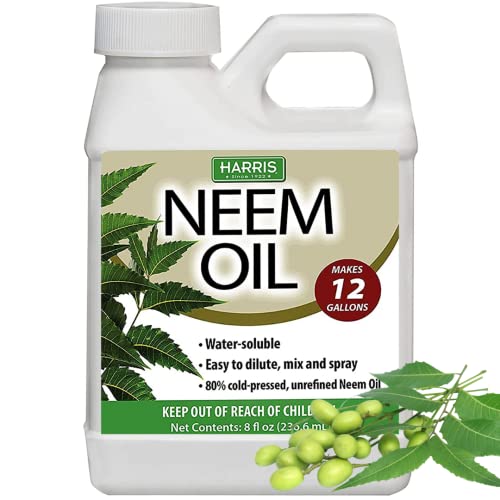
Cold-Pressed Neem Oil is a potent natural solution, ideal for maintaining healthy plants
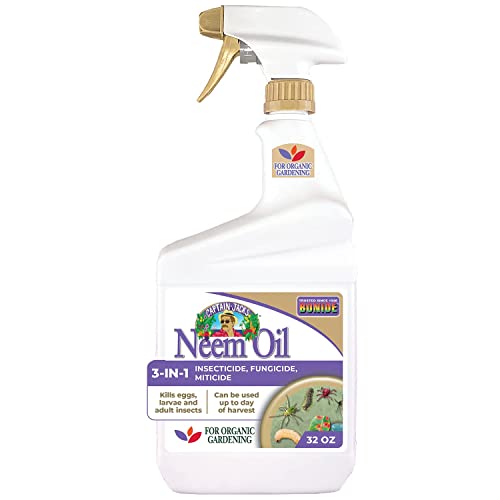
Protect your oasis with 3 garden products in 1 from Captain Jack’s; Bonide Captain Jack’s Ready-to-Use Neem Oil spray for plants is a multi-purpose fungicide, insecticide and miticide for your lawn & garden

FUNGAL DISEASE CONTROL: Prevents and controls black spot on roses, powdery mildew, rust, downy mildew, and other listed fungal diseases when applied on a 7–14 day schedule
Organic Solutions
- Neem Oil: Neem oil acts as a natural pesticide. Mix neem oil with water and apply it directly to affected leaves using a spray bottle. Repeat every two weeks, especially after rainfall.
- Fungicidal Soap: This soap targets fungal infections directly. Ensure you cover all leaf surfaces during application. Reapply every 7 to 14 days until you see improvement.
- Companion Planting: Planting garlic or marigolds near your fruit trees can repel pests naturally. Choose a mix of these plants to create a protective environment.
- Proper Watering: Maintain consistent moisture without waterlogging the roots. A drip irrigation system can help maintain steady soil moisture while avoiding fungal growth.
- Cultural Practices: Regularly remove fallen leaves and debris from around the base of your trees. This reduces fungal habitat and improves airflow, which can minimize moisture and infection.
- Fungicides: Opt for fungicides that contain copper or sulfur. Apply them in early spring before bud break for the best effectiveness. Follow instructions carefully for the frequency and dosage.
- Insecticides: If pest infestations occur, use targeted insecticides to control aphids and mites. Choose products that are effective against the specific pests causing problems without harming beneficial insects.
- Soil Treatments: Treat the soil with systemic pesticides if root pests contribute to your curly leaf issue. These treatments absorb into the plant, providing internal protection.
- Seasonal Sprays: Utilize preventative sprays during the dormant season. Apply a mix of lime sulfur in late winter to reduce future fungal spores before they emerge.
- Timing: Pay attention to timing when applying treatments. Early intervention during the initial leaf curl phase can yield better results and prevent the spread of infection.
Implement these strategies to effectively manage curly leaf issues on your fruit trees and promote healthy growth and fruiting.
Best Practices for Maintaining Tree Health
Maintaining the health of your fruit trees is crucial in preventing issues like curly leaf. Regular attention to their needs helps promote strong growth and resilience against diseases.
Recommended Products

Quick, at home results for Soil pH, Nitrogen, Phosphrous and Potash

Quick, at home results for Soil pH, Nitrogen, Phosphorous and Potash Innovative and inexpensive soil test kit features an easy-to-use capsule system and patented color comparators

KNOW BEFORE YOU GROW | Grow the healthiest, sustainable lawn and garden with the most accurate and easy to use professional soil test kit on the market
Regular Monitoring
Monitor your trees frequently for early signs of curly leaf. Check leaf surfaces for curling, discoloration, and any pests. Inspect the soil for moisture levels—keeping it too wet or too dry can stress the trees. Look for changes in fruit appearance and tree vitality throughout the growing season. Use a notebook or app to track observations consistently, noting any changes in tree health.
Soil and Nutrient Management
Ensure your soil is healthy and nutrient-rich to support tree growth. Conduct a soil test to determine nutrient levels. Fertilize based on the test results, emphasizing balanced fertilizers that contain nitrogen, phosphorus, and potassium. Implement organic matter like compost to improve soil structure and drainage. Mulch around the base of your trees to retain moisture and suppress weeds. This helps maintain even soil temperature and boosts nutrient availability. Monitor soil pH regularly, aiming for a range between 6.0 and 7.0 for optimal nutrient uptake.
Using these practices promotes healthy, thriving fruit trees that are better equipped to resist curly leaf and other issues.
Conclusion
Taking care of your fruit trees means staying proactive about curly leaf issues. By understanding the causes and symptoms you can tackle the problem head-on. Remember to choose resistant varieties and practice good pruning techniques to keep your trees healthy.
Implementing organic solutions and timely chemical treatments can make a big difference. Regular monitoring of your trees will help you catch any issues early on. With a little effort and attention your fruit trees can thrive and produce delicious fruit for you to enjoy. Happy gardening!
Frequently Asked Questions
What causes curly leaves in fruit trees?
Curly leaves in fruit trees can be caused by several factors, including fungal infections (especially from the Taphrina species), adverse weather conditions, pest infestations (like aphids and mites), nutrient deficiencies, and improper watering practices. Identifying the underlying cause is essential for effective management.
How can I identify symptoms of curly leaf?
Symptoms of curly leaf include leaf curling, color changes, premature leaf drop, stunted growth, and discoloration on fruits. Monitoring for these signs early can help address the issue before it worsens.
What are some prevention strategies for curly leaf?
To prevent curly leaf, consider planting resistant fruit tree varieties, such as specific peach and nectarine cultivars. Additionally, practice proper pruning techniques to enhance air circulation and remove any damaged branches, promoting overall tree health.
What organic treatments can help with curly leaf?
Organic treatments include using neem oil as a natural pesticide, applying fungicidal soap to target fungi, and employing companion planting with garlic or marigolds to repel pests. Regular watering and removing fallen leaves can also minimize risks.
When should I apply chemical treatments for curly leaf?
Chemical treatments, such as fungicides containing copper or sulfur, should be applied in early spring, particularly during the initial leaf curl phase. Targeted insecticides can help control pest infestations, while seasonal sprays like lime sulfur can reduce fungal spores.
How can I maintain the health of my fruit trees?
Regularly monitor your trees for signs of curling, discoloration, and pests. Ensure proper soil moisture levels, conduct soil tests, use balanced fertilizers, and add organic matter like compost. Mulching helps retain moisture and keeps weeds at bay, promoting better tree vitality.
