

Are you excited about planting bare root fruit trees but unsure when the right time is? You’re not alone. Many gardeners face the same dilemma, wanting to maximize their harvest while ensuring their trees thrive.
Key Takeaways
- Optimal Planting Time: Plant bare root fruit trees during late winter or early spring when trees are dormant to ensure successful establishment and growth.
- Site Selection: Choose a sunny, well-drained location to prevent root rot and encourage healthy growth.
- Pre-planting Preparation: Soak the roots before planting and dig a hole that’s wider and deeper than the root system to facilitate root expansion.
- Post-planting Care: Water thoroughly after planting and apply mulch around the base to retain moisture and suppress weeds.
- Climate Awareness: Consider your local climate and soil temperatures when deciding the best time to plant, as these factors significantly impact tree growth.
- Variety Research: Different fruit tree varieties have unique requirements; research specific types to determine their ideal planting times and conditions for best results.
Understanding Bare Root Fruit Trees
Bare root fruit trees come without soil around their roots. This method of planting offers several benefits, including cost-effectiveness and ease of transport.
Benefits of Bare Root Trees
- Lower Cost: Bare root trees are often cheaper than potted varieties. You save on shipping and packaging costs, making gardening more accessible.
- Easier to Plant: Without soil, bare root trees weigh less and fit comfortably into planting holes. This simplifies the planting process.
- Better Root Development: Planting bare root trees encourages quicker adaptation to the soil environment. Roots have more space to spread once planted, improving overall growth.
Ideal Planting Time
Plant bare root fruit trees during late winter or early spring when the trees are dormant. This timing gives roots a head start. Planting before new growth begins ensures trees utilize the spring’s energy for establishment rather than foliage development.
Preparation Steps
- Choose the Right Location: Look for a sunny spot with well-drained soil. Good drainage prevents root rot.
- Soak Roots: Soak the roots in water for a few hours before planting. This hydrates the tree and encourages root growth.
- Digging the Hole: Dig a hole that’s wider and deeper than the root system. Aim for at least twice the size of the root ball.
- Planting: Position the tree in the center of the hole. Ensure that the graft union (swelling on the trunk) is above soil level. Backfill with soil, and firm it gently to eliminate air pockets.
- Watering: Water the tree thoroughly after planting. Keep the soil moist but not soggy for at least the first year.
- Mulching: Apply mulch around the base to retain moisture and suppress weeds. Aim for a depth of 2-4 inches, keeping it away from the trunk.
- Monitoring Growth: Check your tree regularly for growth signs. Look for new leaves or branches. This indicates successful establishment.
By considering these factors and following these steps, you can ensure your bare root fruit trees thrive, leading to fruitful harvests in the future.
Best Seasons For Planting
Timing plays a crucial role in the successful establishment of bare root fruit trees. Both spring and fall offer distinct advantages.
Recommended Products

Complete Orchard Starter Bundle: Receive 8 dormant bare root fruit trees with 2 each of Apple,Blueberry, Raspberry, Blackberry. A great way to start or expand a backyard orchard with a variety of delicious fruits.

🍎 GROW YOUR OWN FRESH APPLES Enjoy homegrown fruit right from your backyard. Apple trees produce delicious, crisp apples perfect for fresh eating, baking, and cider.

Let our professionally formulated plant food help your fruit tree grow healthy, strong AND abundantly producing
Spring Planting
Spring is the ideal season for planting bare root fruit trees. During this time, trees remain dormant, which minimizes transplant shock. You’ll find that soil begins to warm, encouraging root growth. Aim to plant in early spring, typically between March and April, depending on your climate.
- Monitor the Weather: Ensure the threat of frost has passed.
- Prepare the Site: Select a sunny location with well-drained soil.
- Planting Process: Soak the roots in water for a few hours before planting. Dig a hole twice the width of the root system, place the tree, and backfill.
- Water and Mulch: Water thoroughly after planting and add mulch to retain moisture.
Fall Planting
Fall offers another great opportunity for planting. This season allows trees to establish roots before the winter chill sets in. Ideal planting occurs between September and November.
- Winter Preparation: Trees begin to acclimate before dormancy.
- Soil Temperature: As soil remains warm, roots can grow until temperatures drop.
- Site Conditions: Ensure to choose a well-drained location and avoid planting too late to prevent frost damage.
- Installation Guidelines: Similar to spring, soak the roots and dig a proper hole. Water generously post-planting and add mulch to protect roots.
Both spring and fall provide favorable conditions for planting bare root fruit trees. Select the season that aligns best with your local climate and your gardening schedule.
Factors Influencing Planting Time
Numerous factors influence the best time to plant bare root fruit trees, impacting their growth and overall success.
Recommended Products
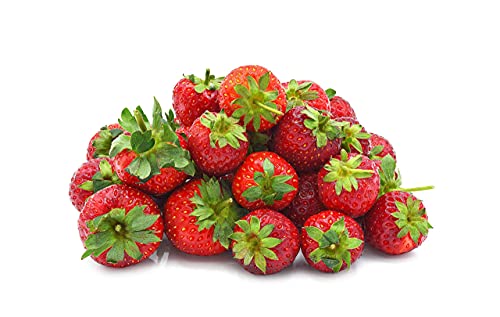
SEASCAPE STRAWBERRIES: Most productive variety that yields large, juicy, firm berries with excellent flavor throughout the harvest season


🍎 3 Live Apple Tree Saplings: Receive three healthy young apple tree saplings ready to plant and grow in your garden, backyard orchard, or container. Plants ship dormant (not leaves or fruit) in spring.
Climate Considerations
Temperature and weather patterns affect planting schedules significantly. You should consider your local climate when deciding on the planting time. Areas with mild winters allow for earlier planting, typically in late winter, while regions with harsh winters may require you to wait until early spring. Monitor soil temperatures; ideally, they should be around 40°F to 50°F (4°C to 10°C) for optimal root growth.
Tree Variety Differences
Different fruit tree varieties have unique needs. For instance, some trees like apple and pear adapt well to various climates, while others, such as peach or cherry, thrive in warmer conditions. Research specific varieties before planting to determine their ideal planting times. Be aware that certain varieties may require a chilling period, so understanding these requirements helps ensure successful establishment and fruitful harvests.
Preparing For Planting
Preparing for planting bare root fruit trees involves several essential steps that ensure your trees thrive in their new environment. Follow these guidelines for a successful planting experience.
Recommended Products

🌱 4 Unique Fruit Bonsai Varieties: Includes 40 total seeds: 10 Papaya, 10 Peach, 10 Cherry, and 10 Banana seeds. A fun and unique collection for growing miniature fruit trees and experimenting with bonsai growing techniques.
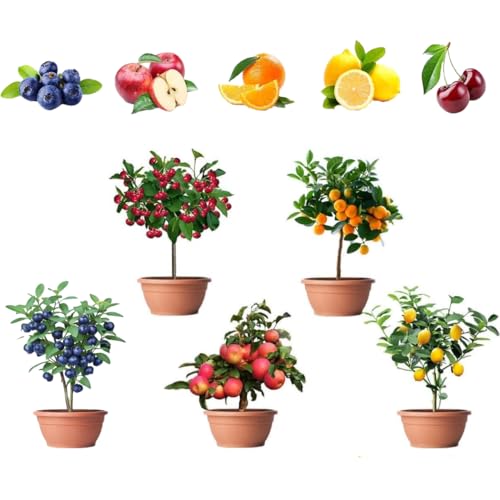
Variety Pack of 5 Fruits: Includes 40 Lemon seeds, 40 Orange seeds, 40 Apple seeds, 20 Cherry seeds, and 20 Blueberry seeds for a colorful and diverse home garden

4 Seedlings and 5 Strawberry Rootstocks: Get One seedling of Raspberry, Blueberry, Grape, Blackberry and 5 Strawberry Rootstocks. If you want more fruit trees just buy more kits.
Site Selection
Select a sunny location that receives at least six hours of sunlight daily. Choose sites with good air circulation to reduce disease risks. Avoid low spots where cold air collects, as these areas can lead to frost damage. Consider the proximity of other trees or structures that may cast shade.
For instance, plant apple trees at least 15 feet away from other trees to minimize competition for sunlight. Additionally, ensure the site has well-drained soil to prevent root rot. Test the drainage by digging a hole and filling it with water. If the water drains within a few hours, the site is suitable.
Soil Preparation
Prepare the soil to promote healthy root development. Start by clearing the area of weeds, grass, and debris. This minimizes competition for nutrients and moisture. Loosen the soil in the planting area using a shovel or garden fork. Aim for a depth of about 12 inches to improve aeration and drainage.
Incorporate organic matter, such as compost, to enhance soil structure and nutrient content. Mix in the compost at a 50:50 ratio with the existing soil. This creates a fertile environment for roots to grow. Before planting, water the area thoroughly to ensure the soil is moist but not soggy. Aim for a consistent moisture level to support root establishment for your bare root fruit trees.
Conclusion
Choosing the right time to plant your bare root fruit trees can make all the difference in your gardening success. By planting during late winter or early spring when the trees are dormant you give them the best chance to establish strong roots.
Remember to consider your local climate and the specific needs of the tree varieties you choose. With the right preparation and care your trees will thrive and reward you with bountiful harvests for years to come. Happy planting and enjoy the fruits of your labor!
Frequently Asked Questions
When is the best time to plant bare root fruit trees?
The ideal time to plant bare root fruit trees is during late winter or early spring when the trees are dormant. This allows the roots to establish before new growth begins, maximizing their chances of thriving and producing healthy harvests.
What are the benefits of bare root fruit trees?
Bare root fruit trees are more cost-effective, easier to plant, and promote better root development. Since they come without soil around their roots, they can establish themselves more effectively in their new environment.
How should I prepare the soil for planting?
To prepare the soil, clear away weeds and debris, loosen the dirt, and mix in organic matter like compost. This improves soil structure and offers essential nutrients to help your bare root fruit trees thrive.
Do I need to water bare root fruit trees after planting?
Yes, watering is crucial after planting. Ensure the soil remains consistently moist to support root establishment, which helps the trees adapt and grow strong in their new environment.
Can I plant bare root fruit trees in the fall?
Yes, fall can be a good time to plant bare root fruit trees, as it allows them to establish roots before winter. However, local climate conditions should be considered to ensure successful planting.
Are there specific conditions for planting bare root fruit trees?
Choose a sunny location with well-drained soil and sufficient air circulation. Avoid low spots that are prone to frost damage, and ensure there is adequate spacing between trees to reduce competition for sunlight.
How does climate affect the timing for planting?
Local climate and weather patterns impact planting schedules significantly. Milder winters allow for earlier planting, while colder areas may require waiting until late winter or spring to ensure the best conditions for growth.
What should I consider regarding tree variety when planting?
Different fruit tree varieties have unique needs, including their chilling hours and growing conditions. Understanding these requirements is essential for successful establishment and maximizing fruit yield in the future.
