

Have you ever wondered why your fruit trees aren’t thriving like you hoped? You’re not alone. Many gardeners struggle with figuring out the right amount of water for their trees, and it can be frustrating to see them underperform.
Understanding how often to water your fruit trees is crucial for their health and productivity. This article will guide you through the essentials of watering, helping you avoid overwatering or underwatering. With the right approach, you’ll set your trees up for a bountiful harvest and enjoy the satisfaction of a flourishing garden.
Key Takeaways
- Watering Frequency Matters: Young fruit trees need more frequent watering, while mature trees require less, with frequency influenced by soil type and species.
- Best Practices: Water deeply (12-18 inches), use soaker hoses or drip irrigation, and check soil moisture regularly to maintain healthy trees.
- Seasonal Adjustments: Increase watering in spring and summer, decrease in fall, and ensure mild winter watering for root health while avoiding overwatering.
- Symptoms of Watering Issues: Yellowing leaves and wilting can signal overwatering; crispy leaves and stunted growth indicate underwatering.
- Avoid Common Mistakes: Regularly check soil moisture levels and promote deep root health by avoiding shallow watering practices.
Understanding Fruit Tree Watering Needs
Knowing how often to water fruit trees helps grow healthy plants and achieve a bountiful harvest. Several factors influence watering frequency, so understanding these elements matters for successful fruit tree care.
Recommended Products

Accurate Soil Moisture Detection: The XLUX Soil Moisture Meter can tell you if the soil deep inside your pot or garden is dry, moist or wet; whereas your eyes and fingers can only determine the moisture level of the soil surface. The probe is 5.5 inches (14 cm) longer than regular styles, allowing it to measure the soil moisture at the bottom of larger and deeper flower pots.

Compact & Portable: Have you been sticking your finger in the soil hoping to feel when it's time to water? Why not eliminate the guesswork and keep your hands clean when you use the Dr.meter Plant Moisture Meter! Know the right time to water your garden, farm, lawn and potted plants, anytime

【4 in 1 function】This is a 4-in-1 multifunctional soil tester.Our soil tester fastly to measure soil moisture, pH, temperature and sunlight to help you take better care of flowers and plants.You can know when you need to water your soil by measuring moisture and pH & Temperature value of the soil and sunlight level of plants with it.
Factors Influencing Watering Frequency
- Soil Type: Sandy soils drain water quickly, requiring more frequent watering. Clay soils retain moisture longer and need less frequent irrigation.
- Weather Conditions: Hot, dry weather increases evaporation and plant transpiration, leading to greater watering needs. Conversely, cool or rainy weather reduces those requirements.
- Tree Age: Young trees often need more frequent watering to establish roots. Mature trees usually thrive with less frequent watering as their root systems are well-developed.
- Tree Species: Different fruit tree species have varying moisture requirements. For example, apple trees prefer moist but well-drained soil, while figs tolerate drier conditions.
| Fruit Tree Type | Watering Frequency | Notes |
|---|---|---|
| Apple | Every 1-2 weeks | Water deeply during dry spells. |
| Peach | Once a week | Water more during fruiting stage. |
| Citrus | Every 5-7 days | Requires well-draining soil. |
| Cherry | Every 1-2 weeks | Water less in cooler months. |
| Plum | Every 1-2 weeks | Deep watering promotes root growth. |
Understanding these requirements helps you tailor watering practices, ensuring your fruit trees thrive throughout all seasons. Monitor soil moisture and adjust your routine accordingly.
Best Practices for Watering Fruit Trees
Watering fruit trees properly leads to healthier growth and better yields. Use these best practices to ensure your trees get the right amount of moisture.
Recommended Products
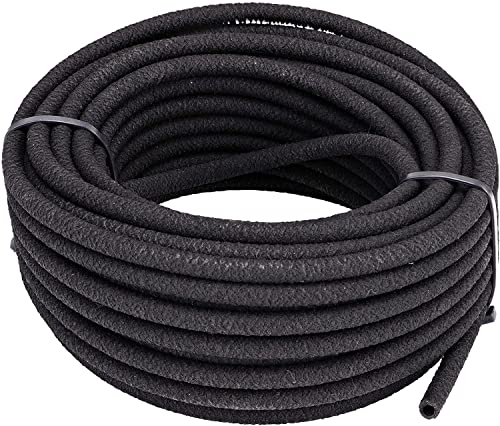
Slowly waters the soil around your plants for complete root zone hydration; Ideal for short runs on flat surfaces, such as vegetable gardens, borders, and around small plants

【Even & Consistent Root Watering】Features micro-pore seepage technology that distributes water evenly along the entire hose, transforming spot watering into uniform line watering directly to plant roots. Unlike traditional drip irrigation systems with clog-prone emitters, this soaker hose creates a continuous moisture band for healthier, deeper-rooted plants

Compact length for targeted watering around tree trunks and shrubs. Easy to wrap without excess hose, preventing tangling. Perfect for single trees, small shrub beds, or potted plants.
Proper Techniques for Watering
- Water Deeply: Aim for 12-18 inches deep when watering. This encourages roots to grow deeper and strengthens the tree.
- Use a Soaker Hose or Drip Irrigation: These methods deliver water directly to the root zone and minimize evaporation, making them efficient choices.
- Water Early or Late: Morning or late afternoon is best for watering. This timing reduces evaporation and helps water penetrate the soil better.
- Check Soil Moisture: Stick your finger or a moisture meter into the soil. If the top few inches feel dry, it’s time to water.
- Avoid Wetting Foliage: Focus on the base of the tree to prevent leaf diseases. Watering at ground level keeps leaves dry and healthy.
- Symptoms of Overwatering:
- Yellowing Leaves: Excess moisture can cause leaves to turn yellow, indicating stress.
- Wilting Despite Wet Soil: If leaves wilt but the soil feels wet, this could signal root rot.
- Fungal Growth: Puddles or mold in the soil suggest too much water.
- Symptoms of Underwatering:
- Crispy or Browning Leaves: Lack of moisture often causes leaves to dry out.
- Stunted Growth: If your tree isn’t growing as expected, it may not get enough water.
- Dropping Fruit: Trees might drop immature fruit due to stress from insufficient watering.
By following these guidelines, you promote a healthy fruit tree that thrives and produces a bountiful harvest.
Seasonal Considerations for Watering
Understanding seasonal changes helps you manage your fruit tree watering effectively. Different seasons bring varying moisture needs based on temperature and growth stages.
Recommended Products

Set Includes: our tree water irrigation ring package with 2 pieces of tree watering rings, 2 plastic valves, and 1 Y hose splitter, providing ample quantity for your garden watering needs. You can also share these flower tree water sprinkler ring with fellow gardening enthusiasts

Lightweight water hose is made of 100% recycled vinyl, clog resistant fabric cover for consistent soaking in the garden or around foundations

1/2" Water-Saving & Durable Construction with Upgraded Formula: Our enhanced soaker hose blend delivers ultra-consistent water seepage while maximizing water savings, plus improved tensile strength, durability, and flexibility. It’s easy to handle, resistant to kinks, and built to stand up to long-term use in lawns, yards, landscaping, and tree watering applications.
Watering in Different Seasons
- Spring: As fruit trees begin to grow, they require increased moisture. Water young trees weekly until established, and mature trees every two weeks. Monitor soil moisture closely.
- Summer: Higher temperatures lead to greater evaporation. Water deeply once a week, focusing on tree roots. Use mulch to retain soil moisture and reduce evaporation.
- Fall: Trees prepare for dormancy. Gradually decrease watering frequency. Allow trees to store moisture for winter, watering every two to three weeks depending on rainfall.
- Winter: In regions with mild winters, continue watering sparingly if there’s no snow or rain. Water is crucial for root health even in dormancy. Avoid overwatering to prevent root rot.
- Rainy Conditions: Skip watering during heavy rains. Assess soil moisture to avoid overwatering. If puddles form, trees may be getting enough moisture.
- Hot, Dry Weather: Increase watering frequency during heat waves. Monitor trees daily, ensuring they receive water to prevent stress. Consider using soaker hoses or drip irrigation.
- Humidity Levels: In high humidity, reduce watering frequency. Excess moisture negatively affects root health. Check soil moisture before watering to achieve the right balance.
- Windy Conditions: Wind can increase evaporation rates, requiring more frequent watering. Keep an eye on moisture levels and adjust your watering schedule accordingly.
By adapting your watering practices according to seasonal changes and weather conditions, you support the health and productivity of your fruit trees effectively.
Common Mistakes to Avoid
Understanding how to properly care for your fruit trees involves avoiding a few common watering mistakes. Here are key areas to pay attention to.
Ignoring Soil Moisture Levels
Ignoring soil moisture levels can lead to serious issues for your fruit trees. Always check the moisture content before watering. Insert your finger about two inches into the soil. If it feels dry, it’s time to water. In clay soils, moisture can remain longer, while sandy soils may dry out more quickly. Adjust your watering schedule based on these checks to prevent both overwatering and underwatering.
Overlooking Root Health
Overlooking root health proves detrimental to your trees. Roots serve as the foundation for nutrient uptake and stability. Ensure proper watering techniques that promote deep root growth. Instead of frequent shallow watering, aim for less frequent but deep watering sessions. This encourages roots to grow deeper into the soil, improving resilience to drought conditions. If your trees appear stunted or unhealthy, examine their roots. Compacted, soggy, or damaged roots indicate issues that need immediate attention.
Conclusion
Taking care of your fruit trees means paying attention to their watering needs. By understanding the specific requirements for your trees based on their age and the soil type you have, you can help them thrive. Remember to adjust your watering schedule with the seasons and weather conditions to keep your trees healthy.
Don’t forget to check the soil moisture before you water. This simple step can make a big difference in avoiding common mistakes. With the right approach to watering, you’ll set your fruit trees up for a fruitful harvest and enjoy the rewards of your gardening efforts. Happy gardening!
Frequently Asked Questions
What are the common challenges faced when watering fruit trees?
Many gardeners struggle with overwatering and underwatering fruit trees. It’s essential to understand each tree’s specific water needs, influenced by soil type, weather, tree age, and species.
How often should I water young fruit trees?
Young fruit trees require more frequent watering to establish their roots. Generally, weekly watering is recommended, especially during their first growing season.
What symptoms indicate overwatering in fruit trees?
Symptoms of overwatering include yellowing leaves, wilting despite wet soil, and fungal growth. Recognizing these signs can help you adjust your watering practices promptly.
How can I tell if my fruit tree is underwatered?
Underwatered fruit trees show symptoms like crispy or browning leaves, stunted growth, and dropping fruit. Regularly monitoring soil moisture can help prevent these issues.
What’s the best time of day to water fruit trees?
The best times to water fruit trees are early morning or late afternoon. This timing helps reduce evaporation and ensures the water reaches the roots effectively.
How does soil type affect watering frequency?
Soil type significantly impacts watering needs. Sandy soils drain quickly, requiring more frequent watering, while clay soils retain moisture longer, needing less frequent irrigation.
How should I adjust watering during different seasons?
In spring, young trees need weekly watering; mature trees every two weeks. In summer, deep watering once a week is best. Reduce watering in fall, and water sparingly in winter.
What watering method is recommended for fruit trees?
Using soaker hoses or drip irrigation is advisable for efficient watering. These methods deliver water directly to the roots, minimizing evaporation and ensuring more effective moisture absorption.
