

Have you ever watched in frustration as squirrels raid your fruit trees, munching on your hard-earned harvest? You’re not alone. Many gardeners face this pesky problem, and it can feel like a losing battle.
Key Takeaways
- Understanding squirrels’ behavior and seasonal patterns is essential for effective deterrence, with increased activity noted during spring and summer when food is abundant.
- Implementing physical barriers such as tree guards, netting, and fencing can effectively prevent squirrels from accessing fruit trees.
- Utilizing chemical repellents like cayenne pepper spray, commercial solutions, and vinegar can provide an extra layer of protection against squirrel raids.
- Natural methods, including companion planting with scents like peppermint and garlic, along with homemade repellent recipes, are eco-friendly solutions to deter squirrels.
- Technology, such as motion-activated sprinklers and ultrasonic repellent devices, can effectively keep squirrels at bay while promoting a healthier garden environment.
Understanding Squirrels’ Behavior
Understanding squirrels’ behavior helps you implement effective strategies to deter them from your fruit trees. Their patterns and habits significantly impact the success of your gardening efforts.
Importance of Food Sources
Food sources attract squirrels to your garden. Fruit trees serve as a rich food supply, providing nourishment during key growth stages. You might notice increased activity in late summer and early fall when fruits ripen. Squirrels often harvest fruit as soon as it becomes accessible. Protecting your trees during these peak times is crucial.
Seasonal Patterns in Squirrel Activity
Squirrel activity fluctuates with the seasons. Understanding these patterns can help you anticipate their behavior:
- Spring: Squirrels look for nesting materials and food sources after winter. They often visit trees for buds and emerging fruits.
- Summer: As fruit ripens, squirrels become more active. They often scavenge and can damage the fruit.
- Fall: Squirrels gather food for winter. They may raid trees to store fruit for later consumption.
- Winter: Food scarcity forces squirrels to search harder. They typically find less food in gardens, but if fruit remains, they may persist in raiding.
By recognizing these seasonal patterns, you can better time your protective measures.
Effective Deterrents for Squirrels
You can use several methods to deter squirrels from your fruit trees. These strategies include physical barriers and chemical repellents, both effective in keeping unwanted visitors away.
Recommended Products
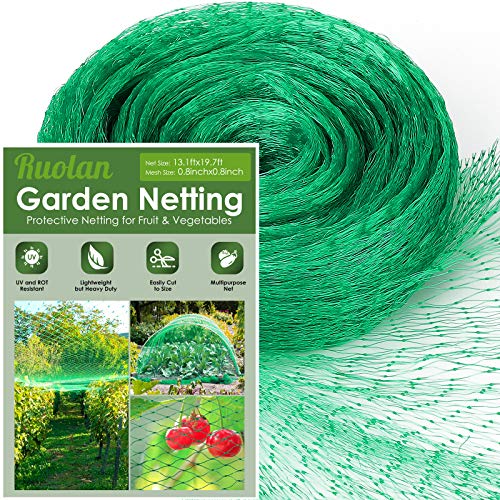
【Perfect size】(Garden Netting size 13ftX20ft, Mesh Size 0.8inchX0.8inch), Protect fruit tree plant blueberry strawberry from animals

Effective Pest Protection: Designed with a dense fine mesh and tight weave, keeps insects, birds, and small animals away from your fruits and vegetables, prevents them eating and damaging your fruit
Physical Barriers
Physical barriers create a solid defense against squirrels. Here are some options:
- Tree Guards: Use metal or plastic tree guards to shield the lower trunk. Ensure the guard extends a few feet up and around the tree. Squirrels struggle to climb over slippery surfaces.
- Netting: Install bird or mesh netting around the tree canopy. This prevents squirrels from accessing the fruit directly. Ensure the netting is secured to the ground to block entry points.
- Fencing: Build a fence around the tree or garden area. Use solid wood or metal fencing at least four feet tall. Bury sections of the fence a foot underground to stop tunneling.
- Sticky Traps: Apply sticky traps in strategic locations around the trees. These traps capture squirrels without harming them, making it easy to relocate them.
Chemical Repellents
Chemical repellents provide an additional layer of protection. Consider these options:
- Cayenne Pepper Spray: Mix water with cayenne pepper or hot sauce. Spray the mixture on the fruits and surrounding foliage. The strong scent deters squirrels without harming the plants.
- Commercial Repellents: Purchase squirrel repellents from gardening stores. Look for products containing predator scents or strong odors. These create an environment squirrels prefer to avoid.
- Vinegar Solution: Mix equal parts vinegar and water. Apply it around the base of the tree and onto the fruit. The smell may dissuade squirrels from getting too close.
- Essential Oils: Use oils like peppermint or citrus. Mix with water and spray on leaves and branches. The scent is unpleasant for squirrels and helps keep them at bay.
Natural Methods to Repel Squirrels
Natural methods offer effective ways to deter squirrels from your fruit trees without harmful chemicals. Implementing these strategies can enhance your garden environment while protecting your harvest.
Recommended Products

Keep Squirrels & Chipmunks from Digging, Chewing, & Nesting: Shake vigorously for 30 seconds before each use to prevent clogging. Reapply after heavy rain for continued effectiveness. Do not apply to plants, as burning may occur. This squirrel repellent spray protects gardens, bird feeders, attics, garages, and vehicles from destructive small animals by creating a sensory barrier through smell, taste, and touch that they instinctively avoid.

Fast Acting, Easy to Use, and Dries Clear: Keep Squirrels Out of Your Garden! Works as a repellent and training tool for Chipmunks & Squirrels. Squirrel Mace works as a flower bulb protection spray. Powerful, with a high percentage of active Ingredients. Lasting protection, with weather-resistant sticking agents. Keep squirrel & chipmunks from destroying trees, planters and bird feeders/safe to use around children & plants.

Keep Squirrels & Chipmunks from Digging, Chewing, & Nesting: Protect gardens, bird feeders, attics, garages, and vehicles from destructive small animals. This squirrel repellent spray creates a sensory barrier through smell, taste, and touch that squirrels and chipmunks instinctively avoid. Do not apply to plants, as burning may occur. Apply to surrounding areas only.
Companion Planting
Companion planting involves growing certain plants near your fruit trees to repel squirrels. Some effective options include:
- Peppermint: The strong scent can deter squirrels and other pests.
- Lavender: Its fragrance is unpleasant to squirrels, providing a natural deterrent.
- Garlic: Planting garlic or using garlic spray can create an unappealing odor for squirrels.
Choose these plants to create a protective barrier and enjoy the additional benefits they bring to your garden.
Homemade Repellent Recipes
Creating homemade repellents is simple and cost-effective. Here are some effective recipes:
- Cayenne Pepper Spray: Mix 2 tablespoons of cayenne pepper with 1 quart of water and a few drops of dish soap. Spray this solution on your fruit trees. The spicy scent will keep squirrels away.
- Vinegar Solution: Blend equal parts of vinegar and water in a spray bottle. Spray it around the base of the trees and on the fruits. The strong odor helps deter squirrels.
- Essential Oil Spray: Combine 10-15 drops of essential oils like peppermint or eucalyptus with water in a spray bottle. Apply the mixture directly to the trees. The potent scent repels squirrels effectively.
Regularly reapply these homemade solutions, especially after rain, to maintain their effectiveness. These natural deterrents provide simple, eco-friendly ways to protect your fruit trees from squirrel damage.
Using Technology to Your Advantage
Technology offers effective solutions for deterring squirrels from your fruit trees. Utilizing motion-activated devices and ultrasonic repellents can significantly reduce squirrel activity without harming them.
Recommended Products

MOTION DETECTION: Detecting animal heat and movement within 60 feet, as the advanced infrared sensor instantly triggers a startling water spray to effectively repel squirrels, cats, deer, raccoons, and other nuisance pests from your yard

Protect Your Yard from Unwanted Animals- The Hoont Cobra Animal Repeller will not disappoint, with it's solar-powered motion detection and powerful water- blasting, your yard is sure to stay safe.

Motion Activated Sprinkler: Experience the innovative motion activated sprinkler that combines a sudden water spray and flashing lights to deter unwanted animals. This powerful deterrent is designed to teach deer, cats, raccoons, and other pests to stay away from your yard and garden.
Motion-Activated Sprinklers
Motion-activated sprinklers provide a surprising deterrent for squirrels. These devices detect movement and release a burst of water. The sudden spray startles the squirrels, encouraging them to stay away. When installing these sprinklers, position them around the tree’s perimeter to cover maximum ground. Many models offer adjustable sensitivity settings, allowing you to customize how easily they activate. Regularly check the batteries, if applicable, to ensure they’re always operational.
Ultrasonic Repellent Devices
Ultrasonic repellent devices emit high-frequency sounds that are unpleasant for squirrels but inaudible to humans. They work continuously, creating a sonic barrier around your fruit trees. When choosing a device, select one designed specifically for outdoor use to withstand the elements. Place the device at least 25 feet from your fruit trees for optimal effectiveness. Some devices even come with timers, allowing you to set them during peak squirrel activity hours. Regularly test the devices to ensure they’re functioning properly, as battery life can vary based on usage.
Incorporating these technological solutions into your squirrel-repelling strategy enhances your garden’s protection and promotes a fruitful harvest.
Conclusion
By understanding squirrel behavior and employing a mix of strategies you can effectively protect your fruit trees. Whether you choose physical barriers chemical repellents or natural deterrents there are plenty of options available. Don’t forget to consider technology as well; motion-activated devices can add an extra layer of defense.
Experiment with different methods to see what works best for your garden. With a little effort and creativity you can enjoy a bountiful harvest without sharing it with those pesky squirrels. Happy gardening and may your fruit trees thrive!
Frequently Asked Questions
Why are squirrels attracted to my fruit trees?
Squirrels are drawn to fruit trees because they provide a rich food source, especially during late summer and early fall when fruits ripen. Their natural behavior includes foraging for food, making your garden an attractive target.
How can I prevent squirrels from eating my fruits?
To deter squirrels, consider using physical barriers like tree guards or fencing. Chemical repellents such as cayenne pepper spray and vinegar solutions can also keep them away. Companion planting with strong-scented herbs may help as well.
What are some natural methods to repel squirrels?
Natural methods include planting peppermint, lavender, or garlic nearby, as their strong scents can deter squirrels. Homemade repellents like cayenne pepper spray, vinegar solution, and essential oil spray can be effective too.
Do I need to reapply repellents regularly?
Yes, it is essential to regularly reapply repellents, especially after rain, to maintain their effectiveness. Consistency is key to keeping squirrels away from your fruit trees.
Can technology help in deterring squirrels?
Absolutely! Motion-activated devices, like sprinklers that spray water, and ultrasonic repellents emit high-frequency sounds that are unpleasant for squirrels but inaudible to humans. Proper placement of these devices enhances their effectiveness.
When are squirrels most active regarding fruit trees?
Squirrels are particularly active in spring for nesting, summer when fruits ripen, and fall when they gather food for winter. Recognizing these patterns helps gardeners time their protective measures effectively.
