
Close Menu
    Fruit Tree Hub
    • Home
    • Apple Trees
    • Lemon Trees
    • Mango Trees
    • Orange Trees
    • More Trees
      • Best Fruit Trees
      • Apricot Trees
      • Cherry Trees
      • Fig Trees
      • Lime Trees
      • Mulberry Trees
      • Peach Trees
      • Pear Trees
      • Plum Trees
      • Pomegranate Trees
    • Tips and Advice
      • Tools
    • About Us
      • Contact
      • Privacy Policy
    Fruit Tree Hub
    Home»Tips and Advice»What Fruit Trees Can Be Grafted Together for a Bountiful and Diverse Harvest
    Tips and Advice

    What Fruit Trees Can Be Grafted Together for a Bountiful and Diverse Harvest

    Martha JacksonBy Martha JacksonJanuary 11, 20258 Mins Read
    Share Facebook Twitter Pinterest WhatsApp Email
    Share
    Facebook Twitter LinkedIn Pinterest Telegram Email

    Have you ever wondered if you could grow multiple types of fruit on a single tree? Grafting might just be the answer you’re looking for. It’s a fascinating technique that allows you to combine different varieties, maximizing your garden space and enjoying a wider range of flavors.

    Contents show
    1 Key Takeaways
    2 Understanding Grafting
    2.1 Types of Grafting
    2.2 Compatible Fruit Trees
    2.3 Benefits of Grafting
    3 Common Grafting Techniques
    3.1 Approach Grafting
    3.2 Cleft Grafting
    4 Compatible Fruit Trees
    4.1 Stone Fruits
    4.2 Pome Fruits
    4.3 Citrus Varieties
    5 Factors Affecting Graft Success
    5.1 Rootstock Selection
    5.2 Timing and Season
    6 Conclusion
    7 Frequently Asked Questions
    7.1 What is grafting in horticulture?
    7.2 What are the benefits of grafting?
    7.3 What are common grafting techniques?
    7.4 Which fruit trees are compatible for grafting?
    7.5 When is the best time to graft fruit trees?
    7.6 How do I ensure successful grafting?

    Key Takeaways

    • Grafting is a horticultural technique that allows different fruit types to grow on a single tree, enhancing both space and variety.
    • Common grafting methods include cleft grafting, whip and tongue grafting, and budding, with each technique offering unique advantages for compatibility.
    • Compatible fruit trees for grafting include apples, pears, and citrus varieties, allowing for a diverse range of fruits from one tree.
    • Key factors affecting graft success include selecting healthy rootstock, timing the graft during the dormant season, and maintaining moisture at the graft site.
    • Understanding graft compatibility and successful techniques can lead to a fruitful garden with multiple flavors and effective use of space.

    Understanding Grafting

    Grafting is a horticultural technique where tissues from one plant combine with those of another. This method allows you to grow various fruit types on a single tree, improving both space and variety.

    Recommended Products

    Shupakul Tree Grafting Wax Set, Tree Wound Pruning Sealer with Sealing Tape, Grafting Wax for Roses Fruit Bonsai Shrubs Plant Healing
    Shupakul Tree Grafting Wax Set, Tree Wound Pruning Sealer with Sealing Tape, Grafting Wax for Roses Fruit Bonsai Shrubs Plant Healing

    Complete Grafting Kit:You will receive 1 grafting wax kit containing 7-ounce can of grafting wax, 4 pieces of 3.8 inches stirring rods, and 1 roll of 656 feet grafting tape. The wax is sealed in an aluminum can for moisture resistance and durability, making the kit ideal for all types of horticultural grafting.

    MUST READ
    How to Grow a Dragon Fruit Tree from Seed: Simple Steps for Thriving Plants and Delicious Fruit
    VIEW LATEST PRICE

    As an affiliate, we earn on qualifying purchases.

    FRUIT TREE GRAFTING FOR BEGINNERS: The Beginners Guide on Grafting Fruit Trees at Home from Scratch Including Where to Buy Rootstock for Grafting Fruit Trees
    FRUIT TREE GRAFTING FOR BEGINNERS: The Beginners Guide on Grafting Fruit Trees at Home from Scratch Including Where to Buy Rootstock for Grafting Fruit Trees
    VIEW LATEST PRICE

    As an affiliate, we earn on qualifying purchases.

    Fruit Tree Grafting Tool Set - Tree Grafting Kit with V-Graft, Omega and T-Graft Blades for Branches Up to 0.5” Diameter with Illustrated Instructional Booklet - Gardening Tools by Kings County Tools
    Fruit Tree Grafting Tool Set - Tree Grafting Kit with V-Graft, Omega and T-Graft Blades for Branches Up to 0.5” Diameter with Illustrated Instructional Booklet - Gardening Tools by Kings County Tools

    TREE GRAFTING TOOL - Efficiently prepare scion shoots and understock for grafting with our handy garden tool. This standard manual grafting tool can be used to cut stock up to 1/2” in diameter and comes with an excellent illustrated instruction manual.

    VIEW LATEST PRICE

    As an affiliate, we earn on qualifying purchases.

    Types of Grafting

    1. Cleft Grafting
      Cleft grafting involves cutting a rootstock and making a vertical incision. You insert a scion, which is a small branch or bud from another tree. This method’s handy for combining varieties of the same species.
    2. Whip and Tongue Grafting
      Whip and tongue grafting creates interlocked cuts on both the rootstock and scion. This method promotes better cambium contact, increasing the chances of a successful graft.
    3. Budding
      Budding involves inserting a single bud into the rootstock. This technique often proves effective in producing numerous fruit varieties in limited space.

    Compatible Fruit Trees

    Certain fruit trees are compatible for grafting. Here are some examples:

    • Apple (Malus domestica): You can graft different apple varieties together.
    • Pear (Pyrus): Different pear varieties can also flourish on one tree.
    • Citrus Trees: Trees like oranges, lemons, and limes can be grafted onto the same rootstock.

    Benefits of Grafting

    • Maximize Space: You can grow multiple types of fruit within a small area.
    • Disease Resistance: Grafting onto disease-resistant rootstocks promotes healthier plants.
    • Enhanced Flavors: Combining different varieties can lead to unique and improved flavors.
    • Choose Healthy Plants: Select vigorous, disease-free specimens for both scion and rootstock.
    • Timing Matters: Graft during the plant’s dormant season for better success rates.
    • Maintain Moisture: Keep grafted areas moist to encourage healing and growth.
    MUST READ
    Do All Apple Trees Bear Fruit: Key Factors Influencing Their Production and Growth

    Understanding grafting opens new possibilities in fruit tree cultivation, letting you enjoy a variety of fruits from single trees.

    Common Grafting Techniques

    Grafting techniques are essential for combining different fruit varieties on a single tree. You can choose from various methods depending on the trees you’re working with and your goal for grafting. Here are some common techniques:

    Recommended Products

    Oligei Grafting Tape 3P, Stretchable Self Adhesive Tree Grafting Tape, Tree Repair Tape for Fruit Trees, Plants, Broken Stem, Floral (Green and White)
    Oligei Grafting Tape 3P, Stretchable Self Adhesive Tree Grafting Tape, Tree Repair Tape for Fruit Trees, Plants, Broken Stem, Floral (Green and White)

    Product Details: You will receive 3 grafting tapes, 1 roll of green and 2 rolls of white tape, each 3 cm (1-1/5 inches) wide and 120 m (394 feet) long

    VIEW LATEST PRICE

    As an affiliate, we earn on qualifying purchases.

    Liaogo Grafting Tape Grafting Film for Plants, 2 Pack Stretchable Garden Grafting Tape Plants Repair Budding Tapes for Floral Fruit Tree and Poly Budding Tape
    Liaogo Grafting Tape Grafting Film for Plants, 2 Pack Stretchable Garden Grafting Tape Plants Repair Budding Tapes for Floral Fruit Tree and Poly Budding Tape

    Used for budding and grafting plants, quick healing for cambium contact, effectively increase the survival rate of seedlings;

    VIEW LATEST PRICE

    As an affiliate, we earn on qualifying purchases.

    kulusion 4 Pcs Grafting Tape for Fruit Trees Floral Grafting Tools Garden Plant Nursery Tape PE Stretchable Self Adhesive Membrane Clear Floristry Film
    kulusion 4 Pcs Grafting Tape for Fruit Trees Floral Grafting Tools Garden Plant Nursery Tape PE Stretchable Self Adhesive Membrane Clear Floristry Film

    ✅【Packing Included】: Plants nursery tape 4 rolls .

    VIEW LATEST PRICE

    As an affiliate, we earn on qualifying purchases.

    Approach Grafting

    Approach grafting involves bringing two plants close together and joining them. This method is often used with trunks or branches that are already growing closely. Here’s how you can do it:

    1. Select Compatible Trees: Choose two trees with similar diameters.
    2. Prepare the Scion and Rootstock: Make a slanting cut on the scion and a matching cut on the rootstock.
    3. Join the Cuts: Place the scion against the rootstock, ensuring the cambium layers align.
    4. Secure the Graft: Use tape or string to hold the graft in place while it heals.

    This technique is effective for trees like figs and certain stone fruits. It allows for multiple grafts to be performed on the same tree for diverse fruit options.

    Cleft Grafting

    Cleft grafting is a straightforward method perfect for larger branches on rootstocks. The following steps can guide you through the process:

    1. Choose Your Rootstock: Select a vigorous rootstock branch.
    2. Make a Clean Cut: Cut the rootstock branch to about 6-8 inches long and create a clean cleft (split) down the middle, approximately 2-3 inches deep.
    3. Prepare the Scion: Cut your scion into a wedge shape to facilitate insertion. Generally, 2-4 inches long works best.
    4. Insert the Scion: Insert the prepared scion into the cleft, ensuring good contact between the cambium layers of both pieces.
    5. Secure with Tape: Wrap the grafting area with tape or grafting wax to protect it from moisture loss and pests.
    MUST READ
    What is the Orange Fruit on a Palm Tree and Its Culinary and Health Benefits

    Cleft grafting commonly suits apples and pears. This method promotes strong growth and quick establishment in the graft union.

    Familiarizing yourself with these grafting techniques opens new opportunities for creating a uniquely fruitful garden space.

    Compatible Fruit Trees

    Understanding compatible fruit trees helps you maximize your grafting success. Different species and varieties can flourish together, producing unique combinations of fruits.

    Recommended Products

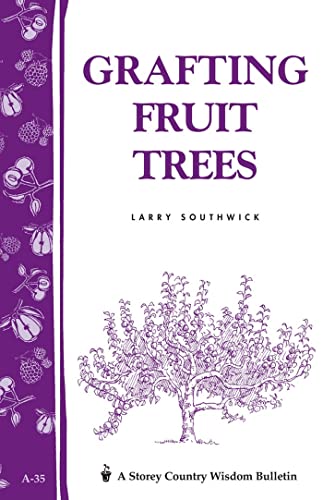
    Grafting Fruit Trees: Storey's Country Wisdom Bulletin A-35
    Grafting Fruit Trees: Storey's Country Wisdom Bulletin A-35
    VIEW LATEST PRICE

    As an affiliate, we earn on qualifying purchases.

    Garden Grafting Tool Kits, ZALALOVA 2 in 1 Pruning Tools Including Grafting Knife Replacement Blades Grafting Tapes Rubber Bands and Labels for Plant Branch Vine Fruit Tree Cutting
    Garden Grafting Tool Kits, ZALALOVA 2 in 1 Pruning Tools Including Grafting Knife Replacement Blades Grafting Tapes Rubber Bands and Labels for Plant Branch Vine Fruit Tree Cutting

    PROFESSIONAL GARDENING GRAFTING TOOLS: Including 2 in 1 grafting pruning tools, 3 replaceable blades, a grafting knife, a screwdriver, a wrench, 2 grafting films, 160 rubber bands, 40 wide rubber bands, and 50 colorful tag cards
    VIEW LATEST PRICE

    As an affiliate, we earn on qualifying purchases.

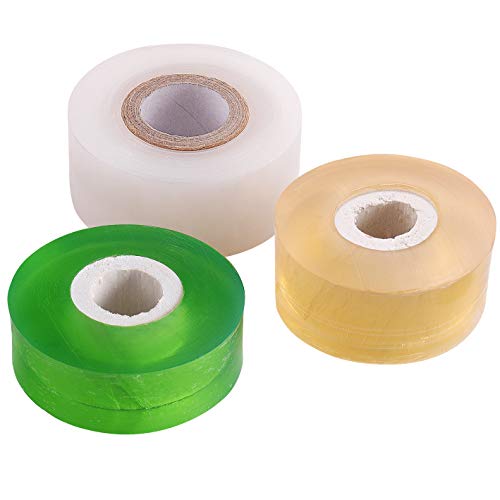
    HAINANSTRY Grafting Tape 2 PCS, Stretchable Garden Grafting Tape Plants Repair Tapes for Floral Fruit Tree and Poly Budding Tape - Green & White
    HAINANSTRY Grafting Tape 2 PCS, Stretchable Garden Grafting Tape Plants Repair Tapes for Floral Fruit Tree and Poly Budding Tape - Green & White

    Stretches with plant growth and increases the survival rate of seedlings.

    VIEW LATEST PRICE

    As an affiliate, we earn on qualifying purchases.

    Stone Fruits

    Stone fruits, such as cherries, plums, apricots, and peaches, are often compatible with each other. For example, you can graft a plum onto a peach tree, leading to an interesting fusion of flavors. Make sure to choose varieties that bloom at the same time to optimize cross-pollination and fruit development.

    Pome Fruits

    Pome fruits include apples and pears. These trees tend to graft well together. For instance, an apple variety can easily be grafted onto a pear tree, yielding both types of fruit. Stick to varieties within the same species or closely related types for the best outcomes, like grafting a Honeycrisp apple onto a standard apple tree.

    MUST READ
    How Does a Fig Tree Bear Fruit: Understanding the Fruit Production Process and Care Tips

    Citrus Varieties

    Citrus trees, including oranges, lemons, and limes, are compatible with one another. A common practice involves grafting a grapefruit branch onto an orange tree. This results in a diverse citrus harvest and extends the fruiting season. Choose varieties that share similar growth habits and rootstock for optimal success.

    Familiarizing yourself with these compatible fruit trees opens up new opportunities for creating a thriving garden with diverse flavors.

    Factors Affecting Graft Success

    Graft success hinges on several key factors that ensure healthy growth and compatibility between the plants involved. Understanding these elements can significantly improve your grafting outcomes.

    Rootstock Selection

    Rootstock plays a crucial role in grafting success. Choose a rootstock that is compatible with the scion variety. For example, apple trees often thrive when grafted onto rootstocks like M111 or M7, which contribute to vigor and fruit quality. Opt for rootstocks that suit your climate and soil conditions. Consider factors like disease resistance, growth habit, and size at maturity. Always select healthy rootstocks that show no signs of disease, ensuring a strong foundation for your grafted tree.

    Timing and Season

    Timing is essential for successful grafting. The best time to graft most fruit trees is during late winter to early spring when trees are still dormant. This timing allows for easier placement and healing of grafts. For instance, performing grafts during this season maximizes the chances of successful union as the sap flow begins. Monitor the environment; grafting during warm weather may lead to sap loss or failure to take. Always follow seasonal trends in your region to choose the optimal grafting time for specific fruit varieties.

    Conclusion

    Grafting fruit trees opens up a world of possibilities for your garden. By understanding which trees can be combined you can create a vibrant mix of flavors and maximize your space. Whether you’re experimenting with stone fruits or mixing citrus varieties the rewards can be delicious and visually appealing.

    MUST READ
    Can You Eat Weeping Cherry Tree Fruit Safely and Deliciously in Your Recipes?

    Remember to pay attention to compatibility and timing for the best results. With a little patience and care you’ll be well on your way to enjoying a unique harvest from your very own grafted trees. Happy gardening and may your grafting adventures bring you a bountiful fruit-filled future!

    Frequently Asked Questions

    What is grafting in horticulture?

    Grafting is a horticultural technique that involves joining tissues from two different plants to grow multiple fruit types on a single tree. This method enhances space efficiency and allows gardeners to enjoy diverse flavors in their fruit production.

    What are the benefits of grafting?

    Grafting offers several advantages, including maximizing garden space, creating a variety of fruit flavors, improving disease resistance, and promoting faster growth. It allows gardeners to cultivate multiple fruit varieties from a single tree, making it an efficient gardening option.

    What are common grafting techniques?

    Common grafting techniques include cleft grafting, whip and tongue grafting, budding, and approach grafting. Each technique suits different types of branches and plants, with cleft grafting being ideal for larger branches and approach grafting effective for closer tree pairings.

    Which fruit trees are compatible for grafting?

    Compatible fruit trees for grafting include apples, pears, peaches, cherries, and citrus varieties such as oranges and lemons. Knowing these compatibility pairs helps gardeners successfully combine different fruit types on one tree.

    When is the best time to graft fruit trees?

    The optimal time to graft most fruit trees is during late winter to early spring, when the trees are dormant. This timing increases the chances of successful grafting, as the plants can easily establish their union during this period.

    How do I ensure successful grafting?

    To ensure successful grafting, choose healthy plants, select compatible rootstock, and maintain moisture levels during the process. Additionally, proper timing and technique are crucial for maximizing the likelihood of a successful grafting outcome.

    Share. Facebook Twitter Pinterest LinkedIn Tumblr Email
    martha jackson
    Martha Jackson

      Martha Jackson is an accomplished freelance writer and editor with a strong interest in gardening. With a degree in English from the University of California, Berkeley, Martha has over 15 years of experience writing for a variety of publications. She is passionate about making gardening accessible to all and is always seeking out new techniques and innovations.

      Related Posts

      How Long Until Avocado Trees Bear Fruit and Tips for Faster Growth at Home

      February 20, 2025

      What Yellow Fruit Grows on Trees and Their Delicious Health Benefits

      February 20, 2025

      How to Air Layer Fruit Trees: A Step-by-Step Guide for Successful Propagation

      February 20, 2025

      When Do Grapefruit Trees Produce Fruit and How to Maximize Your Harvest

      February 20, 2025

      What Is a Fast Growing Fruit Tree: Discover Quick-Yield Options for Your Garden

      February 20, 2025

      Do Cherry Blossom Trees Have Fruit? Discover the Truth About Their Edibility and Benefits

      February 20, 2025
      Leave A Reply Cancel Reply

      Affiliate Disclosure

      As an Amazon Associate I earn from qualifying purchases.

      Recommended Reading

      Can Cherry Trees Grow in Orlando, FL? (Central Florida Guide)

      Best Fruit Trees for Glendale, AZ: Desert Soil Management

      Growing Sweet Cantaloupes: Expert Tips for Planting Cantaloupe Sprouts Successfully

      When to Plant Fruit Trees in Kansas: A Guide to Timing for a Successful Harvest

      The Best Organic Fertilizers for Almond Trees

      Can You Grow a Fig Tree from a Fig Fruit: Step-by-Step Guide for Home Gardeners

      Can Grapefruit Trees Grow in Corpus Christi, TX? Salt Tips

      Growing Cantaloupe in Arizona: Expert Tips for Success

      When to Spray Neem Oil on Fruit Trees for Maximum Protection and Health

      Are Strawberry Tree Fruits Edible? Discover Their Flavor, Benefits, and Safety Tips

      Fruit Tree Hub

      Fruit Tree Hub is a website dedicated to providing you everything you need to grow fruit trees successfully at in your own yard.

      Contact us at: [email protected]

      - AFFILIATE DISCLOSURE: As an Amazon Associate I earn from qualifying purchases.

      Latest Posts

      Persimmon Trees in District of Columbia (Urban Microclimate Tips)

      Grapefruit Trees in Riverside, CA (Inland Empire Success)

      Quince Trees in New Jersey (Garden State Planting Secrets)

      Can Jujube Trees Grow in Boston, MA? New England Success

      Can Tangerine Trees Grow in New York? Expert-Tested Secrets

      Pomegranate Trees in a Pot in Idaho (Year-Round Care Walkthrough)

      Growing Olive Trees in Virginia: Piedmont Regional Advice

      How to Grow Guava Trees in Detroit, MI: Urban Garden Secrets

      Categories
      • Almond Trees
      • Apple Trees
      • Apricot Trees
      • Best Fruit Trees
      • Blackberry
      • Cantaloupe
      • Cherry Trees
      • Crochet Ideas
      • Crochet Ideas for Beginners
      • Cucamelon
      • Easy Crochet Ideas
      • Easy Knitting Projects
      • Fig Trees
      • Grapefruit Trees
      • Grapes
      • Guava Trees
      • Honeydew
      • Jujube Trees
      • Kiwi
      • Knitting For Beginners
      • Knitting Ideas
      • Knitting Inspiration
      • Lemon Trees
      • Lime Trees
      • Loquat Trees
      • Mango Trees
      • Mulberry Trees
      • Nectarine Trees
      • Olive Trees
      • Orange Trees
      • Papaya Trees
      • Peach Trees
      • Pear Trees
      • Persimmon Trees
      • Planting
      • Plum Trees
      • Pomegranate Trees
      • Quince Trees
      • Raspberry
      • Reviews
      • Small Crochet Ideas
      • Star Fruit Trees
      • Summer Crochet Ideas
      • Tamarind Trees
      • Tangerine Trees
      • Tips and Advice
      • Tools
      • Uncategorized
      • Walnut Trees
      © 2026 Fruit Tree Hub
      • Home
      • About Us
      • Contact
      • Privacy Policy
      • Terms and Conditions
      • Disclaimer
      • Editorial Policy
      • Affiliate Disclosure

      Type above and press Enter to search. Press Esc to cancel.