

Have you ever admired the stunning blooms of a flowering cherry tree and wondered if they actually produce fruit? You’re not alone! Many people enjoy these trees for their breathtaking beauty but might be curious about their fruit-bearing capabilities.
Key Takeaways
- Flowering cherry trees belong to the Prunus genus and are primarily valued for their spectacular blooms rather than their fruit.
- Most flowering varieties, like Yoshino and Kwanzan cherries, produce small, inedible fruits that attract wildlife, particularly birds.
- Ideal growth conditions for flowering cherry trees include well-drained, nutrient-rich soil and full sunlight, with regular watering and early spring fertilization for optimal health.
- Key factors influencing fruit production include proper pollination, tree maturity (typically 3 to 5 years), and favorable weather conditions during the flowering season.
- Misconceptions exist that all flowering cherry trees bear edible fruit; in reality, their primary appeal lies in their aesthetic beauty rather than their fruit.
- The small, inedible fruits contribute ecologically by providing nourishment for wildlife and supporting biodiversity, while also adding visual interest to landscapes post-bloom.
Overview of Flowering Cherry Trees
Flowering cherry trees are celebrated for their breathtaking blossoms. They belong to the genus Prunus, which includes various types of cherries, plums, and almonds. Often found in parks and gardens, these trees create a stunning visual impact during their blooming season.
Types of Flowering Cherry Trees
Different varieties of flowering cherry trees exist, each with unique characteristics. Here are a few common types:
- Yoshino Cherry (Prunus x yedoensis): Known for its pale pink flowers, this tree blooms early spring and grows 30 to 40 feet tall.
- Kwanzan Cherry (Prunus serrulata ‘Kwanzan’): Features double pink flowers and can reach heights of 30 to 40 feet, blooming in late spring.
- Weeping Cherry (Prunus subhirtella ‘Pendula’): Recognized for its graceful, drooping branches and fragrant pink flowers, this tree stands 15 to 25 feet tall.
Growth Conditions
Flowering cherry trees thrive in well-drained soil and full sunlight. They prefer slightly acidic to neutral pH levels. Regular watering during dry spells supports healthy growth. Fertilizing in early spring promotes lush blossoms, enhancing both beauty and health.
Seasonal Cycle
Flowering cherry trees follow a distinct seasonal cycle. In spring, these trees burst into bloom, displaying vibrant flowers. After blooming, they produce small fruits, commonly called cherries, although many are not edible. The leaves emerge after the flowers fade, providing shade during the summer months.
Fruit Production
While most flowering cherry trees produce fruit, the cherries are generally small and not suitable for consumption. These fruits often attract birds and other wildlife. If you seek edible cherries, consider planting sweet or sour cherry tree varieties instead.
Care and Maintenance
Proper care ensures the longevity and vitality of flowering cherry trees. Here are some essential tips:
- Pruning: Perform light pruning to maintain shape and remove any dead or crossing branches.
- Pest Control: Monitor for pests like aphids and caterpillars, using organic treatments as needed.
- Mulching: Apply a layer of mulch around the base to retain moisture and suppress weeds.
Understanding the characteristics and care of flowering cherry trees enhances your experience and appreciation of their beauty.
Characteristics of Flowering Cherry Trees
Flowering cherry trees are beloved for their beautiful blooms and unique traits. While they typically focus on aesthetics, they also produce small fruits.
Recommended Products

Supports Strong Growth & Better Fruit Development - Helps promote vigorous growth, healthy foliage, and improved cherry production.

Supports Strong Growth & Better Fruit Development - Helps promote vigorous growth, healthy foliage, and improved cherry production.

Produce abundant and vibrant fruit and blooms! This product works by strengthening your plant's roots to increase nutrient uptake… enabling it to bloom and produce like you've never seen!
Popular Varieties
- Yoshino Cherry (Prunus x yedoensis): Known for its fragrant pale pink flowers, it thrives in parks and gardens. Blooms appear in early spring, creating stunning displays.
- Kwanzan Cherry (Prunus serrulata ‘Kwanzan’): Features double-pink blossoms that give a lush look. It blooms a bit later in the season and can grow tall, ideal for larger spaces.
- Weeping Cherry (Prunus subhirtella ‘Pendula’): Displays cascading branches adorned with light pink flowers. This variety adds grace to landscapes and typically blooms in early spring.
Growing Conditions
Flowering cherry trees flourish in specific environments:
- Soil Requirements: They prefer well-drained soil rich in organic material. Avoid heavy, compact soil that retains water.
- Sunlight: These trees thrive in full sunlight, requiring at least 6 hours of direct sun daily. Adequate sunlight ensures vibrant blooms.
- Watering: Regular watering is essential, particularly during dry spells. Ensure the soil remains moist but not waterlogged.
- Fertilization: A balanced fertilizer applied in early spring supports healthy growth. Follow package instructions for the correct amount.
Proper conditions enhance the growth and beauty of flowering cherry trees, contributing to their allure in gardens and parks.
Do Flowering Cherry Trees Produce Fruit?
Flowering cherry trees can produce fruit, but the fruit is often small and not typically edible. Many people admire these trees for their striking blossoms rather than their fruit.
Recommended Products
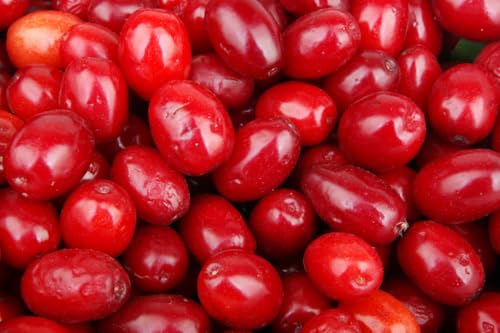
Grow the Unique Cornelian Cherry Dogwood: Start your own Cornelian Cherry tree from these authentic Dogwood Seeds. Cultivate Cornus mas, a prized but underutilized member of the dogwood family, celebrated for its very early spring blooms and edible, vitamin-C-rich fruit.

Trees, Japanese Cherry, Flowering
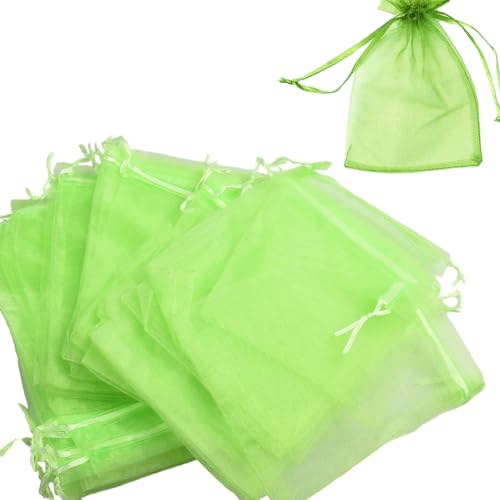
Fruit netting bags prevent your fruit, vegetable, floral from birds and animals.
Common Misconceptions
A common misconception is that all flowering cherry trees bear fruit that’s suitable for consumption. In reality, most flowering varieties, like the Yoshino and Kwanzan cherries, produce very small, tart cherries that aren’t generally palatable. The main appeal lies in their aesthetic value, as they were primarily cultivated for their beautiful flowers. While there are also fruiting cherry trees, such as sweet cherries, they differ significantly from flowering varieties in purpose and taste.
Conditions for Fruiting
Flowering cherry trees may produce fruit when certain conditions are met. Key factors include:
- Pollination: For fruit to develop, proper pollination is crucial. Insects like bees assist in this process.
- Maturity: Trees need maturity, often around 3 to 5 years old, before they start producing fruit.
- Weather: Adequate weather conditions, especially during flowering, support fruit set. Consistent warmth during spring promotes fruit development.
- Soil Quality: Well-drained, nutrient-rich soil enhances overall tree health, boosting the likelihood of fruiting.
- Watering: Regular watering during dry spells encourages tree vitality, which can impact fruiting potential.
You may find that even under ideal circumstances, the yield can remain minimal, but the charm of flowering cherry trees lies in their beauty rather than fruit production.
Importance of Fruit Production
Understanding the importance of fruit production in flowering cherry trees goes beyond just the fruits themselves. While these trees are primarily loved for their beauty, their fruit can play a role in the broader ecosystem.
Recommended Products
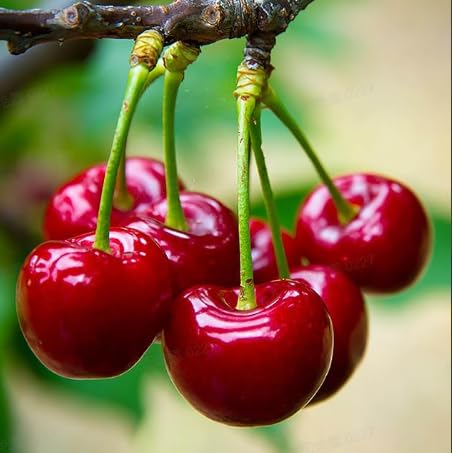
Basic Seed Attributes & Planting Scenarios: 20 Pcs Cherry Tree Seeds, non-GMO heirloom variety, with sweet and tender juicy fruits, suitable for home garden cultivation, and can be planted both indoors and outdoors.

🌸 Grow Stunning Cherry Blossom Trees Enjoy breathtaking pink blossoms and create a beautiful spring landscape with vibrant ornamental cherry blossom trees.

Multi-Variety Seeds: Contains grape, apple, kiwi, jackfruit, mulberry, and cherry seeds, totaling over 400 seeds
Ecological Impact
Fruits from flowering cherry trees contribute to local ecosystems. Even small, inedible fruits provide nourishment to birds and other wildlife. For instance, birds feast on these fruits, helping to disperse seeds throughout the area, which can encourage tree growth in nearby locations. This process aids in maintaining biodiversity and supports various life forms within the habitat, enriching your garden or surrounding park.
Aesthetic Value
Fruit production also adds an extra layer to the aesthetic charm of flowering cherry trees. The presence of small fruits can offer a unique visual element after the flowering period. Instead of solely enjoying the vibrant blossoms, you gain year-round interest from their developing fruits. While many fruits of flowering cherry trees remain small and are not suitable for eating, their presence still attracts attention and can enhance your landscape design, providing visual texture during late summer and early fall.
Conclusion
Flowering cherry trees are truly a sight to behold with their stunning blossoms stealing the show. While they do produce small fruits, their primary allure lies in their beauty rather than the fruit itself. You might find the fruits interesting for wildlife but don’t expect a bountiful harvest for your kitchen.
These trees add charm and character to any landscape. By understanding their unique characteristics and care requirements, you can enjoy their beauty year after year. Whether you’re planting one for its aesthetic appeal or simply to enjoy its presence, flowering cherry trees certainly bring joy to any garden.
Frequently Asked Questions
Do flowering cherry trees produce fruit?
Yes, flowering cherry trees can produce small fruits. However, these fruits are usually inedible and not suitable for consumption. Their primary appeal lies in their stunning blossoms rather than their fruit.
What are the main types of flowering cherry trees?
Common types of flowering cherry trees include the Yoshino Cherry, Kwanzan Cherry, and Weeping Cherry. Each variety has unique characteristics, such as flower color, shape, and blooming periods, enhancing garden aesthetics.
What conditions do flowering cherry trees need to thrive?
To thrive, flowering cherry trees need well-drained, organic-rich soil, full sunlight for at least six hours daily, and regular watering. Using a balanced fertilizer in early spring can also promote healthy growth.
How can I care for my flowering cherry tree?
Caring for flowering cherry trees involves regular watering, pruning, pest control, and mulching. Proper maintenance ensures the health and longevity of the trees, allowing them to produce beautiful blossoms.
Are the fruits of flowering cherry trees useful for wildlife?
Yes, even small, inedible fruits from flowering cherry trees support local wildlife by providing nourishment for birds and other animals. They also aid in seed dispersal, promoting biodiversity in the ecosystem.
