

Have you ever wondered how long it takes for a banana tree to bear fruit? If you’ve planted one in your backyard or are thinking about it, you’re not alone. Many people dream of enjoying fresh bananas straight from their garden, but the wait can feel endless.
Key Takeaways
- Understanding Banana Trees: Different banana tree varieties, like Cavendish, Red Banana, Burro, and Lady Finger, have unique growth cycles and environmental needs for fruiting.
- Ideal Growing Conditions: Banana trees flourish in warm, sunny environments with well-drained, nutrient-rich soil and regular watering, ideally staying between 75°F to 95°F.
- Fruiting Timeline: Most banana trees take 8 to 15 months to produce fruit, influenced by the variety of tree, environmental conditions, watering practices, and fertilization.
- Care and Maintenance: Regular watering, balanced fertilization, and vigilant pest management are crucial for healthy banana tree growth and fruit production.
- Harvesting Bananas: Look for specific ripeness signs such as color change, size, shape, and slight softness. Use proper techniques for harvesting to avoid damaging the fruit.
Understanding Banana Trees
Banana trees are fascinating plants known for their unique growing cycles and delicious fruit. Understanding these trees can help you manage expectations when growing them.
Recommended Products
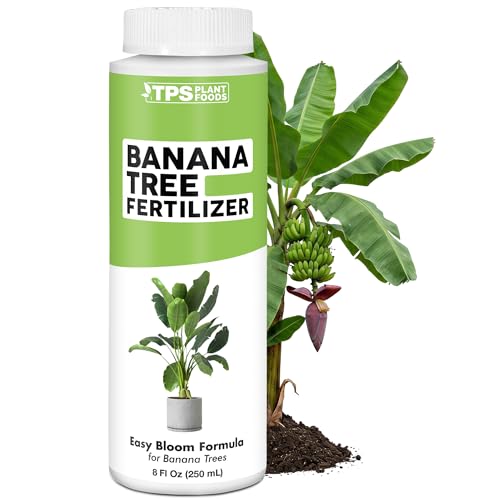
Made for Banana Trees – Specially formulated banana fertilizer designed to support the nutrient needs of banana plants.

Let our professionally formulated plant food help your fruit tree grow healthy, strong AND abundantly producing

2X MORE VALUE: The 16 oz bottle of Banana Plant Fertilizer makes 16 gallons of banana fertilizer for fruit trees, while the bigger size 32 oz bottle makes 32 gallons for lasting care of your banana trees.
Types of Banana Trees
There are several types of banana trees, each offering different varieties of bananas. Common types include:
- Cavendish: Most widely cultivated for commercial production, this variety is what you typically find in stores.
- Red Banana: Known for its reddish-purple skin and sweet flavor, this variety differs significantly in taste from the Cavendish.
- Burro: Smaller with a tangy flavor, Burro bananas are versatile for cooking and snacking.
- Lady Finger: This small banana offers a sweet, delicate flavor, making it perfect for desserts.
Each type has its own growth cycle and conditions required for fruiting.
Growing Conditions
Banana trees thrive in specific growing conditions that impact fruit production. They prefer:
- Temperature: Warm temperatures between 75 °F to 95 °F (24 °C to 35 °C) encourage growth. Cold temperatures below 50 °F (10 °C) can hinder production.
- Sunlight: Full sunlight for at least 12 hours a day is ideal for healthy growth. Place banana trees where they receive ample light.
- Soil: Well-drained, nutrient-rich soil enhances growth. A pH between 5.5 and 7 is suitable for optimal results.
- Water: Regular watering, but avoid waterlogging. Aim for consistent moisture without saturated soil.
When you provide these conditions, you’ll promote a healthier banana tree that bears fruit more efficiently.
Timeline for Fruiting
Banana trees typically take several months to produce fruit after planting. Various factors can influence this timeline, affecting your harvest expectations.
Recommended Products

PREMIUM FUEL LIQUID FERTILIZER: Wellspring Gardens Banana Fuel Liquid Fertilizer Concentrate provides a quality nutrient blend with minor elements that could grow your plants. Its 3-1-6 formula ratio is the ideal fertilizer ration according to University of Florida which is what our product is made of.

🌿 NUTRIENT-BALANCED 8-10-10 BLEND: Engineered for excellence, our 8-10-10 formula combines 8% Nitrogen for vigorous leaf growth, 10% Phosphate for robust roots and vibrant blooms, and 10% Potash for overall plant health. This scientific blend ensures your garden thrives with enriched foliage, splendid flowers, and plentiful fruits.
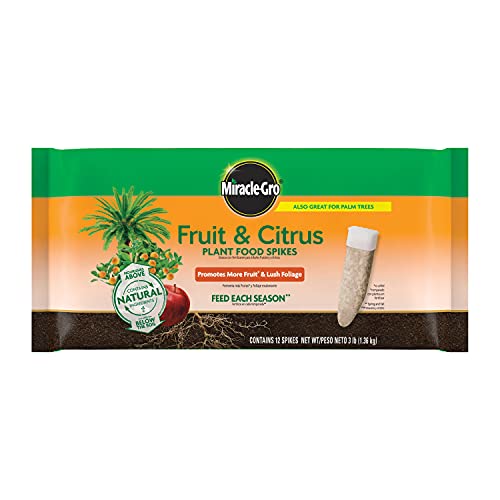
FORMULATED FOR CITRUS AND FRUIT TREES: Use these citrus fertilizer spikes on apple, orange, lemon, lime, and avocado trees; this formula is also great for feeding palm trees
Factors Affecting Fruiting Time
- Variety of Banana Tree: Different types, such as Cavendish and Red Banana, have varied growth rates and fruiting times. Cavendish usually fruits in 8 to 12 months, while Red Banana may take longer due to its slower growth.
- Growing Conditions: Warm temperatures between 75°F and 95°F are ideal. Poor temperature can delay fruiting. Ample sunlight, ideally 12 hours a day, encourages faster growth. Proper soil conditions, well-drained and rich in nutrients, contribute to quicker fruit production.
- Watering Practices: Consistent moisture is crucial. Overwatering or underwatering can stress the plant, resulting in delayed fruiting. Aim to keep the soil consistently moist but not soggy.
- Fertilization: Regular fertilization with a balanced fertilizer fosters healthy growth. Nitrogen-rich options promote lush foliage, while potassium supports fruit development.
- Pests and Diseases: Infestations and illnesses can hinder fruit production. Monitor your plants regularly for signs of trouble and treat them promptly.
General Timeframe for Fruiting
Expect a range for fruiting timelines depending on the specific circumstances. Here’s a general breakdown:
| Variety | Timeframe for Fruiting |
|---|---|
| Cavendish | 8 to 12 months |
| Red Banana | 10 to 15 months |
| Burro | 9 to 14 months |
| Lady Finger | 8 to 12 months |
Once the banana tree flowers, you’ll often see fruit forming within weeks. The entire process from planting to harvesting can range between 9 months to over a year, depending on the factors above. Keeping these elements in mind helps manage your expectations for enjoying homegrown bananas.
Care and Maintenance
Taking care of your banana tree ensures optimal fruit production. Focus on watering, nutrition, and pest management to observe healthy growth and a fruitful harvest.
Watering and Nutrition
Water your banana tree consistently, aiming for about 1 to 2 inches of moisture each week. During hot weather, you may need to water more frequently, as banana trees thrive in moist conditions. Use a soaker hose or drip irrigation to keep the soil evenly moist without waterlogging it.
Fertilize regularly with a balanced fertilizer rich in potassium and nitrogen. Apply a slow-release fertilizer every 6 to 8 weeks, especially during the growing season. Mulching with organic material, such as straw or wood chips, retains moisture while providing essential nutrients to the soil.
Pest and Disease Management
Monitor your banana tree for common pests like aphids, spider mites, and mealybugs. Inspect the leaves for signs of damage or discoloration. If pests appear, treat them with insecticidal soap or neem oil. Regularly check the undersides of leaves, as pests often hide there.
Prevent diseases, such as Panama disease or leaf spot, by ensuring proper air circulation and avoiding overhead watering. If you notice any signs of disease, remove affected leaves immediately to prevent further spread. Keeping the growing area clean and free from debris reduces the risk of fungal infections.
Harvesting Bananas
Harvesting bananas involves identifying the right signs of ripeness and using effective techniques. You’ll enjoy fresh, homegrown bananas when you follow these guidelines.
Signs of Ripeness
Look for specific indicators to determine when your bananas are ripe for harvest. Check for the following signs:
- Color: Bananas transition from green to yellow. A fully yellow peel suggests they’re ready for picking.
- Size: Ripe bananas reach their expected size based on the variety planted. Expect larger Cavendish bananas compared to the smaller Red Bananas.
- Shape: Bananas should appear plump and rounded. Flat shapes indicate immaturity.
- Texture: The skin becomes slightly soft, signaling readiness. Press gently; they should yield slightly to pressure.
- Flower Drop: The flowers at the end of the bunch will fall away when bananas ripen.
Harvesting Techniques
Using the proper techniques ensures a successful harvest and prevents damage. Consider the following steps:
- Timing: Harvest when the bananas show the signs of ripeness, ideally during the cooler parts of the day, like early morning or late afternoon.
- Tools: Use a sharp knife or pruning shears to cut the bunch. A ladder may help reach higher fruits.
- Technique: Cut the entire bunch at the stalk. Avoid tugging or pulling to minimize bruising.
- Handling: Support the bunch with both hands as you cut. Handle gently to prevent bruising or injury.
- Post-Harvest: Store harvested bananas in a cool, dark place. This helps them ripen evenly.
Conclusion
Growing your own banana tree can be a rewarding experience. With the right care and conditions you can enjoy fresh bananas straight from your garden. Remember that patience is key as it typically takes around 9 months to over a year for your tree to bear fruit.
By providing consistent moisture proper fertilization and monitoring for pests you’ll set your banana tree up for success. Once those bananas start to ripen you’ll appreciate the fruits of your labor in a whole new way. So get ready to enjoy the sweet rewards of your gardening efforts!
Frequently Asked Questions
How long does it take for a banana tree to produce fruit?
Banana trees typically take anywhere from 9 months to over a year to produce fruit, depending on various factors such as the variety, growing conditions, and proper care. For example, the Cavendish variety usually fruits in 8 to 12 months, while the Red Banana may take 10 to 15 months.
What conditions do banana trees need to thrive?
Banana trees require warm temperatures, plenty of sunlight, well-drained, nutrient-rich soil, and consistent moisture. Aim for 1 to 2 inches of water per week, and ensure proper air circulation to prevent diseases.
What are the different types of banana trees?
There are several types of banana trees, including Cavendish, Red Banana, Burro, and Lady Finger. Each variety has its unique flavor profile and growth cycle, affecting the time it takes to produce harvestable fruit.
How should I water my banana trees?
Water banana trees consistently, aiming for 1 to 2 inches of moisture weekly. Using a soaker hose or drip irrigation helps maintain even soil moisture, which is crucial for healthy growth and fruit production.
When is the best time to harvest bananas?
Bananas are ready for harvest when they change from green to yellow, are plump, rounded, and slightly soft. The flowers at the end of the bunch will also drop. Harvest during cooler parts of the day using sharp tools for best results.
