

Have you ever wondered if you can grow fruit trees in shady spots? Many people face the challenge of limited sunlight in their gardens, leaving them unsure if they can still enjoy homegrown fruit.
Key Takeaways
- Fruit Trees Adapt to Shade: Certain fruit tree varieties can thrive in low-light conditions, making it possible to grow fruit even in shaded gardens.
- Varieties Suitable for Low Sunlight: Consider planting Pollard Cherry, Serviceberry, Persimmon, and Elderberry, all of which can grow well with limited direct sunlight.
- Importance of Soil and Water: Well-draining, organic-rich soil is essential for fruit trees in shade. Consistent but careful watering helps prevent root issues.
- Regular Pruning and Mulching: Prune trees for better air circulation and light accessibility, and use mulch to retain moisture and regulate soil temperature.
- Creating a Microclimate: Pair compatible plants to enhance soil health and create a beneficial environment, while also attracting pollinators to improve fruit yield.
- Monitor Sunlight Effects: Understand that while some trees can grow in shade, they may yield smaller fruit and exhibit slower growth rates due to insufficient sunlight.
Overview of Fruit Trees
Fruit trees can adapt to various conditions, including limited sunlight. Understanding their growth requirements helps you successfully cultivate them in shady areas. Here’s what you need to know.
Types of Fruit Trees for Low Sunlight
- Pollard Cherry: Tolerates partial shade, produces sweet cherries.
- Serviceberry: Thrives in dappled sunlight, offers sweet, edible berries.
- Persimmon: Grows well in limited sunlight, yields sweet fruit.
- Elderberry: Prefers semi-shade, produces rich, dark berries.
Growth Characteristics
Fruit trees require sunlight for photosynthesis, which impacts fruit quality and yield. However, many species can grow with less direct sunlight. Efficient varieties can adapt over time, developing broader leaves to capture available light.
Soil and Water Considerations
- Soil Quality: Fruit trees need well-draining soil. Amend the soil with organic matter to enhance fertility.
- Moisture: Trees in partial shade may require less water than those in full sun. Monitor soil moisture, aiming for consistent dampness without waterlogging.
Practical Planting Tips
- Spacing: Space trees adequately to prevent overcrowding, which can hinder light exposure. Aim for at least 6-10 feet apart.
- Location: Plant near taller plants or structures, allowing for dappled sunlight while ensuring visibility to the sun.
- Pruning: Regularly prune to improve air circulation and light penetration. Remove dead or overcrowded branches.
- Mulching: Apply mulch to retain moisture and regulate soil temperature.
By choosing the right species and applying proper care, you can enjoy homegrown fruit, even in less than ideal sunlight conditions.
The Role of Sunlight in Fruit Tree Growth
Sunlight plays a crucial role in the growth of fruit trees. While some trees can adapt to partial shade, understanding how sunlight affects their health and fruit production is essential.
Recommended Products

【Newest Grow Light】The appearance of the lamp head adopts patentable mold technology and incorporates exclusive design concepts. The back plate has a unique pattern and premium texture which is not easily scratched. The holes in the back are specially reserved for heat dissipation space, saying goodbye to the heating problem during the use of the lamp.
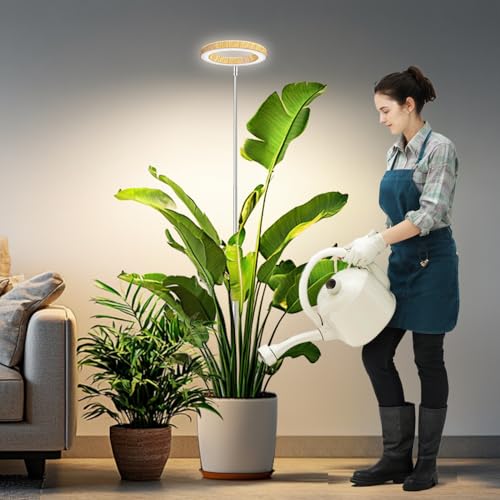
Elegant Faux Woodgrain Design: This halo grow light has a unique faux woodgrain design that complements any interior space. Compared with other plant lamps using bamboo materials, ours will not crack or fall off. Whether it’s used as a light for indoor plants or adding a stylish content to your home decor, this plant lamp is both practical and beautiful
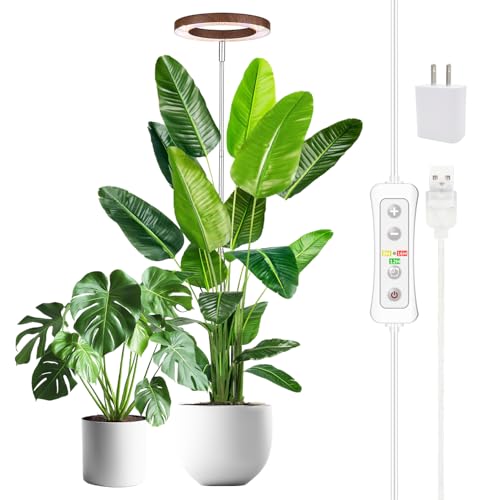
Designed for Large & Tall Indoor Plants:Designed specifically for large indoor plants and tall plants that need stronger and wider light coverage. Helps big plants thrive even in low-light areas like living rooms, corners, or offices.Provides full spectrum light (380nm–800nm) to support every stage of plant growth. A perfect sunlight replacement for indoor plants.
Importance of Photosynthesis
Photosynthesis enables fruit trees to convert light into energy. This process primarily occurs in the leaves, where sunlight interacts with chlorophyll. Sunlight triggers the chemical reactions that transform carbon dioxide and water into glucose and oxygen. Glucose fuels the tree’s growth and helps produce fruit. Without sufficient sunlight, trees struggle to create enough energy, affecting overall vigor and yield.
Effects of Insufficient Sunlight
Insufficient sunlight can lead to several issues for fruit trees. Trees growing in shaded areas often exhibit reduced growth rates and smaller fruit sizes. Leaves may become pale or yellow, indicating a lack of chlorophyll production. Additionally, poor sunlight exposure can result in inadequate flowering, leading to lower fruit yields. In some cases, trees may become more susceptible to diseases due to compromised health.
While certain fruit trees can tolerate low-light conditions, their overall production and health depend significantly on their access to sunlight.
Types of Fruit Trees and Their Sunlight Requirements
Understanding the sunlight requirements for different fruit tree varieties helps you select the right ones for shaded areas. Some fruit trees thrive in low-light conditions, making them suitable for gardens with limited sunlight.
Recommended Products

Breathable Material: Made of lightweight non-woven fabric, our fruit tree shade net blocks sunlight while maintaining air circulation, effectively preventing sunburn for your plants during hot seasons

In addition to a strawberry tree, Arbutus unedo is also called Killarney strawberry tree, Irish strawberry tree, cane apples, Dalmation strawberry, or simply arbutus. On the coat of arms for the city of Madrid, Spain, a bear is reaching up to grab fruit from a strawberry tree.

Breathable Material: Made of lightweight non-woven fabric, our fruit tree shade net blocks sunlight while maintaining air circulation, effectively preventing sunburn for your plants during hot seasons
Low-Light Tolerant Varieties
- Pollard Cherry: Adapted to partial shade, this tree produces small, sweet cherries. It grows well in USDA zones 5 to 8, making it versatile for various climates.
- Serviceberry: Known for its edible berries, Serviceberry thrives in dappled sunlight. This tree blooms early in spring and attracts pollinators, enhancing biodiversity in your garden.
- Persimmon: Some Persimmon varieties can tolerate lower light levels. They yield delicious fruits but prefer well-draining soil to prevent root rot.
- Elderberry: Elderberry bushes can grow in partial shade and provide a bounty of dark berries. They flourish in USDA zones 3 to 9 and often attract wildlife.
| Fruit Tree | Sunlight Requirement | USDA Zones | Fruit Characteristics |
|---|---|---|---|
| Pollard Cherry | Partial Shade | 5-8 | Small, sweet cherries |
| Serviceberry | Dappled Sunlight | 4-9 | Edible berries, early bloom |
| Persimmon | Low to Moderate Light | 4-9 | Sweet, varying flavors |
| Elderberry | Partial Shade | 3-9 | Dark berries, wildlife attracting |
Choosing the right fruit tree variety depends on your garden’s light conditions and their growth preferences. When placed strategically, these trees can flourish and bear fruit, even with limited sunlight.
Growing Fruit Trees in Shade
Growing fruit trees in shaded areas presents unique challenges but also opportunities. Certain species adapt well to low-light conditions, allowing you to enjoy homegrown fruit even with limited sunlight.
Techniques for Successful Growth
- Choose the Right Variety: Select fruit trees like Pollard Cherry, Serviceberry, Persimmon, and Elderberry. These trees can thrive with less direct sunlight.
- Ensure Soil Quality: Use well-draining soil rich in organic material. Good soil quality supports healthy root systems and water retention.
- Optimize Watering: Water consistently to maintain soil moisture but avoid waterlogging, which can harm roots. Check soil moisture before watering.
- Prune Regularly: Pruning enhances air circulation and light penetration. Remove diseased or crowded branches to promote healthy growth.
- Mulch: Apply mulch around the base to retain soil moisture and suppress weeds, ensuring your trees receive the nutrients they need.
- Select Compatible Plants: Pair fruit trees with shade-tolerant plants like rhubarb or certain herbs that thrive in lower light. These companions can enhance soil health and deter pests.
- Plant Dense Ground Covers: Consider ground covers like clover or creeping thyme. They help retain moisture and improve soil structure while preventing weeds.
- Create a Microclimate: Utilize companion plants to create a beneficial microclimate. Taller plants can offer additional shade, and shorter ones can thrive underneath.
- Attract Pollinators: Plant flowering companions nearby to attract pollinators. This ensures fruit set even in shaded conditions, increasing your harvest potential.
Conclusion
Growing fruit trees in shady areas is definitely possible with the right approach. By selecting low-light tolerant varieties and focusing on soil quality and moisture management, you can enjoy a fruitful harvest even without direct sunlight. Remember to keep an eye on your trees’ health and provide them with the care they need.
With a little patience and creativity, you can transform your shaded garden into a thriving oasis of delicious fruits. So go ahead and give it a try; your garden’s potential might just surprise you!
Frequently Asked Questions
Can fruit trees grow in shady areas?
Yes, certain fruit trees can thrive in shady conditions. Varieties like Pollard Cherry, Serviceberry, Persimmon, and Elderberry grow well with limited sunlight, making them ideal for partially shaded gardens.
How much sunlight do fruit trees need?
Most fruit trees prefer full sun, which means at least 6 hours of direct sunlight daily. However, some species can tolerate partial shade, producing fruits even with less light.
What are some low-light fruit trees?
Low-light tolerant fruit trees include Pollard Cherry, Serviceberry, Persimmon, and Elderberry. These trees are capable of producing fruit in dappled or partial shade conditions.
How does sunlight affect fruit tree growth?
Sunlight is crucial for photosynthesis, allowing trees to produce energy. Insufficient sunlight can reduce growth rates, result in smaller fruit sizes, and make trees more susceptible to diseases.
What soil conditions are best for shady fruit trees?
Well-draining soil with organic material is essential for growing fruit trees in shade. It supports moisture retention without waterlogging, which helps the trees thrive.
How do I care for fruit trees in shade?
Care tips include choosing the right species, ensuring quality soil, optimizing watering practices, regular pruning for airflow, and mulching to maintain moisture levels.
Can I plant anything with fruit trees in shade?
Yes, pairing fruit trees with shade-tolerant plants and using dense ground covers can help retain moisture and create beneficial microclimates, boosting overall garden health.
What can I do to improve pollination for shade-tolerant fruit trees?
Planting flowering companion plants can attract pollinators, enhancing the potential for fruit production. Make sure these companions thrive in similar light conditions.
