

Are your fruit trees looking a bit unruly? You’re not alone. Many gardeners struggle with knowing when to cut back their trees for optimal growth and fruit production. Pruning at the right time can make all the difference, but it can be tricky to figure out the best approach.
In this article, you’ll learn the ideal times to prune your fruit trees based on their specific needs. You’ll discover how proper pruning can enhance fruit quality, promote healthy growth, and even extend the life of your trees. Whether you’re a seasoned gardener or just starting out, this guide will help you keep your fruit trees thriving.
Key Takeaways
- Pruning Timing: The ideal time to prune fruit trees varies; deciduous trees should be pruned in late winter, evergreen trees after harvest, and stone fruit trees in late winter to early spring for best results.
- Growth Stages: Young trees focus on shaping and establishing a framework, while mature trees benefit from thinning crowded branches to improve sunlight and air circulation.
- Common Indications for Pruning: Look for crowded branches, dead or diseased wood, excessive fruiting, and poor light penetration as signs that pruning is needed.
- Essential Tools: Pruning shears, loppers, and pruning saws are essential tools for effective pruning, while proper maintenance and sanitization of tools prevent disease spread.
- Avoiding Mistakes: Common pruning mistakes include cutting too much foliage, pruning at the wrong time, and neglecting tree structure. Careful planning and monitoring can help maintain tree health.
- Benefits of Pruning: Regular pruning leads to increased fruit yield, improved air circulation, enhanced tree shape, and strengthens overall tree structure, contributing to a healthier and more productive garden.
Understanding Fruit Trees
Fruit trees come in various types, each with distinct characteristics and care requirements. Understanding these differences is vital for effective pruning and maintenance.
Types of Fruit Trees
- Deciduous Trees: These trees, such as apple and cherry, shed leaves in fall. Pruning occurs during dormancy, typically late winter or early spring. This timing promotes healthy growth and fruit production.
- Evergreen Trees: Trees like citrus maintain foliage year-round. Pruning shifts slightly, happening after harvest or in early spring to avoid damaging developing buds.
- Stone Fruit Trees: Trees such as peaches and plums require specific timing. Prune just after harvest or in late winter to ensure optimum fruit health, as these trees are susceptible to winter injury.
Growth Stages
Understanding a tree’s growth stages aids in determining when to prune.
- Young Trees: Focus on shaping and establishing a strong framework. You may prune lightly during the growing season.
- Mature Trees: Emphasize thinning to improve sunlight exposure and air circulation. Prune during late winter or early spring for most varieties.
- Overgrown Trees: Severe pruning may be necessary. This typically takes place in late winter, allowing trees to recover and produce new growth efficiently.
Signs That Indicate Pruning
- Crowded Branches: If branches overlap significantly, remove some to improve light penetration.
- Dead or Diseased Wood: Identify and eliminate dead or infected branches immediately to maintain overall tree health.
- Excessive Fruiting: If fruit appears smaller or trees produce too many fruits, thinning may be needed for better-quality fruit.
Tools You’ll Need
- Pruning Shears: Ideal for small branches and gentle cuts.
- Loppers: Best for thicker branches, providing more leverage.
- Saw: Necessary for larger limbs. Ensure smooth cuts to reduce tree stress.
- Usage of Clean Tools: Always clean your tools before pruning to prevent disease spread.
- Angle Cuts Correctly: Make cuts at a slight angle to encourage water drainage and minimize rot.
- Step Back and Assess: Regularly step back during pruning to assess balance and shape.
By knowing your trees and their specific needs, you can ensure a bountiful harvest and maintain tree health.
Importance Of Pruning
Pruning fruit trees plays a vital role in maintaining their health and productivity. Regular cutting back encourages growth and prevents potential problems.
Recommended Products

✂Multifunctional -2 in 1 Garden Grafting Tools-Professional grafting set allows you to pruning and grafting at the same time, saving more time and effort than traditional grafting methods, easy to use and more efficient. It allows you to trim away excess leaves and twigs and prepare the plants to be grafted. At the same time, you can make a precise cut into the grafting stock with the special grafting blade.

PROFESSIONAL GARDENING GRAFTING TOOLS: Including 2 in 1 grafting pruning tools, 3 replaceable blades, a grafting knife, a screwdriver, a wrench, 2 grafting films, 160 rubber bands, 40 wide rubber bands, and 50 colorful tag cards

PROFESSIONAL GARDENING GRAFTING TOOLS: Including 2 in 1 grafting pruning tools, 3 replaceable blades, grafting films
Benefits Of Cutting Back
- Increased Fruit Yield: Pruning opens up the tree, allowing sunlight to reach more branches. Better light exposure often leads to larger, sweeter fruits.
- Improved Air Circulation: Cutting back crowded branches allows for airflow within the tree. Proper air circulation reduces the risk of fungal diseases.
- Enhanced Shape: Regular pruning helps shape the tree, making it more visually appealing and easier to manage. A well-shaped tree not only looks good but also bears fruit more efficiently.
- Stronger Branch Structure: Thinning out weak or crowded branches encourages the development of stronger, healthier limbs. This structural strength supports larger fruit loads.
- Stimulates New Growth: Pruning removes old wood, prompting the tree to generate new shoots. These fresh branches are often more vigorous and fruitful.
- Reduces Pest Problems: By eliminating dead or diseased wood, pruning minimizes opportunities for pests to thrive. Healthy trees are less likely to attract harmful insects or diseases.
- Balances Growth: Cutting back certain branches encourages even growth throughout the tree. This balance helps the tree distribute nutrients and water more effectively.
- Extends Lifespan: Healthy, well-maintained trees live longer. Pruning contributes to the overall vitality of the tree, leading to years of fruitful harvests.
Timing For Pruning
Proper timing makes a difference when cutting back fruit trees. Pruning at the right moment boosts tree health and fruit yield.
Recommended Products

CLEAN CUTS FOR LIVE GROWTH: Bypass blade design is ideal for pruning delicate flower stems and green growth, helping reduce crushing and plant damage while cutting stems and small branches up to 5/8” in diameter

DUAL CUTTING POWER: VERSATILE PRUNING COMBO --- With both Pruning Shears and Pruning Snip, this combo delivers unmatched versatility. Whether you're delicately trimming flowers and shrubs, tackling thicker tree branches, or tending to your vegetable and fruit garden, our combo pack excels in all areas. They're also perfect for landscaping projects and maintaining the health and appearance of indoor plants. With this pack, you have a versatile tool that simplifies your gardening tasks.

Unbreakable sharpness! Japanese SK5 steel blade with titanium coating endures 100,000 cuts. Built for lifelong clean cuts
Best Seasons To Cut Back
- Deciduous Fruit Trees: Prune during late winter to early spring, while trees are dormant. This timing minimizes stress and promotes strong growth once the growing season begins.
- Evergreen Fruit Trees: Cut back after harvest, typically in late summer or early fall. This practice ensures the trees focus their energy on ripening fruit before dormancy.
- Stone Fruit Trees: Prune these trees in late winter to early spring. This timing avoids issues with potential disease spread and encourages robust flowering.
- Young Trees: For young trees, consider formative pruning in late winter. This method shapes the tree and encourages an open canopy for optimal sunlight exposure.
- Mature Trees: For mature trees, prioritize late winter or early spring for restorative pruning. This timeframe helps rejuvenate older branches, enhancing fruit production.
- Crowded Branches: Inspect for branches that cross each other. Remove any non-productive or weak branches to improve air circulation.
- Dead or Diseased Wood: Look for signs of disease, such as discoloration or mushy spots. Cutting out these areas helps keep the tree healthy.
- Excessive Fruiting: If you notice a significant reduction in fruit size or quality, it’s time to reduce the number of fruiting spurs. This ensures remaining fruits develop properly.
- Overgrown Trees: If the tree has become unruly, it’s best to reclaim its shape. Prune back overgrown limbs to restore balance and promote new growth.
- Poor Light Penetration: If light struggles to reach the interior branches, consider pruning to allow sunlight in. This approach helps strengthen overall tree health.
Use these guidelines to optimize the timing and effectiveness of your fruit tree pruning sessions. Adhering to the right seasons and recognizing the signs ensures a thriving fruit garden.
Techniques For Cutting Back
Pruning fruit trees involves specific techniques that enhance their growth and fruit production. Utilizing the right tools and practices ensures you achieve optimal results.
Recommended Products
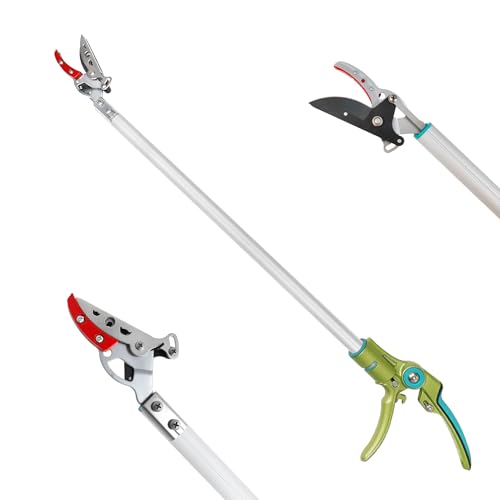
[REACH HIGH & STAY SAFE](No Ladder Required) Say goodbye to wobbly ladders! This 32inch long reach pole pruner offers an extra 30 inches of safe reach, allowing you to prune high branches or tall fruit trees while standing firmly on the ground. It’s the perfect extension tool for maintaining your backyard without the risk of falling.

PRUNING SHEARS - Cuts Effortlessly. Equipped with high-quality SK5 carbon steel blades with superb sharpness and edge retention. These hand pruners can easily cut through stalks and branches up to 3/4" in diameter.

Sharp & Rustproof: Our garden scissors are made of premium stainless steel material, which has corrosion resistance and good hardness. Sharp blades can quickly finish pruning tasks for gardens, vegetable gardens, orchards, and indoor plants
Tools Required
- Pruning Shears: Use bypass shears for small branches up to ¾ inch in diameter. They provide clean cuts, promoting faster healing.
- Loppers: Loppers are ideal for branches up to 2 inches thick. Their long handles offer better leverage.
- Pruning Saw: For larger branches, a pruning saw allows for effective cutting without damaging the tree.
- Gloves: Protect your hands from thorns and sharp edges by wearing durable gardening gloves.
- Disinfectant: Keep tools clean by using a disinfectant solution, such as rubbing alcohol, before and after use to prevent disease spread.
- Assess the Tree: Examine branches for dead, diseased, or overcrowded areas before pruning. Identifying these issues helps you target your cuts effectively.
- Make Clean Cuts: Cut branches at a 45-degree angle just above a bud or lateral branch to encourage new growth and minimize disease risk.
- Limit Cuts: Avoid removing more than 20-30% of a tree’s foliage in a single season. Extreme pruning can stress the tree.
- Focus on Structure: Shape the tree by removing weak or crossing branches. This practice improves air circulation and light access.
- Prune at the Right Time: Perform pruning in late winter to early spring for most deciduous trees. For evergreen trees, prune after harvest in late summer or early fall.
- Monitor Growth: After pruning, observe your tree’s growth and overall health throughout the season. Adjust care as needed to promote strong development.
Employing these techniques ensures your fruit trees thrive, leading to healthier trees and better fruit yields.
Common Mistakes To Avoid
- Pruning at the Wrong Time
Pruning during the wrong season can hinder tree growth. For instance, pruning deciduous trees in late spring may encourage weak growth. Stick to late winter or early spring for the best results. - Removing Too Much Foliage
Cutting off more than 20-30% of the tree’s foliage can cause stress. To maintain tree health, prune judiciously. Focus on creating a balanced structure rather than excessive thinning. - Neglecting Tool Maintenance
Using dull or dirty tools introduces disease to the tree. Keep pruning shears and saws clean and sharp for precise cuts. This practice promotes better healing and overall tree vitality. - Ignoring Tree Structure
Failing to assess the tree’s shape before cutting can lead to poor results. Step back and visualize the desired structure to guide your cuts. Aim for a balanced canopy that allows sunlight penetration. - Overlooking Signs of Disease
Ignoring decay or disease symptoms can be detrimental. Always inspect branches for signs of pests or rot. Remove affected wood promptly to prevent the spread of disease. - Improper Cutting Technique
Making cuts at improper angles can harm the tree. Always use a 45-degree cutting angle. This technique encourages quicker healing and reduces the risk of rot. - Neglecting Follow-Up Care
Failing to monitor growth after pruning can lead to missed issues. Check your trees regularly for signs of stress or nutrient deficiency. Address problems early to sustain optimal health. - Pruning Without a Plan
Pruning without a clear strategy can result in unnecessary cuts. Make a plan based on the tree’s specific needs and growth stage. Know what to keep and what to remove before starting.
Conclusion
Taking the time to prune your fruit trees at the right moment can make all the difference in their health and productivity. By understanding the unique needs of each type of tree and recognizing when to cut back, you’re setting yourself up for a bountiful harvest.
Remember to use the right tools and techniques to ensure clean cuts and minimal stress on your trees. Keeping an eye on their growth and adjusting your approach as needed will help you avoid common pitfalls.
With a little patience and care your fruit trees will thrive and reward you with delicious fruits for years to come. Happy pruning!
Frequently Asked Questions
What is the best time to prune fruit trees?
Pruning timing varies by tree type. Generally, prune deciduous trees in late winter to early spring, evergreen trees after harvest in late summer or early fall, and stone fruit trees in late winter to early spring to prevent disease.
Why is pruning necessary for fruit trees?
Pruning enhances fruit yield by improving light exposure and air circulation, reduces the risk of diseases, maintains tree shape, and strengthens branch structure, ultimately promoting healthier tree growth and longer lifespan.
What tools do I need for pruning fruit trees?
Essential pruning tools include pruning shears, loppers, and saws. Ensure your tools are clean and well-maintained to make precise, angled cuts that promote tree health.
How much should I prune my fruit trees?
Limit foliage removal to about 20-30% in a single season. This prevents stressing the tree and encourages healthy growth while maintaining a balanced structure.
What are common mistakes to avoid when pruning?
Avoid mistakes like pruning at the wrong time, removing too much foliage, and using dull tools. Ensure to monitor tree structure and follow a clear pruning plan to maximize health and productivity.
