

Wondering when to trim your fruit trees for the best results? You’re not alone. Many gardeners struggle with timing, unsure whether they should prune in winter or wait until spring. Making the right choice can mean the difference between a bountiful harvest and a disappointing season.
Key Takeaways
- Optimal Pruning Times: The best times to prune fruit trees vary by species; early spring is ideal for apple and pear trees, while summer pruning benefits stone fruit like peaches and plums.
- Pruning Benefits: Regular pruning enhances tree health by increasing yield, improving structure, and aiding disease management, ultimately leading to a more productive harvest.
- Essential Techniques: Employ techniques such as thinning, heading back, and deadheading to encourage healthy growth and optimal fruiting.
- Tools Matter: Use the right tools—pruning shears, loppers, and pruning saws—to ensure efficient and clean cuts, promoting healthier trees and reducing the risk of disease.
- Common Mistakes: Avoid pruning at inappropriate times, over-pruning, and neglecting tool maintenance, as these can hinder growth and lead to tree stress.
- Consider Local Climate: Always factor in local weather conditions when planning your pruning schedule to mitigate risks associated with frost or excessive heat stress.
Understanding Fruit Tree Pruning
Pruning fruit trees encourages healthy growth and maximizes fruit yield. You can enhance air circulation, light penetration, and tree structure through proper pruning techniques.
Recommended Products

PROFESSIONAL GARDENING GRAFTING TOOLS: Including 2 in 1 grafting pruning tools, 3 replaceable blades, a grafting knife, a screwdriver, a wrench, 2 grafting films, 160 rubber bands, 40 wide rubber bands, and 50 colorful tag cards

✂Multifunctional -2 in 1 Garden Grafting Tools-Professional grafting set allows you to pruning and grafting at the same time, saving more time and effort than traditional grafting methods, easy to use and more efficient. It allows you to trim away excess leaves and twigs and prepare the plants to be grafted. At the same time, you can make a precise cut into the grafting stock with the special grafting blade.

★ 1. What you get: Professional convenient grafting tool set including a dual-use grafting pruner tool contain 2 extra replaceable blades, a wrench and a screwdriver, along with 36pcs wide rubber bands, 150 thick rubber bands and 1 grafting tape, packed in a black wallet to meet all your needs
Timing of Pruning
Pruning occurs during specific times based on the kind of fruit tree. For example:
- Winter Pruning: Ideal for most deciduous trees. This timing encourages robust growth during the spring.
- Summer Pruning: Useful for managing vigor in strong-growing trees and promoting fruit quality.
- Post-Harvest Pruning: Conducted after fruit harvesting for specific types like apple and pear trees. It allows for corrective cutting while trees are dormant.
Benefits of Pruning
Pruning your fruit trees yields several advantages:
- Increased Yield: Properly pruned trees produce more fruit by focusing energy on key branches.
- Disease Management: Removing dead or diseased branches prevents the spread of pathogens.
- Improved Structure: Ensuring a strong framework reduces the risk of breakage during heavy fruit seasons.
Tools Needed for Pruning
You’ll need specific tools to ensure effective pruning:
- Pruning Shears: Useful for small branches and green growth.
- Loppers: Ideal for thicker branches, offering greater leverage.
- Pruning Saw: Necessary for larger limbs that require more force to cut.
Pruning Techniques
Using the right techniques ensures healthy tree growth:
- Thinning: Remove selected branches to improve light exposure and air circulation.
- Heading Back: Cut back branches to a bud to promote bushy growth.
- Deadheading: Remove spent flowers and branches to encourage new growth.
- How much can I prune? Aim for no more than 25% of the tree’s canopy in a single season to avoid stressing it.
- What time of day is best for pruning? Late afternoon or early evening works best. This timing helps reduce stress from heat exposure.
By understanding these concepts and techniques, you can ensure a fruitful harvest while maintaining the health of your fruit trees.
Factors Influencing Pruning Time
Pruning timing affects both tree health and fruit yield, making specific factors crucial for decision-making.
Tree Species
Different fruit tree species have unique pruning needs. For example, peach trees benefit from winter pruning to encourage new growth and better fruiting. Apple and pear trees often see better results with post-harvest pruning, which helps reduce disease and promote airflow. Be mindful that ornamental and flowering trees might require different timing and techniques. Understanding each species’ requirements aids in maximizing both growth and harvest quality.
Climate Conditions
Climate conditions play a vital role in determining when to prune. In warmer regions, winter pruning may happen as early as January, while in colder areas, late winter or early spring ensures trees are not vulnerable to frost. In regions with wet summers, summer pruning can help manage plant vigor and enhance light penetration. Always consider local weather patterns, as extreme heat or cold can stress trees, impacting their recovery from pruning.
Best Times to Trim Different Fruit Trees
Timing is crucial when trimming fruit trees. Different species thrive with specific pruning schedules.
Recommended Products

Unbreakable sharpness! Japanese SK5 steel blade with titanium coating endures 100,000 cuts. Built for lifelong clean cuts
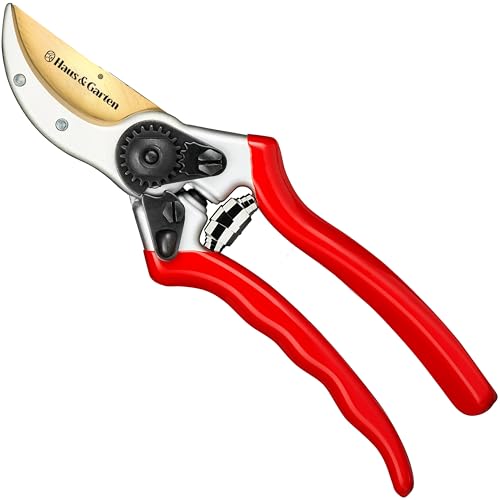
Sharp, Clean Cuts Every Time – Engineered from Japanese grade, high-carbon steel, ClassicPRO bypass pruning shears for gardening stay sharp and make precise cuts that encourage healthy growth and won’t damage your plants

DUAL CUTTING POWER: VERSATILE PRUNING COMBO --- With both Pruning Shears and Pruning Snip, this combo delivers unmatched versatility. Whether you're delicately trimming flowers and shrubs, tackling thicker tree branches, or tending to your vegetable and fruit garden, our combo pack excels in all areas. They're also perfect for landscaping projects and maintaining the health and appearance of indoor plants. With this pack, you have a versatile tool that simplifies your gardening tasks.
Early Spring Trimming
Early spring is an ideal time for trimming many deciduous fruit trees. This timing allows you to take advantage of the tree’s dormancy. Pruning at this stage encourages robust growth and prepares the tree for a season of heavy fruiting.
Key steps for early spring trimming:
- Inspect the tree for any dead or damaged branches.
- Make clean cuts at a 45-degree angle to avoid water accumulation.
- Focus on thinning out crowded areas for improved air circulation.
Apple, pear, and cherry trees benefit greatly from early spring pruning. This timing enhances their structure and encourages fruitful growth.
Late Summer Trimming
Late summer trimming helps manage tree vigor and maintain quality fruit. By this time, trees have developed a strong framework, allowing you to shape them effectively. Pruning in late summer redirects the plant’s energy into fruit development rather than excessive foliage growth.
Steps for successful late summer trimming:
- Remove any water sprouts and suckers, which sap energy from the tree.
- Lightly thin branches to prevent overcrowding.
- Avoid heavy pruning to minimize stress on the tree.
Stone fruit trees, like peaches and plums, respond well to late summer pruning. This timing maximizes fruit yield and maintains tree health.
Common Mistakes to Avoid
Avoiding mistakes during fruit tree pruning enhances tree health and fruit yield. Here are some common pitfalls to steer clear of:
Pruning at the Wrong Time
Pruning during the wrong season can lead to poor growth and reduced fruit production. Stick to the recommended times for each fruit tree species. For example, prune peach trees in late winter or early spring, while apple and pear trees benefit from post-harvest trimming.
Over-Pruning
Cutting too much can stress the tree and hinder growth. Limit pruning to 25% of the canopy in a single season. Remember, less is often more when it comes to maintaining tree health.
Neglecting Tool Maintenance
Using dull or dirty tools can damage branches and introduce diseases. Keep your pruning shears sharp and clean to make clean cuts. Regular maintenance promotes healthier tree structure.
Focusing on Aesthetic Over Health
Pruning for appearance rather than tree health can lead to issues. Prioritize cuts that enhance air circulation and light penetration. Always think about the tree’s overall health.
Ignoring Tree Type-Specific Needs
Different fruit trees have unique requirements. Research specific needs for each type you have. For instance, citrus trees often require different techniques compared to stone fruit trees.
Not Cleaning Cuts Properly
Failing to clean cuts can allow diseases to enter the tree. Use proper techniques, like making slanted cuts, to ensure water drains away from the wound. Seal larger cuts if necessary to prevent infection.
Disregarding Local Weather Conditions
Ignoring your local climate can impact pruning success. Understand how temperature and weather patterns in your area affect your pruning schedule. Adjust timing to avoid frost damage or excessive heat stress.
By avoiding these common mistakes, you’ll support the health and productivity of your fruit trees, leading to a more abundant harvest season after season.
Conclusion
Finding the best time to trim your fruit trees can make all the difference in your harvest. By understanding the specific needs of each tree and considering your local climate, you can ensure healthy growth and a bountiful yield. Remember to keep an eye on the weather and choose the right tools for the job.
Avoid common mistakes and stay mindful of your tree’s unique requirements. With a little care and attention, you’ll be well on your way to enjoying delicious fruit from your well-maintained trees. Happy pruning!
Frequently Asked Questions
When is the best time to prune fruit trees?
The best time to prune fruit trees varies by type. Most deciduous trees benefit from winter pruning, while summer pruning helps manage vigor. For apple and pear trees, post-harvest pruning is recommended. Early spring is ideal for many, allowing for robust growth.
Why is pruning important for fruit trees?
Pruning is essential for promoting healthy growth, maximizing fruit yield, and improving air circulation and light penetration. It helps maintain tree structure and manage diseases, leading to a more fruitful harvest.
What tools are needed for effective pruning?
Essential tools for effective pruning include pruning shears for small branches, loppers for medium branches, and pruning saws for larger limbs. Having sharp and clean tools ensures better cuts and reduces the risk of disease.
Can I prune my fruit trees any time of year?
While some trees can tolerate pruning throughout the year, it’s important to avoid key growing seasons to prevent stress. Pruning should align with specific fruit tree timing, generally during late winter, early spring, or post-harvest.
How much of the tree can I prune at once?
It’s recommended to limit pruning to no more than 25% of the tree’s canopy in a single season. This helps prevent stress and encourages healthy growth without overwhelming the tree.
What are common mistakes to avoid when pruning?
Common mistakes include pruning at the wrong time, over-pruning, neglecting tools, and focusing on aesthetics over health. Additionally, it’s essential to consider the specific needs of each tree type and local weather conditions.
How does climate affect the pruning schedule?
Pruning timing can vary with climate conditions. In warmer regions, winter pruning may begin earlier, while colder areas might need to wait until late winter or early spring to avoid frost damage.
What techniques should I use when pruning?
Key pruning techniques include thinning to reduce overcrowding, heading back to encourage new growth, and deadheading to remove spent flowers. Each technique serves a specific purpose in enhancing tree health and fruit production.
