

Are you wondering if 16-16-16 fertilizer is the right choice for your fruit trees? You’re not alone. Many gardeners face the challenge of choosing the best fertilizer to ensure healthy growth and bountiful harvests. With so many options available, it can be tough to know what truly benefits your trees.
Key Takeaways
- Balanced Nutrient Profile: 16-16-16 fertilizer comprises equal parts nitrogen, phosphorus, and potassium, making it suitable for promoting healthy growth in fruit trees.
- Application Timing: Start applying the fertilizer in early spring and continue every 4 to 6 weeks until mid-summer to support optimal growth and fruit development.
- Age-Based Guidelines: Adjust the amount of fertilizer based on tree age, using 0.25 to 3 lbs depending on whether the tree is young, established, or mature.
- Monitor Tree Health: Regularly check for signs of nutrient deficiency or over-fertilization, like yellowing leaves, to ensure your trees remain healthy and productive.
- Consider Soil Health: Repeated use of synthetic fertilizers can harm soil health; incorporating organic matter is recommended to enhance fertility and microbial activity.
- Explore Alternatives: Organic fertilizers and specialized products can effectively support fruit tree growth, offering tailored nutrient profiles for different growth stages.
Overview of 16-16-16 Fertilizer
16-16-16 fertilizer represents a balanced NPK ratio, containing equal parts nitrogen, phosphorus, and potassium. Each nutrient plays a crucial role in plant health.
Nitrogen
Nitrogen supports leaf and stem growth, contributing to lush foliage. For fruit trees, adequate nitrogen promotes robust vegetative growth, essential for photosynthesis.
Phosphorus
Phosphorus aids root development and flowering. It enhances fruit set and quality, making it vital for fruit production. Healthy root systems help your fruit trees absorb water and nutrients efficiently.
Potassium
Potassium boosts overall plant health and disease resistance. It also helps in the development of fruit quality, ensuring that fruits are sweeter and more flavorful.
Application Guidelines
Apply 16-16-16 fertilizer during the growing season. Start in early spring when trees begin to grow. Follow these steps for effective application:
- Determine the Amount: Base the amount on the tree’s age and size. A general guideline is 1 pound for small trees and up to 3 pounds for larger trees.
- Even Distribution: Spread the fertilizer evenly around the root zone, avoiding direct contact with the trunk.
- Watering: Water thoroughly after application to help nutrients penetrate the soil.
Benefits for Fruit Trees
Using 16-16-16 fertilizer promotes balanced growth across all stages. You’ll see healthier trees, increased flowering, and higher fruit yields. Its versatility makes it suitable for various types of fruit trees, from apples to peaches.
Considerations
Monitor your trees’ growth and adjust fertilizer methods based on their specific needs. Soil testing can help you understand nutrient levels. If deficiencies appear, consider supplementing with specialized fertilizers targeting those specific nutrients.
16-16-16 fertilizer offers a well-rounded nutrient profile ideal for fostering healthy growth in fruit trees.
Nutrient Composition
The composition of 16-16-16 fertilizer provides a balanced source of essential nutrients for your fruit trees. This fertilizer contains equal parts of nitrogen, phosphorus, and potassium, each element supporting different aspects of tree health.
Recommended Products

2X MORE VALUE: The 16 oz HiThrive fertilizer for fruit trees makes 16 gallons of liquid plant food outdoor, while the bigger size 32 oz bottle makes 32 gallons for lasting care of your fruit trees.
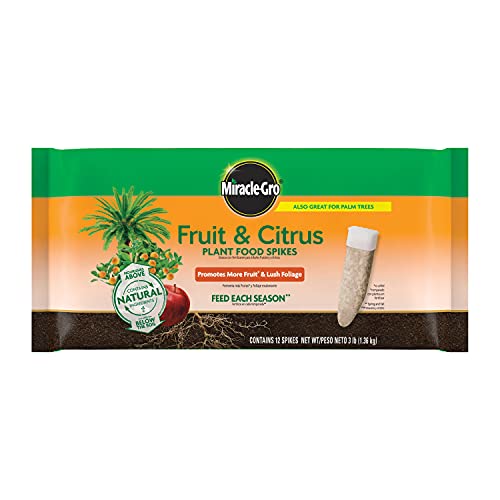
FORMULATED FOR CITRUS AND FRUIT TREES: Use these citrus fertilizer spikes on apple, orange, lemon, lime, and avocado trees; this formula is also great for feeding palm trees

Package contains 4 Pounds organic fruit and citrus fertilizer grains and is produced to avoid wasteful runoff, mess, hazards and smells
Importance of Nitrogen, Phosphorus, and Potassium
- Nitrogen enhances leaf and stem growth, promoting lush foliage that captures sunlight for photosynthesis. Healthy leaves contribute to stronger trees and better fruit production.
- Phosphorus plays a vital role in root development and flowering. Strong root systems help absorb water and nutrients, while robust blooms lead to abundant fruit sets.
- Potassium is essential for overall plant health. It supports disease resistance, aids in water regulation, and enhances fruit quality, resulting in tastier harvests.
Benefits for Fruit Trees
Using 16-16-16 fertilizer offers numerous benefits for your fruit trees:
- Improved Growth: Regular application leads to healthier trees with vigorous growth rates.
- Increased Flowering: Enhanced phosphorus levels improve flowering, increasing your chances for better fruit production.
- Higher Yields: Adequate potassium levels boost fruit quality and quantity, ensuring a more productive harvest.
- Balanced Nutrition: With its equal NPK ratio, 16-16-16 allows for well-rounded nutrition, reducing the need for multiple fertilizers.
You can maximize the advantages of 16-16-16 fertilizer by applying it during the growing season, starting in early spring and adjusting amounts based on tree age and size.
Application Guidelines for Fruit Trees
Understanding how to apply 16-16-16 fertilizer effectively can enhance the growth and productivity of your fruit trees. Follow these guidelines to maximize the benefits.
Recommended Products

2X MORE VALUE: The 16 oz bottle of Berry Plant Fertilizer makes 16 gallons of blueberry fertilizer & strawberry fertilizer, while the bigger size 32 oz bottle makes 32 gallons for lasting care.


2X MORE VALUE: The 16 oz Apple Fertilizer for fruit trees makes 16 gallons of apple tree spray, while the bigger size 32 oz bottle makes 32 gallons for your apple trees live plants.
Timing and Frequency
Apply 16-16-16 fertilizer during the growing season. Start in early spring when trees begin to show new growth. Fertilization should occur every 4 to 6 weeks until mid-summer. This timing ensures trees receive nutrients when they need them most for leaf, flower, and fruit development.
Recommended Rates
Fertilizer application rates depend on the age and size of your fruit trees. Here’s a quick reference:
| Tree Age | Amount of 16-16-16 Fertilizer per Tree |
|---|---|
| Young (1-2 years) | 0.25 to 0.5 lbs |
| Established (3-5 years) | 0.5 to 1.5 lbs |
| Mature (6+ years) | 1.5 to 3 lbs |
Spread the fertilizer evenly around the tree’s root zone, avoiding direct contact with the trunk. Water the area thoroughly after application to help dissolve the fertilizer and promote nutrient absorption.
Keep an eye on your trees. Monitor for signs of nutrient deficiency, like yellowing leaves or poor fruit quality. Adjust fertilization as necessary to ensure your trees thrive throughout the growing season.
Potential Drawbacks
Using 16-16-16 fertilizer for fruit trees presents a few potential drawbacks that deserve attention.
Risks of Over-fertilization
Over-fertilization can lead to nutrient imbalances, causing growth problems. Signs of over-fertilization include leaf burn and stunted growth. You might notice yellowing leaves or excessive leaf drop due to too much nitrogen. Avoid applying more than the recommended amounts based on your trees’ age and size. Always check for signs of stress and adjust your fertilization routine accordingly.
Impact on Soil Health
Using 16-16-16 fertilizer repeatedly can negatively impact soil health. Continuous applications may lower soil microbial activity, which is essential for nutrient cycling. Soil lacking in organic matter can become compacted and less productive over time. Consider integrating organic matter, such as compost, into your fertilization routine. This practice supports soil structure and promotes healthier root systems while minimizing potential issues associated with synthetic fertilizers.
Alternatives to 16-16-16 Fertilizer
When considering alternatives to 16-16-16 fertilizer, various options can effectively support fruit tree growth.
Recommended Products

Down to Earth Fruit Tree is a five pound box of all natural fertilizer with 6-2-4 formula and is listed by the Organic Materials Review Institute (OMRI) for use in organic production

FOR USE ON: Use Citrus-tone organic fertilizer for all citrus trees, including lemon, lime, orange, Meyer Lemon Trees as well as for avocado & nut trees

Down To Earth Citrus Mix is a five pound box of all natural fertilizer with 6-3-3 formula and is listed by the Organic Materials Review Institute (OMRI) for use in organic production
Organic Options
Organic fertilizers offer a natural approach to nourishing fruit trees. These fertilizers enhance soil health and promote microbial activity. Examples include:
- Compost: Rich in nutrients, compost improves soil structure and water retention. Spread a 2-3 inch layer around the tree’s root zone in early spring.
- Manure: Well-rotted manure provides essential nutrients. Use it sparingly, about 1-2 inches, worked into the soil before planting or applied in early spring.
- Bone Meal: High in phosphorus, bone meal supports root development. Mix 1-2 cups into the soil at planting or apply in early spring.
- Fish Emulsion: This liquid fertilizer boosts growth with nitrogen. Dilute according to package instructions and apply every 4-6 weeks during the growing season.
Each option improves soil health while providing essential nutrients.
Specialized Fruit Tree Fertilizers
Specialized fruit tree fertilizers cater specifically to the needs of fruit-bearing trees. These formulations consider growth stages and nutrient requirements. Examples include:
- Bloom Booster: This fertilizer has higher phosphorus levels. Apply during the blooming phase to support flower development and fruit set.
- Slow-Release Fertilizer: These fertilizers release nutrients gradually over time, providing a steady supply. Use according to the manufacturer’s instructions, often every 2-3 months.
- High-Potassium Fertilizers: Ideal for fruit development, these fertilizers enhance sweetness and overall fruit quality. Apply during the fruiting season for best results.
Selecting the right alternative fertilizer can optimize growth and enhance fruit production effectively.
Conclusion
Choosing the right fertilizer for your fruit trees is key to achieving vibrant growth and bountiful harvests. The 16-16-16 fertilizer can be a solid option thanks to its balanced nutrient profile. Just remember to apply it carefully and keep an eye on your trees for any signs of over-fertilization.
Don’t forget that soil health is just as important. Integrating organic matter can enhance your soil and support your trees even more. Whether you stick with 16-16-16 or explore other options, you’re on the right path to nurturing your fruit trees and enjoying their delicious rewards. Happy gardening!
Frequently Asked Questions
What is 16-16-16 fertilizer?
16-16-16 fertilizer is a balanced fertilizer with equal parts nitrogen, phosphorus, and potassium, essential for promoting healthy growth and fruit production in trees.
How does 16-16-16 fertilizer benefit fruit trees?
It supports leaf growth, root development, flowering, and overall plant health, leading to increased yields and healthier trees.
When should I apply 16-16-16 fertilizer?
Apply it during the growing season, starting in early spring, with specific amounts based on the tree’s age and size.
How much 16-16-16 fertilizer should I use for my trees?
Young trees (1-2 years): 0.25 to 0.5 lbs; Established trees (3-5 years): 0.5 to 1.5 lbs; Mature trees (6+ years): 1.5 to 3 lbs.
Can over-fertilization harm my trees?
Yes, over-fertilization can cause nutrient imbalances, leading to issues like leaf burn, yellowing leaves, and stunted growth.
What are the signs of nutrient deficiency in fruit trees?
Signs include yellowing leaves, poor fruit quality, and minimal growth, indicating the need for increased fertilization.
Are there organic alternatives to 16-16-16 fertilizer?
Yes, options include compost, well-rotted manure, bone meal, and fish emulsion, which improve soil health while providing necessary nutrients.
How can I improve soil health when using fertilizers?
Integrate organic matter, such as compost, into your fertilization routine to promote better soil structure and a healthier root system.
What specialized fertilizers can I use for fruit trees?
Consider using bloom boosters, slow-release fertilizers, or high-potassium fertilizers to meet the specific nutrient needs of fruit-bearing trees.
