
Close Menu
    Fruit Tree Hub
    • Home
    • Apple Trees
    • Lemon Trees
    • Mango Trees
    • Orange Trees
    • More Trees
      • Best Fruit Trees
      • Apricot Trees
      • Cherry Trees
      • Fig Trees
      • Lime Trees
      • Mulberry Trees
      • Peach Trees
      • Pear Trees
      • Plum Trees
      • Pomegranate Trees
    • Tips and Advice
      • Tools
    • About Us
      • Contact
      • Privacy Policy
    Fruit Tree Hub
    Home»Tips and Advice»How Long Does It Take Fruit Trees to Produce: Factors That Influence Fruit-Bearing Timeframes
    Tips and Advice

    How Long Does It Take Fruit Trees to Produce: Factors That Influence Fruit-Bearing Timeframes

    Martha JacksonBy Martha JacksonFebruary 19, 20257 Mins Read
    Share Facebook Twitter Pinterest WhatsApp Email
    Share
    Facebook Twitter LinkedIn Pinterest Telegram Email

    Have you ever wondered how long you’ll wait before enjoying the fruits of your labor with a new fruit tree? Planting a tree can feel like a leap of faith, especially when you’re eager for that first harvest. Whether you’re dreaming of juicy apples or sweet peaches, patience is key.

    Contents show
    1 Key Takeaways
    2 Understanding Fruit Tree Growth Stages
    2.1 Germination Stage
    2.2 Seedling Stage
    3 Factors Influencing Production Time
    3.1 Tree Species
    3.2 Environmental Conditions
    3.3 Care and Maintenance
    4 Average Timeframes for Common Fruit Trees
    4.1 Apple Trees
    4.2 Cherry Trees
    4.3 Peach Trees
    5 Tips for Faster Fruit Production
    5.1 Proper Pruning Techniques
    5.2 Fertilization Strategies
    6 Conclusion
    7 Frequently Asked Questions
    7.1 How long does it take for a fruit tree to bear fruit?
    7.2 What are the growth stages of fruit trees?
    7.3 What factors influence fruit production time?
    7.4 How can I encourage faster fruit production?
    7.5 What are the best pruning practices for fruit trees?

    Key Takeaways

    • Understanding Growth Stages: Familiarize yourself with the various stages of fruit tree development—germination, seedling, and maturity—to set realistic expectations for fruit production.
    • Species Matters: Different fruit tree species have varying timeframes for bearing fruit. For instance, apple trees produce in 3-5 years, while cherry trees may take 4-7 years.
    • Environmental Factors: Fruit production is influenced by conditions such as sunlight, temperature, and soil quality. Ensure your trees receive 6-8 hours of direct sunlight and well-draining soil for optimal growth.
    • Proper Care and Maintenance: Regular watering, fertilizing, and pruning are crucial for encouraging quicker fruit production. Aim for about 1 inch of water per week and use appropriate fertilizer for your specific tree species.
    • Tips for Faster Production: Implement strategic pruning and fertilization techniques to enhance growth rates. Prune in late winter and fertilize in early spring for the best results.
    • Patience is Key: While it’s essential to provide the right conditions and care, remember that growing fruit trees is a long-term commitment, and patience is crucial for enjoying a bountiful harvest.
    MUST READ
    What Fruit Trees Grow in Iowa: Top Varieties and Growing Tips for Your Garden

    Understanding Fruit Tree Growth Stages

    Understanding the growth stages of fruit trees helps set realistic expectations for when you’ll see fruit. Each stage plays a crucial role in the overall development of your tree.

    Germination Stage

    Germination begins when a seed absorbs moisture and swells. The process lasts from 7 to 14 days, depending on the temperature and moisture level. You can expect visible signs of growth as the seed’s protective coat breaks. This stage is vital, as an environment with optimal conditions increases the chances of successful sprouting.

    Seedling Stage

    During the seedling stage, typically lasting from a few weeks to several months, the young plant focuses on building a strong root system and developing its first true leaves. You’ll notice the seedling growing taller and stronger. Proper care, such as sufficient water and light, is essential during this time. A healthy seedling lays the groundwork for future growth and fruit production.

    Factors Influencing Production Time

    Several factors affect how long it takes for fruit trees to produce fruit. Understanding these can help you set realistic expectations.

    Recommended Products
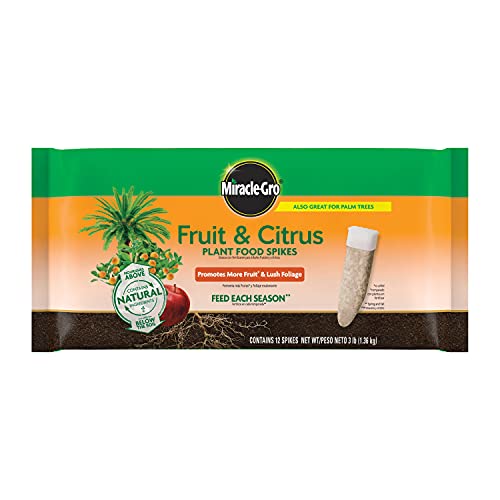
    Miracle-Gro Fruit & Citrus Plant Food Spikes, 12 Spikes, 3 lb. | 10-15-15 Easy-to-Use Nutrient Spikes for Fruit and Citrus Trees, Plant Fertilizer
    Miracle-Gro Fruit & Citrus Plant Food Spikes, 12 Spikes, 3 lb. | 10-15-15 Easy-to-Use Nutrient Spikes for Fruit and Citrus Trees, Plant Fertilizer

    FORMULATED FOR CITRUS AND FRUIT TREES: Use these citrus fertilizer spikes on apple, orange, lemon, lime, and avocado trees; this formula is also great for feeding palm trees

    VIEW LATEST PRICE

    As an affiliate, we earn on qualifying purchases.

    Jobe’s Organics Granular Garden Fertilizer, Easy Plant Care Fertilizer for Fruit and Nut Plants and Trees, 4 lbs Bag
    Jobe’s Organics Granular Garden Fertilizer, Easy Plant Care Fertilizer for Fruit and Nut Plants and Trees, 4 lbs Bag

    Package contains 4 Pounds organic fruit and nut fertilizer grains and is produced to avoid wasteful runoff, mess, hazards and smells

    VIEW LATEST PRICE

    As an affiliate, we earn on qualifying purchases.

    Jobe’s Garden Fertilizer Spikes, Easy Plant Care Slow Release Fertilizer for Fruit and Citrus Plants and Trees, 9 Count
    Jobe’s Garden Fertilizer Spikes, Easy Plant Care Slow Release Fertilizer for Fruit and Citrus Plants and Trees, 9 Count

    Package contains 9 fruit and citrus fertilizer spikes and is produced to avoid wasteful runoff, mess, hazards and smells

    MUST READ
    Can I Prune Fruit Trees in November: Essential Tips for Healthy Growth and Fruit Production
    VIEW LATEST PRICE

    As an affiliate, we earn on qualifying purchases.

    Tree Species

    Tree species significantly impacts production time. Some trees bear fruit within a few years, while others take much longer.

    • Apple Trees: Typically produce fruit in 3 to 5 years.
    • Peach Trees: Usually start bearing fruit in 3 to 4 years.
    • Cherry Trees: Often take 4 to 7 years before harvest.

    Selecting a species suited to your expectations and climate can make a noticeable difference.

    Environmental Conditions

    Environmental conditions play a crucial role in the growth and fruiting of trees. Key factors include:

    • Sunlight: Most fruit trees require full sun, meaning at least 6 to 8 hours of direct sunlight daily.
    • Temperature: Many trees thrive in temperatures between 60°F and 75°F during the growing season.
    • Soil Quality: Well-draining, nutrient-rich soil promotes healthy root systems, aiding in earlier fruiting.

    Creating a suitable environment encourages faster growth and fruit production.

    Care and Maintenance

    Proper care and maintenance directly influence how quickly fruit trees produce. Here are some essential practices:

    • Watering: Regular, deep watering supports healthy growth, especially during dry spells. Aim for about 1 inch of water per week.
    • Fertilizing: Use a balanced fertilizer according to the specific needs of your tree species to enhance growth and fruit yield.
    • Pruning: Prune trees during dormancy to remove dead or diseased branches, allowing for better light penetration and air circulation.

    Consistent care helps your trees reach maturity and produces fruit sooner.

    Average Timeframes for Common Fruit Trees

    Understanding when you can expect fruit production from your trees helps manage anticipation and excitement. Each fruit tree species varies significantly in its timeline for fruit-bearing.

    Recommended Products

    200+ Mix Dwarf Bonsai Fruit Tree Seeds for Planting, 4 Variety Individual Packs, 50+ Lemon Tree Seeds 50+ Cherry Tree Seeds 50+ Orange Tree Seeds 50+ Apple Seeds Organic Heirloom Fruit Seeds
    200+ Mix Dwarf Bonsai Fruit Tree Seeds for Planting, 4 Variety Individual Packs, 50+ Lemon Tree Seeds 50+ Cherry Tree Seeds 50+ Orange Tree Seeds 50+ Apple Seeds Organic Heirloom Fruit Seeds

    4 kinds of the most popular fruits, individually packaged, 50pcs Lemon seeds 50pcs Cherry seeds 50pcs Orange seeds 50pcs Apple seeds Fresh seeds, all fruit seeds are packed in tear and moisture resistant zipper sealed bags for your long term storage.

    MUST READ
    Can You Prune Fruit Trees in September: Essential Tips for Healthy Growth and Fruit Production
    VIEW LATEST PRICE

    As an affiliate, we earn on qualifying purchases.

    Mixrug 5+ Dwarf Peach Tree Seeds for Planting,Organic Fruit Tree Seeds,Prunus Persica Seed Non-GMO Heirloom for Sweet Juicy Fruit, Self Pollinating & Fast Growing Backyard Orchard Tree
    Mixrug 5+ Dwarf Peach Tree Seeds for Planting,Organic Fruit Tree Seeds,Prunus Persica Seed Non-GMO Heirloom for Sweet Juicy Fruit, Self Pollinating & Fast Growing Backyard Orchard Tree

    Product Quantity: Five+ dwarf peach tree seeds per packet; Premium selection for optimal viability; Perfect for starting your own backyard orchard
    VIEW LATEST PRICE

    As an affiliate, we earn on qualifying purchases.

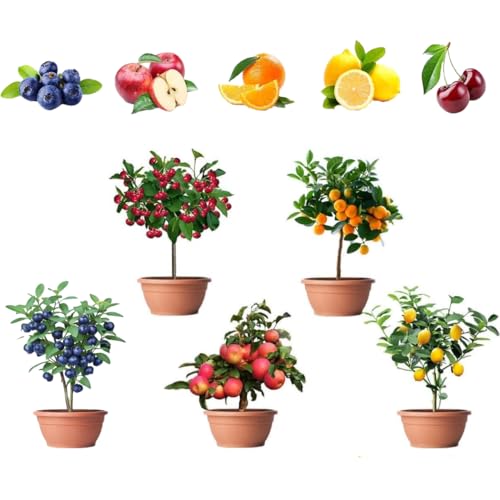
    160PCS Mixed Dwarf Bonsai Fruit Tree Seeds for Planting – 5 Variety Pack: 40 Lemon, 40 Orange, 40 Apple, 20 Cherry, 20 Blueberry – Heirloom Non-GMO Fruit Seeds for Indoor & Outdoor Garden
    160PCS Mixed Dwarf Bonsai Fruit Tree Seeds for Planting – 5 Variety Pack: 40 Lemon, 40 Orange, 40 Apple, 20 Cherry, 20 Blueberry – Heirloom Non-GMO Fruit Seeds for Indoor & Outdoor Garden

    Variety Pack of 5 Fruits: Includes 40 Lemon seeds, 40 Orange seeds, 40 Apple seeds, 20 Cherry seeds, and 20 Blueberry seeds for a colorful and diverse home garden

    VIEW LATEST PRICE

    As an affiliate, we earn on qualifying purchases.

    Apple Trees

    Apple trees typically produce fruit within 3 to 5 years after planting. Standard varieties often yield sooner than dwarf varieties. Proper care, including regular pruning and fertilizing, can help speed up the process. Consider planting disease-resistant cultivars to ensure a healthy harvest.

    Cherry Trees

    Cherry trees take longer, usually producing fruit in 4 to 7 years. Sweet cherry varieties may take closer to 7 years, while sour cherries can bear fruit sooner, around 4 to 5 years. Provide full sun exposure and well-draining soil to encourage earlier fruiting.

    Peach Trees

    Peach trees generally bear fruit within 3 to 4 years. Timely pruning helps shape the tree and promotes air circulation, improving fruit quality. Choosing a self-pollinating variety can enhance yield without needing another tree nearby.

    Tips for Faster Fruit Production

    Achieving quicker fruit production requires attention and strategy. Focus on these key practices to enhance your results.

    Recommended Products

    Fruit Tree Pruning: The Science and Art of Cultivating Healthy Fruit Trees (The Complete Fruit Tree Grower’s Collection)
    Fruit Tree Pruning: The Science and Art of Cultivating Healthy Fruit Trees (The Complete Fruit Tree Grower’s Collection)
    VIEW LATEST PRICE
    MUST READ
    How Long Until a Lemon Tree Produces Fruit and Tips for Faster Growth

    As an affiliate, we earn on qualifying purchases.

    QWORK Gardening Grafting Cutter, Manual Grafting/Pruning Cutter, Plant/Fruit Tree Budding Tool with 2 Plants Repair Tapes for Floral Fruit Tree
    QWORK Gardening Grafting Cutter, Manual Grafting/Pruning Cutter, Plant/Fruit Tree Budding Tool with 2 Plants Repair Tapes for Floral Fruit Tree

    Package Includes: Contents 1 Manual gardening grafting cutter and 2 rolls of 2 sizes of grafting tape, meeting your needs.

    VIEW LATEST PRICE

    As an affiliate, we earn on qualifying purchases.

    The Beginner's Guide to Fruit Tree Pruning: Confident Cuts for Apples, Pears, Cherries, Plums, Peaches and Citrus in a Home Garden
    The Beginner's Guide to Fruit Tree Pruning: Confident Cuts for Apples, Pears, Cherries, Plums, Peaches and Citrus in a Home Garden
    VIEW LATEST PRICE

    As an affiliate, we earn on qualifying purchases.

    Proper Pruning Techniques

    Pruning plays a vital role in fruit tree health and productivity. Use these proper pruning techniques to boost fruit yield:

    • Timing Matters: Prune during late winter or early spring before new growth begins.
    • Remove Dead Wood: Cut away any dead or diseased branches to promote healthy growth.
    • Shape the Tree: Focus on creating an open center to allow sunlight to reach the inner branches, encouraging fruit development.
    • Thin Out Fruit: When clusters form, thin them out to promote larger, healthier fruit on fewer branches.

    Fertilization Strategies

    Strategic fertilization fuels fruit tree growth and speeds up production. Follow these fertilization strategies for optimal results:

    • Choose the Right Fertilizer: Use a balanced fertilizer with equal parts nitrogen, phosphorus, and potassium (N-P-K) to provide comprehensive nutrients.
    • Application Timing: Fertilize in early spring when trees begin to wake from dormancy to support new growth.
    • Monitor Soil Health: Conduct a soil test annually to determine nutrient deficiencies and adjust your fertilization routine accordingly.
    • Organic Options: Consider compost or well-rotted manure to enrich soil naturally while offering consistent nutrients.

    Incorporating these tips will position your fruit trees for faster and more abundant production.

    Conclusion

    Growing fruit trees is a rewarding journey that requires a blend of patience and care. While waiting for that first bite of fresh fruit can feel like an eternity it’s essential to remember that each stage of growth is vital to your tree’s health.

    MUST READ
    When Do Jujube Trees Fruit: Essential Tips for Growing and Harvesting Your Own Crop

    By understanding the timelines and factors that affect fruit production you can nurture your trees with confidence. With the right practices in place your patience will surely pay off when you finally enjoy the fruits of your labor. So keep nurturing your trees and soon enough you’ll be savoring the sweet rewards of your hard work.

    Frequently Asked Questions

    How long does it take for a fruit tree to bear fruit?

    The time it takes for a fruit tree to bear fruit varies by species. For example, apple trees typically produce fruit in 3 to 5 years, peach trees in 3 to 4 years, and cherry trees generally take 4 to 7 years. Proper care and environmental conditions can influence this timeframe.

    What are the growth stages of fruit trees?

    Fruit trees go through several growth stages: the germination stage, lasting 7 to 14 days, involves seeds absorbing moisture and sprouting. Following this is the seedling stage, which can last from a few weeks to several months, focusing on establishing a strong root system and true leaves.

    What factors influence fruit production time?

    Several factors affect how quickly a fruit tree produces fruit, including the tree species, environmental conditions (like sunlight and soil quality), and proper care practices. Healthy trees in optimal conditions will yield fruit quicker than those lacking adequate care.

    How can I encourage faster fruit production?

    To encourage faster fruit production, practice proper pruning techniques, apply balanced fertilizers at the right time, and maintain soil health through annual tests. Additionally, considering disease-resistant cultivars and self-pollinating varieties can improve yields.

    What are the best pruning practices for fruit trees?

    Effective pruning involves timing (early spring), removing dead wood, shaping the tree for sunlight access, and thinning out fruit clusters. These practices promote better air circulation and larger fruit yields, ensuring your tree remains healthy and productive.

    Share. Facebook Twitter Pinterest LinkedIn Tumblr Email
    martha jackson
    Martha Jackson

      Martha Jackson is an accomplished freelance writer and editor with a strong interest in gardening. With a degree in English from the University of California, Berkeley, Martha has over 15 years of experience writing for a variety of publications. She is passionate about making gardening accessible to all and is always seeking out new techniques and innovations.

      Related Posts

      How Long Until Avocado Trees Bear Fruit and Tips for Faster Growth at Home

      February 20, 2025

      What Yellow Fruit Grows on Trees and Their Delicious Health Benefits

      February 20, 2025

      How to Air Layer Fruit Trees: A Step-by-Step Guide for Successful Propagation

      February 20, 2025

      When Do Grapefruit Trees Produce Fruit and How to Maximize Your Harvest

      February 20, 2025

      What Is a Fast Growing Fruit Tree: Discover Quick-Yield Options for Your Garden

      February 20, 2025

      Do Cherry Blossom Trees Have Fruit? Discover the Truth About Their Edibility and Benefits

      February 20, 2025
      Leave A Reply Cancel Reply

      Affiliate Disclosure

      As an Amazon Associate I earn from qualifying purchases.

      Recommended Reading

      How Long Mango Tree Take to Fruit: Guidelines for Fast and Healthy Harvesting

      How to Grow Kiwi Berry: Your Guide to Fresh, Organic Fruits at Home

      What Nectarine Tree Leaves Look Like: A Detailed Anatomy Guide

      Growing Almond Trees in Louisville, KY (River Valley Success)

      Can Apricot Trees Grow in Pittsburgh, PA? (Hilly Terrain Guide)

      How to Get Lemon Tree to Bear Fruit: Essential Tips for a Successful Harvest

      Raspberries: Do They Grow on Trees and How to Cultivate Them Successfully

      When Will an Avocado Tree Bear Fruit: Essential Care Tips for Healthier Harvests

      Jujube Trees in Chula Vista, CA (Coastal Success Secrets)

      How to Choose the Right Loquat Tree Variety

      Fruit Tree Hub

      Fruit Tree Hub is a website dedicated to providing you everything you need to grow fruit trees successfully at in your own yard.

      Contact us at: [email protected]

      - AFFILIATE DISCLOSURE: As an Amazon Associate I earn from qualifying purchases.

      Latest Posts

      18 Coastal Crochet Tops in White and Neutral Shades

      16 Retro Crochet Tops Built Around Multicolor Granny Squares

      16 Modest Crochet Tops Featuring Higher Necklines

      19 Cottagecore Crochet Tops With Square Necklines

      13 Ruffled Crochet Tops With Flared Hems

      19 Lace Crochet Tops Featuring Intricate Openwork

      14 Floral Crochet Tops Inspired by Botanical Motifs

      20 Boho Crochet Halter Tops for Festival Outfits

      Categories
      • Almond Trees
      • Apple Trees
      • Apricot Trees
      • Best Fruit Trees
      • Blackberry
      • Cantaloupe
      • Cherry Trees
      • Christmas Crochet Ideas
      • Crochet Bag Ideas
      • Crochet Blanket Ideas
      • Crochet Dress Ideas
      • Crochet Ideas
      • Crochet Ideas for Beginners
      • Crochet Top Ideas
      • Cucamelon
      • Easy Crochet Ideas
      • Easy Knitting Projects
      • Fall Crochet Ideas
      • Fig Trees
      • Grapefruit Trees
      • Grapes
      • Guava Trees
      • Halloween Crochet Ideas
      • Honeydew
      • Jujube Trees
      • Kiwi
      • Knitting For Beginners
      • Knitting Ideas
      • Knitting Inspiration
      • Lemon Trees
      • Lime Trees
      • Loquat Trees
      • Mango Trees
      • Mulberry Trees
      • Nectarine Trees
      • Olive Trees
      • Orange Trees
      • Papaya Trees
      • Peach Trees
      • Pear Trees
      • Persimmon Trees
      • Planting
      • Plum Trees
      • Pomegranate Trees
      • Quince Trees
      • Raspberry
      • Reviews
      • Small Crochet Ideas
      • Star Fruit Trees
      • Summer Crochet Ideas
      • Tamarind Trees
      • Tangerine Trees
      • Tips and Advice
      • Tools
      • Uncategorized
      • Walnut Trees
      • Winter Crochet Ideas
      © 2026 Fruit Tree Hub
      • Home
      • About Us
      • Contact
      • Privacy Policy
      • Terms and Conditions
      • Disclaimer
      • Editorial Policy
      • Affiliate Disclosure

      Type above and press Enter to search. Press Esc to cancel.