

Have you ever wondered why your citrus trees aren’t producing as much fruit as you’d like? You’re not alone. Many gardeners face this challenge, and the right fertilizer can make all the difference.
Key Takeaways
- Nutritional Needs: Citrus trees thrive on key nutrients such as nitrogen, phosphorus, potassium, magnesium, and calcium for optimal growth and fruit production.
- Fertilizer Types: Choose between organic options like compost and manure, or synthetic fertilizers that provide quick nutrient availability, ensuring they are formulated specifically for citrus.
- Balanced NPK Ratio: Opt for fertilizers with a balanced NPK ratio, typically around 8-8-8 or 10-10-10, and look for micronutrients like iron and manganese for enhanced health.
- Application Timing: Fertilize during the growing season, focusing on spring and mid-summer while avoiding fall and winter when trees are dormant.
- Soil Considerations: Adjust fertilization frequency based on soil type, with sandy soils requiring more frequent feeding and clay soils benefiting from less frequent applications.
- Regular Monitoring: Continuously observe your citrus trees for growth patterns to tailor fertilization needs and ensure optimal fruit quality and yield.
Overview of Citrus Fruit Trees
Citrus fruit trees include popular varieties such as oranges, lemons, limes, and grapefruits. These trees thrive in warm climates, making them ideal for regions like California and Florida. Citrus trees prefer well-drained soil with high organic matter and a pH level between 6.0 and 7.5.
Citrus trees typically bloom in spring. Flowers attract pollinators, leading to fruit formation. Fruits develop over several months, depending on the variety. For example, sweet oranges mature in about 9 to 12 months, while lemons take about 6 to 9 months.
Proper maintenance enhances fruit production. Watering needs vary based on age and climate, but trees need about an inch of water each week during the growing season. Fertilization also plays a crucial role. Regular applications of appropriate fertilizers support healthy growth and optimize fruit yield.
Pests and diseases can affect citrus trees. Common pests include aphids and spider mites. Fungal issues like powdery mildew can also occur. Regular monitoring and early intervention improve tree health and productivity.
By understanding the needs of citrus trees, you can create an environment that promotes robust fruit production.
Importance of Fertilization
Fertilization plays a vital role in the growth and health of citrus fruit trees. Proper fertilization enhances fruit production, improves overall tree vigor, and helps trees cope with environmental stress.
Nutritional Needs of Citrus Trees
Citrus trees require specific nutrients to thrive. Key nutrients include:
- Nitrogen: Essential for leaf growth and overall vigor.
- Phosphorus: Supports root development and improves flowering.
- Potassium: Increases fruit quality and resistance to diseases.
- Magnesium: Important for chlorophyll production and photosynthesis.
- Calcium: Strengthens cell walls and reduces the risk of blossom end rot.
Using a balanced fertilizer formulated for citrus trees ensures that these nutrients are supplied in appropriate amounts.
Impact on Fruit Quality and Yield
Fertilization directly influences both the quality and yield of citrus fruits. Well-fed trees produce fruits that are larger, juicier, and more flavorful. For example, applying the right fertilizer at the right time can lead to fruit that has higher sugar content and enhanced flavor profiles. Additionally, fertilization helps prevent issues such as fruit drop and poor coloration, leading to a more visually appealing harvest.
Regularly monitoring your trees and adjusting fertilizer applications based on growth and fruiting patterns ensures optimal results.
Types of Fertilizers for Citrus Trees
Fertilizers are crucial for the health and productivity of citrus trees. Understanding the different types can help you make the best choice for your trees.
Recommended Products

Package contains 4 Pounds organic fruit and citrus fertilizer grains and is produced to avoid wasteful runoff, mess, hazards and smells

Made for Lemon & Citrus Trees – Formulated to support healthy growth in lemon trees and citrus plants

THE SECRET TO THRIVING TREES: The citrus tree fertilizer provides slow-release nitrogen to fuel your trees' vegetative growth
Organic Fertilizers
Organic fertilizers promote soil health and support beneficial organisms. Common options include:
- Compost: This provides a rich source of nutrients. Use well-aged compost to improve soil texture and fertility.
- Manure: Both chicken and cow manure offer nitrogen and essential trace minerals. Ensure it’s well-composted to avoid burning the roots.
- Bone Meal: Rich in phosphorus, bone meal encourages root development. Apply it during planting or as a side dressing.
Synthetic Fertilizers
Synthetic fertilizers offer quick nutrient availability. They usually contain a mix of nitrogen, phosphorus, and potassium (NPK). Examples include:
- Granular Fertilizers: These are easy to apply. Look for formulations specifically designed for citrus, typically with an NPK ratio of around 3-1-1.
- Water-Soluble Fertilizers: These dissolve in water for quick absorption. They usually come in packets, allowing for easy mixing and application during watering.
Slow-Release vs. Fast-Release Fertilizers
Choosing between slow-release and fast-release fertilizers helps meet your trees’ needs:
- Slow-Release Fertilizers: These provide a steady supply of nutrients over time. Use them if you prefer less frequent applications, as they allow for prolonged nutrition.
- Fast-Release Fertilizers: These deliver nutrients immediately. Use them when your trees show signs of nutrient deficiency or during vigorous growth, but be cautious as they require more frequent application.
By selecting the appropriate fertilizer type, you support the growth and fruit production of your citrus trees effectively.
What Is the Best Fertilizer for Citrus Fruit Trees
Choosing the right fertilizer for citrus fruit trees enhances their growth and boosts fruit production. Understanding the specific nutritional needs of your trees can make a significant difference.
Recommended Products
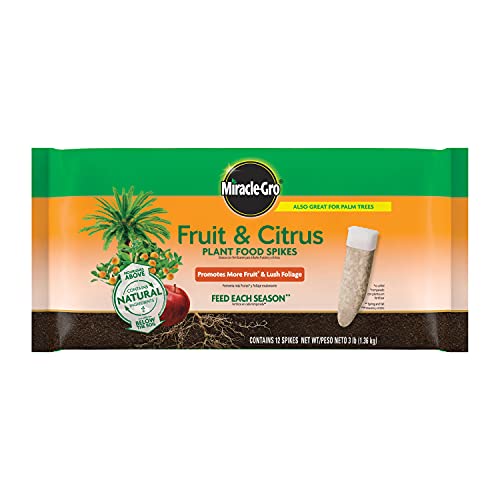
FORMULATED FOR CITRUS AND FRUIT TREES: Use these citrus fertilizer spikes on apple, orange, lemon, lime, and avocado trees; this formula is also great for feeding palm trees

🍋 EXPLOSIVE HARVEST: GardenWise ignites a remarkable yield boost. Its scientific blend, featuring 6% nitrogen for growth, 4% phosphorus for flowering, and 6% potassium for fruit quality, culminates in an abundance of flavorful, aromatic fruits. This is more than growth; it's a nutrient-powered revolution in your citrus yield.

Package contains 9 fruit and citrus fertilizer spikes and is produced to avoid wasteful runoff, mess, hazards and smells
Key Ingredients to Look For
When selecting fertilizer for citrus trees, focus on key nutrients, including:
- Nitrogen: Supports leaf growth and overall vigor.
- Phosphorus: Promotes root development and flowering.
- Potassium: Enhances fruit size and quality.
- Magnesium: Aids in chlorophyll production for healthy foliage.
- Calcium: Strengthens cell walls, helping to prevent blossom end rot.
Aim for a balanced NPK ratio. A standard fertilizer analysis for citrus trees is often 8-8-8 or 10-10-10. Furthermore, look for formulations that include micronutrients like iron, manganese, and zinc, which are crucial for optimal growth and health.
Recommended Products
Consider these effective fertilizers for your citrus trees:
| Product Name | Type | Nutrient Ratio | Application Frequency |
|---|---|---|---|
| Miracle-Gro Water Soluble | Synthetic | 15-30-15 | Every 2-4 weeks |
| Jobe’s Organics Citrus Mix | Organic | 3-5-5 | Every 6-8 weeks |
| Osmocote Smart-Release | Controlled-Release | 14-14-14 | Every 3-4 months |
| Dr. Earth Organic Fertilizer | Organic | 4-6-2 | Every 2-3 months |
Always follow the package instructions for proper application rates. Regularly monitor your trees for growth and adjust fertilization as needed. This strategy leads to vibrant trees and bountiful fruit.
Application Tips for Fertilizing Citrus Trees
Fertilizing citrus trees correctly enhances their growth and boosts fruit production. Implement the following tips to achieve the best results.
Recommended Products

🍋 EXPLOSIVE HARVEST: GardenWise ignites a remarkable yield boost. Its scientific blend, featuring 6% nitrogen for growth, 4% phosphorus for flowering, and 6% potassium for fruit quality, culminates in an abundance of flavorful, aromatic fruits. This is more than growth; it's a nutrient-powered revolution in your citrus yield.

CITRUS PLANT FOOD: This avacado, mango and citrus fruit tree fertilizer feeds plants for up to 3 months and nourishes above and below the soil

SLOW-RELEASE FORMULA FOR CONSISTENT NUTRITION: Designed as a slow release fertilizer, our 18-6-8 blend gradually feeds plants over time, supporting steady growth without frequent reapplication. Suitable as a citrus fertilizer, indoor plant fertilizer, or outdoor plant fertilizer, it integrates easily into potting soil, garden soil, or container setups while maintaining balanced plant nutrition throughout the growing cycle.
Timing and Frequency
- Apply Fertilizer in Spring: Fertilize your citrus trees when new growth begins, usually between March and April.
- Follow Up in Summer: A second application around mid-summer can support fruit development. Consider applying in late June or early July.
- Use Monthly Fertilizer: If using a water-soluble fertilizer, apply it monthly during the growing season for consistent nutrient availability.
- Reduce During Dormancy: Fertilization isn’t necessary in fall or winter when trees enter dormancy. Halt applications from late October until early March.
- For Sandy Soil: Fertilize more frequently, as sandy soil drains quickly. Use a slow-release formula to maintain nutrient levels.
- For Clay Soil: Fertilize less often since nutrients retain better in clay. Use a balanced fertilizer to avoid nutrient buildup.
- For Loamy Soil: Fertilize during recommended times, as loamy soil provides good drainage and nutrient balance. Follow standard application rates.
- Adjust for Soil pH: Test your soil pH annually. Apply amendments like sulfur to lower pH or lime to raise it, ensuring your citrus trees thrive.
By following these timing and soil-specific guidelines, you can foster healthier citrus trees with abundant fruit yields.
Conclusion
Choosing the right fertilizer for your citrus trees can make all the difference in their growth and fruit production. By paying attention to their specific nutrient needs and applying the right products at the right times, you’ll set your trees up for success. Remember to monitor their health and adjust your fertilization routine as needed.
With a little care and the right approach, you’ll be rewarded with bountiful, juicy fruits that’ll make your gardening efforts worthwhile. Happy gardening and enjoy the fruits of your labor!
Frequently Asked Questions
What causes low fruit production in citrus trees?
Low fruit production in citrus trees can be caused by several factors, including inadequate fertilization, poor soil quality, incorrect pH levels, and lack of pollination. Proper care and monitoring are essential for improving fruit yield.
How do I choose the right fertilizer for my citrus trees?
Select fertilizers that contain key nutrients such as nitrogen, phosphorus, potassium, magnesium, and calcium. A balanced NPK ratio like 8-8-8 or 10-10-10 is recommended. Organic options like compost and synthetic options like water-soluble fertilizers can both be effective.
When should I fertilize my citrus trees?
Fertilize citrus trees in early spring when new growth begins, and again in mid-summer. For water-soluble fertilizers, monthly applications during the growing season are beneficial for promoting healthy growth and fruit production.
What are the best practices for watering citrus trees?
Citrus trees prefer regular watering, especially during the growing season. Ensure the soil is well-drained, and water deeply to encourage deep root growth. Adjust watering frequency based on weather conditions and soil type.
How can I improve the soil for citrus trees?
To improve soil for citrus trees, ensure it is well-drained and rich in organic matter. A pH level between 6.0 and 7.5 is ideal. Regularly amend the soil with compost or well-rotted manure to enhance its health and fertility.
What pests should I watch for on citrus trees?
Common pests affecting citrus trees include aphids, spider mites, and scale insects. Regular monitoring and early intervention are crucial to manage these pests and maintain tree health.
How can I tell if my citrus tree is healthy?
A healthy citrus tree displays vibrant green leaves, regular blooming, and robust growth. Monitor for signs of stress, such as yellowing leaves, stunted growth, or poor fruit development, which may indicate underlying issues.
Are organic fertilizers better than synthetic for citrus trees?
Both organic and synthetic fertilizers have their advantages. Organic fertilizers enhance soil health and support beneficial organisms, while synthetic fertilizers provide quick nutrient access. The best choice depends on your gardening style and specific plant needs.
