

Wondering when to prune your fruit tree for the best results? You’re not alone. Many gardeners struggle with timing, unsure if they’re helping or hindering their tree’s growth. Pruning at the right time can make all the difference in fruit production and tree health.
Key Takeaways
- Optimal Pruning Timing: The best time to prune most fruit trees is late winter or early spring when they are dormant, promoting recovery and minimizing stress.
- Health Benefits: Pruning encourages healthy growth by removing dead or diseased branches, which helps prevent the spread of pests and diseases.
- Yield Improvement: Regular pruning increases yields by allowing the tree to focus energy on fruit production rather than maintaining excess branches.
- Enhanced Airflow: Pruning opens up the tree canopy, improving airflow and reducing humidity, which decreases the risk of fungal infections and improves fruit health.
- Tree Shape Maintenance: Pruning shapes the tree for optimal structure, ensuring better access to sunlight and reducing breakage risks during heavy fruiting.
- Signs for Pruning: Look for dead branches, overgrowth, and poor growth as indicators that your fruit tree needs pruning to enhance health and productivity.
Importance of Pruning
Pruning plays a crucial role in the growth and health of your fruit trees. It enhances fruit production by improving light penetration and air circulation within the tree canopy. Properly pruned trees produce larger and tastier fruit. Here are some key points to consider:
Promotes Healthy Growth
Pruning removes dead or diseased branches. This action prevents pests and diseases from spreading. You can encourage new growth by cutting back overgrown or crowded branches.
Shapes the Tree
Pruning helps shape your fruit tree for optimal structure. By establishing a strong central leader and well-spaced branches, the tree can access sunlight effectively. This technique improves balance and reduces the risk of breakage during heavy fruiting seasons.
Increases Yields
Regular pruning leads to better yields. Removing excess wood allows the tree to focus its energy on producing fruit instead of maintaining unnecessary branches. This focus leads to higher-quality crops.
Encourages Airflow
Pruning opens up the canopy of the tree. Good airflow around the branches reduces humidity levels, which decreases the risk of fungal diseases. Improved airflow also contributes to healthier fruit development.
Maintenance of Tree Size
Pruning maintains the desired size of your fruit trees. Controlled growth allows for easier harvest and care. Smaller trees are more manageable and prevent overcrowding in your garden space.
By implementing proper pruning techniques, you can ensure your fruit trees thrive and produce abundant, high-quality fruit.
Timing for Pruning
Pruning fruit trees at the right time ensures healthy growth and abundant fruit production. Understanding the best timing can lead to better results in your garden.
Recommended Products


Package Includes: Contents 1 Manual gardening grafting cutter and 2 rolls of 2 sizes of grafting tape, meeting your needs.

Seasonal Considerations
Pruning timing varies with seasons. Late winter or early spring is ideal for most fruit trees, as this is when trees are still dormant. This timing promotes recovery and minimizes stress. Avoid pruning in the fall; this can stimulate new growth that won’t survive winter. For summer-pruning, focus on young trees to manage growth and improve light exposure.
Age of the Tree
The age of your tree also affects pruning timing. For young trees, focus on shaping and reducing height during late winter or early spring. This encourages strong structure. For mature trees, prune in the dormant season, removing dead or diseased branches to enhance growth. With elderly trees, consider pruning lightly and selectively to avoid shocking them, as this might impact their fruiting capability.
By following these guidelines on timing, you can maximize your fruit tree’s health and productivity for the growing season.
Pruning Techniques
Pruning techniques are vital for ensuring healthy growth and maximum fruit production in your trees. Understanding the different types of cuts and the tools needed can make a significant difference.
Recommended Products

CLAMPING JAWS – Electric chainsaw tree loppers with innovative jaws that grab and cut wood in one easy motion

10FT POLE TREE PRUNER WITH SAW FUNCTION: Designed primarily for high branch trimming with pull-rope pruning shears, while the integrated saw provides an additional cutting option when needed. This manual tree pruner combines pruning and sawing functions in one long-reach tool for routine tree care in yards, gardens, and orchards.
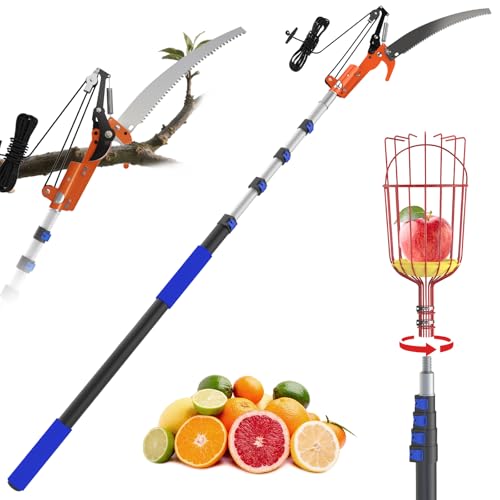
2-in-1 Extendable Tree Pruner & Pole Saw - This pole saws for tree trimming combines a 13.8" sharp steel blade and scissors for all your tree trimming needs. The manual pole saw features sharpened teeth made of high-quality carbon steel, delivering high cutting power while being lightweight. A non-stick coating ensures smooth, efficient branch trimming, saving you time and effort. Perfect for cutting trees, bamboo, PVC pipes, and more.
Types of Pruning Cuts
- Thinning Cuts: Thinning cuts remove entire branches to improve light penetration and airflow. This technique encourages healthy growth by allowing more sunlight to reach the tree’s interior.
- Heading Cuts: Heading cuts shorten branches, which promotes bushier growth. Use this technique to control the height of a tree and stimulate new growth from dormant buds.
- Pinching: Pinching removes small tips of young, soft growth. This method can help shape the tree and promote more lateral branches.
- Rejuvenation Cuts: Rejuvenation cuts involve cutting back older, overgrown trees to invigorate growth. This technique helps restore shape and encourages new fruit-bearing wood.
- Bypass Pruners: Bypass pruners offer clean cuts for branches up to ¾ inch thick. Their design provides a smooth cut, reducing damage to the tree.
- Loppers: Loppers are suitable for larger branches, typically between ¾ and 1½ inches thick. They allow for greater leverage, making it easier to tackle thicker wood.
- Pruning Saw: A pruning saw works well for limbs thicker than 1½ inches. It’s essential for making clean cuts on larger branches.
- Hedge Shears: Hedge shears are useful for shaping and maintaining smaller shrubs. They help achieve a neat appearance and encourage bushier growth.
- Safety Gear: Always wear gloves and safety glasses. Protective gear ensures safety while pruning sharp tools.
By employing the right techniques and tools, you enhance the health and productivity of your fruit trees, setting the stage for a fruitful harvest.
Signs a Tree Needs Pruning
Recognizing the signs that indicate a fruit tree needs pruning helps maintain its health and productivity. Observe your tree closely for the following indicators.
Recommended Products

· ULTRA-SHARP SK5 STAINLESS STEEL - Engineered with premium SK5 stainless steel, these heavy duty pruning shears deliver razor-sharp precision and maximum hardness. The rust-resistant blades are designed to stay sharp longer, effortlessly resisting corrosion and sap buildup for smooth, friction-free garden shears performance year after year.

Sharp & Rustproof: Our garden scissors are made of premium stainless steel material, which has corrosion resistance and good hardness. Sharp blades can quickly finish pruning tasks for gardens, vegetable gardens, orchards, and indoor plants

DUAL CUTTING POWER: VERSATILE PRUNING COMBO --- With both Pruning Shears and Pruning Snip, this combo delivers unmatched versatility. Whether you're delicately trimming flowers and shrubs, tackling thicker tree branches, or tending to your vegetable and fruit garden, our combo pack excels in all areas. They're also perfect for landscaping projects and maintaining the health and appearance of indoor plants. With this pack, you have a versatile tool that simplifies your gardening tasks.
Health Indicators
- Dead or Diseased Branches: Branches showing signs of decay or discoloration must be removed to prevent spreading disease.
- Crossing or Rubbing Branches: Remove branches that rub against each other, as they can create wounds that lead to infection.
- Overgrowth: Dense canopies restrict light and air circulation. Prune to open up the tree and improve overall health.
- Poor Growth: Branches with stunted or poor growth signal an imbalance in the tree. Pruning encourages more vigorous growth.
- Excessive Vertical Growth: Trees that shoot upward excessively require pruning. Focus on shaping the structure for balance.
- Weak or Leggy Branches: Leggy or weak branches lack support. Prune to encourage strong, healthy branches that can bear fruit.
- Suckers: Remove suckers growing at the base or along the branches. They drain resources from the main tree.
- Fruit Production Decline: Trees that produce fewer fruits need pruning to rejuvenate growth and enhance fruiting capability.
By addressing these signs promptly, you can support your tree’s health and promote bountiful harvests in the future.
Conclusion
Pruning your fruit trees at the right time can make all the difference in their health and productivity. By staying aware of the signs that indicate when pruning is necessary and using the right techniques, you can ensure your trees thrive. Remember that late winter or early spring is often the best time for most fruit trees, while young trees may benefit from summer pruning to manage their growth.
With a little attention and care, you can enjoy a bountiful harvest and keep your trees healthy for years to come. Happy pruning!
Frequently Asked Questions
When is the best time to prune fruit trees?
Pruning is best done in late winter or early spring when fruit trees are dormant. This timing minimizes stress on the tree and promotes recovery. Avoid pruning in the fall as it can stimulate new growth that may not survive winter conditions.
What are the benefits of pruning fruit trees?
Pruning fruit trees improves their health and increases fruit production by enhancing light penetration and air circulation. It removes dead or diseased branches, shapes the tree for better structure, and redirects energy towards fruit yield.
What tools are essential for pruning fruit trees?
Essential pruning tools include bypass pruners, loppers, pruning saws, and hedge shears. Using the right tools helps in making clean cuts, which is crucial for the tree’s recovery and overall health.
How do I know if my fruit tree needs pruning?
Signs that a fruit tree needs pruning include dead or diseased branches, crossing branches, poor growth, excessive vertical growth, and a decline in fruit production. Addressing these signs promptly helps maintain the tree’s health.
Can I prune young and mature fruit trees differently?
Yes, young trees should be shaped and reduced in height during late winter or early spring, while mature trees are pruned in the dormant season to remove dead or diseased branches. Each requires different techniques to ensure healthy growth.
What are the different types of pruning cuts?
Different types of pruning cuts include thinning cuts (to improve light), heading cuts (to encourage bushier growth), pinching (to shape young trees), and rejuvenation cuts (for overgrown trees). Each cut serves a specific purpose in promoting health and fruit production.
