

Have you ever wondered how long it takes for an almond tree to start bearing fruit? If you’re considering planting one or just curious about these delicious nuts, you’re not alone. Many people face the same question when thinking about growing their own almond trees.
Knowing the timeline for fruiting can help you plan your garden better and set realistic expectations. Whether you’re hoping to enjoy fresh almonds in a few years or just want to understand the growing process, this article will guide you through the journey from planting to harvesting. You’ll learn the key factors that influence fruiting and get tips to ensure your almond tree thrives.
Key Takeaways
- Almond trees typically begin to bear fruit 3 to 4 years after planting, with full production reached between 5 to 7 years.
- Ideal growing conditions include well-drained sandy loam soil, full sun exposure for at least six hours daily, and a Mediterranean climate.
- Regular maintenance such as proper watering, fertilization, and pruning is essential for promoting healthy growth and maximizing fruit yield.
- Pollination is crucial; planting at least two different almond varieties ensures successful fruit production.
- Factors such as tree age, environmental conditions, and variety influence the quality and quantity of almond production.
Overview Of Almond Trees
Almond trees (Prunus dulcis) thrive in well-drained soil and need full sun exposure. These trees generally reach a height of 10 to 15 feet and possess a spreading canopy. Most importantly, they produce beautiful pink or white blossoms in early spring, creating stunning visuals.
Growth Timeline
Almond trees typically take 3 to 4 years to start bearing fruit after planting. However, several factors influence this timeline:
- Variety: Some almond tree varieties, such as Nonpareil, may fruit faster than others.
- Climate: Almonds flourish in Mediterranean climates with warm, dry summers and cool, wet winters.
- Care: Adequate water, nutrients, and pruning promote healthy growth and earlier fruiting.
Ideal Conditions
Almond trees require specific conditions to thrive:
- Watering: Establish a consistent watering schedule. Young trees need deep watering every week during dry spells.
- Soil: Light, sandy loam is optimal. Ensure the soil drains well to prevent root rot.
- Pollination: Most almond varieties need cross-pollination. Plant at least two different varieties within proximity to ensure fruit production.
Maintenance Tips
Proper maintenance improves fruit yield. Here are some key tips:
- Pruning: Prune in late winter to maintain shape and remove any dead or diseased wood.
- Fertilization: Use a balanced fertilizer in early spring. This supports healthy growth and fruit development.
- Pest Control: Monitor for pests like the peach twig borer. Apply organic pesticides as needed.
Harvesting
Once your almond tree begins to bear fruit, harvesting occurs in late summer to early fall.
- Timing: Nuts are ready when the hull splits open.
- Method: Gently shake the tree to drop the nuts. Collect them promptly to prevent mold.
Understanding these aspects of almond trees helps you set realistic expectations for fruiting and guides you towards successful cultivation.
Factors Influencing Fruit Production
Several factors influence the fruit production of almond trees. Knowing these elements helps you maximize yields and improve the overall health of your trees.
Recommended Products

Accurate Soil Moisture Detection: The XLUX Soil Moisture Meter can tell you if the soil deep inside your pot or garden is dry, moist or wet; whereas your eyes and fingers can only determine the moisture level of the soil surface. The probe is 5.5 inches (14 cm) longer than regular styles, allowing it to measure the soil moisture at the bottom of larger and deeper flower pots.

【Instant & Accurate Moisture Reading, No More Guesswork】 This plant moisture meter gives precise soil moisture readings in seconds! The responsive pointer instantly tells you if soil is dry, moist, or wet. It helps avoid overwatering & root rot, letting you water plants like a pro with confidence

【4 in 1 function】This is a 4-in-1 multifunctional soil tester.Our soil tester fastly to measure soil moisture, pH, temperature and sunlight to help you take better care of flowers and plants.You can know when you need to water your soil by measuring moisture and pH & Temperature value of the soil and sunlight level of plants with it.
Tree Age
Tree age plays a crucial role in fruit production. Almond trees typically begin to bear fruit at three to four years old. Full production usually occurs after five to seven years. Younger trees often produce fewer almonds, while mature trees can yield between 50 to 100 pounds of almonds annually.
Environmental Conditions
Environmental conditions significantly affect almond production. Factors to consider include:
- Climate: Almond trees thrive in Mediterranean climates with warm, dry summers and cool, wet winters. Ideal temperatures range from 32°F to 45°F during winter dormancy and between 75°F to 85°F during the growing season.
- Soil: Well-drained, sandy loam soils are best for almond cultivation. Poor drainage can lead to root rot and decreased fruit yield.
- Sunlight: Almond trees need full sun for at least six hours daily. Insufficient sunlight can lead to reduced flowering and fruit set.
Variety of Almond Trees
Different almond tree varieties influence fruiting timelines and yields. Common varieties include:
- Nonpareil: Known for high-quality nuts, it starts producing at three years and yields heavily by five years.
- Carmel: This variety typically buds later, reducing frost risk, and begins producing nuts at four years old.
- Tuono: An Italian variety, it’s valued for its flavor and starts bearing fruit around four years of age.
Choosing the right variety for your region can optimize fruit production and ensure a successful harvest.
Timeframe For Almond Trees To Bear Fruit
Almond trees take several years to begin producing fruit. Understanding their growth phases helps manage expectations and plan for harvests.
Recommended Products

Boosts Fruit & Nut Yields: True Fruit & Nut Food encourages productive tree growth, promoting bountiful harvests of fruits and nuts for your family table.

LASTING COLOR: Miracle-Gro Tree & Shrub Plant Food Spikes are fertilizer spikes for trees and shrubs; they promote vibrant color and foliage for trees and shrubs in your yard
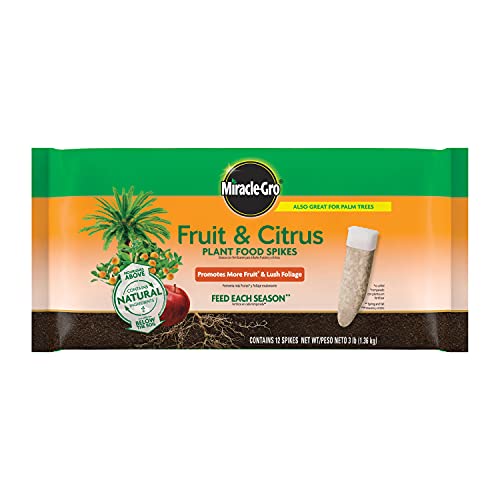
FORMULATED FOR CITRUS AND FRUIT TREES: Use these citrus fertilizer spikes on apple, orange, lemon, lime, and avocado trees; this formula is also great for feeding palm trees
Initial Growth Phase
During the initial growth phase, almond trees thrive for about three years. In this period, you focus on establishing the root system and developing strong branches. Ensuring proper watering and fertilization supports healthy growth. Ideal soil conditions include well-drained sandy loam. Maintaining full sun exposure promotes vigorous leaf development, which is essential for future fruit production.
First Fruit Production
Expect almond trees to produce their first fruit around three to four years old. Some varieties may bear fruit slightly earlier, while others might take longer. Factors like climate, tree care, and pollination methods play crucial roles in this timeline. When conditions are favorable, you’ll see small, green almonds forming. Full production typically occurs between five to seven years, with mature trees yielding between 50 to 100 pounds of almonds annually. Pruning the trees during their dormant season enhances fruit quality and yield.
Care And Maintenance For Optimal Fruit Yield
Proper care and maintenance significantly influence the fruit yield of almond trees. To achieve the best results, focus on soil quality, watering, and fertilization.
Recommended Products

How to Accurately Test Garden's Soil pH? Many growers do not able to use the correct tools and methods to obtain accurate soil ph values; NewTest soil ph test kit includes upgraded soil ph test strips, measuring cylinders, and instructions for professional testing methods; it allows even beginners to easily and accurately obtain soil ph values
KNOW BEFORE YOU GROW | Grow the healthiest, sustainable lawn and garden with the most accurate and easy to use professional soil test kit on the market

Accurate Soil pH Testing: Dewildetradingco Soil pH Test Strips offer measurements of soil pH levels (pH 3.5-9). As an essential tool for every gardener and grower, these test strips help determine the optimal pH for various plants, such as outdoor plants, indoor plants, gardens, grass lawns, fruit trees, flowers, vegetables, and forest shrubs.
Soil Requirements
Almond trees thrive in well-drained sandy loam soil. The pH level should range from 6.0 to 7.0, as this promotes nutrient availability. Test your soil before planting to ensure it meets these criteria. Adding organic matter, such as compost, can enhance soil structure and fertility. Consider incorporating perlite or coarse sand to improve drainage if your soil is heavy. Aim for a soil depth of at least 3 feet to provide adequate root space.
Watering and Fertilization
Watering plays a critical role in almond tree growth and fruiting. Young trees require deep watering once a week, especially during hot and dry periods. Mature trees need less frequent watering—about every two to four weeks—depending on rainfall and soil moisture levels.
During the growing season, fertilize your almond trees with a balanced fertilizer high in potassium and phosphorus. Apply fertilizer in early spring as trees start to leaf out and again in late spring before fruit development. Monitor your trees for signs of nutrient deficiencies, such as yellowing leaves, and adjust your fertilizer schedule accordingly.
By following these care guidelines, you can ensure your almond trees reach their optimal fruit yield potential.
Conclusion
Growing almond trees can be a rewarding experience that brings delicious results. With the right care and conditions you can expect to see your trees start bearing fruit in about three to four years. Remember that patience is key as full production won’t come until five to seven years later.
By focusing on proper watering pruning and soil management you’ll set your almond trees up for success. Keep an eye on environmental factors and choose the right variety for your area. Soon enough you’ll be enjoying the fruits of your labor with a bountiful almond harvest. Happy gardening!
Frequently Asked Questions
How long does it take for almond trees to produce fruit?
Almond trees typically start to bear fruit at the age of three to four years. However, full production usually occurs around five to seven years after planting, depending on the variety and growing conditions.
What conditions do almond trees need to thrive?
Almond trees prefer well-drained sandy loam soil, full sun exposure, and a Mediterranean climate. They also benefit from proper cross-pollination to enhance fruit yield.
How can I maximize almond yield?
To maximize almond yield, ensure your trees have well-drained soil, proper watering, and regular fertilization with a balanced fertilizer. Prune during the dormant season to improve fruit quality and quantity.
What are the best almond tree varieties for fruit production?
Popular almond tree varieties include Nonpareil, Carmel, and Tuono. Each variety has different fruiting timelines and yield characteristics, so choose one that matches your climate and care availability.
How should I care for young almond trees?
For young almond trees, deep watering once a week is essential. Additionally, ensure they receive balanced fertilization and good soil structure. Aim for a strong root system by avoiding overwatering or neglecting soil health.
When should I prune almond trees?
Pruning of almond trees is best done during the dormant season. This helps enhance fruit quality and yield by removing dead or crossing branches, allowing better sunlight penetration.
