

Have you ever walked outside to find your fruit trees stripped bare by hungry squirrels? You’re not alone. Many gardeners face the same frustrating challenge as these clever critters make quick work of your hard-earned harvest.
Key Takeaways
- Understanding Squirrel Behavior: Knowing why squirrels are attracted to your fruit trees—seeking food, nesting materials, and shelter—helps in developing effective deterrent strategies.
- Common Squirrel Habits: Squirrels forage during the day, easily climb trees, and cache food, making it essential to disrupt these behaviors to protect your harvest.
- Effective Prevention Methods: Utilizing physical barriers like netting and cages, along with tree management techniques such as pruning and cleaning up fallen fruit, can significantly reduce squirrel activity.
- Natural Deterrents: Employing scents like peppermint oil, cayenne pepper, and garlic, as well as companion plants such as lavender and marigolds, can create an unwelcoming environment for squirrels.
- Tools and Products: Commercial repellents, traps, motion-activated sprinklers, and ultrasonic devices are effective tools to deter squirrels from your trees, ensuring ongoing protection for your fruit harvest.
Understanding Squirrel Behavior
Squirrels are clever animals that often cause problems for gardeners by raiding fruit trees. Knowing their behavior helps you find effective ways to protect your harvest.
The Appeal of Fruit Trees
Fruit trees attract squirrels for several reasons.
- Food Source: Squirrels enjoy various fruits, including apples, pears, and berries.
- Nesting Material: They may also use tree branches and foliage for nests.
- Shelter: Trees provide a safe habitat from predators, making them a prime spot for squirrel activity.
Recognizing this appeal can guide you in creating deterrents.
Common Squirrel Habits
Understanding how squirrels operate can help you minimize their impact.
- Foraging: Squirrels search for food during the day, often in early morning or late afternoon.
- Climbing: They easily climb trees and branches, making access to fruit effortless.
- Caching: Squirrels store excess food in the ground or nearby areas for later use.
These habits reveal why squirrels persistently raid your trees. Implementing strategies that disrupt these behaviors can protect your fruit.
Effective Prevention Methods
Implementing effective methods protects your fruit trees from squirrels. Utilizing physical barriers and tree management techniques are two strong strategies.
Recommended Products
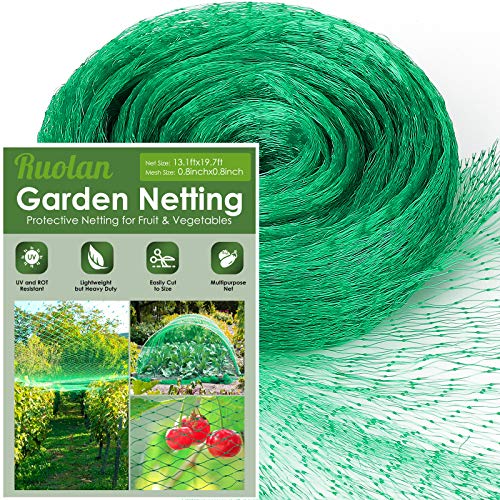
【Perfect size】(Garden Netting size 13ftX20ft, Mesh Size 0.8inchX0.8inch), Protect fruit tree plant blueberry strawberry from animals

Size: Deer netting size 7 feet x 100 feet; garden netting mesh size 3/4"; color: black; Easy to use accessories included: 10pcs installation nails & 50pcs cable ties
Physical Barriers
Employ physical barriers to keep squirrels away from your trees.
- Netting: Use bird netting around your fruit trees. Secure the edges to prevent squirrels from sneaking underneath.
- Cages: Build wire cages around individual trees or limbs. Use hardware cloth with openings less than an inch to stop squirrels.
- Scare Tactics: Hang shiny tape, aluminum foil, or reflective objects. Squirrels dislike bright flashes and movements, which can deter them.
Tree Management Techniques
Adopt tree management techniques for long-term protection against squirrels.
- Pruning: Trim branches that touch your roof or nearby trees. This prevents squirrels from easily accessing your fruit trees.
- Cleaning Up: Rake fallen fruit and nuts. Clean areas around your trees to eliminate food sources that attract squirrels.
- Companion Planting: Plant squirrel-repelling herbs like mint and rosemary near your trees. These scents can discourage squirrels from approaching.
Incorporating these methods reduces squirrel activity and helps protect your harvest.
Natural Deterrents
Natural deterrents can effectively keep squirrels away from your fruit trees. By using scents and companion plants, you’ll create an environment that discourages squirrels from feasting on your produce.
Recommended Products

Pet-Friendly & Family-Safe Formula – Mighty Mint is a top pick for pet parents looking for a natural pest control solution. Safe to use around dogs, cats, and kids when applied as directed—no harsh fumes or dangerous chemicals, just powerful peppermint protection you can trust.

Repels Rodents From Homes & Storage Areas: This indoor rodent repellent spray uses peppermint oil and cinnamon oil to help prevent mice from nesting and chewing in enclosed spaces, garages, attics, basements, cupboards, and storage areas. A practical peppermint spray mouse deterrent for indoors.

✅【Multi-Surface Rodent Defense】- Formulated to be highly unpleasant to mice, rats, and other rodents. Our plant-powered spray creates an effective protective barrier in garages, basements, attics, and storage areas – helping to keep your spaces rodent-free.
Scents That Repel Squirrels
Certain scents can deter squirrels from approaching your fruit trees. Here are some effective options:
- Peppermint Oil: Squirrels dislike the strong minty aroma. Mix several drops of peppermint oil with water and spray it on the tree bark and around the base.
- Cayenne Pepper: Sprinkling cayenne pepper around the tree can create an unpleasant experience for squirrels. Combine it with water to make a spray for better coverage.
- Garlic: The strong odor of garlic keeps squirrels at bay. Create a garlic spray by mixing crushed garlic with water and applying it to the tree and nearby areas.
Applying these scents regularly, especially after rainfall, enhances their effectiveness.
Planting Companion Plants
Companion planting leverages certain plants to repel squirrels naturally. These plants can protect your fruit trees while enticing beneficial wildlife. Consider adding the following:
- Lavender: The strong scent of lavender deters squirrels. Plant it around your fruit trees to create a natural barrier.
- Marigolds: Known for their vibrant colors, marigolds also emit a smell that squirrels avoid. Plant these bright flowers near your trees for added protection.
- Rue: Rue has a pungent odor that squirrels find unappealing. Plant rue near your trees for an extra layer of defense.
Incorporating these strategies can enhance your garden’s resilience against unwanted visitors while promoting a thriving ecosystem.
Tools and Products
Using the right tools and products can effectively deter squirrels from eating fruit off your trees. Here’s a look at some options.
Recommended Products

Mouse Repellent Indoor & Outdoor: Squirrels trap usually cause injuries by chewing and gnawing, they like to nest in your attic or gnaw on your car's electrical wiring, causing damage to your property and posing a fire hazard to cars and homes. Mouse repellents prevent squirrels from entering and protect your home.

Fast Acting, Easy to Use, and Dries Clear: Keep Squirrels Out of Your Garden! Works as a repellent and training tool for Chipmunks & Squirrels. Squirrel Mace works as a flower bulb protection spray. Powerful, with a high percentage of active Ingredients. Lasting protection, with weather-resistant sticking agents. Keep squirrel & chipmunks from destroying trees, planters and bird feeders/safe to use around children & plants.

10Pack Squirrel Repellent: Use peppermint oil to repel squirrel. Squirrels cannot stand the smell of peppermint. The mint repellent is composed of essential oils emits an odour that is unpleasant to squirrel and drives them away. It is used to repel squirrel.
Commercial Repellents
Commercial repellents offer a wide range of solutions. These products typically contain scents or ingredients appealing to humans but unpleasant for squirrels. Look for repellents that include:
- Capsaicin: Found in hot peppers, this ingredient irritates squirrels’ senses.
- Oil of Peppermint: This strong scent is known to repel various pests, including squirrels.
- Naphthalene: Often used in mothballs, this can create an unpleasant environment for squirrels.
Follow the instructions on the label for best results. Reapply these repellents after rain or every few weeks for continued effectiveness.
Traps and Other Devices
Traps and other devices provide additional protection. Consider these options:
- Live Traps: These humane traps capture squirrels without harming them. Place baited traps near fruit trees, then relocate captured squirrels far from your garden.
- Motion-Activated Sprinklers: These devices spray water when they detect movement, startling squirrels and encouraging them to leave the area.
- Ultrasonic Repellent Devices: These emit high-frequency sounds that deter squirrels and other pests without bothering people or pets.
Install and maintain these tools in visible areas around your fruit trees for maximum effectiveness. Regular checks will help ensure everything functions properly.
Conclusion
Keeping squirrels from munching on your fruit trees can feel like a tough battle but with the right strategies in place you can protect your precious harvest. By understanding their behavior and implementing a mix of physical barriers natural deterrents and clever tools you can create an environment that discourages these little critters.
Remember that consistency is key. Regularly check your barriers and reapply any repellents to stay one step ahead. With a little patience and creativity you’ll not only safeguard your fruit but also enjoy a thriving garden ecosystem. Happy gardening and may your trees be fruitful and squirrel-free!
Frequently Asked Questions
Why do squirrels eat fruit from trees?
Squirrels are attracted to fruit trees because they provide a rich food source, nesting material, and shelter from predators. Their natural foraging behavior leads them to seek out fruits, especially during the growing season.
What are effective methods to deter squirrels from fruit trees?
Effective methods include using physical barriers like bird netting and wire cages, tree management techniques such as pruning, and natural deterrents like planting squirrel-repelling herbs. These strategies can help protect your fruit harvest.
Are there natural deterrents to keep squirrels away?
Yes, natural deterrents include scents like peppermint oil, cayenne pepper, and garlic. Additionally, companion planting with herbs like lavender and marigolds can create an effective barrier around fruit trees.
What tools can help protect fruit trees from squirrels?
Tools include commercial repellents containing capsaicin or peppermint oil, live traps for humane capture, motion-activated sprinklers to startle squirrels, and ultrasonic devices that emit high-frequency sounds. Regular maintenance is key for these tools.
How often should I reapply repellents to deter squirrels?
Repellents should be reapplied regularly, especially after rainfall or heavy dew, to maintain their effectiveness. Always follow the label instructions for best results and coverage.
