

Have you ever watched in dismay as a late frost wiped out your precious fruit trees? You’re not alone. Many gardeners face this frustrating challenge each spring, risking the hard work they’ve put into nurturing their trees.
But don’t worry, you can take steps to protect your trees from frost damage. This article will share practical tips and techniques that can help you safeguard your fruit trees, ensuring a bountiful harvest season after season. With a little preparation and care, you can enjoy the fruits of your labor without the worry of unexpected cold snaps.
Key Takeaways
- Understand Frost Damage: Familiarize yourself with how frost can harm fruit trees, especially during early spring when buds are most vulnerable.
- Identify Symptoms Early: Recognize signs of frost damage such as wilting leaves, blackened flowers, and stunted growth to take timely actions.
- Implement Protective Measures: Use strategies like covering trees, proper watering, and employing wind machines to safeguard against frost.
- Choose Resistant Varieties: Opt for fruit tree varieties that are more tolerant to frost, enhancing orchard resilience and reducing potential losses.
- Monitor Weather Patterns: Pay close attention to local frost dates and weather forecasts to prepare adequately for unexpected cold snaps.
- Practice Safe Site Selection: Plant trees in locations that minimize frost risk, avoiding low spots and ensuring sufficient sunlight and drainage.
Understanding Frost Damage
Frost damage occurs when temperatures drop below freezing, affecting the delicate tissue of fruit trees. This damage can impact leaves, flowers, and fruit. Early spring frosts are particularly harmful as buds swell and are more susceptible to cold.
Recommended Products

Extra Thick Tree and Plant Covers for Winter: Scrubits Frost Blankets for outdoor plants and Trees will ensure that your Trees and large plants not only survive the winter but thrive and grow to blossom. With its extra thick fabric and long-lasting material, you can be confident about next year's harvest.

PACKAGE: The package includes 4Pcs plant covers,will meet your daily use or replacement. Measuring 31.5" x 47.3", the plant protector is waterproof, windproof.
Symptoms of Frost Damage
Recognizing frost damage early allows for better prevention. Common symptoms include:
- Wilting Leaves: Leaf edges turn brown and curl inward.
- Brown or Black Flowers: Blossoms may turn dark and fall off prematurely.
- Stunted Growth: Trees exhibit halted growth or less fruit production.
Timing of Frost Events
Knowing when frost typically occurs in your area helps in planning. Frost can happen anytime from late winter to early spring. Check local historical weather data to determine average frost dates. This information assists in making informed decisions about protecting your trees.
Impact on Fruit Yield
Frost damage leads to reduced fruit yield. If flowers freeze, pollination can’t occur, resulting in fewer or no fruits. Some fruit trees, like peaches and apples, are more susceptible to frost damage than others, such as cherries or pears, which may resist colder temperatures better.
Protective Measures
You can implement various protective measures to reduce frost damage. Here are effective strategies:
- Covering Trees: Use frost cloths or blankets to shield trees during cold nights. Ensure covers don’t touch the foliage.
- Watering: Watering before a frost can raise the temperature around the tree, protecting it. Moist soil retains heat better than dry soil.
- Wind Machines: These devices circulate air and can create warmer pockets around trees. Adequate spacing and positioning are essential for effectiveness.
- Using Row Covers: Place row covers over smaller plants in the orchard. This gives extra insulation against frost.
Frost damage to fruit trees is manageable with proper knowledge and preparation. Monitoring weather patterns and implementing protective techniques significantly reduces risks and helps secure a fruitful harvest.
Signs of Frost Damage in Fruit Trees
Recognizing frost damage early helps you take action to protect your fruit trees. Look for these key indicators to assess the condition of your trees after a cold snap.
Cold Weather Symptoms
- Wilting Leaves: You may notice leaves drooping or curling, signaling stress.
- Brown or Black Flowers: Flowers that turn brown or black indicate freeze damage and reduced pollination potential.
- Stunted Growth: If branch tips or new growth appears withered, this can suggest severe frost impact.
- Bark Damage: Cracks or discoloration in the bark may present, hinting at deeper tissue injury.
- Fallen Blooms: Premature bloom drop can occur, leading to a sharp decrease in potential fruit yield.
- Reduced Yield: Affected trees often produce fewer fruits due to damaged flowers and buds.
- Delayed Growth: You might see slower recovery in trees suffering significant frost exposure, affecting their growth patterns.
- Increased Susceptibility: Trees experiencing frost damage can become more vulnerable to pests and diseases in following seasons.
- Poor Fruit Quality: Fruits that do develop might suffer in overall quality, resulting in smaller, less flavorful produce.
By being vigilant about these signs, you can assess the damage and determine the appropriate protective measures for your trees.
Preventative Measures
Implementing preventative measures can significantly reduce frost damage to fruit trees. Here are key strategies to consider.
Recommended Products

COMPLETE FROST PROTECTION: Plant covers freeze protection shields shrubs, fruit trees, potted plants and other cold-sensitive greenery from frost, snow, wind and chilly weather, helping provide dependable winter coverage

Thicker Material -- Made with 1.2oz non-woven polypropylene fabric, our plant freeze protection covers are durable, tear-resistant, and provide optimal insulation for your plants against harsh winter conditions.Breathable non-woven fabric allow light, air and moisture go through the frost cloths and reach the plants

1.Large size: the size of this plant cover is 13 x 6.5 feet ,suitable for almost of wide area,provides the best protection for outdoor plants and ensures good plant growth.
Selecting the Right Fruit Trees
Choose fruit trees that are more resistant to frost. Some varieties, like certain apple and cherry trees, withstand cooler temperatures better than others. Look for rootstocks known for their cold hardiness. For instance, ‘Honeycrisp’ apples often resist frost well, while ‘Elberta’ peaches are notably susceptible. Research local recommendations for resilient varieties and plant those to improve your orchard’s frost tolerance.
Site Selection and Preparation
Pick a proper site for planting fruit trees. Avoid frost pockets, which are low-lying areas where cold air tends to settle. Use elevated ground to enhance air drainage and reduce frost risk. Prepare the soil well with organic matter to improve drainage and promote healthy root systems. Additionally, strategically planting trees near buildings or windbreaks can provide extra warmth. Ensure that your trees receive adequate sunlight throughout the day, as this helps them warm up quickly when temperatures rise.
Timing of Orchard Practices
Schedule your orchard practices around potential frost events. For instance, tree pruning should occur before buds start to swell, usually in late winter to early spring. When temperatures drop unexpectedly, consider watering your trees in the early morning. Wet soil retains heat better than dry soil, offering protection against frost. Additionally, monitor local forecasts closely, so you can take action if frost is expected. Set up alerts for low-temperature warnings to prepare timely protective measures.
Active Protection Techniques
Implementing active protection techniques significantly decreases the risk of frost damage to your fruit trees. These methods create a more resilient environment to safeguard delicate blossoms and foliage.
Recommended Products
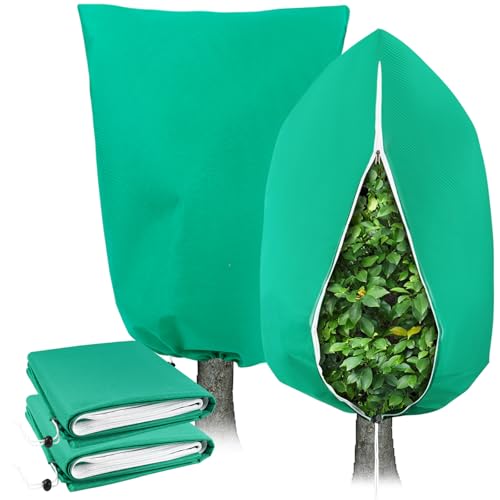
PLANT COVERS FREEZE PROTECTION FOR WINTER:You will receive 2 pack 72 * 84 inch frost blankets cloths for outdoor plants, designed specifically for outdoor plant protection, which can resist frost, snow, rain, wind, hail, animals, insects, birds, etc. Frost cloths for outdoor plants providing sufficient coverage space and is very suitable for shrubs, small trees, flowers, vegetables, etc

More Sizes Plant Jacket Covers Freeze Protection: The Garutom frost plant covers are available in three sizes 42" x 45", 48" x 72", 78" x 89", you can choose the size you need the most. For better plant freeze protection, we suggest you to choose a slightly larger cover
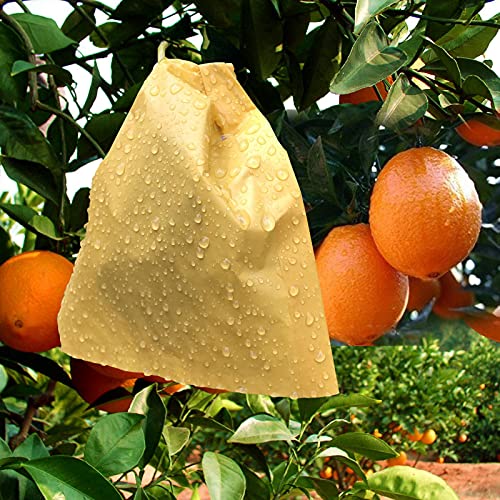
Safe Protector : Protect your apples, peaches, pears, persimmons, dragon fruits, guavas, tomatoes, potatoes, bananas, oranges, plums, nectarines, veggies
Using Covers and Blankets
Covers and blankets are effective ways to shield your trees from frost. Use lightweight frost cloths or burlap to cover your trees before a frost event. Secure the edges to prevent wind from displacing them. Ensure the covers touch the leaves to trap warmth, but avoid letting them weigh down branches. Remove covers the next morning to allow sunlight to warm the trees.
Orchard Heating Methods
Orchard heating methods warm the air around your trees during frost events. Use row covers fitted with heat sources like light bulbs or portable heaters. Place these devices near the base of trees, ensuring safe distances to prevent fire hazards. Another method involves installing propane or kerosene heaters in strategic locations. These methods can raise temperatures by several degrees, effectively protecting the blossoms.
Wind Machines and Foggers
Wind machines and foggers help mitigate frost by altering the microclimate in your orchard. Wind machines circulate warm air from above down to the ground, preventing cold air from settling. Position these machines strategically to maximize their coverage. Foggers, on the other hand, inject water vapor into the air, which releases latent heat when it condenses, thus warming the immediate area. Ideal for high-value crops, both machines offer reliable frost protection during critical flowering stages.
By applying these active protection techniques consistently, you can significantly enhance your fruit trees’ resilience against frost damage, contributing to a successful harvest.
Conclusion
Taking the right steps to protect your fruit trees from frost can make all the difference in your harvest. By understanding your local climate and implementing effective strategies, you can safeguard your trees against unexpected cold snaps.
Remember to choose frost-resistant varieties and consider the best planting locations to minimize risk. With a little preparation and care, you’ll be well on your way to enjoying bountiful fruits come harvest time.
Stay proactive and keep an eye on the weather. Your fruit trees will thank you with a delicious yield!
Frequently Asked Questions
What is frost damage to fruit trees?
Frost damage occurs when temperatures fall below freezing, harming the delicate tissues of fruit trees. It is most common in early spring when buds begin to swell, leading to symptoms such as wilting leaves, blackened flowers, and stunted growth.
How can I tell if my fruit trees have frost damage?
Symptoms of frost damage include wilting leaves, brown or black flowers, and fallen blooms. You may also notice stunted growth and bark damage. If you see these signs after a frost event, your trees may be affected.
Which fruit trees are most susceptible to frost damage?
Fruit trees like peaches and apples are more vulnerable to frost damage compared to others like cherries and pears. Understanding the frost tolerance of your selected varieties can help in planning and protection.
What preventative measures can I take to protect my fruit trees from frost?
To prevent frost damage, consider selecting frost-resistant varieties and plant in locations that avoid frost pockets. Water your trees before a frost to retain heat, and use techniques like covering them with frost cloths.
How can I actively protect my fruit trees during a frost event?
Active protection methods include covering trees with frost cloths or burlap, using orchard heating methods like row covers with heat sources, and employing wind machines or foggers to create a warmer microclimate around the trees.
What should I do before a predicted frost?
Check local weather forecasts for low-temperature warnings and prepare by watering trees to help retain heat. Prune and schedule other orchard practices according to potential frost events to ensure the trees’ health and resilience.
How does frost damage impact fruit yield?
Frost damage can hinder pollination by freezing flowers, leading to a reduced yield. Affected trees may also show delayed growth and increased vulnerability to pests and diseases, ultimately impacting the quality of the fruit produced.
