

Wondering if it’s too late to trim your fruit trees? You’re not alone. Many gardeners face this dilemma, especially when the growing season approaches. Timing can be tricky, and a wrong cut might affect your tree’s health and fruit production.
If you’ve hesitated to prune, you might worry about missing the window for optimal growth. This article will help you understand the best times to trim your trees and the impact of your decisions. By the end, you’ll feel more confident about caring for your fruit trees, ensuring they stay healthy and fruitful for seasons to come.
Key Takeaways
- Timing is Crucial: The best time for pruning fruit trees is typically late winter or early spring when they are dormant to promote healthy growth and minimize stress.
- Understand Pruning Techniques: Familiarize yourself with techniques like thinning, head cutting, crown cleaning, and renewal pruning to enhance tree health and fruit production.
- Recognize Late Pruning Signs: Signs of late pruning include excessive growth, unhealthy branches, and a crowded canopy that can affect fruit quality and tree health.
- Impact of Pruning on Health and Yield: Early pruning encourages healthier trees and higher yields, while late pruning can increase disease risk and reduce fruit quality.
- Regular Assessments: Inspect your trees regularly for dead branches, leaf growth, and pest issues to determine the best course of action for maintaining tree health.
- Seek Professional Help When Needed: For tall trees or complex issues, consider hiring an expert to ensure proper pruning and maintenance techniques are applied effectively.
Understanding Fruit Tree Pruning
Pruning fruit trees is vital for their health and productivity. Knowing when and how to prune enhances fruit yield and promotes robust growth.
Recommended Products

★ 1. What you get: Professional convenient grafting tool set including a dual-use grafting pruner tool contain 2 extra replaceable blades, a wrench and a screwdriver, along with 36pcs wide rubber bands, 150 thick rubber bands and 1 grafting tape, packed in a black wallet to meet all your needs


Package Includes: Contents 1 Manual gardening grafting cutter and 2 rolls of 2 sizes of grafting tape, meeting your needs.
Importance of Pruning
Pruning encourages better air circulation and sunlight penetration, both essential for photosynthesis. It removes dead or diseased branches, reducing pest and disease issues. Controlled growth leads to easier harvesting and less strain on the tree. Regular pruning also shapes the tree, improving its structure and stability, which allows for optimal fruit production.
- Thinning: Thinning entails removing selected branches to increase light and air flow. This helps fruit trees produce healthier, larger fruit.
- Head Cutting: Head cutting involves shortening branches, promoting new growth. This technique is useful for controlling tree height and maintaining easy access for harvesting.
- Crown Cleaning: Crown cleaning focuses on removing dead, damaged, or diseased branches. This technique fosters a healthier canopy and reduces the risk of infection.
- Renewal Pruning: Renewal pruning targets older, less productive branches. By cutting these back, you encourage new growth and rejuvenate the tree’s productivity.
- July Pruning: July pruning consists of trimming after fruit set, which helps improve fruit quality without affecting yield significantly.
Implement these techniques based on your tree’s specific needs and timing. Consider using sharp, clean tools to ensure precise cuts and minimize injury to the tree.
Seasonal Considerations
Timing plays a crucial role in the successful pruning of fruit trees. Understanding seasonal factors helps you make informed decisions for your trees’ health and productivity.
Recommended Products

Durable & Long-Lasting: Crafted from high-quality materials, these fruit tree branch pullers to withstand the rigors of outdoor use season after season. Resistant to rust, weathering, and wear, they provide consistent performance, becoming your go-to tools for maintaining your orchard year after year.


Premium Material Construction: Crafted from premium carbon steel using exquisite techniques, these tools boast exceptional hardness, resilience to wear, and a robust construction, ensuring long-lasting performance
Optimal Times for Trimming
Pruning fruit trees during the right season ensures vigorous growth and high yields. The best time typically falls in late winter or early spring when trees are still dormant. This timing reduces stress and minimizes sap loss. Specific timing may depend on the type of fruit tree:
- Apple Trees: Prune in late winter or early spring before blossoms.
- Peach Trees: Prune in late winter to encourage new growth for summer fruit.
- Cherry Trees: Perform light pruning after fruiting to maintain shape.
Timing can vary based on your local climate, so adjusting your schedule according to regional conditions is essential for success.
Signs of Late Pruning
Recognizing the signs that you’ve missed the optimal pruning window is vital. Late pruning can lead to several issues:
- Excessive Growth: If branches are overgrown, they may block sunlight and air. This can hinder fruit development.
- Unhealthy Branches: Look for dead or diseased branches that could have been removed earlier for better tree health.
- Crowded Canopy: A dense tree canopy suggests inadequate airflow, increasing the risk of fungal infections.
If you notice these signs, address them as soon as possible. Even late-season pruning can help improve tree health, but focus on minimal cutting to avoid stressing the tree. Prioritize removing any dead or problematic branches first, and reserve shaping for the next optimal season.
Impact of Timing on Fruit Trees
Timing plays a crucial role in the health and productivity of your fruit trees. Understanding when to prune ensures optimal growth and fruit quality.
Effects of Late Pruning
Late pruning can lead to various negative outcomes. You may notice:
- Increased Disease Risk: Cutting branches late in the season exposes fresh cuts to pathogens. Diseased branches might spread infections quickly.
- Decreased Fruit Quality: Late cuts can reduce the size and flavor of fruits due to disrupted energy flow in the tree.
- Unbalanced Growth: Delayed pruning often results in an overabundance of leaves, leading to shady interiors and hindering fruit development.
- Weakened Structure: Late pruning can compromise the structural integrity of branches, increasing the risk of breaks under the weight of fruit.
Benefits of Early Pruning
Early pruning offers numerous advantages for your fruit trees:
- Health Promotion: Pruning before the growing season limits disease spread, encouraging healthier trees.
- Enhanced Yield: Removing excess limbs encourages more fruit production by allowing energy to focus on fewer, stronger branches.
- Improved Air Circulation: Early cuts promote better airflow, which minimizes humidity and moisture retention, reducing disease risk.
- Controlled Growth: You can shape your trees effectively when you prune early, promoting desirable structures for easier harvesting.
Choosing to prune your fruit trees at the right time sets the foundation for a fruitful season. Regular assessments and timely actions help maintain a thriving orchard.
Recommendations for Home Gardeners
Understanding how to care for your fruit trees can make a significant difference in your garden’s health and productivity. Follow these insights for effective tree maintenance.
Recommended Products
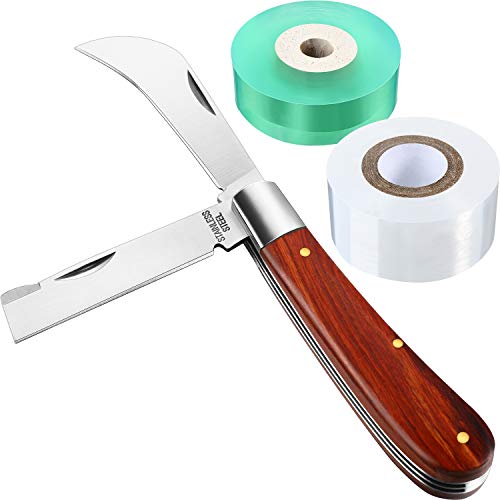
Package includes: you will get 1 double blades garden grafting knife and 2 rolls of grafting tapes in 2 sizes, ideal set for grafting budding, cutting, digging, sprouting, plants, weeding, cutting, sawing, etc.


PROFESSIONAL GARDENING GRAFTING TOOLS: Including 2 in 1 grafting pruning tools, 3 replaceable blades, a grafting knife, a screwdriver, a wrench, 2 grafting films, 160 rubber bands, 40 wide rubber bands, and 50 colorful tag cards
Tips for Assessing Your Trees
- Inspect Branches: Look for dead or diseased branches. They often appear brittle, discolored, or decayed. Remove these to improve tree health.
- Check Leaf Growth: Evaluate the leaf density. If some branches lack leaves while others are full, consider pruning to balance energy distribution.
- Examine the Canopy: Assess the canopy’s openness. A crowded canopy can restrict airflow and sunlight, hindering fruit production. Thinning branches can help.
- Monitor for Pests: Keep an eye out for pest infestations. Look for signs like holes in leaves or sap. Addressing these issues early can prevent bigger problems.
- Notice Growth Patterns: Observe growth direction. If branches grow toward the center, it may be time for thinning cuts to promote a balanced shape.
- Large Trees: If your fruit trees exceed 15 feet in height, consider hiring a professional. Pruning large trees requires specialized tools and expertise.
- Complex Issues: Trees with significant disease or pest problems often benefit from expert evaluation. Professionals can prescribe targeted treatments.
- Tree Shape Concerns: If you struggle with maintaining your tree’s shape or size, a professional can guide proper pruning techniques.
- Uncertainty in Timing: If you’re unsure about the timing of your pruning, consult a professional. They can help determine the best time based on your specific tree varieties.
- Lack of Time: If you find your schedule too packed to handle tree maintenance, hiring help can ensure your trees receive the care they deserve.
By following these guidelines, you can assess your trees accurately and know when to seek additional support for optimal care.
Conclusion
Timing’s everything when it comes to pruning fruit trees. If you’ve missed the ideal window don’t worry too much. You can still take action to improve your trees’ health and productivity. Just remember that late pruning can have its drawbacks.
Keep an eye on your trees and assess their needs regularly. If you notice overcrowded branches or signs of disease it might be time to make some cuts. With the right techniques and a little care you can still set your trees up for a fruitful season ahead. Happy gardening!
Frequently Asked Questions
When is the best time to prune fruit trees?
Pruning fruit trees is best done in late winter or early spring while they are still dormant. This timing helps minimize stress, sap loss, and potential damage, leading to healthier trees.
What are the benefits of pruning fruit trees?
Pruning enhances fruit yield, promotes robust growth, improves air circulation, and increases sunlight penetration, which is crucial for photosynthesis and overall tree health.
What techniques are used for pruning fruit trees?
Common pruning techniques include thinning for light and airflow, head cutting for new growth, crown cleaning to remove dead branches, and renewal pruning to rejuvenate older branches.
What happens if I prune my trees too late?
Late pruning can lead to increased disease risk, decreased fruit quality, unbalanced growth, and a weakened structure. It’s important to prune at the right time to maintain tree health.
How can I assess my fruit trees for pruning?
Inspect branches for dead or diseased wood, check leaf growth for balance, examine the canopy for openness, monitor for pests, and notice growth patterns. Regular assessment helps identify when pruning is necessary.
Should I seek professional help for pruning?
If you’re unsure about timing or have complex tree issues, seeking professional help may be beneficial. Experts can provide guidance, especially for larger trees and specific pruning needs.
What tools are recommended for pruning?
Using sharp, clean tools is essential for effective pruning. Proper tools can lead to cleaner cuts, reducing the chance of disease and promoting faster healing for the tree.
