

Have you ever wondered what a cantaloupe plant looks like? Picture this: You’re at the grocery store, picking out a perfectly ripe cantaloupe for your next summer salad. But have you ever stopped to think about the plant that produces this delicious fruit?
In this article, we’ll explore the appearance of a cantaloupe plant and help you identify it in your garden or at the market. Understanding the characteristics of the cantaloupe plant can enhance your appreciation for this sweet and juicy fruit.
Key Takeaways
- Cantaloupe plants have sprawling vines, large rough leaves with serrated edges, and bright yellow flowers that attract pollinators.
- They produce both male and female flowers on the same vine for successful pollination and fruit formation.
- Cantaloupe plants go through growth stages from germination to fruit development, influenced by factors like temperature, sunlight, watering, soil quality, and pollination.
- Recognizing the distinctive features of leaves, stems, flowers, and fruits helps in identifying and nurturing cantaloupe plants effectively.
- Proper care for cantaloupe plants includes regular watering without overwatering, balanced nutrition with potassium and phosphorus-rich fertilizer or compost.
- Pest management is crucial to protect cantaloupe plants from common pests like aphids; consider using natural remedies like neem oil or insecticidal soap.
Overview of the Cantaloupe Plant
When you’re trying to identify a cantaloupe plant in your garden or at the market, understanding its appearance and unique characteristics can be key. Let’s delve into what a cantaloupe plant looks like and its special features.
Recommended Products

Vegetable seeds variety pack: Grow 35 varieties of leafy greens, root vegetables, tomatoes, peppers, beans, peas, squash, melons, and more. Includes 16,000+ vegetable seeds for planting outdoors in raised beds, garden rows, or containers.

INDOOR SEED STARTING KIT: Complete growing set includes two 36-cell planting trays, one water reservoir tray, 72 super growing pellets, and a dome greenhouse cover. An easy and efficient way to start seeds indoors! Use to grow your favorite herbs, vegetables and flowers.

Graphene Seed Heat Mat for Faster Germination: Compared to traditional electric heating mats, our graphene heat mat heats up faster and more evenly, with a built-in timer for convenience. It creates the ideal environment for indoor seed starting trays, greenhouse seed germination, and hydroponic plant propagation. Designed for indoor gardening, this waterproof and reusable heat mat accelerates growth and improves seedling survival rates.
Appearance Overview
The cantaloupe plant is recognizable by its sprawling vines that can spread up to 3-5 feet wide on the ground. The leaves are large, rough, and lobed with serrated edges. As the plant matures, it produces tendrils that help it climb nearby structures for support. The flowers of the cantaloupe plant are bright yellow and have a distinct musky aroma that attracts pollinators like bees for fruit development.
Unique Characteristics
One of the standout features of a cantaloupe plant is its ability to produce both male and female flowers on the same vine. This characteristic is essential for successful pollination and fruit formation. Additionally, cantaloupe plants have a taproot system that extends deep into the soil to access nutrients and water efficiently. The fruits produced by these plants have rough netted skins when ripe, encapsulating sweet orange flesh known for its refreshing taste.
Understanding these distinctive traits of the cantaloupe plant not only helps in identification but also fosters an appreciation for the process behind growing this delicious fruit in your own garden.
Understanding Cantaloupe Plant Growth
Cantaloupe plants go through distinct growth stages and are influenced by various factors that impact their development.
Growth Stages
The growth of a cantaloupe plant can be divided into several stages:
- Germination: This is the initial stage where the seed sprouts and begins to grow roots.
- Seedling: In this stage, the plant develops its first set of true leaves and starts to establish a stronger root system.
- Vegetative Growth: During this period, the plant focuses on leaf and vine development to support fruit production.
- Flowering: Cantaloupe plants produce male and female flowers necessary for pollination and fruit formation.
- Fruit Development: After successful pollination, the fruits start forming, growing in size until they ripen.
Factors Influencing Growth
Several factors influence the growth of cantaloupe plants:
- Temperature: Cantaloupes thrive in warm temperatures between 70-85°F (21-29°C) for optimal growth.
- Sunlight: Adequate sunlight exposure is crucial for photosynthesis and fruit development; aim for at least 6-8 hours of sunlight daily.
- Watering: Consistent watering is essential, especially during flowering and fruiting stages, to prevent issues like blossom end rot.
- Soil Quality: Well-draining soil rich in organic matter supports healthy root development and nutrient uptake.
- Pollination: Bees play a vital role in pollinating cantaloupe flowers; consider planting bee-friendly flowers nearby.
Identifying Parts of a Cantaloupe Plant
When you’re learning about the different parts of a cantaloupe plant, it’s essential to recognize key features that distinguish each component. Let’s explore the leaves and stems, as well as the flowers and fruits of a cantaloupe plant to deepen your understanding.
Recommended Products

Protect Watermelons: Watermelon hanging nets are widely used in melon sheds on farms. Watermelons are relatively large in size and weight and require the support of watermelon hanging nets. It is also often used in the cultivation of other fruits and vegetables, such as pumpkins; cantaloupes and winter melons. The hanging net supports the fruits and effectively prevents the vines from breaking due to the weight of the fruits, which is conducive to harvesting more complete and fresh fruits

【Easy to Use】 The trellis netting whole size is 5 x 15 ft with 6 inch square mesh, white color, can be easily cut into the size you desire; Simply wrap and tie the netting around any stable structure or support.
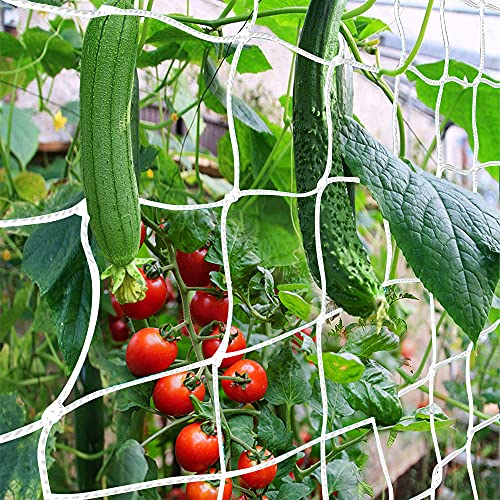
★【Reusable, High-quality, Versatile Trellis Netting】Soft, yet heavy-duty, this plant trellis netting helps plants cling to a smooth surface and will last a couple of years.
Leaves and Stems
The leaves of a cantaloupe plant are typically large, with a rough texture on the surface. They have distinct lobes or segments that contribute to their recognizable appearance. The stems are sturdy and vine-like, allowing the plant to spread out as it grows. These vines can extend over considerable distances, so providing adequate space for them to sprawl is crucial for optimal growth.
Flowers and Fruits
Cantaloupe plants produce vibrant yellow flowers that add beauty to the garden while signaling the start of fruit development. These flowers are essential for pollination, ultimately leading to fruit formation. As the fruits mature, they develop into round melons with a netted rind and sweet orange flesh inside. Observing this transformation from flower to ripe fruit is both rewarding and fascinating.
By familiarizing yourself with these distinguishing features of a cantaloupe plant—the leaves, stems, flowers, and fruits—you’ll be better equipped to nurture these plants effectively in your own garden or growing space.
Tips for Caring for Your Cantaloupe Plant
When it comes to caring for your cantaloupe plant, there are a few essential tips you should keep in mind to ensure healthy growth and a bountiful harvest. Here’s how you can effectively nurture your cantaloupe plant:
Recommended Products

Produce abundant and vibrant fruit and blooms! This product works by strengthening your plant's roots to increase nutrient uptake… enabling it to bloom and produce like you've never seen!


Produce abundant and vibrant fruit and blooms! This product works by strengthening your plant's roots to increase nutrient uptake… enabling it to bloom and produce like you've never seen!
Watering and Nutrition
Watering is crucial for the proper growth of your cantaloupe plant. Make sure to water the plant regularly, especially during dry periods, but be cautious not to overwater as it can lead to root rot. A good practice is to water deeply once a week, ensuring that the soil is moist but well-drained.
In terms of nutrition, cantaloupe plants benefit from a balanced fertilizer high in potassium and phosphorus. Consider using a slow-release fertilizer or organic compost to provide essential nutrients for healthy fruit development. Remember, proper watering and nutrition are key factors in cultivating robust and flavorful cantaloupes.
Pest Management
Pests can pose a threat to your cantaloupe plant, affecting its growth and fruit production. Keep an eye out for common pests such as aphids, spider mites, and cucumber beetles. To manage these pests effectively, consider using natural remedies like neem oil or insecticidal soap.
Additionally, practicing crop rotation can help prevent pest infestations by disrupting their life cycles. Remove any weeds around the planting area that may harbor pests and diseases. By implementing proactive pest management strategies, you can protect your cantaloupe plant from potential damage and ensure a successful harvest.
Conclusion
You’ve now learned about the distinct features of a cantaloupe plant, from its sprawling vines to its yellow flowers and sweet orange fruits. Identifying the various parts of the plant is key to nurturing it effectively in your garden or growing space. Remember, proper care such as regular watering, balanced fertilization, and pest control is essential for healthy growth and a bountiful harvest of delicious cantaloupes. Happy gardening!
Frequently Asked Questions
What are the unique characteristics of a cantaloupe plant?
Cantaloupe plants have sprawling vines, rough leaves, tendrils, yellow flowers, and sweet orange flesh fruits.
Why is it important to identify different parts of a cantaloupe plant?
Understanding leaves, stems, flowers, and fruits helps in effectively nurturing cantaloupe plants for optimal growth.
What are essential tips for caring for cantaloupe plants?
Proper watering, balanced fertilization, and proactive pest management are crucial for healthy growth and a bountiful harvest.
