

Have you ever wondered what cantaloupe plants actually look like as they grow? Picture this: you’re strolling through a garden, and amidst the greenery, you spot intriguing vines with broad leaves. But how can you distinguish a cantaloupe plant from the rest? This article is here to guide you through identifying these distinctive plants effortlessly.
By understanding the appearance of cantaloupe plants, you’ll be equipped to nurture them effectively in your own garden or recognize them at a farmer’s market. From their sprawling vines to the unique texture of their leaves, each characteristic plays a vital role in cultivating these delicious fruits. Let’s explore together and unveil the visual cues that set cantaloupe plants apart from other vegetation.
Key Takeaways
- Cantaloupe plants have sprawling vines with unique textured leaves, vibrant yellow flowers, and tendrils for support.
- Understanding the growth stages from seedling to maturity is crucial for successful cultivation.
- Key features of cantaloupe plants include large leaves, vibrant flowers for pollination, and netted fruits with sweet flesh.
- Ideal growing conditions involve warm temperatures, plenty of sunlight, well-draining soil with pH 6.0-6.8, and frost-free planting after the last frost date.
- Challenges in growing cantaloupe plants include pest management (aphids, spider mites) and disease control (powdery mildew), requiring proactive measures like beneficial insects and proper watering techniques.
Overview of Cantaloupe Plants
Cantaloupe plants have distinct characteristics that make them easily recognizable in a garden or at a market. Understanding the general appearance and growth stages of these plants can help you care for them effectively.
General Appearance
Cantaloupe plants typically feature sprawling vines that spread out as they grow. The leaves of cantaloupe plants have a unique texture characterized by deep lobes and serrated edges. These leaves are essential for photosynthesis, enabling the plant to produce energy from sunlight.
The vines of cantaloupe plants may extend several feet in length, depending on the variety. As the plant matures, it develops tendrils that help support its growth by clinging to nearby structures or trellises. Cantaloupe plants also produce vibrant yellow flowers before yielding fruit, adding beauty to their surroundings.
Growth Stages
Understanding the growth stages of cantaloupe plants is crucial for successful cultivation. Cantaloupes progress through various stages from seedling to maturity, with each phase requiring specific care and attention.
- Seedling Stage: At this early stage, cantaloupe plants are delicate and vulnerable. Providing adequate water and sunlight is essential for healthy seedling development.
- Vine Growth: As the plant grows, you’ll notice an increase in vine length and leaf production. Proper spacing between plants ensures adequate airflow and prevents overcrowding.
- Flowering Phase: Cantaloupe plants enter the flowering phase where they develop beautiful yellow blooms. Bees play a vital role in pollinating these flowers, leading to fruit formation.
- Fruiting Stage: This stage marks the development of small melons that gradually increase in size until they reach maturity. Regular watering and fertilization are necessary during this period to support fruit growth.
By recognizing these distinct growth stages and understanding how cantaloupe plants evolve, you can provide tailored care throughout their lifecycle for a bountiful harvest.
Key Features of Cantaloupe Plants
Cantaloupe plants have distinct characteristics that make them easily recognizable in a garden or market. Here are the key features you should look for:
Recommended Products

Cantaloupe seeds garden seeds vegetable seeds bulk
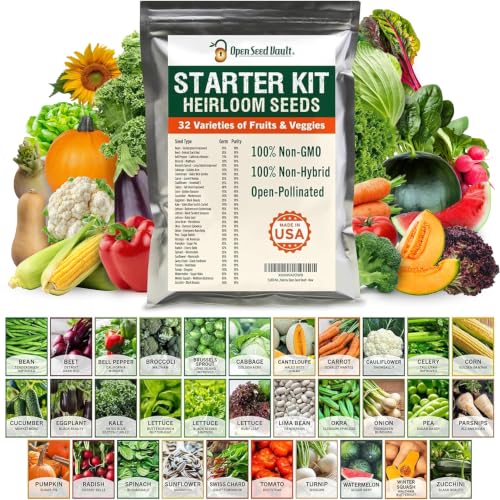
COMPLETE VEGETABLE GARDEN VARIETY PACK – Grow a thriving home garden with 32 popular vegetable seeds including Bean, Beet, Bell Pepper, Broccoli, Brussels Sprout, Cabbage, Cantaloupe, Carrot, Cauliflower, Celery, Corn, Cucumber, Eggplant, Kale, Lettuce (3 types), Lima Bean, Okra, Onion, Pea, Parsnip, Pumpkin, Radish, Spinach, Sunflower, Swiss Chard, Tomato, Turnip, Watermelon, Zucchini. A diverse mix perfect for fresh meals, backyard gardens, and sustainable growing.

Leaves
The leaves of cantaloupe plants are large and textured, with deep lobes and serrated edges. They provide ample shade for the developing fruits and help regulate moisture levels in the soil.
Flowers
Cantaloupe plants produce vibrant yellow flowers before fruiting. These flowers are not only beautiful but also essential for pollination, leading to the formation of delicious melons.
Fruits
The most anticipated feature of cantaloupe plants is, of course, their fruits. Cantaloupes have a netted rind covering sweet, juicy flesh inside. When ripe, they exude a delightful aroma that signals they’re ready to be enjoyed.
By recognizing these key features of cantaloupe plants – from their distinctive leaves to their vibrant flowers and delectable fruits – you’ll be better equipped to care for and appreciate these fruitful vines in your garden.
Growing Conditions for Cantaloupe Plants
To ensure successful growth of cantaloupe plants, it’s essential to understand the specific conditions they thrive in. Here are the key factors you need to consider:
Recommended Products

【7-in-1 Features】This is a 7-in-1 multi-function soil tester. Our soil tester quickly measures soil moisture, pH, temperature and light intensity, and its fertility function helps you take better care of your plants. With this device you can measure the soil moisture, pH, temperature and light intensity for your plants and with the EC and TDS functions you will know when it is time to water the soil.

Accurate Soil Moisture Detection: The XLUX Soil Moisture Meter can tell you if the soil deep inside your pot or garden is dry, moist or wet; whereas your eyes and fingers can only determine the moisture level of the soil surface. The probe is 5.5 inches (14 cm) longer than regular styles, allowing it to measure the soil moisture at the bottom of larger and deeper flower pots.

Climate Requirements
Cantaloupe plants prefer warm weather and thrive in temperatures between 70°F and 90°F. They require plenty of sunlight, at least 6-8 hours a day, to support healthy growth and fruit development. These plants are sensitive to frost, so make sure to plant them after the last frost date in your area.
Soil Requirements
When it comes to soil, cantaloupe plants do best in well-draining sandy loam with a pH level between 6.0 and 6.8. Ensure good air circulation around the roots by keeping the soil loose and free from compaction. Adding organic matter like compost can help improve soil structure and fertility, providing essential nutrients for robust plant growth.
By meeting these climate and soil requirements, you’ll create an ideal environment for your cantaloupe plants to flourish and yield delicious fruits for you to enjoy.
Challenges in Growing Cantaloupe Plants
When cultivating cantaloupe plants, you may encounter challenges related to pest management and disease control. These issues can impact the health and productivity of your plants, so it’s essential to be proactive in addressing them.
Recommended Products
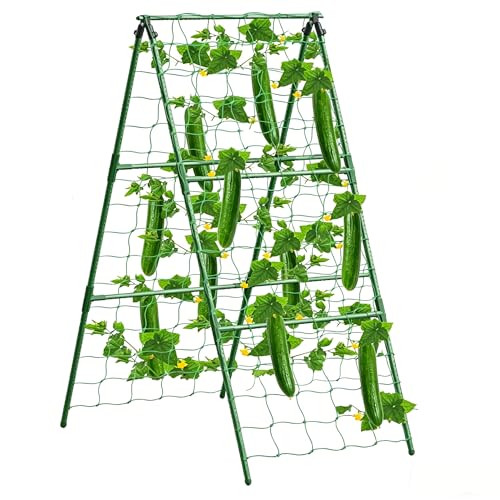
【Package included】:This Trellis for Climbing Plants Outdoor comes complete with everything you need to get started: 17pcs metal stakes, 8pcs T shape connect pipe, 2 A-shaped connectors, and a 0.9x1.8meter plant net.

【Sturdy and Durable Material】This melon hammock is made of thickened nylon material, which is sturdy, durable, resilient and eco-friendly for easy storage.

Protect Watermelons: Watermelon hanging nets are widely used in melon sheds on farms. Watermelons are relatively large in size and weight and require the support of watermelon hanging nets. It is also often used in the cultivation of other fruits and vegetables, such as pumpkins; cantaloupes and winter melons. The hanging net supports the fruits and effectively prevents the vines from breaking due to the weight of the fruits, which is conducive to harvesting more complete and fresh fruits
Pest Management
Pests like aphids, spider mites, and cucumber beetles can pose a threat to your cantaloupe plants. To manage these pests effectively:
- Inspect your plants regularly for any signs of infestation.
- Introduce beneficial insects like ladybugs or lacewings to control pest populations naturally.
- Use insecticidal soap or neem oil as organic solutions to combat common pests.
- Avoid over-fertilizing, as this can attract more pests to your plants.
Disease Control
Diseases such as powdery mildew and bacterial wilt can affect the growth of cantaloupe plants. To prevent and control diseases:
- Ensure proper air circulation around your plants by spacing them adequately.
- Water at the base of the plant early in the day to allow foliage to dry quickly and reduce moisture-related diseases.
- Remove any infected plant parts promptly to prevent the spread of diseases.
- Rotate crops yearly to minimize disease buildup in the soil.
By implementing effective pest management strategies and practicing disease control measures, you can promote the healthy growth of your cantaloupe plants and increase your chances of a successful harvest.
Conclusion
You now have a clear picture of what cantaloupe plants look like and the essential aspects to consider when growing them. From their sprawling vines to vibrant yellow flowers and netted rind fruits, each stage offers unique characteristics that make identifying these plants a breeze. Understanding the challenges of pest management and disease control equips you with the knowledge needed to overcome obstacles in cultivating healthy cantaloupe plants. By implementing the tips provided in this article, you’ll be well-prepared to nurture these plants successfully and enjoy the sweet rewards of your efforts. Happy gardening!
Frequently Asked Questions
What are the key features of cantaloupe plants?
Cantaloupe plants have large textured leaves, vibrant yellow flowers for pollination, and produce netted rind fruits with sweet, juicy flesh.
What challenges are faced in growing cantaloupe plants?
Common challenges include pest management and disease control. Pests like aphids, spider mites, and cucumber beetles can be managed by introducing beneficial insects and using organic pest control methods. Diseases such as powdery mildew and bacterial wilt can be prevented through proper air circulation, watering techniques, and crop rotation.
How can individuals cultivate thriving cantaloupe plants?
By understanding the challenges involved in growing cantaloupe plants and implementing effective strategies like pest management techniques and disease prevention measures, individuals can cultivate healthy plants that yield delicious fruits.
