

Ever wondered how to turn those juicy cantaloupes into a thriving garden? Picture this: you’ve just savored the last sweet bite of a ripe cantaloupe, and now you’re left with a handful of seeds. What if those seeds could sprout into your very own melon patch? In this article, we’ll show you the simple steps to prepare fresh cantaloupe seeds for planting so you can enjoy the fruits of your labor.
By learning how to properly harvest and treat cantaloupe seeds, you’ll unlock a world of possibilities in your garden. Imagine plucking sun-ripened melons straight from your backyard – all starting from those humble seeds. With our easy-to-follow guide, you’ll soon be on your way to cultivating delicious cantaloupes right at home.
Key Takeaways
- Select mature and ripe cantaloupes with considerations for organic, non-GMO, and pesticide-free varieties.
- Properly extract seeds by cutting the fruit, scooping out seeds, rinsing, inspecting for viability, and air drying before storage.
- Dry extracted seeds thoroughly before planting to promote germination success; conduct a float test to check seed viability.
- Store cantaloupe seeds in ideal conditions of temperature, humidity, and air circulation to maintain their viability; consider long-term storage solutions like labeling containers and using desiccants or freezing options.
- Plan planting timing in late summer/early fall for seed harvest and start planting in spring after frost danger has passed; choose well-draining soil rich in organic matter with full sun exposure for optimal growth.
Selecting the Right Cantaloupe for Seeds
When choosing a cantaloupe to harvest seeds from, you want to ensure it’s mature and ripe. Here’s how you can identify a suitable candidate and considerations for organic varieties.
Recommended Products
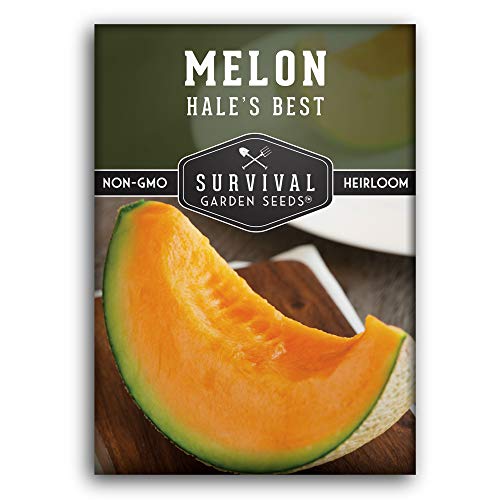
HEIRLOOM CANTALOUPE SEEDS – Enjoy classic homegrown flavor with sweet, juicy orange flesh and a small seed cavity for plenty of delicious fruit in every harvest from this beloved heirloom cantaloupe

COMPLETE FRUIT, VEGETABLE & HERB SEED VAULT – Grow a thriving, self-sufficient garden with 44 varieties of nutrient-rich fruits, vegetables, and herbs. Perfect for producing fresh ingredients for salads, meals, and everyday cooking right from your backyard. Packed with growing guide – Every seed variety is sealed in resealable, moisture-resistant packets for long-term storage and freshness. Includes an easy-to-follow guide with planting tips, harvest instructions, and seed-saving techniques.

Beautiful - Large individual packets of Honey Rock, Hales Best and Honeydew Melon (Cucumis melo) seeds. Grow an abundant harvest of colorful cantaloupes. Enjoy these delectable musk melons picked straight from your garden.
Identifying a Mature Cantaloupe
To select a mature cantaloupe for seed extraction, look for these indicators:
- Fragrance: A ripe cantaloupe will have a sweet aroma at the blossom end.
- Texture: The skin should feel slightly rough, indicating ripeness.
- Color: A golden or creamy color under the netting suggests readiness.
- Weight: Heavier melons tend to be juicier and contain more developed seeds.
- Certification: Look for USDA-certified organic labels to ensure purity.
- Non-GMO: Choose non-genetically modified organisms (GMO) varieties if you prefer natural seeds.
- Pesticide-Free: Organic melons are grown without synthetic chemicals, promoting healthier seeds.
Extracting Seeds from Cantaloupe
When it comes to preparing fresh cantaloupe seeds for planting, the process of extracting seeds from the fruit is crucial. Here are the steps you should follow to ensure you extract the seeds properly and get them ready for planting.
Recommended Products

This set includes 2 herb drying racks that can be stacked to create a 2-tier pasta drying rack. Each tier stands on 3 tall supports, providing stability. The racks also fold flat for easy storage.

🌫️【Optimal Air Circulation】Breathable mesh drying rack for herbs ensures superior airflow, speeding up the herb drying process. Each tier of drying tents features a U-shaped zipper closure, providing easy access while protecting your herbs from dust, birds, and leaves.

1. Extra-Large 6-Layer Drying Rack for Mass Drying. Made of durable, breathable nylon mesh that promotes rapid air flow—perfect for handling large harvests or bulk drying needs. 6 separated layers (each with 23.62-inch diameter), separated drying nets provide quick drying of plants, flowers, buds, bulbs, fishes, weeds, clothes, jerky, meat, food, basil, vanilla, onion, garlic, cinnamon, nuts, and really anything your imagination can come up .
Steps to Remove Seeds Properly
- Cut the Cantaloupe: Start by cutting the cantaloupe in half using a sharp knife.
- Scoop Out Seeds: Use a spoon to scoop out the seeds from the center of the cantaloupe.
- Separate Seeds: Separate the seeds from the pulp by rinsing them in water and gently rubbing off any remaining flesh.
- Dry Seeds: Place the cleaned seeds on a paper towel or drying rack to dry thoroughly before storing.
- Rinse Seeds: Rinse the extracted seeds under running water to remove any leftover pulp or debris.
- Inspect for Viability: Check each seed carefully, discarding any damaged or discolored ones as they may not germinate.
- Air Dry Seeds: Allow the cleaned seeds to air dry completely in a well-ventilated area before storing them in a cool, dry place.
- Storage: Store viable seeds in a breathable container like an envelope or paper bag until you’re ready to plant them.
By following these simple steps, you can effectively extract and prepare fresh cantaloupe seeds for planting, setting yourself up for a successful melon patch in your garden.
Preparing Seeds for Planting
When it comes to preparing cantaloupe seeds for planting, there are a few key steps you should follow to ensure the best results. Here’s how you can effectively get your seeds ready for planting:
Drying Process Overview
After extracting the seeds from the mature cantaloupe, it’s crucial to dry them thoroughly before planting. To do this, spread the seeds out on a paper towel or a fine mesh screen in a warm, well-ventilated area. Make sure to turn them occasionally to promote even drying. It typically takes about 1-2 weeks for the seeds to completely dry out.
Testing Seed Viability
Before planting your cantaloupe seeds, it’s essential to test their viability to increase germination success. One simple way to do this is by conducting a float test. Fill a container with water and place the seeds in it – viable seeds will sink while non-viable ones will float. Discard any floating seeds as they are unlikely to sprout. This quick test can help you select the best seeds for planting and maximize your chances of growing healthy cantaloupes in your garden.
Storage Tips for Cantaloupe Seeds
When it comes to storing cantaloupe seeds, ensuring the right conditions is crucial for maintaining their viability. Here are some essential tips to help you store your cantaloupe seeds effectively:
Ideal Conditions for Seed Storage
To preserve the quality of your cantaloupe seeds, store them in a cool, dry place away from direct sunlight. Optimal storage conditions include:
- Temperature: Keep the seeds at a consistent temperature between 32°F and 41°F (0°C and 5°C) to prevent premature germination.
- Humidity: Maintain a relative humidity level of around 40% to 50% to prevent mold growth and seed deterioration.
- Air Circulation: Ensure good air circulation around the storage area to avoid moisture buildup that could harm the seeds.
By storing your cantaloupe seeds in these ideal conditions, you can extend their shelf life and increase the chances of successful germination when planting.
Long-Term Storage Solutions
For long-term storage of cantaloupe seeds, consider using airtight containers or resealable bags to protect them from moisture and pests. Follow these steps for effective long-term seed storage:
- Labeling: Clearly label each container with the seed variety and date of collection to track freshness.
- Desiccants: Add desiccants like silica gel packets to absorb any excess moisture that may be present.
- Freezing Option: If you need extended storage, freezing can be an option but ensure gradual thawing before use.
With these long-term storage solutions in place, you can keep your cantaloupe seeds viable for future planting seasons, ensuring a sustainable supply of fresh seeds year after year.
Planning Your Planting
When it comes to preparing fresh cantaloupe seeds for planting, proper planning is essential. By considering timing and seasonal factors, as well as the soil and sunlight requirements, you can set yourself up for successful seed germination and healthy plant growth.
Timing and Seasonal Considerations
For optimal results, plan to harvest your cantaloupe seeds in the late summer or early fall. This timing allows the seeds to fully mature on the vine before extraction. Ensure that the fruits are ripe by checking for a sweet fragrance at the blossom end and a slight softness when gently pressed.
Once you’ve harvested the seeds, aim to start planting them in the spring after all danger of frost has passed. Cantaloupes thrive in warm temperatures between 70-90°F (21-32°C) during the day and above 60°F (15°C) at night. Be mindful of your local climate conditions to choose the best time for sowing your cantaloupe seeds.
Soil and Sunlight Requirements
To give your cantaloupe seeds a good start, select a planting site with well-draining soil rich in organic matter. Cantaloupes prefer sandy loam or loamy soil with a slightly acidic pH level between 6.0-6.8.
When it comes to sunlight, these plants love basking in full sun exposure for at least 6-8 hours each day. Choose a spot in your garden that receives ample sunlight without being obstructed by shading from trees or buildings.
By adhering to these timing guidelines and understanding the soil and sunlight needs of cantaloupe plants, you’ll be on track to successfully prepare fresh cantaloupe seeds for planting and enjoy a bountiful harvest later on.
Conclusion
You’re now equipped with the knowledge needed to prepare fresh cantaloupe seeds for planting. Remember to choose mature organic cantaloupes, extract and dry the seeds properly, and test their viability. Storing your seeds correctly is crucial for future success, so follow the storage tips provided. When it’s time to plant, consider factors like timing, soil quality, and sunlight exposure for optimal growth. By following these steps, you’ll be well on your way to a bountiful harvest of delicious cantaloupes from your own garden. Happy planting!
Frequently Asked Questions
How do I select mature cantaloupes for harvesting seeds?
To select mature cantaloupes for seed harvesting, look for ones with a strong aroma, slightly soft blossom end, and a golden or creamy color. These signs indicate ripeness and ensure viable seeds.
What are the steps to extract and prepare fresh cantaloupe seeds for planting?
Extracting fresh cantaloupe seeds involves scooping them out from the fruit, rinsing off any pulp, and allowing them to dry thoroughly on a paper towel. Once dry, store the seeds in a cool, dark place until ready for planting.
How should I store cantaloupe seeds properly?
Store cantaloupe seeds in an airtight container in a cool, dry location away from sunlight and moisture. Proper storage conditions help maintain seed viability for future planting seasons.
What factors should I consider when planning to plant fresh cantaloupe seeds?
When planning to plant fresh cantaloupe seeds, consider timing based on your growing zone’s last frost date, soil quality with good drainage and fertility levels, sunlight requirements of at least 6-8 hours daily, and seasonal considerations like temperature fluctuations.
