
Close Menu
    Fruit Tree Hub
    • Home
    • Apple Trees
    • Lemon Trees
    • Mango Trees
    • Orange Trees
    • More Trees
      • Best Fruit Trees
      • Apricot Trees
      • Cherry Trees
      • Fig Trees
      • Lime Trees
      • Mulberry Trees
      • Peach Trees
      • Pear Trees
      • Plum Trees
      • Pomegranate Trees
    • Tips and Advice
      • Tools
    • About Us
      • Contact
      • Privacy Policy
    Fruit Tree Hub
    Home»Climbing Fruit»Honeydew»When to Plant Honeydew Seeds: A Complete Guide for Successful Melon Cultivation
    Honeydew

    When to Plant Honeydew Seeds: A Complete Guide for Successful Melon Cultivation

    Lucy SmithBy Lucy SmithJuly 25, 20246 Mins Read
    Share Facebook Twitter Pinterest WhatsApp Email
    Share
    Facebook Twitter LinkedIn Pinterest Telegram Email

    Are you wondering when the perfect time is to plant honeydew seeds in your garden? Picture this: you’re eager to start your gardening journey, but unsure about the ideal planting schedule for these delicious fruits. Well, fret not! In this article, we’ll guide you through the optimal timing for sowing honeydew seeds to ensure a bountiful harvest.

    Contents show
    1 Key Takeaways
    2 Understanding Honeydew Melon Cultivation
    2.1 The Life Cycle of Honeydew Melons
    2.2 Best Climate Conditions for Honeydew Melons
    3 When to Plant Honeydew Seeds
    3.1 Regional Planting Guides
    3.2 The Importance of Soil Temperature
    4 Preparing for Planting
    4.1 Choosing the Right Soil
    4.2 Necessary Tools and Equipment
    5 Caring for Your Honeydew Plants
    5.1 Irrigation and Fertilization
    5.2 Common Pests and How to Control Them
    6 Conclusion
    7 Frequently Asked Questions
    7.1 How can I ensure a successful honeydew melon harvest?
    7.2 What are the ideal climate conditions for growing honeydew melons?
    7.3 How should I water my honeydew plants effectively?
    7.4 What fertilizers should I use for my honeydew plants?
    7.5 How can I control pests like aphids and spider mites on my honeydew plants?

    By learning when to plant honeydew seeds, you’ll set yourself up for success and enjoy sweet, juicy melons straight from your backyard. Whether you’re a seasoned gardener or just starting out, understanding the best practices for planting these seeds can make all the difference in your gardening experience. Stay tuned as we share expert tips and insights on maximizing your honeydew yield by planting at the right time.

    Key Takeaways

    • Understanding the life cycle of honeydew melons is essential for timing planting accurately.
    • Optimal climate conditions, including temperature, sunlight, and humidity, are crucial for honeydew melon growth.
    • Regional planting guides and soil temperature are key factors to consider when deciding when to plant honeydew seeds.
    • Preparing the right soil type and having necessary tools ready before planting is vital for successful cultivation.
    • Proper irrigation, fertilization, and pest control are essential in caring for honeydew plants to ensure healthy growth and a bountiful harvest.
    MUST READ
    Optimal Honeydew Plant Spacing: A Guide for Healthy Vines & Bountiful Yields

    Understanding Honeydew Melon Cultivation

    To cultivate honeydew melons successfully, it’s crucial to grasp the life cycle of these fruits and understand the best climate conditions for optimal growth.

    The Life Cycle of Honeydew Melons

    Honeydew melons have a distinct life cycle that includes germination, flowering, fruit development, and ripening. Here’s a breakdown:

    • Germination: This stage marks the beginning of a honeydew plant’s life when the seed sprouts and develops into a seedling.
    • Flowering: Once the plant matures, it produces delicate white or yellow flowers that are essential for pollination.
    • Fruit Development: After successful pollination, the flowers transform into small melons that gradually grow in size.
    • Ripening: As the melons mature on the vine, they change color from green to pale yellow or ivory, signifying readiness for harvest.

    Understanding these stages helps you time your planting accurately to ensure a fruitful harvest of sweet honeydew melons.

    Best Climate Conditions for Honeydew Melons

    Honeydew melons thrive in warm climates with plenty of sunlight. Here are some key climate conditions to consider:

    • Temperature: Aim for daytime temperatures around 80-85°F (27-29°C) and nighttime temperatures above 60°F (16°C) for optimal growth.
    • Sunlight: Ensure your honeydew plants receive at least 6-8 hours of direct sunlight daily to support healthy fruit development.
    • Humidity: While honeydews prefer moderate humidity levels, good air circulation can help prevent fungal diseases.

    By providing your honeydew plants with these ideal climate conditions, you set them up for robust growth and delicious fruit production.

    When to Plant Honeydew Seeds

    Knowing the optimal timing for planting honeydew seeds is crucial for a successful harvest. Below are some key factors to consider:

    Recommended Products
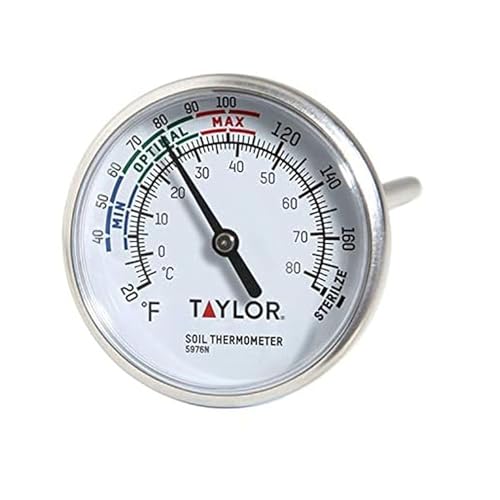
    Taylor Soil Thermometer for Seed Germination and Planting | Analog Dial with Min, Max and Optimal Ranges, Stainless Steel 4-Inch Stem, Measures 20 to 180 Degrees F
    Taylor Soil Thermometer for Seed Germination and Planting | Analog Dial with Min, Max and Optimal Ranges, Stainless Steel 4-Inch Stem, Measures 20 to 180 Degrees F

    PRECISE SOIL TEMPERATURE READINGS: Measures soil temperatures from 20 degrees F to 180 degrees F (0 degrees C to 80 degrees C) with a large, easy-to-read analog dial face - no batteries or digital screens needed for reliable results every time

    MUST READ
    How to Get Honeydew Off Car: Safe and Effective Cleaning Techniques
    VIEW LATEST PRICE

    As an affiliate, we earn on qualifying purchases.

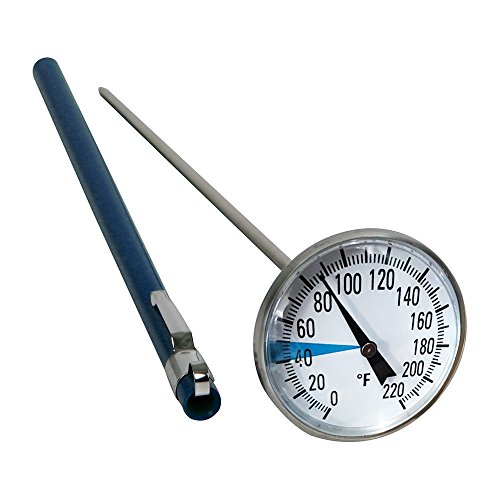
    Urban Worm Soil Thermometer - 5-in Stainless Steel Stem - Perfect for Gardening & Worm Bin
    Urban Worm Soil Thermometer - 5-in Stainless Steel Stem - Perfect for Gardening & Worm Bin

    Easy-to-read green, yellow, and red tick marks for easy monitoring
    VIEW LATEST PRICE

    As an affiliate, we earn on qualifying purchases.

    Stainless Steel Soil Thermometer by Smart Choice| 127mm Stem, Easy-to-Read 1.5” Dial Display, 0-220 Degrees Fahrenheit Range | Soil Temperature Thermometer for Ground, Compost, Garden Soil
    Stainless Steel Soil Thermometer by Smart Choice| 127mm Stem, Easy-to-Read 1.5” Dial Display, 0-220 Degrees Fahrenheit Range | Soil Temperature Thermometer for Ground, Compost, Garden Soil

    PRACTICAL SOLUTION - While other Soil Thermometers can’t tell the correct temperature, fogs up, and get broken easily, our soil thermometer has high precision performance, high-visibility, and is designed to last

    VIEW LATEST PRICE

    As an affiliate, we earn on qualifying purchases.

    Regional Planting Guides

    Different regions have varying climates that can impact the growth of honeydew melons. Consult local gardening resources or agricultural extension offices to determine the best time to plant in your area. These guides provide specific recommendations based on your location’s climate and growing season.

    The Importance of Soil Temperature

    Soil temperature plays a significant role in seed germination and plant growth. Honeydew seeds require warm soil to sprout and thrive. It’s recommended to plant honeydew seeds when the soil temperature reaches at least 70°F (21°C) consistently. Using a soil thermometer can help you monitor the temperature accurately.

    By following regional planting guides and ensuring the soil temperature is suitable, you can maximize the chances of a successful honeydew melon harvest in your garden.

    Preparing for Planting

    To ensure successful honeydew melon cultivation, it’s essential to prepare adequately before planting. Here are some key steps to consider:

    Recommended Products

    Eurysman Precision Spout 0.45L Watering Can – Perfect for Delicate Seedlings - Potted Plants - Green
    Eurysman Precision Spout 0.45L Watering Can – Perfect for Delicate Seedlings - Potted Plants - Green

    This compact 0.45L watering can turns routine plant care into a small pleasure. Lightweight and easy to hold, it requires almost no effort—making daily watering feel simple and natural.

    MUST READ
    How to Germinate Honeydew Melon Seeds: Essential Tips for Successful Growth
    VIEW LATEST PRICE

    As an affiliate, we earn on qualifying purchases.

    Watering Can for Seedlings, 15oz/0.45l (Blue) | Small Watering Can For House Plant Garden Flower
    Watering Can for Seedlings, 15oz/0.45l (Blue) | Small Watering Can For House Plant Garden Flower

    Small Design Watering Can:The watering can in timeless design is ideal for watering the room or balcony plants.

    VIEW LATEST PRICE

    As an affiliate, we earn on qualifying purchases.

    Reallnaive 6-piece Indoor Watering Can Set – 1 Gal Can, 6.8 oz Spray, 15 oz Squeeze, Plant Watering Globes & Soil Moisture Meter, Indoor & Outdoor Plant Care(Fluorescent Green)
    Reallnaive 6-piece Indoor Watering Can Set – 1 Gal Can, 6.8 oz Spray, 15 oz Squeeze, Plant Watering Globes & Soil Moisture Meter, Indoor & Outdoor Plant Care(Fluorescent Green)

    Complete Watering Kit: this Indoor Plant Watering Set Includes Everything You Need for Daily Plant Care: 1 Gallon Watering Can, 450 ml Watering Can for Seedlings, a 6.8 oz Spray Bottle, 2 Self Watering Globes, and a Soil Moisture Meter; Designed to support healthy growth for houseplants, seedlings, and small garden plants

    VIEW LATEST PRICE

    As an affiliate, we earn on qualifying purchases.

    Choosing the Right Soil

    Select well-draining soil rich in organic matter for planting honeydew seeds. A sandy loam soil type is ideal as it provides good aeration and drainage for healthy root development.

    Necessary Tools and Equipment

    Before planting honeydew seeds, gather essential tools such as a trowel for digging holes, a watering can or hose for irrigation, and organic fertilizer to enrich the soil. Additionally, have stakes ready for supporting vine growth as the melons develop.

    Caring for Your Honeydew Plants

    When it comes to caring for your honeydew plants, proper irrigation and fertilization are key factors in ensuring healthy growth and a bountiful harvest. Here’s how you can effectively nurture your honeydew plants:

    Recommended Products

    Sow Right Seeds - Honeydew Melon Seed for Planting Sweet Green Honey Dew
    Sow Right Seeds - Honeydew Melon Seed for Planting Sweet Green Honey Dew

    Beautiful - Large individual packet of Green Honeydew Melon (Cucumis melo) seeds. Grow an abundant harvest of sweet melons. Each plant grows vigorously and produces 2-4 melons. Minimum of 1.5g per packet (about 50 seeds).

    MUST READ
    How to Clean Honeydew Off Car: Expert Tips for Paint Protection
    VIEW LATEST PRICE

    As an affiliate, we earn on qualifying purchases.

    Seed Needs Green Honeydew Melon Seeds to Plant a Fruit Garden - 1 Pack | Heirloom & Non-GMO Melon - Displays a smooth pale rind and emerald flesh with a classic honey sweetness & refreshing taste
    Seed Needs Green Honeydew Melon Seeds to Plant a Fruit Garden - 1 Pack | Heirloom & Non-GMO Melon - Displays a smooth pale rind and emerald flesh with a classic honey sweetness & refreshing taste

    Flavor Profile: Delivers exceptionally juicy, emerald-green flesh with a silky smooth texture and a classic honeyed sweetness that makes it an enduring favorite for fresh fruit salads.

    VIEW LATEST PRICE

    As an affiliate, we earn on qualifying purchases.

    Seed Needs Green Honeydew Melon Seeds to Plant a Fruit Garden - 2 Packs | Heirloom & Non-GMO Melon - Displays a smooth pale rind and emerald flesh with a classic honey sweetness & refreshing taste
    Seed Needs Green Honeydew Melon Seeds to Plant a Fruit Garden - 2 Packs | Heirloom & Non-GMO Melon - Displays a smooth pale rind and emerald flesh with a classic honey sweetness & refreshing taste

    Flavor Profile: Delivers exceptionally juicy, emerald-green flesh with a silky smooth texture and a classic honeyed sweetness that makes it an enduring favorite for fresh fruit salads.

    VIEW LATEST PRICE

    As an affiliate, we earn on qualifying purchases.

    Irrigation and Fertilization

    Watering your honeydew plants regularly is crucial, especially during the hot summer months when they need more moisture. Aim to keep the soil consistently moist but not waterlogged to prevent issues like root rot. A good practice is to water deeply, allowing the water to reach the roots.

    Fertilizing your honeydew plants is essential for providing them with the nutrients they need to thrive. Consider using a balanced fertilizer or one specifically formulated for melons. Apply fertilizer according to the package instructions, typically starting when the plants begin flowering.

    Common Pests and How to Control Them

    Keep an eye out for common pests that may affect your honeydew plants, such as aphids, spider mites, and cucumber beetles. To control these pests:

    • Aphids: Rinse off aphids with a strong stream of water or use insecticidal soap.
    • Spider Mites: Introduce predatory insects like ladybugs or use neem oil as a natural remedy.
    • Cucumber Beetles: Handpick beetles from the plants or use row covers for protection.
    MUST READ
    Removing Aphid Honeydew Stains from Your Car: Easy Cleaning Tips

    Regularly inspect your plants for any signs of pest infestations and take prompt action to prevent damage.

    By properly managing irrigation, fertilization, and pest control measures, you can help your honeydew plants flourish and yield delicious fruits for you to enjoy fresh from your garden.

    Conclusion

    You now have the essential knowledge to plant honeydew seeds successfully. By understanding the life cycle, ideal climate conditions, and proper care techniques outlined in this guide, you can nurture your honeydew plants effectively. Remember the importance of timing your planting for a fruitful harvest and providing adequate irrigation, fertilization, and pest control. With these tips at hand, you’re on your way to enjoying sweet and juicy honeydew melons fresh from your garden. Happy planting!

    Frequently Asked Questions

    How can I ensure a successful honeydew melon harvest?

    To ensure a successful honeydew melon harvest, time planting correctly, provide ample sunlight, maintain proper soil moisture levels, and address pest control promptly.

    What are the ideal climate conditions for growing honeydew melons?

    Honeydew melons thrive in warm temperatures between 70-90°F (21-32°C), require full sunlight for at least 6-8 hours daily, and prefer well-draining soil rich in organic matter.

    How should I water my honeydew plants effectively?

    Water deeply but infrequently to encourage deep root growth, ensuring that the soil is consistently moist but not waterlogged to avoid root rot.

    What fertilizers should I use for my honeydew plants?

    Use balanced fertilizers with equal NPK ratios or specialized melon fertilizers to promote healthy plant growth and fruit development.

    How can I control pests like aphids and spider mites on my honeydew plants?

    Implement integrated pest management strategies such as using insecticidal soap or neem oil while regularly inspecting plants for early pest detection.

    Share. Facebook Twitter Pinterest LinkedIn Tumblr Email
    lucy smith
    Lucy Smith
    • Website

    Lucy Smith is a highly experienced horticulturist with a passion for fruit tree cultivation. She holds a degree in Horticulture from the University of California, Davis, and has worked in various roles in the industry. With over 10 years of experience, Lucy is dedicated to using eco-friendly methods for sustainable gardening practices.

    Related Posts

    Do Honeydew Melons Grow on Trees? Cultivation, Nutrition, and Culinary Delights Explained

    July 27, 2024

    Can You Grow Honeydew Melons from Seeds? Tips for Successful Home Harvesting

    July 27, 2024

    How to Grow Honeydew Melon from Fresh Seeds: A Complete Backyard Gardening Guide

    July 27, 2024

    Can You Eat Honeydew Seeds? A Guide to Health Benefits and Preparation Tips

    July 27, 2024

    Are Honeydew Seeds Good for You? Exploring Nutritional Benefits and Safety Tips

    July 27, 2024

    Ultimate Guide: How to Grow Honeydew Melons on a Trellis Like a Pro

    July 27, 2024
    Leave A Reply Cancel Reply

    Affiliate Disclosure

    As an Amazon Associate I earn from qualifying purchases.

    Recommended Reading

    Best Fruit Trees for Northland NZ: Tips for Growing, Harvesting, and Care

    Can Jujube Trees Grow in Charlotte, NC? Piedmont Growth Tips

    23 Fun Christmas Crochet Projects Using Candy Cane Motifs

    Should I Thin the Fruit on My Peach Tree: Benefits and Step-by-Step Guide for Gardeners

    Jujube Trees in Sacramento, CA (Valley Sun Success Secrets)

    How to Espalier Nectarine Trees: A Complete Guide to Space-Saving Gardening and Fruitful Cultivation

    How Long Does It Take for Loquat Trees to Fruit: Factors Affecting Fruit Production

    Can You Eat Ornamental Cherry Tree Fruit? Exploring Safety, Taste, and Culinary Uses

    Why Is My Lemon Tree Dropping Fruit: Discover Common Causes and Solutions for Healthier Trees

    When to Buy Fruit Trees: Tips for Timing and Successful Planting in Your Garden

    Fruit Tree Hub

    Fruit Tree Hub is a website dedicated to providing you everything you need to grow fruit trees successfully at in your own yard.

    Contact us at: [email protected]

    - AFFILIATE DISCLOSURE: As an Amazon Associate I earn from qualifying purchases.

    Latest Posts

    18 Coastal Crochet Tops in White and Neutral Shades

    16 Retro Crochet Tops Built Around Multicolor Granny Squares

    16 Modest Crochet Tops Featuring Higher Necklines

    19 Cottagecore Crochet Tops With Square Necklines

    13 Ruffled Crochet Tops With Flared Hems

    19 Lace Crochet Tops Featuring Intricate Openwork

    14 Floral Crochet Tops Inspired by Botanical Motifs

    20 Boho Crochet Halter Tops for Festival Outfits

    Categories
    • Almond Trees
    • Apple Trees
    • Apricot Trees
    • Best Fruit Trees
    • Blackberry
    • Cantaloupe
    • Cherry Trees
    • Christmas Crochet Ideas
    • Crochet Bag Ideas
    • Crochet Blanket Ideas
    • Crochet Dress Ideas
    • Crochet Ideas
    • Crochet Ideas for Beginners
    • Crochet Top Ideas
    • Cucamelon
    • Easy Crochet Ideas
    • Easy Knitting Projects
    • Fall Crochet Ideas
    • Fig Trees
    • Grapefruit Trees
    • Grapes
    • Guava Trees
    • Halloween Crochet Ideas
    • Honeydew
    • Jujube Trees
    • Kiwi
    • Knitting For Beginners
    • Knitting Ideas
    • Knitting Inspiration
    • Lemon Trees
    • Lime Trees
    • Loquat Trees
    • Mango Trees
    • Mulberry Trees
    • Nectarine Trees
    • Olive Trees
    • Orange Trees
    • Papaya Trees
    • Peach Trees
    • Pear Trees
    • Persimmon Trees
    • Planting
    • Plum Trees
    • Pomegranate Trees
    • Quince Trees
    • Raspberry
    • Reviews
    • Small Crochet Ideas
    • Star Fruit Trees
    • Summer Crochet Ideas
    • Tamarind Trees
    • Tangerine Trees
    • Tips and Advice
    • Tools
    • Uncategorized
    • Walnut Trees
    • Winter Crochet Ideas
    © 2026 Fruit Tree Hub
    • Home
    • About Us
    • Contact
    • Privacy Policy
    • Terms and Conditions
    • Disclaimer
    • Editorial Policy
    • Affiliate Disclosure

    Type above and press Enter to search. Press Esc to cancel.