

Curious about when to plant grapes in zone 7? Picture this: you’re eager to cultivate your own vineyard, but unsure of the perfect timing. Don’t worry; we’ve got you covered!
Key Takeaways
- Understanding the climate and hardiness considerations of Zone 7 is crucial for successful grape cultivation.
- Choosing grape varieties like Cabernet Franc, Merlot, or Chardonnay that are cold-hardy ensures better adaptation to Zone 7 conditions.
- Spring planting allows grapevines to establish before summer heat, while fall planting can prevent stress on newly planted vines but requires careful consideration in harsh winter areas.
- Selecting grape varieties resistant to powdery mildew (e.g., Seyval Blanc) and downy mildew (e.g., Marquette) is essential for humid climates.
- Testing soil pH, amending as needed, and ensuring proper drainage and fertility are vital steps before planting grapes in Zone 7.
- Following correct planting techniques such as appropriate depth, spacing, trellising, and support helps establish a strong foundation for healthy vine growth in Zone 7.
Understanding Zone 7 Climate
When considering planting grapes in zone 7, understanding the climate is crucial for successful cultivation. Here’s a breakdown to help you navigate the weather patterns and hardiness considerations specific to this region:
Weather Patterns
In zone 7, characterized by its relatively mild winters and warm summers, the climate plays a significant role in grape cultivation. With average winter lows ranging from 0°F to 10°F (-17°C to -12°C) and summer highs between 86°F to 95°F (30°C to 35°C), it’s essential to select grape varieties that can thrive in these conditions.
Grapes require a certain number of chilling hours during winter dormancy, typically between 1000-2000 hours below 45°F (7°C). This ensures proper bud break and flowering come spring. Understanding the specific chilling hour requirements of different grape varieties is key to their successful growth in zone 7.
Hardiness Considerations
When planting grapes in zone 7, consider the USDA hardiness zones within this region. Zone 7 encompasses areas with winter temperatures ranging from 0°F (-18°C) to as high as 20°F (-6°C).
Selecting grapevine cultivars that are cold-hardy enough for these temperatures is vital. Varieties like Cabernet Franc, Merlot, or Chardonnay are known for their adaptability to zone 7 climates due to their tolerance for colder winters.
By choosing grape varieties suited to the weather patterns and hardiness of zone 7, you set your vineyard up for success and ensure a bountiful harvest year after year.
The Best Times to Plant Grapes in Zone 7
When considering the optimal timing for planting grapes in Zone 7, you’ll find that both spring and fall offer distinct advantages depending on your specific goals and preferences.
Spring Planting Benefits
Planting grapes in the spring is a popular choice for many vineyard owners. During this time, the soil starts to warm up, creating favorable conditions for root development. By planting in the spring, you allow your grapevines to establish themselves before the hot summer months set in. This early start can lead to stronger plants capable of withstanding the challenges of summer heat more effectively.
Fall Planting: Pros and Cons
Alternatively, fall planting also has its merits. When you plant grapes in the fall, the cooler temperatures help prevent stress on newly planted vines. Additionally, fall planting allows roots to continue growing even after leaves have fallen off. However, there are some considerations to keep in mind with fall planting. In areas where winters are harsher or frost arrives early, young grapevines may be susceptible to damage if not adequately established before winter sets in.
By carefully weighing these factors and understanding your local climate conditions, you can make an informed decision on whether spring or fall is the best time to plant grapes in Zone 7 for your vineyard’s success.
Choosing the Right Grape Varieties for Zone 7
When selecting grape varieties for your vineyard in zone 7, it’s essential to pick those that can thrive in the region’s specific climate. Here are some key considerations to help you make the best choice:
Popular Varieties for Zone 7
- Cabernet Franc: Known for its adaptability and ability to withstand colder temperatures, making it a suitable choice for zone 7.
- Merlot: With its mid-season ripening and moderate cold tolerance, Merlot is a popular option in this region.
- Chardonnay: This versatile variety fares well in zone 7’s conditions, producing quality grapes for white wine.
- Powdery Mildew: Look for varieties like Seyval Blanc or Vignoles that have good resistance to powdery mildew common in humid climates.
- Downy Mildew: Consider planting Marquette or Frontenac grapes known for their resistance to downy mildew prevalent in damp environments.
Preparing Your Soil for Grape Planting
Before planting grapes in zone 7, it’s essential to prepare your soil properly. Here are some key steps to ensure your grapevines thrive:
Recommended Products

PREMIUM INGREDIENTS: This specifically crafted organic compost blend has a low pH premium formulation that is naturally lightweight and contains just the right ingredients ensuring healthy growth and beautiful results.

Fragrant Flowers: Bloom blossoms that provide precious nectar for pollinators like bees, creating your own romantic orchard with heavy fruit and rich flavor

100% Natural: Expertly hand-blended with premium ingredients for potted citrus trees, ensuring your trees receive the purest, chemical-free nutrients. Contains no artificial additives.
Testing and Amending Soil
Start by testing your soil to determine its pH level and nutrient content. You can get a soil test kit from your local gardening center or cooperative extension office. Once you know the status of your soil, you may need to amend it to create the ideal growing conditions for grapes.
If your soil is too acidic or alkaline, you can adjust the pH level by adding lime to raise acidity or sulfur to lower it. Incorporating organic matter like compost or well-rotted manure can improve soil structure and fertility, providing a healthy environment for grape roots to establish and grow.
Ideal Soil Composition for Grapes
Grapes prefer well-draining soils with good fertility and a pH level between 6.0 and 6.5. Sandy loam or loamy soils are generally suitable for grape cultivation as they offer adequate drainage while retaining enough moisture for the vines.
To enhance the soil composition for grapes, consider adding perlite or sand if drainage is poor, or organic matter like peat moss if the soil lacks nutrients. Mixing in aged compost before planting will help enrich the soil with essential nutrients that support healthy vine growth.
By ensuring that your soil is tested, amended as needed, and has the ideal composition, you’ll create an optimal foundation for successful grape planting in zone 7.
Planting Techniques and Tips
When planting grapes in zone 7, it’s crucial to follow specific techniques and tips to ensure successful cultivation. Here are some key considerations to keep in mind:
Recommended Products

Material & Durability: Compatible for grape vine support, crafted from quality PP material for reusability, resistance to breakage, and easy distortion on vines without slipping when clipped to trellising twine.
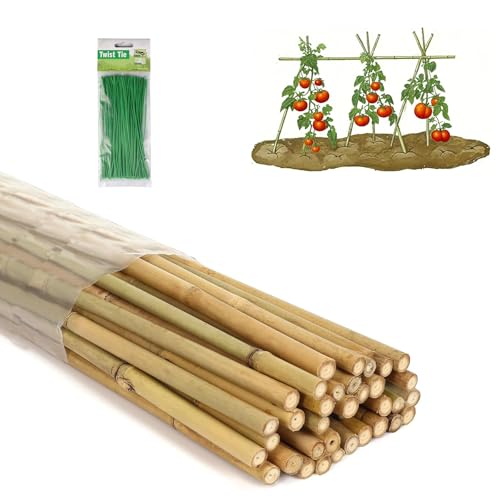
🌱𝐖𝐡𝐲 𝐂𝐡𝐨𝐨𝐬𝐞 𝐌𝐎𝐑𝐎𝐌𝐘𝐒𝐄 𝐁𝐚𝐦𝐛𝐨𝐨 𝐒𝐭𝐚𝐤𝐞𝐬?-Our 4FT stakes: 100% natural, renewable bamboo—eco-friendly for garden and planet. Hand-picked, polished by artisans for premium quality; no rough edges to harm plants. Waterproof-coated bamboo roots boost strength, flexibility, durability. Resist breaking/toppling, reusable season after season. Choose to protect plants and environment with confidence.

This grape vine support is made of quality PP material, Can be reused,not easy to break,can be easily distorted and on the vine.Easily clips to trellising twine and doesn't slip.
Planting Depth and Spacing
- Dig a hole that is deep enough to accommodate the grapevine’s roots without bending or crowding them.
- Place the plant at the same level as it was in its nursery container to maintain proper depth.
- Ensure adequate spacing between grapevines, typically around 6-10 feet apart, to allow for optimal growth and airflow.
- Install trellises or stakes near newly planted grapevines to provide support as they grow.
- Tie the vines gently to the trellis or stake using soft ties to avoid damaging the plant.
- Regularly check the supports and adjust them as needed to guide the vine’s growth in the desired direction.
By paying attention to planting depth, spacing, and providing necessary support for young grapevines, you can set a solid foundation for healthy growth and bountiful harvests in your zone 7 vineyard.
Conclusion
Planting grapes in zone 7 requires careful consideration of climate, grape varieties, and timing. Whether you choose to plant in the spring or fall, ensuring proper soil preparation is key to your vineyard’s success. By focusing on planting techniques such as depth, spacing, and support for young vines, you can lay a solid foundation for healthy growth and bountiful harvests. Remember to select suitable grape varieties like Cabernet Franc, Merlot, and Chardonnay that thrive in this region. With these insights in mind, you’re ready to embark on your grape-growing journey in zone 7 with confidence. Happy planting!
Frequently Asked Questions
1. What grape varieties are suitable for planting in zone 7?
In zone 7, suitable grape varieties include Cabernet Franc, Merlot, and Chardonnay due to their ability to thrive in the region’s climate.
2. When is the optimal time to plant grapes in zone 7?
The optimal timing for planting grapes in zone 7 is during both spring and fall seasons, taking advantage of favorable weather conditions for growth.
3. Why is soil preparation important before planting grapes?
Soil preparation is crucial as it involves testing, amending soil pH levels, and adding organic matter like compost to create an ideal environment for grape growth.
4. What are some key planting techniques for successful grape cultivation in zone 7?
Key techniques include ensuring proper planting depth, spacing between vines, and providing support through trellises or stakes for young grapevines.
5. How can vineyard owners establish a strong foundation for successful grape cultivation in zone 7?
Vineyard owners can establish a strong foundation by following recommended planting techniques and tips while prioritizing soil preparation and selecting suitable grape varieties.
