

Ever wondered why your grapevines aren’t thriving as expected? Picture this: you’ve diligently planted your grapevines, but they seem to be struggling to reach their full potential. Could it be the acidity of the soil they’re planted in?
In this article, we’ll explore the crucial relationship between grapes and acidic soil. You’ll discover how the pH levels of your soil can impact the growth and yield of your grapevines. Understanding whether grapes truly need acidic soil is key to unlocking their optimal growth and ensuring a bountiful harvest.
Stay tuned as we uncover the secrets behind creating the perfect environment for your grapevines to flourish. Let’s dive into the world of grape cultivation and demystify the role that acidic soil plays in nurturing these luscious fruits.
Key Takeaways
- Soil pH levels significantly impact the health and growth of grapevines, with the ideal range for grapes being slightly acidic to neutral between 6.0 and 7.0.
- Regularly testing soil pH and adjusting it using materials like lime or elemental sulfur is crucial to ensure grapevines can absorb nutrients effectively.
- Different grape varieties have specific soil preferences, such as American grapes preferring slightly acidic to neutral soils while European varieties thrive in slightly alkaline soils.
- Methods like mulching, proper fertilization, and water management can help manage grapevines in non-ideal soil conditions and promote healthy growth.
Understanding Soil pH and Grape Cultivation
Soil pH plays a crucial role in the health and growth of plants, including grapevines. Understanding how pH levels affect plant development is key to successful cultivation. Let’s delve into the significance of soil pH in grape growing.
The Role of pH in Plant Health
pH, a measure of how acidic or alkaline a substance is, profoundly impacts plant health. For grapevines, maintaining the right soil pH level is vital for nutrient uptake and overall well-being. When soil is too acidic or alkaline, it can hinder the plant’s ability to absorb essential nutrients like nitrogen, phosphorus, and potassium. This imbalance can lead to stunted growth, poor fruit quality, and increased susceptibility to diseases.
Ideal pH Levels for Growing Grapes
Grapes thrive best in slightly acidic to neutral soils with a pH range between 6.0 and 7.0. At this optimal range, grapevines can efficiently absorb nutrients from the soil, promoting healthy root development and robust growth. To ensure your grapevines flourish, regularly test your soil’s pH levels using a reliable testing kit. If adjustments are needed to reach the ideal range, you can amend the soil with materials like lime to raise pH or elemental sulfur to lower it.
By maintaining the ideal pH levels in your vineyard, you create an environment where grapevines can thrive and produce high-quality fruits year after year. Remember that understanding the role of soil pH is essential for successful grape cultivation practices.
Adjusting Soil pH for Grapevines
To ensure optimal growth conditions for your grapevines, it’s essential to adjust the soil pH within the ideal range. Here’s how you can effectively manage the acidity levels for your grape cultivation.
Assessing Your Soil’s Current pH
Start by testing your soil’s current pH level using a simple soil test kit available at gardening stores or through agricultural extension services. This test will indicate whether your soil is too acidic or alkaline for grape growing. Aim for a pH range between 6.0 to 7.0 to provide the best environment for your grapevines.
Methods to Alter Soil Acidity
If your soil pH falls outside the recommended range, there are effective methods to adjust its acidity:
- Lime Application:
- Applying agricultural lime can help raise the pH of acidic soils towards a more neutral level suitable for grape cultivation.
- Elemental Sulfur Addition:
- For soils that are too alkaline, adding elemental sulfur can lower the pH and make it more conducive for growing grapes.
- Organic Matter Incorporation:
- Adding organic materials such as compost or well-rotted manure can also help balance soil pH over time while improving overall soil health.
By regularly monitoring and adjusting your soil’s pH using these methods, you can create an optimal growing environment for your grapevines, ensuring they receive the necessary nutrients for healthy development and fruitful harvests.
Types of Grapes and Their Soil Preferences
When it comes to grape cultivation, different varieties have specific soil preferences that can impact their growth and fruit production. Understanding these preferences is crucial for ensuring the health and vitality of your grapevines.
Recommended Products
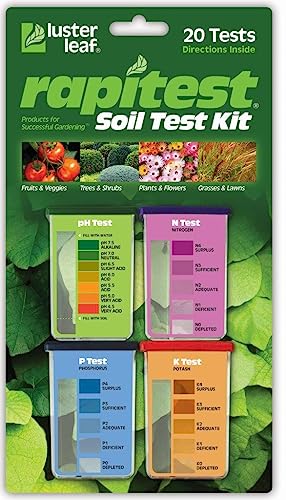
Quick, at home results for Soil pH, Nitrogen, Phosphorous and Potash Innovative and inexpensive soil test kit features an easy-to-use capsule system and patented color comparators

Kindly NOTE: This soil tester can not be applied to test pH value of any other liquid. If the soil is too dry the indicator will not move, and water it before testing.

【4 in 1 function】This is a 4-in-1 multifunctional soil tester.Our soil tester fastly to measure soil moisture, pH, temperature and sunlight to help you take better care of flowers and plants.You can know when you need to water your soil by measuring moisture and pH & Temperature value of the soil and sunlight level of plants with it.
American Varieties
American grape varieties, such as Concord and Catawba grapes, are known for their adaptability to a wide range of soil types. These grapes thrive in well-drained soils with moderate fertility. They prefer slightly acidic to neutral soils with a pH ranging from 5.5 to 6.8. If you’re growing American grape varieties, ensure the soil is loose and aerated to promote healthy root development.
European Varieties
European grape varieties, including Cabernet Sauvignon and Chardonnay, have more specific soil requirements compared to American varieties. These grapes prefer well-drained soils rich in nutrients like nitrogen and potassium. European varieties thrive in slightly alkaline soils with a pH between 6.0 and 7.0. It’s essential to avoid waterlogged conditions that can lead to root rot in European grapevines.
Hybrid Varieties
Hybrid grape varieties, such as Seyval Blanc and Vidal Blanc, combine characteristics of both American and European grapes. These hybrids often exhibit greater tolerance to various soil conditions but still benefit from well-balanced soil properties. Hybrid grapes generally perform well in loamy soils with good drainage and a pH level around 6.0 to 6.5.
By understanding the soil preferences of different grape varieties, you can optimize your vineyard management practices to provide the best possible growing conditions for your grapes’ success.
Managing Grapevines in Non-Ideal Soil Conditions
If you find yourself dealing with soil conditions that are not ideal for grape cultivation, there are still ways to manage your grapevines effectively. Here are some practical tips to help you navigate non-ideal soil situations.
Mulching and Fertilization Techniques
When faced with less-than-ideal soil conditions, mulching can be a beneficial practice for grapevines. Mulch helps retain moisture, regulate soil temperature, and improve soil structure over time. By applying organic mulch such as compost or straw around the base of your grapevines, you can provide them with essential nutrients and create a more favorable environment for root development.
In addition to mulching, proper fertilization is crucial in non-ideal soil scenarios. Conduct a soil test to determine nutrient deficiencies and adjust your fertilization regimen accordingly. Slow-release organic fertilizers can be particularly effective in improving soil health without causing nutrient imbalances or leaching.
Water Management for Balancing pH
Water management plays a significant role in balancing pH levels in the soil surrounding your grapevines. Irrigate consistently but avoid overwatering, as excessive moisture can lead to nutrient leaching and pH fluctuations. Consider using drip irrigation systems to deliver water directly to the root zone while minimizing water wastage.
Monitoring the pH of your irrigation water is also important, especially if it is high in alkalinity. Acidifying agents like sulfuric acid can be used judiciously to lower water pH before irrigating your grapevines, helping maintain optimal growing conditions despite less-than-ideal soil alkalinity levels.
By implementing these mulching techniques and adopting proper water management practices, you can mitigate the challenges posed by non-ideal soil conditions and promote healthy growth and fruit production in your grapevines.
Conclusion
Remember, maintaining the right soil pH is key to ensuring your grapevines thrive. Different grape varieties have their own soil preferences, so understanding these can help you optimize your vineyard management practices. By adjusting soil pH levels and implementing proper care techniques, you can overcome challenges and promote healthy growth in your grapevines. Keep these tips in mind as you tend to your vines to achieve successful fruit production and maintain the vitality of your grape plants.
Frequently Asked Questions
What is the ideal soil pH range for grape cultivation?
The ideal soil pH range for grape cultivation is between 6.0 to 7.0.
How can I adjust the soil pH for grapevines?
To adjust soil pH for grapevines, test the levels first, then apply lime to raise pH or sulfur to lower it. Adding organic matter can also help balance pH.
What are the soil preferences of different grape varieties?
American grapes prefer slightly acidic to neutral soils, European grapes thrive in slightly alkaline soils, and hybrid grapes show tolerance to various conditions.
How can I manage grapevines in non-ideal soil conditions?
In non-ideal soil conditions, manage grapevines by mulching, using specific fertilization techniques, and implementing proper water management practices.
