

Have you ever dreamed of stepping into your backyard and picking juicy, ripe blackberries straight from the vine? Picture this: the sun-kissed berries glistening in the morning dew, ready to be enjoyed in your favorite recipes or eaten fresh off the plant.
Imagine saying goodbye to store-bought berries that lack flavor and freshness. With just a bit of know-how and care, you can cultivate your own bountiful blackberry bushes right at home.
Key Takeaways
- Choose blackberry varieties suitable for your climate, growth habit, fruit flavor, disease resistance, and harvest time.
- Popular blackberry varieties for home gardens include ‘Prime-Ark Freedom,’ ‘Triple Crown,’ ‘Navaho,’ ‘Apache,’ and ‘Obsidian.’
- Prepare your garden by selecting a sunny location with well-draining soil and optimal pH levels between 5.5 and 7.0.
- Plant blackberries in early spring or late fall, ensuring proper soil preparation, plant selection, watering, mulching, support systems, and maintenance.
- Care for your blackberry plants by providing consistent watering, fertilizing in early spring, pruning dead canes regularly to encourage new growth.
- Harvest ripe blackberries gently in the morning and store them properly in the refrigerator to maintain freshness. Be mindful of common challenges like pests, diseases, weather-related concerns; manage them with proper inspection and treatments.
Choosing the Right Variety of Blackberries
When selecting blackberry varieties for your home garden, you should consider various factors to ensure successful growth and a bountiful harvest. Here’s what you need to know:
Recommended Products

Sweet & Nutritious Berries:The berries have a sweet taste, rich in various vitamins, minerals such as calcium, iron and zinc, as well as amino acids and essential dietary fiber. They are suitable for fresh eating or making jams and desserts, meeting the needs of a healthy diet.
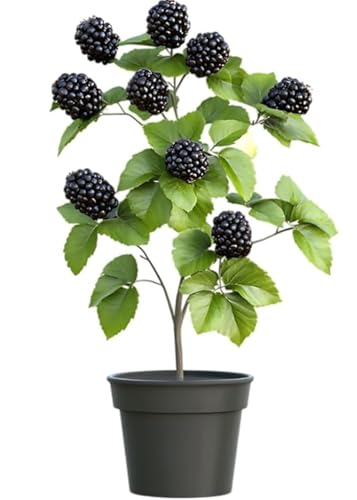
THORNLESS & SAFE TO HARVEST: Thornless stems prevent scratches and make picking berries easier. Perfect for families and gardeners of all experience levels.

READY TO PLANT: Healthy seedlings that are ready to plant. Thornless and large fruits
Factors to Consider
- Climate Suitability: Ensure the blackberry variety you choose is suitable for the climate in your region. Some varieties thrive in warmer climates, while others are more cold-hardy.
- Growth Habit: Consider the growth habit of the blackberry plant – erect, semi-erect, or trailing. The growth habit will determine how you need to support the plants as they grow.
- Fruit Flavor and Size: Different varieties of blackberries offer varying fruit flavors and sizes. Choose based on your preference for sweetness, tartness, or berry size.
- Disease Resistance: Look for varieties that are resistant to common diseases in blackberries, such as anthracnose or powdery mildew, to ensure healthier plants.
- Harvest Time: Blackberry varieties have different harvest times throughout the growing season. Select a mix of early, mid-season, and late-season varieties for an extended harvest period.
Popular Varieties for Home Gardens
Here are some popular blackberry varieties well-suited for home gardens:
- ‘Prime-Ark Freedom’: This thornless variety produces large and flavorful berries over an extended period from both primocanes (first-year canes) and floricanes (second-year canes).
- ‘Triple Crown’: Known for its sweet berries with excellent flavor, this thornless variety is productive and disease-resistant.
- ‘Navaho’: A thornless cultivar that yields firm and glossy berries with a rich flavor perfect for fresh eating or making preserves.
- ‘Apache’: This erect thorned variety bears sweet-tart fruit ideal for snacking or culinary uses like baking and jams.
- ‘Obsidian’: A unique trailing thornless variety with exceptionally large berries that are perfect for fresh consumption or desserts.
Preparing Your Garden for Blackberries
Before planting blackberries in your garden, it’s essential to prepare the space adequately. Here are some key steps to ensure your blackberry plants thrive:
Recommended Products

Quick, at home results for Soil pH, Nitrogen, Phosphorous and Potash Innovative and inexpensive soil test kit features an easy-to-use capsule system and patented color comparators

KNOW BEFORE YOU GROW | Grow the healthiest, sustainable lawn and garden with the most accurate and easy to use professional soil test kit on the market

Comprehensive Soil Analysis: Liquid soil test kits offer a comprehensive analysis of essential soil parameters, including pH, ammonia, nitrogen, phosphorus, and potassium. Having all these measurements in one kit provides a holistic understanding of the soil's fertility and health.
Selecting the Ideal Location
Choose a sunny spot in your garden for planting blackberries as they require at least 6-8 hours of sunlight daily. Ensure good air circulation around the plants to prevent diseases.
Soil Preparation and Requirements
Blackberries prefer well-draining soil with a pH level between 5.5 and 7.0. Test your soil to determine its acidity and amend it with organic matter like compost if needed. Proper drainage is crucial; raised beds can be beneficial if your soil has poor drainage.
By following these guidelines for selecting the right location and preparing the soil, you’ll create an optimal environment for growing healthy and productive blackberry plants in your home garden.
Planting Your Blackberries
When it comes to planting your blackberries, timing is crucial. Here’s what you need to know about the best time to plant and a step-by-step guide for successful planting.
Recommended Products
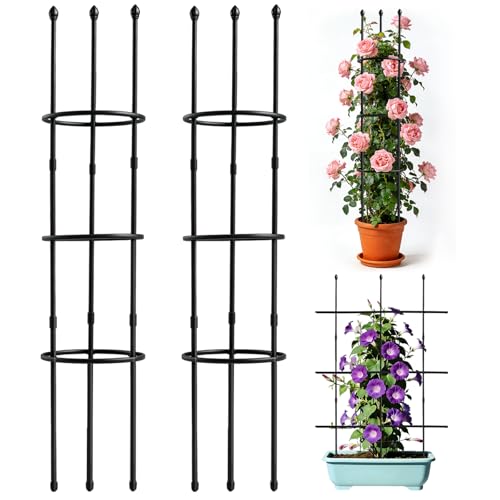
【Two Installation Methods】Our garden trellis can be configured into two types of plant trellis (panel stands and plant cages). You can also combine two or more panels together to form a larger plant stand panel or plant cage. Adjustable plant supports can meet your different plant support needs.
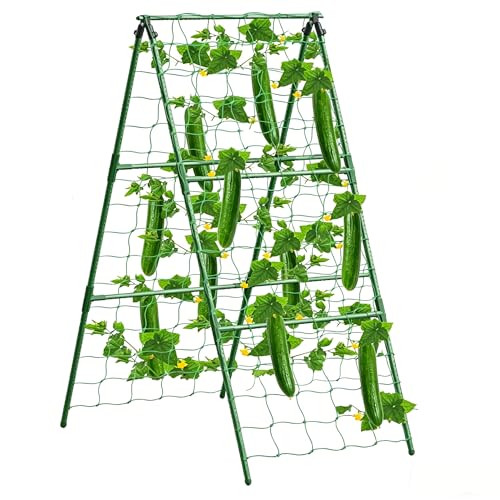
【Package included】:This Trellis for Climbing Plants Outdoor comes complete with everything you need to get started: 17pcs metal stakes, 8pcs T shape connect pipe, 2 A-shaped connectors, and a 0.9x1.8meter plant net.

Support for Tall Plant: This trellis kit provides 7.87” support for your tomatoes, peppers and more
Best Time to Plant
Early Spring: The ideal time to plant blackberries is in early spring when the soil is workable but not waterlogged. This allows the plants to establish themselves before the hot summer months.
Late Fall: Planting in late fall is also an option in milder climates. It gives the roots time to develop over winter, leading to stronger growth in the following seasons.
- Prepare the Soil:
- Choose a sunny location with well-draining soil.
- Ensure the soil pH level falls between 5.5 and 7.0 for optimal growth.
- Consider using raised beds for improved drainage.
- Plant Selection:
- Select healthy blackberry plants from a reputable nursery.
- Choose varieties that suit your climate and garden space.
- Planting Process:
- Dig holes deep enough to accommodate the roots without bending or crowding.
- Space plants according to their specific requirements (usually 3-6 feet apart).
- Watering and Mulching:
- Water newly planted blackberries thoroughly.
- Apply a layer of mulch around the base of each plant to retain moisture and suppress weeds.
- Support Systems:
- Install trellises or stakes for support as blackberries grow on canes that need training.
- Maintenance and Care:
- Prune dead canes regularly and fertilize as needed during the growing season.
- Monitor for pests and diseases, taking prompt action if issues arise.
Caring for Your Blackberry Plants
Taking care of your blackberry plants is crucial to ensure a bountiful harvest. Here are essential tips on watering, fertilizing, pruning, and maintenance to help your blackberries thrive.
Watering and Fertilizing
When it comes to watering your blackberry plants, consistency is key. Make sure the soil is consistently moist but not waterlogged. During dry spells, aim to provide about 1-2 inches of water per week. Additionally, fertilize your blackberries in early spring with a balanced fertilizer to promote healthy growth and fruit production.
Pruning and Maintenance
Pruning plays a vital role in maintaining the health and productivity of your blackberry plants. In late winter or early spring, prune out dead or damaged canes to encourage new growth. Regularly thinning out excess canes will improve air circulation and sunlight penetration, leading to better fruit quality.
For maintenance, keep an eye out for pests and diseases that may affect your plants. Implement integrated pest management strategies such as regular inspections and using natural predators whenever possible instead of harsh chemicals.
By following these watering, fertilizing, pruning, and maintenance practices diligently, you’ll set the stage for abundant blackberry harvests year after year in your home garden.
Harvesting and Storing Blackberries
Harvesting blackberries is a rewarding culmination of your efforts in growing these delicious fruits. Here’s how you can ensure a bountiful harvest and store them properly for later use.
When and How to Harvest
To enjoy ripe, juicy blackberries, pick them when they are fully colored, plump, and easily come off the plant with a gentle tug. It’s best to harvest in the early morning when the berries are cool and at their freshest. Simply grasp the berry between your fingers and give it a slight twist to detach it from the stem without squishing it.
Tips for Storing Blackberries
After harvesting, handle blackberries gently to prevent bruising. Store unwashed berries in a single layer on a shallow container lined with paper towels in the refrigerator. Avoid stacking or crowding them to maintain freshness. Only wash the berries just before consuming to prolong their shelf life; rinsing them too early can lead to spoilage faster.
Common Challenges and Solutions
Dealing with potential issues when growing blackberries at home is a common concern for many gardeners. Here are some common challenges you may encounter and practical solutions to help you overcome them.
Pest and Disease Management
When it comes to growing blackberries, pests and diseases can pose a threat to your plants. Common pests that affect blackberries include spider mites, aphids, and Japanese beetles. These pests can cause damage to the leaves, flowers, or fruit of the plant. To manage pest infestations, you can:
- Inspect Your Plants Regularly: Check your blackberry plants regularly for any signs of pest infestation.
- Prune Infected Areas: If you notice any affected areas, prune them off to prevent the spread of pests.
- Use Natural Predators: Introduce beneficial insects like ladybugs or lacewings to control pest populations organically.
- Apply Neem Oil: Consider using neem oil as a natural pesticide to deter common blackberry pests.
In terms of diseases, blackberries are susceptible to fungal infections such as anthracnose and powdery mildew. To prevent and manage diseases effectively:
- Practice Good Sanitation: Keep your garden clean by removing fallen leaves and debris that may harbor fungal spores.
- Provide Adequate Air Circulation: Ensure proper spacing between plants to promote air circulation and reduce humidity levels.
- Apply Fungicides When Necessary: In severe cases, consider using fungicides labeled for use on blackberries following the manufacturer’s instructions.
Weather-Related Concerns
Weather conditions can also impact the growth and health of your blackberry plants. Extreme temperatures, frost, heavy rainfall, or drought can all affect plant development. To address weather-related concerns:
- Protect Plants from Frost: Cover your plants with frost cloth or plastic sheeting during cold snaps to prevent frost damage.
- Mulch Around Plants: Mulching around the base of your blackberry plants helps retain soil moisture during dry periods and insulates roots during temperature fluctuations.
- Provide Adequate Watering: During hot and dry spells, ensure your plants receive sufficient water to prevent dehydration.
By being proactive in managing pests and diseases while taking precautions against adverse weather conditions, you can cultivate healthy blackberry plants at home successfully.
Conclusion
Growing blackberries at home can be a rewarding experience. By following the right steps in selecting the variety, caring for your plants diligently, and addressing common challenges like pests and diseases promptly, you can enjoy a bountiful harvest of delicious blackberries. Remember to handle your ripe fruits with care during harvesting and storage to preserve their freshness. With proper attention and maintenance, your blackberry plants will thrive and provide you with an abundance of sweet berries for your enjoyment. So roll up your sleeves, get your hands dirty, and watch as your homegrown blackberry bushes flourish before your eyes! Happy growing!
Frequently Asked Questions
What are the key steps in growing blackberries at home?
To grow blackberries successfully at home, start by selecting a suitable variety for your climate, planting in well-draining soil with full sun exposure, watering regularly but avoiding waterlogging, fertilizing with balanced nutrients, pruning to encourage growth and control size, and implementing pest management strategies.
How should I harvest and store blackberries?
Harvest ripe blackberries in the morning when they are cool and firm. Gently pick them to avoid bruising and store them unwashed in a single layer on a paper towel-lined tray in the refrigerator. Consume or process within a few days for optimal freshness.
What are common challenges when growing blackberries?
Common challenges when growing blackberries include dealing with pests like spider mites and aphids, as well as fungal infections. Regularly inspect plants for signs of infestation or disease, use natural predators like ladybugs, apply neem oil as a natural remedy, maintain good sanitation practices, ensure proper air circulation around plants, and protect them from extreme weather conditions.
