

Have you ever wondered if you can enjoy the sweet goodness of blackberries right from your own home, even with limited space? Picture this: You’re craving a handful of juicy blackberries, but you don’t have a sprawling garden. What if I told you that you can grow delicious blackberries in a small container right on your balcony or patio?
Key Takeaways
- Growing blackberries in containers is a practical and space-efficient option for urban dwellers or those with limited outdoor areas.
- Selecting the right container size (at least 5 gallons) and material (durable with good drainage) is crucial for the success of blackberry plants.
- Use a well-draining soil mix rich in organic matter and maintain the pH level between 5.5 and 6.5 for optimal growth of blackberries in containers.
- Regular fertilization with a balanced fertilizer during planting and throughout the growing season is essential to support healthy growth and fruit production.
- Ensure proper watering, full sun exposure (6-8 hours daily), and pest management practices to promote healthy growth and abundant fruit harvests of container-grown blackberries.
- Implement disease prevention strategies, such as sanitation practices, proper air circulation, and fungal control, to maintain healthy blackberry plants in containers.
Benefits of Growing Blackberries in Containers
Growing blackberries in containers offers several advantages that make it a practical and rewarding gardening option. Here are some key benefits to consider:
Space Efficiency
Maximizing space is essential, especially for urban dwellers or those with limited outdoor areas. By growing blackberries in containers, you can enjoy fresh berries without needing a large garden plot. These compact plants fit well on balconies, patios, or small yards, making efficient use of available space.
Mobility and Convenience
Container-grown blackberry bushes provide flexibility as you can move them around to optimize sunlight exposure or protect them from harsh weather conditions. This mobility allows you to adjust the plant’s environment easily, ensuring optimal growth and fruit production. Additionally, container gardening simplifies maintenance tasks like pruning and fertilizing since everything is within reach.
Cultivating blackberries in containers not only saves space but also offers convenience and control over your plant’s growing conditions. Consider these benefits when deciding how to grow your own delicious blackberries at home.
Choosing the Right Container
When it comes to growing blackberries in a container, selecting the appropriate container is crucial for the success of your plants. Here’s what you need to consider:
Recommended Products

Sturdy and durable - Plant pots are made of high quality PP plastic, which is tough, not easy to break or crack. Whether it is digging or daily use, it can withstand pressure and ensure a long service life.

High quality materials - The nursery pot is a kind of plastic pot, which is made of polypropylene material. Nursery pots have good flexibility and are not easy to be damaged after being squeezed. Moreover, the nursery pot is more thicker and more durable than ordinary plastic pots.

The Nursery Pot bottom has small Drain holes to keep soil drained and ventilated.
Size Requirements
For blackberries to thrive in containers, opt for pots or containers that are at least 5 gallons in size. This ensures ample space for the roots to grow and spread comfortably. Larger containers, such as whiskey barrels or half barrels, are ideal for accommodating multiple blackberry plants while providing sufficient room for root development.
Material Considerations
When choosing a container material for your blackberries, prioritize durability and good drainage. Opt for sturdy materials like plastic, fiberglass, or wood that can withstand outdoor conditions and won’t degrade quickly. Ensure that the containers have drainage holes at the bottom to prevent waterlogging, which can lead to root rot.
By selecting containers of the right size and material, you’ll create an optimal environment for your blackberry plants to flourish on your balcony or small yard.
Essential Soil and Fertilization Tips
To ensure successful growth of blackberries in containers, it’s crucial to pay attention to the soil mix and fertilization schedule. Here are some essential tips to help you provide the best environment for your blackberry plants.
Recommended Products

How to Accurately Test Garden's Soil pH? Many growers do not able to use the correct tools and methods to obtain accurate soil ph values; NewTest soil ph test kit includes upgraded soil ph test strips, measuring cylinders, and instructions for professional testing methods; it allows even beginners to easily and accurately obtain soil ph values

PROFESSIONAL-GRADE ACCURACY: Engineered specifically for soil pH testing, delivering results quickly (in about 60 seconds). With a 3rd Generation, 3-pad ph tester strips design, our soil ph test kit ensures consistent, repeatable results for all your lawn, landscape and garden needs.
Soil Mix for Blackberries
When planting blackberries in containers, use a well-draining soil mix that is rich in organic matter. A recommended mix includes equal parts of peat moss, perlite, and compost. This blend provides good drainage while retaining moisture essential for blackberry roots.
Ensure the soil pH level is between 5.5 and 6.5, as blackberries prefer slightly acidic conditions. You can test the pH of your soil using a simple kit available at garden centers or online. Adjust the pH if needed by incorporating lime to raise it or sulfur to lower it.
Fertilization Schedule
Blackberries are heavy feeders and require regular fertilization to support their growth and fruit production. Start by applying a balanced fertilizer when planting your blackberries in containers. Look for a fertilizer with an N-P-K ratio around 10-10-10 or similar.
During the growing season, feed your blackberry plants every 4-6 weeks with a water-soluble fertilizer specifically formulated for berry plants. Follow the manufacturer’s instructions on the product label regarding application rates and frequency.
Avoid over-fertilizing, as this can lead to excessive vegetative growth at the expense of fruit production. Always water your plants after fertilizing to help nutrients reach the root zone effectively.
By following these soil and fertilization tips, you’ll create an optimal growing environment for your container-grown blackberries, ensuring healthy plants and abundant harvests.
Planting and Caring for Blackberries
When it comes to planting and caring for blackberries in containers, there are specific techniques and requirements you should keep in mind to ensure a successful harvest. Here’s how you can effectively plant and nurture your container-grown blackberry bushes:
Recommended Products
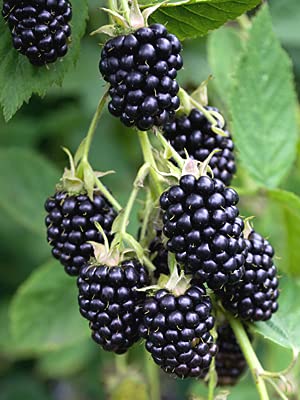
Includes four (4) "Natchez" Blackberry Plants with USPS Shipping. These are 2 inch rooted plants shipped in 2 inch tray pots and are 3-6 inches tall.

Comprehensive Nutritional Care: Includes NPK Fertilizer, Micronutrient Plant Vitamin Concentrates, and Calcium Nutritional Concentrates, ensuring your berry plants receive balanced, sustained nutrition.
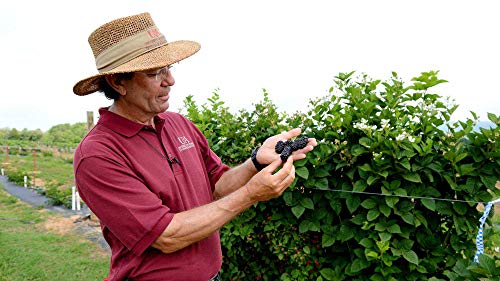
The price includes Four "Prime-Ark Freedom" Blackberry Plants. They are 2 inch rooted plants shipped in 2 inch tray pots and are 3-6 inches tall.
Planting Techniques
To begin, select a container that is at least 5 gallons in size with adequate drainage holes to prevent waterlogging. Larger containers such as whiskey barrels are ideal if you plan on growing multiple blackberry plants together. When planting your blackberries, follow these steps:
- Soil Preparation: Use a well-draining soil mix that is rich in organic matter to provide essential nutrients for your plants’ growth.
- pH Level: Maintain the soil pH between 5.5 and 6.5, as blackberries thrive in slightly acidic conditions.
- Plant Placement: Position your blackberry bush in a location that receives full sunlight for optimal growth and fruit production.
By following these planting techniques, you can establish a suitable environment for your container-grown blackberries to flourish.
Watering and Sunlight Needs
Proper watering and sunlight exposure are crucial factors in the care of container-grown blackberries. Here’s what you need to know:
- Watering Frequency: Ensure that the soil is consistently moist but not waterlogged by watering your blackberry plants regularly, especially during hot weather.
- Sunlight Requirements: Blackberries require full sun exposure to thrive, so place your containers in an area where they can receive at least 6-8 hours of sunlight each day.
By meeting the watering and sunlight needs of your container-grown blackberries, you’ll promote healthy growth and bountiful fruit production throughout the growing season.
Common Challenges and Solutions
When growing blackberries in containers, you may encounter some challenges along the way. Here are common issues you might face and how to address them effectively:
Pest Management
Pests can pose a threat to your container-grown blackberries, affecting plant health and fruit production. To manage pests effectively:
- Inspect Regularly: Check your plants frequently for any signs of pest infestation such as holes in leaves or visible insects.
- Natural Remedies: Consider using natural solutions like neem oil or insecticidal soap to control pests without harming the environment.
- Companion Planting: Planting pest-repelling herbs like mint or basil near your blackberries can help deter unwanted insects.
Disease Prevention
Preventing diseases is crucial for maintaining healthy blackberry plants in containers. Follow these tips to prevent common diseases:
- Sanitation Practices: Keep your gardening tools clean and remove any diseased plant material promptly to prevent the spread of infections.
- Proper Air Circulation: Ensure good air circulation around your plants by spacing them adequately to reduce humidity levels, which can contribute to disease development.
- Fungal Control: Use fungicides labeled for blackberries if fungal diseases like powdery mildew or botrytis become an issue.
By staying vigilant with pest management practices and implementing disease prevention strategies, you can overcome challenges and cultivate thriving blackberry plants in containers.
Conclusion
Growing blackberries in containers can be a rewarding experience, offering fresh fruit right at your fingertips. By following the tips on drainage, soil mix, pH levels, and fertilization, you can ensure healthy plant growth and a bountiful harvest. Remember to provide adequate sunlight, water consistently, and address any pests or diseases promptly for thriving blackberry plants. With the right care and attention, container-grown blackberries can flourish on your patio or balcony. Happy gardening!
Frequently Asked Questions
Can I grow blackberries in containers?
Yes, you can grow blackberries in containers for space-saving benefits and easy maintenance. Ensure the container has good drainage holes to prevent waterlogging.
What soil mix should I use for growing blackberries in containers?
Use a well-draining soil mix with equal parts peat moss, perlite, and compost to provide adequate nutrients and moisture retention for healthy blackberry growth.
How often should I fertilize my blackberry plants in containers?
Fertilize your blackberry plants every 4-6 weeks during the growing season with a balanced fertilizer to promote fruit production and overall plant health.
What are common challenges when growing blackberries in containers?
Common challenges include pest infestations like aphids or spider mites, diseases such as powdery mildew, and issues related to improper watering or inadequate sunlight exposure. Regular monitoring and proactive measures can help address these challenges effectively.
