

Have you ever wondered how tall raspberries can actually grow? Picture this: you’re in your garden, admiring the lush greenery, and suddenly, you notice your raspberry bushes reaching impressive heights. But just how high can these delicious fruits climb?
In this article, we’ll explore the fascinating world of raspberry plants’ growth potential. Discovering the optimal height for raspberries isn’t just about aesthetics; it also plays a crucial role in their overall health and productivity. By understanding their vertical limits, you can ensure your raspberry bushes thrive and yield bountiful harvests.
Key Takeaways
- Raspberry plants come in different varieties such as Summer-Bearing, Everbearing, and Fall-Bearing, each with unique fruiting characteristics.
- Factors influencing the growth and height of raspberry plants include variety selection, growing conditions, and pruning practices.
- Optimal growing conditions for raspberries include well-draining soil rich in organic matter, adequate sunlight exposure, and suitable climate conditions.
- The average heights of red, black, and golden raspberry plants range from 3 to 6 feet depending on the variety.
- Pruning is essential for controlling plant height, promoting new growth, improving airflow within the plant canopy, and enhancing fruit production.
- Best practices for maximizing raspberry plant growth involve proper nutrition through balanced fertilization, mulching for moisture retention and weed suppression, consistent watering routines, soil health maintenance with compost or organic matter amendments.
Understanding Raspberry Plant Varieties
When it comes to raspberry plants, understanding the different varieties can help you make informed decisions for your garden. Here are some key points to consider:
Common Types of Raspberry Plants
Raspberry plants come in various types, each with its unique characteristics and growth habits. The most common types include:
- Summer-Bearing Raspberries: These varieties produce fruit on second-year canes and typically bear fruit once a year during the summer months.
- Everbearing Raspberries: As the name suggests, everbearing raspberries can produce fruit twice a year – once in the summer and again in the fall.
- Fall-Bearing Raspberries: Fall-bearing raspberries bear fruit on first-year canes in the late summer or early fall.
Understanding the differences between these types can help you plan your garden for continuous harvest throughout the growing season.
Factors Influencing Growth and Height
Several factors play a role in determining how tall raspberry plants will grow. Consider these key influencers:
- Variety Selection: Different raspberry varieties have varying growth habits, with some being more compact while others tend to spread out.
- Growing Conditions: Sunlight, soil quality, water availability, and temperature all impact plant growth. Providing optimal conditions can help maximize plant height.
- Pruning Practices: Regular pruning helps manage plant height by encouraging lateral growth and maintaining a healthy plant structure.
By selecting suitable varieties, providing ideal growing conditions, and implementing proper pruning techniques, you can ensure that your raspberry plants reach their full potential in terms of height and overall productivity.
Optimal Growing Conditions for Raspberries
To ensure your raspberry plants thrive and reach their maximum height, it’s crucial to provide them with the right growing conditions. Here are the key factors you need to consider:
Soil Requirements
For raspberries to grow tall and healthy, they require well-draining soil rich in organic matter. A pH level between 5.5 and 6.5 is ideal for optimal growth. Sandy loam or loamy soil types are excellent choices for cultivating raspberries as they promote good drainage while retaining moisture essential for plant development.
Climate and Sunlight Needs
Raspberries thrive in temperate climates with cool winters and moderate summers. They prefer full sunlight exposure of at least 6-8 hours per day to produce abundant fruit and grow vigorously. Ensure your raspberry patch receives adequate sunlight throughout the day, especially during the fruiting season, to support robust plant growth.
By understanding and meeting these optimal growing conditions for raspberries, you can nurture your plants effectively and encourage them to reach their full height potential while yielding bountiful harvests.
Average Height of Raspberry Plants
Raspberry plants can vary in height depending on the variety and growing conditions. Here’s a breakdown of the average heights of different raspberry plant varieties and the impact of pruning on their growth.
Comparing Red, Black, and Golden Raspberries
- Red Raspberries: These typically grow to a height of about 4-6 feet.
- Black Raspberries: They tend to reach heights ranging from 3-5 feet.
- Golden Raspberries: This variety usually grows to heights similar to red raspberries, around 4-6 feet.
Each type has its unique characteristics, but all require similar care in terms of pruning and maintenance for optimal growth.
Impact of Pruning on Plant Height
Pruning plays a crucial role in controlling the height and overall health of raspberry plants. By regularly pruning your raspberry bushes, you encourage new growth and prevent overcrowding, leading to healthier plants that can reach their maximum height potential. Proper pruning also helps in maintaining good airflow within the plant canopy, reducing disease risks and promoting better fruit production. Remember to prune out any dead or diseased canes each year to ensure your raspberry plants thrive.
Best Practices For Maximum Growth
To ensure your raspberry plants reach their full potential, follow these best practices for maximum growth.
Recommended Products

4pack Fiberglass Material Raspberry Cross Stake System with Adjustable Cross-bars, Height Adjustable
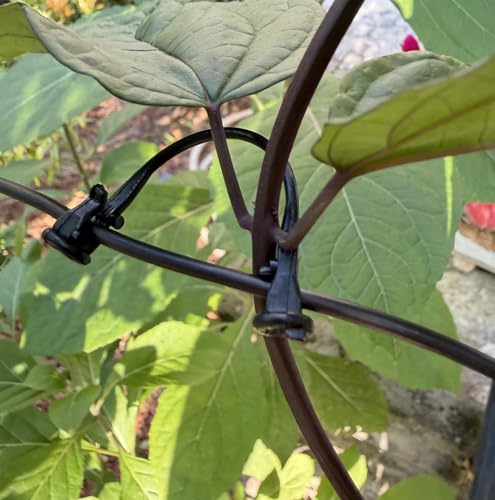
This grape vine support is made of quality PP material, Can be reused,not easy to break,can be easily distorted and on the vine.Easily clips to trellising twine and doesn't slip.

Versatile garden arch, perfect for event, wedding, and garden decoration. A must-have for your special occasions
Nutritional Guidelines for Healthy Plants
- Fertilize Wisely: Use a balanced fertilizer with equal parts nitrogen, phosphorus, and potassium to promote healthy growth.
- Mulch Matters: Apply organic mulch around the base of the plants to retain moisture and suppress weeds, aiding in overall plant health.
- Watering Routine: Water consistently but avoid overwatering, as raspberries prefer moist but well-drained soil to thrive.
- Soil Health: Test your soil regularly and amend it with compost or organic matter as needed to maintain optimal growing conditions.
- Trellising System: Install a sturdy trellis system early on to support the canes as they grow taller, preventing them from bending or breaking under fruit weight.
- Pruning Strategies: Regularly prune dead or damaged canes to encourage new growth and enhance airflow within the plant structure.
- Spacing Considerations: Plant raspberries at appropriate distances to prevent overcrowding, allowing each cane enough space to grow vertically without competition.
By following these nutritional guidelines and implementing effective techniques for supporting taller canes, you’ll set your raspberry plants up for maximum growth and a bountiful harvest.
Conclusion
You’ve learned about the various factors that influence the height of raspberry plants, from different varieties to optimal growing conditions. By selecting the right type, providing suitable care, and understanding the impact of pruning, you can help your raspberries reach their full growth potential. Remember to offer well-draining soil, proper sunlight exposure, and regular maintenance to support healthy plant development. With these insights in mind, you’re equipped to nurture your raspberry bushes effectively and enjoy a fruitful harvest season. Keep experimenting with different techniques and keep an eye on your plants’ progress as they grow taller and produce delicious berries for you to enjoy!
Frequently Asked Questions
What are the key factors affecting raspberry plant growth?
The key factors affecting raspberry plant growth include selection of raspberry varieties, growing conditions such as soil quality and sunlight exposure, and proper pruning techniques.
What are the optimal growing conditions for raspberries?
Raspberries thrive in well-draining soil rich in organic matter with a pH level between 5.5 and 6.5. They require full sunlight exposure for at least 6-8 hours daily to reach their maximum height potential.
How does pruning impact raspberry plant height?
Regular pruning promotes new growth, prevents overcrowding, ensures good airflow, reduces disease risks, and enhances fruit production in raspberry plants, ultimately contributing to maintaining an ideal plant height.
What are the average heights of different raspberry plant varieties?
Red raspberries typically grow to 4-6 feet tall, black raspberries range from 3-5 feet in height, and golden raspberries have similar heights to red raspberries when properly nurtured.
