

Do you find yourself wondering how to best care for your raspberry bushes as spring approaches? Picture this: the sun is shining, birds are chirping, and your garden is coming back to life. But are your raspberries ready for the new season?
Key Takeaways
- Pruning is crucial for raspberry plants to maintain plant health, increase fruit production, and manage plant size.
- Understanding the types of raspberry plants (summer-bearing vs. everbearing) guides your pruning schedule for optimal fruit yields.
- Essential tools for pruning raspberries include pruning shears, loppers, gloves, safety glasses, and disinfectant to ensure effective care.
- Proper maintenance of pruning tools such as cleaning, sharpening, and oil application is essential for efficient pruning practices.
- Identifying which canes to prune (dead, weak, overcrowded), using proper techniques (cutting at ground level, selective thinning), and maintaining a vase shape are key steps in spring pruning.
- Aftercare involves removing pruned material promptly to prevent pests or diseases and implementing measures like balanced fertilizer application and mulching to promote healthy growth post-pruning.
Understanding Raspberry Pruning
Pruning is essential for raspberry plants as it helps maintain plant health, increase fruit production, and manage plant size. Here’s why pruning is crucial for your raspberry bushes and the different types of raspberry plants you may encounter.
Why Pruning Is Crucial for Raspberry Plants
Pruning raspberry plants promotes air circulation, which reduces the risk of diseases such as mold and mildew. It also helps sunlight reach all parts of the plant evenly, aiding in photosynthesis and fruit development. By removing old canes and weak growth, you allow new canes to thrive, leading to healthier bushes with larger fruit yields.
Types of Raspberry Plants
There are two main types of raspberry plants: summer-bearing raspberries that produce one crop per year in early to mid-summer, and everbearing or fall-bearing raspberries that yield two crops—one in summer and a smaller one in fall. Knowing the type of raspberry plant you have guides your pruning schedule. Summer-bearing varieties require different pruning techniques than everbearing ones to optimize fruit production each season.
Understanding these basics about raspberry pruning sets you on the path to caring for your bushes effectively this spring.
Tools Needed for Pruning Raspberries
To effectively prune your raspberry bushes in the spring, you’ll need the right tools at hand. Here’s a list of essential tools to ensure you can properly care for your raspberry plants:
Recommended Products

Widely Used: Pruning shears for gardening include 3 different blades and gloves for a variety of general pruning work. Great for trimming flowers, plants, bonsai, hydroponics, herbs, light branches and so on. Shears gardening tools are ideal for pruning needs and perfect gift for gardening friends

AMBIDEXTROUS DESIGN: Pruner shape is designed for both right and left-handed use while pruning indoor & outdoor plants such as shrubs, ornamental trees, vines, & flowers like roses; SoftGrip handle reduces hand fatigue & enhances comfort and control

【Make Pruning Work Easier】Rust-resistant stainless steel blades are sharp and durable for easy and smooth cut. Anti-slip and ergonomic handles make the gardener clippers more comfortable in your hand. Easy-open spring action reduces hand fatigue while cutting. you can easily cut without damaging the vital stems and branches of your plants.
Selection of the Right Tools
When it comes to pruning raspberries, having the proper tools is key to getting the job done efficiently. Here are some essential tools you’ll need:
- Pruning Shears: Sharp pruning shears are necessary for cutting through raspberry canes with ease. Make sure they are clean and sharp to prevent damage to the plant.
- Loppers: For thicker canes that pruning shears can’t handle, loppers come in handy. They provide extra leverage and strength for cutting larger branches.
- Gloves: Protect your hands with sturdy gardening gloves to avoid scratches from thorns and rough branches while working on your raspberry bushes.
- Safety Glasses: While pruning, wear safety glasses to shield your eyes from any debris that may fly up during cutting.
- Disinfectant: It’s important to disinfect your pruning tools between cuts, especially if you’re dealing with diseased canes, to prevent spreading any infections.
Maintenance of Pruning Tools
Proper maintenance of your pruning tools is crucial not only for their longevity but also for effective pruning practices:
- Cleaning: After each use, clean off any sap or debris from your tools using warm soapy water. Dry them thoroughly before storing them away.
- Sharpening: Regularly sharpen the blades of your pruning shears and loppers to ensure clean cuts that promote plant healing.
- Oil Application: Apply a thin layer of oil on metal parts to prevent rust and keep the mechanisms running smoothly.
By selecting the right tools and maintaining them well, you’ll be equipped to carry out successful spring pruning sessions on your raspberry bushes effortlessly.
Step-by-Step Guide on How to Prune Raspberries in the Spring
To ensure your raspberry bushes thrive, follow these steps for effective spring pruning.
Recommended Products

Compatibility: Suitable for the multicolour 3-Pack Garden Pruning Shears Set selling on Amazon. Please refer to our second photo to see if our replacement springs fit your pruners. Note: Springs only, pruning shears are not included.
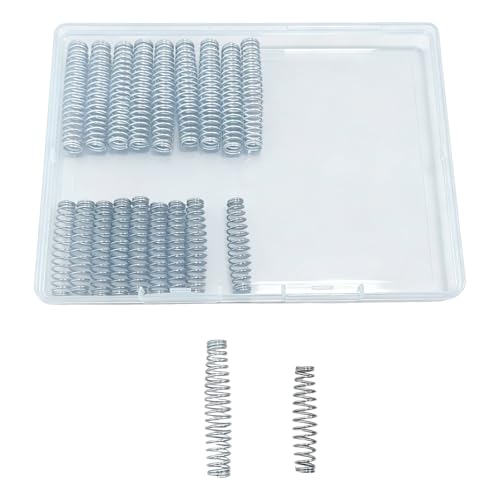
✅ Size: Approx.1.81inch,Diameter 0.3inch. Approx.1.41inch,Diameter 0.26inch.

Made from high quality stainless steel, which is durabie and longlife for use.
Identifying Which Canes to Prune
Inspect your raspberry bushes in early spring to identify the canes that need pruning. Look for:
- Dead Canes: Remove any canes that appear dry, brittle, or damaged as they won’t produce fruit.
- Weak Canes: Thin out weaker canes that are less sturdy than others to encourage stronger growth.
- Overcrowded Canes: Eliminate excess canes to allow better airflow and sunlight penetration among the remaining ones.
Proper Techniques for Pruning
Once you’ve identified the canes requiring attention, use these techniques for precise pruning:
- Cut at Ground Level: Trim dead or weak canes at ground level using sharp pruning shears to prevent tearing.
- Selective Thinning: Remove overcrowded canes by cutting them back entirely or thinning them out selectively.
- Maintain a Vase Shape: Aim for an open vase shape by removing inward-growing or crossing branches.
By following these simple steps and techniques, you’ll promote healthier raspberry bushes with improved fruit production in the coming season.
Aftercare and Maintenance
After you’ve pruned your raspberry bushes, it’s essential to properly manage the pruned material and take measures to ensure healthy growth for a bountiful harvest.
Recommended Products

Supports Healthy Growth & Strong Roots – This raspberry plant fertilizer promotes deep root development, lush foliage, and overall plant strength.

This fertilizer is blended especially for acid lovers such as rhododendrons, azaleas, camellias, hydrangeas, evergreens, blueberries, raspberries, strawberries, potatoes and other plants that need a low pH

A Natural fertilizer blended especially for acid lovers such as rhododendrons, azaleas, camellias, hydrangeas, evergreens, blueberries, raspberries, strawberries, potatoes and other plants that need a low pH
Dealing With Pruned Material
Once you’ve finished pruning, it’s crucial to remove the pruned canes promptly. Leaving them near the plants can attract pests or diseases. You can either compost them if disease-free or dispose of them in yard waste collection. By tidying up the pruned material, you help maintain a clean and healthy environment for your raspberry bushes.
Measures to Promote Healthy Growth
To encourage robust growth after pruning, consider applying a balanced fertilizer around the base of the plants. This provides essential nutrients for new growth and fruit development. Additionally, mulching around the raspberries with organic material like straw or wood chips helps retain moisture, suppresses weeds, and insulates roots during temperature fluctuations. Regular watering, especially during dry spells, is also crucial for supporting healthy growth post-pruning.
By efficiently managing pruned material and implementing measures to promote healthy growth, you set your raspberry bushes up for success in the upcoming growing season.
Conclusion
Now that you’ve learned the ins and outs of pruning raspberries in the spring, you’re well-equipped to ensure your bushes thrive. Remember, proper pruning isn’t just about shaping the plant; it’s about promoting overall health and maximizing fruit production. By following the recommended techniques for your specific raspberry variety and maintaining diligent aftercare practices, you’ll set yourself up for a bountiful harvest. So grab those pruners, get out there, and give your raspberry bushes the care they deserve. Happy pruning!
Frequently Asked Questions
Why is pruning raspberry bushes important?
Pruning raspberry bushes is crucial for plant health, increasing fruit production, and managing bush size. It enhances air circulation and sunlight exposure, leading to healthier plants and better yields.
How can I prune different types of raspberries?
For summer-bearing varieties, prune after harvest by removing old canes. For everbearing or fall-bearing types, cut back the entire bush in late winter or early spring to ground level.
What are the benefits of spring pruning?
Spring pruning promotes new growth on raspberry bushes. It helps maintain plant vigor, improve fruit quality, and prevent overcrowding for optimal yield.
What should I do after pruning my raspberry bushes?
After pruning, promptly remove pruned canes to prevent disease spread. Compost disease-free material and apply a balanced fertilizer with mulch to encourage healthy growth post-pruning.
