

Ever wondered how long it takes to grow juicy raspberries in your own backyard? Picture this: you’re dreaming of plump, ripe berries ready for picking right outside your door. But the waiting game can sometimes feel endless. How soon can you expect to savor the fruits of your labor?
Key Takeaways
- Understanding the Raspberry Growth Cycle is crucial for successful cultivation and harvest.
- Factors such as climate, soil quality, and proper care significantly influence raspberry plant growth.
- The timeline for raspberry harvest varies, with full productivity typically reached after two years for red and yellow raspberries.
- Optimal fertilization practices, pruning, and maintenance techniques are essential for faster and healthier raspberry plant growth.
Understanding the Raspberry Growth Cycle
When planting raspberries, you’re embarking on a journey that involves several key growth phases. Understanding these stages is crucial for nurturing your raspberry plants effectively and reaping a bountiful harvest. Let’s delve into the details of the raspberry growth cycle to guide you through this rewarding process.
Initial Planting and Care
To kickstart your raspberry growing venture, begin by selecting healthy raspberry plants from a reputable nursery or garden center. Opt for certified disease-free varieties to ensure successful cultivation. When planting, choose a sunny location with well-draining soil to promote optimal growth.
Once planted, it’s essential to provide proper care to encourage healthy development. Regular watering is vital, especially during dry spells, to keep the soil consistently moist but not waterlogged. Mulching around the plants helps retain moisture and suppresses weed growth, contributing to overall plant health.
Pruning is another critical aspect of raspberry care. Remove any dead or damaged canes in late winter or early spring to stimulate new growth and improve fruit production. Additionally, consider trellising your raspberry plants for better air circulation and easier harvesting.
Key Growth Phases
As your raspberry plants progress through their growth cycle, they undergo distinct phases that culminate in the production of delectable berries:
- Vegetative Growth: During this initial phase, raspberry plants focus on establishing roots and developing strong canes and foliage.
- Flowering: As summer approaches, your raspberry bushes will start producing delicate white flowers that eventually give way to fruit formation.
- Fruit Development: Following successful pollination, tiny green fruits emerge and gradually swell into ripe raspberries ready for picking.
- Harvesting: The final stage marks the long-awaited moment when you can enjoy the fruits of your labor by harvesting ripe raspberries at their peak flavor.
Factors Affecting Raspberry Growth
When it comes to growing raspberries, several factors can influence the growth and success of your plants. Understanding these key elements will help you optimize your raspberry cultivation process.
Recommended Products
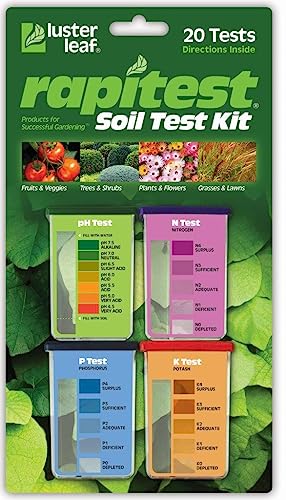
Quick, at home results for Soil pH, Nitrogen, Phosphorous and Potash Innovative and inexpensive soil test kit features an easy-to-use capsule system and patented color comparators

Kindly NOTE: This soil tester can not be applied to test pH value of any other liquid. If the soil is too dry the indicator will not move, and water it before testing.

KNOW BEFORE YOU GROW | Grow the healthiest, sustainable lawn and garden with the most accurate and easy to use professional soil test kit on the market
Climate and Weather Conditions
The climate and weather conditions in your area play a crucial role in the growth of raspberry plants. Raspberries thrive in temperate regions with cool winters and moderate summers. Consistent sunlight exposure is essential for proper fruit development. Frost can damage raspberry plants, so ensure they are protected during colder months. Adequate rainfall or irrigation is necessary to keep the soil moist but not waterlogged, as excessive moisture can lead to root rot.
Soil Quality and Type
The quality and type of soil significantly impact the growth of raspberries. Raspberries prefer well-draining soil rich in organic matter. Sandy loam or loamy soils are ideal for raspberry cultivation as they provide good aeration and drainage while retaining moisture. Conduct a soil test to determine the pH level and nutrient content of your soil. Adjustments such as adding compost or fertilizer may be needed to create optimal growing conditions for raspberries.
By considering these factors and making necessary adjustments, you can create an environment that promotes healthy raspberry growth and ensures a bountiful harvest of delicious berries from your own backyard.
Timeline for Raspberry Harvest
If you’re wondering about the timeline for raspberry harvest, here’s a breakdown that can help set your expectations and guide you through the process.
First-Year Expectations
In the first year of planting raspberry bushes, it’s essential to manage your expectations. While some raspberry varieties may produce a small crop in the first year, most plants focus on establishing their root systems and vegetative growth rather than fruit production. You can expect some initial growth above ground, but significant fruiting typically occurs in subsequent years as the plants mature. Patience is key as you nurture your raspberry bushes during this foundational period.
Full Production Timeline
Once your raspberry plants are established, they will follow a more predictable timeline for full production. On average, red and yellow raspberries take about two years to reach full productivity after planting. The second-year can see an increase in flowering and fruit development compared to the first year. By the third year, you should experience a bountiful harvest as the plants reach maturity and produce ample fruit.
For black raspberries or blackberries, the timeline may vary slightly with a longer establishment period before reaching peak productivity. These varieties often start producing viable yields by their third year after planting. Proper care through pruning, trellising, watering, and fertilizing can expedite plant growth and enhance fruit production throughout this timeline.
Understanding these timelines can help you plan ahead and ensure a successful raspberry harvest season each year as you care for your berry bushes from planting to full production.
Tips for Faster and Healthier Growth
When it comes to growing raspberries, optimizing the conditions for your plants can lead to faster and healthier growth. Here are some practical tips to help you achieve a bountiful harvest:
Optimal Fertilization Practices
To promote robust raspberry plant growth, ensure you fertilize them appropriately. Consider the following tips for optimal fertilization practices:
- Organic Matter: Incorporate well-rotted compost or manure into the soil before planting your raspberry bushes. This provides essential nutrients for healthy growth.
- Balanced Fertilizer: Use a balanced fertilizer with equal parts nitrogen, phosphorus, and potassium to support overall plant development. Apply the fertilizer in early spring as new growth begins.
- Mulching: Mulch around the base of raspberry plants with organic materials like straw or wood chips. Mulching helps retain moisture, suppresses weeds, and adds nutrients to the soil as it breaks down.
Pruning and Maintenance Techniques
Proper pruning and maintenance play a crucial role in ensuring vigorous raspberry plant growth. Follow these techniques to keep your plants healthy:
- Annual Pruning: Regularly prune your raspberry bushes to remove dead or weak canes and promote new growth. Prune out any damaged or diseased canes to maintain plant health.
- Trellising: Install trellises or supports for your raspberry plants to keep them upright and maximize sun exposure. This helps improve air circulation around the plants, reducing the risk of diseases.
- Weed Control: Keep the area around your raspberry bushes free from weeds that compete for nutrients and water. Regular weeding prevents weed encroachment that can hinder plant growth.
By implementing these tips for optimal fertilization practices, pruning, and maintenance techniques, you’ll set your raspberry plants up for accelerated growth and a fruitful harvest season.
Conclusion
That’s it! By following the planting, care, and harvesting guidelines outlined in this article, you can boost your raspberry growth. Remember to consider factors like climate and soil quality for optimal results. Implementing effective fertilization techniques, pruning practices, and regular maintenance will help your raspberry plants thrive. With these strategies in place, you’ll be on your way to a successful harvest season with an abundance of delicious raspberries to enjoy!
Frequently Asked Questions
Q: What does the article discuss about raspberry growth?
A: The article covers the stages of raspberry growth, highlighting planting, care, and harvesting practices.
Q: What factors influence raspberry growth?
A: Climate conditions and soil quality play a crucial role in influencing raspberry plant development.
Q: How can I ensure faster and healthier raspberry growth?
A: Optimal fertilization, proper pruning, and regular maintenance are key techniques for promoting robust raspberry plant growth.
