

Have you ever wondered where kiwis thrive best? Picture yourself strolling through a grocery store, eyeing the vibrant display of fruits. You reach for a kiwi, but have you ever stopped to ponder where these fuzzy, green gems flourish most? Understanding the ideal conditions for kiwi growth can not only enhance your appreciation for this exotic fruit but also inspire you to explore new possibilities in your own garden.
In this article, you’ll uncover the secrets behind optimal kiwi cultivation. By discovering the specific requirements for kiwi plants to flourish, you’ll be equipped with the knowledge to transform your gardening endeavors. Get ready to unlock the key to successful kiwi growth and elevate your gardening skills to a whole new level.
Key Takeaways
- Temperature between 50°F and 86°F is vital for kiwi plants to thrive and avoiding extremes is crucial.
- Kiwis require at least 6-8 hours of sunlight daily for proper growth and fruit development.
- Well-draining soil with a pH level between 5.5 and 7.0 is ideal for kiwi cultivation to prevent waterlogging.
- Regular pruning of kiwi plants promotes airflow, sunlight exposure, and fruit development.
- Kiwis thrive in temperate climates with moderate temperatures, well-draining soil, and proper watering practices.
- Common pests like aphids and diseases such as root rot and botrytis rot can be managed through regular inspection and preventive measures.
Factors Affecting Kiwi Growth
To ensure successful growth of kiwis in your garden, understanding the key factors that influence their cultivation is essential. Here are the crucial elements that impact the growth of kiwi plants:
1. Temperature
Maintaining the right temperature is vital for kiwi plants. They thrive in temperatures between 50°F and 86°F (10°C and 30°C). Extreme cold or heat can hinder their growth and fruit production. Ensure your kiwi plants are not exposed to frost or extremely high temperatures that can stress the plant.
2. Sunlight Exposure
Kiwis require ample sunlight for proper growth. Plant them in an area that receives full sun to partial shade. Aim for at least 6-8 hours of direct sunlight daily. Inadequate sunlight can lead to poor fruit development and overall plant health.
3. Soil Quality
The soil quality plays a significant role in the growth of kiwi plants. They prefer well-draining soil rich in organic matter. A slightly acidic soil with a pH level between 5.5 and 7.0 is ideal for kiwi cultivation. Ensure proper drainage to prevent waterlogging, which can harm the roots.
4. Watering
Proper watering is crucial for kiwis, especially during the growing season. Ensure the soil is consistently moist but not waterlogged. Kiwi plants require regular watering, especially during hot and dry periods. Avoid overwatering, as it can lead to root rot.
5. Pollination
Most kiwi varieties need both male and female plants for successful pollination and fruit production. Ensure you have the right balance of male and female plants in your garden to facilitate pollination. You can also attract pollinators like bees to help with the process.
6. Pruning
Regular pruning is essential for maintaining the health and productivity of kiwi plants. Prune excess foliage and old branches to promote airflow and sunlight exposure to the plant. Proper pruning helps in fruit development and overall plant vigor.
Understanding and managing these critical factors will significantly enhance the growth and productivity of your kiwi plants. By providing the optimal conditions, you can enjoy a bountiful harvest of delicious kiwis from your own garden.
Ideal Growing Regions
When considering where kiwis grow best, it’s essential to identify the ideal regions that provide the optimal conditions for successful cultivation. Kiwi plants thrive in specific areas characterized by favorable climates and environmental factors that promote their growth and productivity. Here are the ideal growing regions for cultivating kiwis:
1. Temperate Climates
Kiwis prefer temperate climates with moderate temperatures that are not too hot or too cold. Regions with average temperatures ranging between 50°F to 86°F (10°C to 30°C) are ideal for kiwi cultivation. These temperate conditions provide the necessary warmth for proper growth while avoiding extreme heat that can stress the plants.
2. Sunlight Exposure
For kiwis to flourish, they require ample sunlight exposure. Ideal growing regions offer plenty of sunlight, with kiwi plants usually needing at least 6 to 8 hours of direct sunlight daily. Adequate sunlight is essential for photosynthesis, which is crucial for the development of healthy vines and the production of quality fruit.
3. Well-Draining Soil
The soil quality plays a vital role in the growth of kiwi plants. Ideal regions for kiwi cultivation have well-draining soil that prevents waterlogging, as kiwis are susceptible to root rot in poorly drained conditions. Sandy loam or loamy soils with good structure and fertility are well-suited for optimal kiwi growth.
4. Proper Watering
In the ideal growing regions for kiwis, it’s important to ensure proper watering practices. Kiwi plants require consistent moisture, especially during the growing season and fruit development stages. Adequate irrigation is crucial to support healthy root development and fruit production.
5. Pollination Support
Kiwi plants rely on pollination for fruit set, making pollination support essential in ideal growing regions. Some kiwi varieties require both male and female plants for successful pollination, while others are self-pollinating. Ensuring the presence of suitable pollinators or understanding the pollination requirements of specific kiwi cultivars is key in these regions.
6. Regular Pruning
Regular pruning is a necessary practice in kiwi cultivation to manage vine growth, promote airflow, and optimize fruit production. Ideal growing regions encourage proper pruning techniques to keep kiwi plants healthy and productive. Pruning helps maintain plant vigor, shape vines for better sunlight exposure, and increase fruit-bearing potential.
Kiwi Cultivation Tips
To ensure successful kiwi cultivation, follow these practical guidelines:
Recommended Products

This grape stem vine clip is made of quality PP material, Can be reused,not easy to break,can be easily distorted and on the vine.Easily clips to trellising twine and doesn't slip.
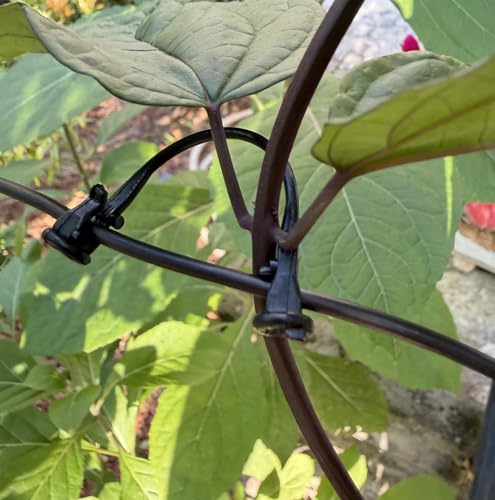
This grape vine support is made of quality PP material, Can be reused,not easy to break,can be easily distorted and on the vine.Easily clips to trellising twine and doesn't slip.

Material & Durability: Compatible for grape vine support, crafted from quality PP material for reusability, resistance to breakage, and easy distortion on vines without slipping when clipped to trellising twine.
Soil Quality
Choose well-draining soil with a pH level between 5.0 and 6.5. Kiwis thrive in sandy loam or loamy soils. Adding organic matter like compost can enhance soil fertility.
Sunlight Exposure
Plant kiwi vines in an area that receives full sunlight. They need at least 6-8 hours of direct sunlight daily for optimal growth and fruit production.
Watering
Kiwi plants require consistent watering, especially during the growing season. Keep the soil moist but not waterlogged. A drip irrigation system can help maintain the right moisture levels.
Support for Climbing
Provide sturdy support structures like trellises or fences for kiwi vines to climb. This allows them to grow vertically and facilitates easy maintenance and harvesting.
Pollination
Ensure proper pollination for fruit development. Kiwi plants are dioecious, so you need both male and female vines for pollination. Bees are excellent pollinators for kiwi flowers.
Pruning
Regular pruning is essential to keep kiwi vines productive. Prune in late winter to remove old wood and promote new growth. Trim excess foliage to increase sunlight exposure to fruiting branches.
Frost Protection
Protect kiwi plants from frost damage by covering them during cold spells. Use frost cloth or blankets to shield the vines and fruits from freezing temperatures.
Disease Management
Monitor kiwi plants for common diseases like powdery mildew and bacterial canker. Apply appropriate fungicides and follow good cultural practices to prevent and manage diseases effectively.
By following these cultivation tips, you can create an ideal environment for growing healthy kiwis and enjoying a bountiful harvest.
Pests and Diseases to Watch Out For
When cultivating kiwis, it’s crucial to be aware of common pests and diseases that can impact your plants. By recognizing early signs and taking proactive measures, you can protect your kiwi crop and ensure a successful harvest.
Common Pests
- Aphids: These tiny insects feed on plant sap, causing leaves to curl and distort. To manage aphids, you can introduce natural predators like ladybugs or use insecticidal soap.
- Fruit Flies: Fruit flies lay eggs in ripe fruit, leading to infestation. To deter fruit flies, you can set up traps with apple cider vinegar or maintain good orchard hygiene.
- Scales: Scales are pests that suck sap from plants, weakening them over time. Physical removal or horticultural oils can help control scale infestations.
Common Diseases
- Leaf Spot: Leaf spot diseases manifest as dark spots on kiwi leaves, affecting overall plant health. Proper air circulation and fungicidal treatment can help manage leaf spot.
- Root Rot: Excessive moisture can lead to root rot, causing wilting and decay of roots. Ensure well-draining soil and avoid overwatering to prevent root rot.
- Botrytis Rot: This fungal disease affects kiwi fruit, causing them to rot. Good ventilation and maintaining dry conditions can help prevent botrytis rot.
- Regular Inspection: Monitor your kiwi plants regularly for any signs of pests or diseases.
- Clean Pruning Tools: Sanitize pruning tools between cuts to prevent disease transmission.
- Proper Watering: Avoid overwatering kiwi plants to reduce the risk of root-related diseases.
- Adequate Spacing: Plant kiwis with sufficient spacing to improve airflow and reduce the risk of fungal diseases.
By staying vigilant and implementing preventive practices, you can safeguard your kiwi plants against common pests and diseases, ensuring a thriving harvest.
Conclusion
You now have a solid understanding of the key factors that contribute to successful kiwi cultivation. By focusing on aspects like temperature, sunlight, soil quality, watering, pollination, and pruning, you can create an optimal environment for your kiwi plants to thrive. Remember to select well-draining soil, provide sufficient sunlight, maintain consistent watering, and support climbing with structures like trellises. Stay proactive in protecting your plants from pests and diseases, and regularly monitor their health. With these insights and practices in mind, you’re well-equipped to cultivate healthy kiwis and enjoy a fruitful harvest. Happy gardening!
Frequently Asked Questions
1. What are the key factors to consider for successful kiwi cultivation?
To successfully cultivate kiwis, consider factors like temperature, sunlight exposure, soil quality, watering, pollination, and pruning. These are crucial for optimal plant growth and productivity.
2. How can I enhance kiwi plant growth and productivity?
To enhance kiwi plant growth and productivity, focus on providing well-draining soil, adequate sunlight exposure, regular watering, structural support for climbing, proper pollination, regular pruning, frost protection, disease management, and pest control.
3. What common diseases and pests should I watch out for when cultivating kiwis?
Keep an eye out for common diseases like leaf spot, root rot, and botrytis rot, as well as pests such as aphids, fruit flies, and scales. Regular monitoring, maintaining plant hygiene, and implementing preventive measures are essential for a healthy kiwi crop.
