

Have you ever wondered where you can grow your own delicious kiwi fruit right in your backyard? Picture this: you step outside, pluck a ripe kiwi from your own vine, and savor its sweet, tangy flavor. Exciting, isn’t it? In this article, you’ll discover the ideal locations to cultivate kiwi plants and enjoy a bountiful harvest.
Imagine the satisfaction of picking fresh kiwis without having to make a trip to the store. By learning the best practices for growing kiwi fruit, you can elevate your gardening skills and reap the rewards of your efforts. Ready to transform your garden into a kiwi paradise? Let’s explore the perfect spots to nurture these exotic fruits.
Key Takeaways
- Select locations with ample sunlight exposure (6-8 hours daily) for optimal kiwi plant growth.
- Choose well-draining, fertile soil with a pH level between 5.5 and 7.0 to support kiwi plants.
- Prioritize proper water drainage to prevent root rot; avoid waterlogged areas.
- Consider temperate climates with protection from strong winds for successful kiwi cultivation.
- Install sturdy support structures like trellises for growing kiwi vines effectively.
- Follow harvesting and maintenance practices, including proper pruning and fertilization, for a successful kiwi fruit yield.
Factors to Consider Before Choosing a Location
When selecting the perfect spot to grow your kiwi fruit, there are several crucial factors you should consider. Ensuring you choose the right location will play a significant role in the success of your kiwi plant cultivation. Here are some key considerations to keep in mind:
Recommended Products

🥝 Kiwi fruit, also known as Chinese gooseberries, are small, oval-shaped fruits with a brown fuzzy skin and bright green flesh. They are native to China, but are now grown in many countries around the world, including New Zealand, where they are a popular export.
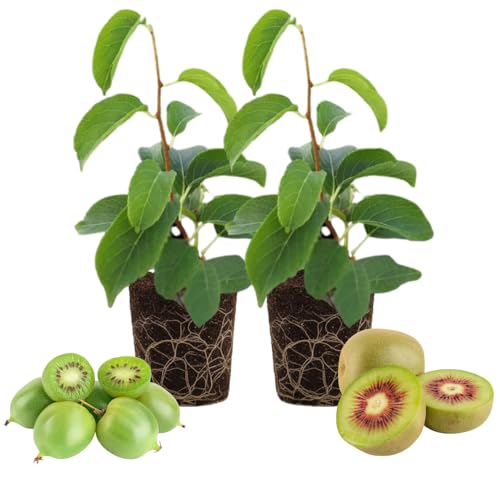
Set of 2 Hardy Kiwi plants, live rooted starter vines 4-6" tall
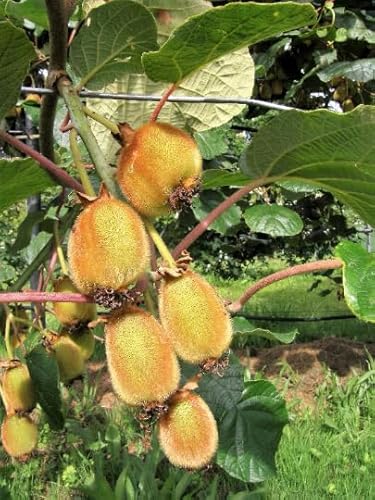
Finally, a long-awaited, self-pollinating, fuzzy kiwi has arrived! ‘Jenny’ blooms in spring with fragrant yellow flowers, and the fuzzy, 2-4” brown fruit mature in late summer or early fall.
Sunlight Exposure
Ensure your kiwi plants receive an ample amount of sunlight. KIWI plants thrive in full sun and require a minimum of 6-8 hours of sunlight daily to grow and produce fruit effectively. With adequate sunlight, the plant can undergo photosynthesis optimally, aiding in fruit development. Check for a location in your garden that receives abundant sunlight throughout the day.
Soil Quality
Selecting the appropriate soil type is essential for the growth of your kiwi plants. KIWI plants prefer well-draining, loamy soil rich in nutrients. The soil should be slightly acidic with a pH level between 5.5 and 7.0. Perform a soil test in different areas of your garden to determine the soil quality and choose a location with fertile soil for optimal growth.
Water Drainage
Ensure the chosen location has proper water drainage to prevent waterlogging around the plant roots. Well-draining soil is crucial for kiwi plants as they are susceptible to root rot in waterlogged conditions. Consider the topography of your garden and select a spot where water does not accumulate after rain or irrigation.
Climate Conditions
Consider the climate conditions of your region when choosing a location for kiwi plant cultivation. KIWI plants thrive in temperate climates with mild winters and warm summers. Make sure the location you choose offers protection from strong winds, as kiwi plants are sensitive to excessive wind exposure.
Support Structures
Plan for adequate support structures for your kiwi plants to climb and grow effectively. KIWI plants are vines and require support systems like trellises or fences to grow vertically. Choose a location where you can install these structures to provide support to the growing plant and ensure proper fruit development.
Best Locations for Growing Kiwi Fruit
When choosing the locations for growing kiwi fruit, there are several key factors to consider to ensure healthy plant growth and abundant fruit production. Here are essential tips for selecting the best spots to cultivate your kiwi plants:
Recommended Products

Elegant Arch: Whether standing alone or covered with climbing vines and flowers, these outdoor metal arch add a striking focal point to your yard. Adding grace and prominence to any outdoor venue with the Arbor features squared lattice side panels

Assemble Freely:You can easily assemble a wide arch(7'6"W x 6'5'H) or a high arch(4'6"W x 7'10"H) as you need.

【DURABLE MATERLAL & STABLE STRUCTURE】This garden arch is made from FSC-Certified wood with fully sanded, which has a smooth surface to prevent any unwanted injury caused by wood splinters. Natural solid wood material is weatherproof, durable and strong enough to hold various plants, while providing both you and your plants a safe environment
1. Sunlight Exposure
Maximize: Plant your kiwi vines in areas that receive full sunlight to promote strong growth and fruit development.
Ensure: Aim for at least 6-8 hours of direct sunlight daily for optimal results.
2. Soil Quality
Select: Opt for well-draining, fertile soil with a pH level between 5.0 and 6.5 for healthy kiwi plant growth.
Avoid: Steer clear of waterlogged or compacted soil, as it can hinder root development and overall plant health.
3. Water Drainage
Prioritize: Choose locations with good drainage to prevent waterlogging, which can lead to root rot and other issues.
Check: Ensure that water does not pool around the roots after irrigation or rainfall.
4. Climate Conditions
Consider: Kiwi plants thrive in temperate climates with mild winters and warm summers.
Research: Check the USDA hardiness zone for kiwi cultivation to match your location’s climate with the plant’s requirements.
5. Support Structures
Install: Set up sturdy trellises, pergolas, or arbors to support the climbing habit of kiwi vines.
Plan Ahead: Make sure the structures can bear the weight of mature vines laden with fruit.
By carefully assessing these factors and choosing the best locations for your kiwi plants, you’ll create an optimal environment for their growth and enjoy a bountiful harvest of fresh, homegrown kiwis.
Setting Up the Ideal Growing Environment
To establish the perfect growing environment for your kiwi plants, follow these crucial steps:
Recommended Products

Support for Tall Plant: This trellis kit provides 7.87” support for your tomatoes, peppers and more

GROWS WITH YOUR PLANT - Use a single board for young plants, then add extension plates as your Pothos or Monstera climbs higher. Supports your plant from sprout to maturity – no need to buy a new trellis as it grows.

【Versatile Support】This honeycomb plant trellis indoor is perfect for a variety of climbing plants, including vines, flowers, and vegetables. Its versatile design allows garden trellis to be used both indoors and outdoors, providing essential support for your plants to grow
Maximizing Sunlight Exposure
Position your kiwi plants in a spot that receives full sun, as they thrive in abundant sunlight. Aim for at least 6-8 hours of direct sunlight each day. Consider trimming nearby trees or bushes that cast shadows on your kiwi vines.
Selecting Well-Draining Soil
Opt for well-draining soil with a pH level between 5.5 and 7.0. Kiwi plants prefer soil that is rich in organic matter and can retain moisture without becoming waterlogged. Incorporating compost or peat moss can enhance the soil’s drainage and nutrient content.
Ensuring Good Water Drainage
Proper water drainage is essential to prevent waterlogging, which can harm kiwi plants. Ensure that the planting site has adequate drainage to avoid standing water around the roots. Raised beds or mounds can help improve drainage in areas with poor soil structure.
Matching Climate Conditions
Kiwi plants are adaptable but thrive in temperate climates. They can withstand some frost but prefer milder conditions. If you live in a region with harsh winters, consider planting cold-hardy kiwi varieties that can tolerate lower temperatures.
Installing Sturdy Support Structures
Kiwi vines are vigorous climbers and require robust supports to grow properly. Construct trellises, arbors, or pergolas to provide the necessary support for the vines to climb and spread. Secure the structures firmly to withstand the weight of mature kiwi plants.
By following these tips, you can create an optimal environment for your kiwi plants to flourish and produce an abundance of delicious fruits. With the right conditions in place, you’ll soon be enjoying the satisfaction of homegrown kiwis right from your own garden.
Harvesting and Maintenance Tips
Now that your kiwi plants are thriving in the optimal growing conditions you’ve created, it’s essential to understand the key aspects of harvesting and maintaining these plants to ensure a successful yield. Here are some practical tips to guide you through this crucial phase of kiwi fruit cultivation:
Harvesting:
- Harvest your kiwi fruits when they reach full maturity by gently twisting them off the vine.
- The fruits should yield slightly to pressure when ripe; if they are too soft, they may be overripe.
- Kiwis typically ripen in late fall; wait until the fruit is fully mature for the best taste and texture.
- Ensure you handle the fruits carefully to avoid damaging them during the harvesting process.
- Prune your kiwi plants during the dormant season to promote new growth and maintain plant health.
- Regularly check for any signs of pests or diseases and take prompt action to protect your plants.
- Maintain consistent watering, especially during dry periods, to support healthy fruit development.
- Fertilize your kiwi plants in early spring to provide essential nutrients for robust growth and fruit production.
- Consider using mulch around the base of the plants to retain moisture and suppress weed growth.
By following these harvesting and maintenance tips, you can ensure a bountiful harvest of delicious kiwi fruits from your home garden. Remember, proper care and attention throughout the growing season will contribute to the overall success of your kiwi plant cultivation efforts.
Conclusion
You now have a solid understanding of how to cultivate kiwi fruit successfully in your own backyard. By implementing the tips and techniques shared in this guide, you can create an optimal growing environment for your kiwi plant. Remember to prioritize sunlight exposure, well-draining soil, proper water drainage, and suitable climate conditions. Additionally, make sure to provide adequate support for your plant as it grows. With the right care, attention, and following the harvesting tips mentioned, you’ll soon be enjoying the sweet rewards of your homegrown kiwi fruits. Happy gardening!
Frequently Asked Questions
Can I grow kiwi fruit at home?
Yes, you can grow kiwi fruit at home by creating an ideal environment with plenty of sunlight, well-draining soil, good water drainage, suitable climate conditions, and sturdy support structures.
How should I harvest kiwi fruits?
Harvest kiwi fruits at full maturity, prune during the dormant season, monitor for pests and diseases, ensure consistent watering, fertilize in spring, and use mulch for moisture retention for successful harvesting.
What are the essential tips for cultivating kiwi plants?
Essential tips for cultivating kiwi plants include maximizing sunlight exposure, selecting well-draining soil, ensuring good water drainage, matching climate conditions, installing sturdy support structures, and following proper harvesting practices.
