

Growing pomegranate trees in Georgia can yield a bountiful harvest if you understand their specific needs. Proper care, including soil management, watering, and pest control, is essential for maximizing fruit production.
Pomegranate Tree Soil and Sunlight Needs
Understanding the soil and sunlight requirements for pomegranate trees is essential for cultivating a thriving harvest in Georgia’s unique climate. These trees thrive in well-drained, nutrient-rich soil and require ample sunlight to produce their vibrant fruit. By optimizing these conditions, growers can significantly enhance their yield and overall tree health.
Pomegranate trees thrive in well-drained soil with a pH level between 5.5 and 7.0. They prefer full sun exposure for at least six hours daily.
Understanding these requirements is crucial for successful cultivation. The right conditions promote healthy growth and enhance fruit quality.
Recommended Products

🍎 𝐏𝐑𝐄𝐌𝐈𝐔𝐌 𝐏𝐎𝐌𝐄𝐆𝐑𝐀𝐍𝐀𝐓𝐄 𝐏𝐎𝐓𝐓𝐈𝐍𝐆 𝐌𝐈𝐗: Our Pomegranate Potting Mix is expertly crafted to provide the perfect growing environment for vibrant and healthy pomegranate trees. This premium soil mix ensures your pomegranate trees receive the optimal nutrients, moisture, and aeration needed to thrive, making it ideal for both indoor plants and container gardening.

The Wonderful Pomegranate tree lives up to its name with its tropical fruit, showy flowers, and low amount of overall maintenance. This fruit tree is a joy to grow in any warm landscape.
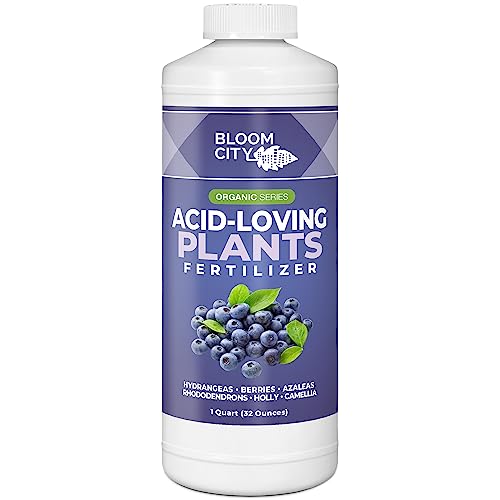
Made for Acid-Loving Plants – Formulated to support plants that thrive in lower pH soil conditions.
Soil Amendments for Pomegranate Health
Healthy pomegranate trees thrive in well-prepared soil that meets their specific needs. Understanding the right soil amendments can significantly enhance growth and fruit production. This section explores the essential nutrients and organic materials that can optimize soil conditions for robust pomegranate health in Georgia’s unique climate.
Soil preparation is a vital step in establishing a healthy pomegranate tree. Test your soil to determine its pH and nutrient levels. Amend the soil based on the test results to ensure it meets the ideal conditions for growth.
| Soil Component | Ideal Percentage |
|---|---|
| Sand | 50% |
| Silt | 30% |
| Clay | 20% |
Add organic matter to improve soil structure.
Incorporate compost to enhance nutrient availability.
Adjust pH using lime or sulfur if necessary.
Optimal Watering Strategies for Pomegranate Trees
Effective watering is crucial for maximizing the yield of pomegranate trees in Georgia’s unique climate. Understanding the specific water needs of these trees can significantly impact their growth and fruit production. This section delves into optimal watering strategies to ensure a robust and fruitful harvest.
Pomegranate trees require consistent watering, especially during dry periods. Overwatering can lead to root rot, while underwatering can stress the tree. Establish a watering schedule based on the tree’s growth stage.
Young trees need watering every 7-10 days.
Mature trees can be watered every 2-3 weeks.
Use mulch to retain soil moisture and regulate temperature.
Effective Pest Management for Pomegranate Trees
Effective pest management is crucial for ensuring a thriving pomegranate harvest in Georgia. By understanding the common pests that affect these trees and implementing targeted strategies, growers can protect their crops and enhance fruit quality. This section explores practical approaches to managing pests while maintaining the health of pomegranate trees.
Pomegranate trees can attract various pests, including aphids and spider mites. Implementing effective pest control measures is essential for protecting your harvest. Regular monitoring and early intervention can prevent infestations.
Use insecticidal soap for aphid control.
Introduce beneficial insects like ladybugs to manage pests naturally.
Inspect leaves regularly for signs of damage.
Fertilization Strategies for Pomegranate Yield
Effective fertilization is crucial for maximizing pomegranate yields in Georgia’s unique climate. Understanding the nutritional needs of pomegranate trees and implementing tailored fertilization strategies can significantly enhance fruit quality and quantity. This section explores the best practices for fertilization to ensure a bountiful harvest.
Proper fertilization is key to maximizing fruit yield. Apply fertilizers based on the tree’s growth stage and soil nutrient levels. Balanced nutrition supports healthy growth and fruit development.
| Fertilizer Type | Application Timing | Rate |
|---|---|---|
| Nitrogen-rich | Early spring | 1 pound per tree |
| Phosphorus-rich | Pre-bloom | 0.5 pounds per tree |
| Potassium-rich | Post-harvest | 0.5 pounds per tree |
Apply fertilizers evenly around the tree’s drip line.
Water after application to help nutrients penetrate the soil.
Pruning Strategies for Pomegranate Health
Pruning is essential for maintaining the health and productivity of pomegranate trees in Georgia. By employing the right techniques, growers can enhance fruit quality and yield while promoting robust growth. Understanding effective pruning strategies will help ensure a bountiful harvest year after year.
Pruning is essential for maintaining the shape and health of pomegranate trees. Proper pruning encourages airflow and sunlight penetration, which can lead to better fruit quality.
Remove dead or damaged branches annually.
Thin out crowded areas to improve airflow.
Shape the tree to maintain a balanced structure.
Harvest Timing for Optimal Pomegranate Flavor
Understanding the right timing for harvesting pomegranates is crucial for achieving the best flavor and quality. In Georgia’s unique climate, specific indicators can help determine the perfect moment to pick these vibrant fruits. This section explores the key signs to look for and the ideal harvest period to ensure a bountiful and flavorful yield.
Harvesting pomegranates at the right time ensures optimal flavor and sweetness. Monitor the fruit’s color and firmness to determine the best time to pick.
Look for deep color indicating ripeness.
Test firmness by gently squeezing the fruit.
Harvest when the fruit sounds hollow when tapped.
Pomegranate trees can thrive in Georgia’s climate if you follow these guidelines. Implementing proper soil management, watering, pest control, and fertilization techniques will lead to a more fruitful harvest.
