

Have you ever picked a nectarine only to find out it wasn’t quite ripe? Picture this: you’re standing in your backyard, eyeing those luscious nectarines hanging from the tree, wondering if it’s time to pluck them. The struggle of knowing the perfect moment to harvest them can be real.
In this article, you’ll discover the simple yet crucial signs to look for when determining the right time to pull nectarines off the tree. By understanding these indicators, you’ll be able to enjoy the juiciest, most flavorful nectarines straight from your own garden. Let’s explore how to make the most of your nectarine harvest and savor the fruits of your labor.
Key Takeaways
- Ripe nectarines should have vibrant colors like yellow or orange, with a background color changing from green to yellow or red.
- When determining ripeness, consider the texture by gently squeezing the nectarine – it should yield slightly to pressure.
- A sweet, fragrant aroma at the stem end indicates that a nectarine is ripe and ready to be picked.
- The taste of a ripe nectarine should be juicy, sweet, and flavorful.
- Check for stickiness on the nectarine skin, which can indicate ripeness due to natural sugars exuding.
- Harvest nectarines by giving them a gentle twist to release them from the tree easily.
Understanding Nectarine Ripeness
Knowing when to pick nectarines from your tree is crucial to enjoy delicious, ripe fruit. Understanding the signs of nectarine ripeness ensures you harvest them at the perfect moment. Here’s what to look for:
Recommended Products

【Easy to Use】The blueberry picker rake with a comfort-grip handle is lightweight, comfortable to use, great for people all ages. Hold the branch in one hand and rake the berries off 90 degrees to the branch, you will get less leaves and more berries.
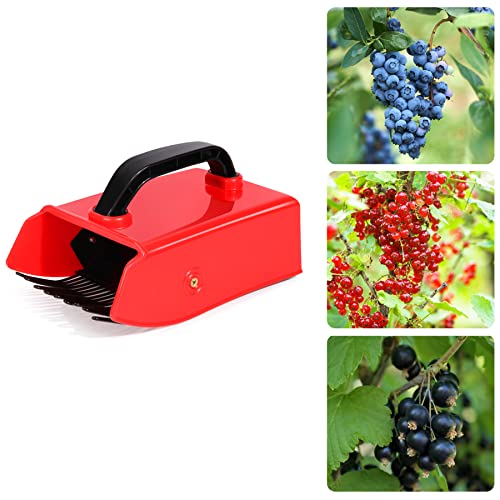
【Easy to Use】The blueberry picker rake with a comfort-grip handle is lightweight, comfortable to use, great for people all ages. Hold the branch in one hand and rake the berries off 90 degrees to the branch, you will get less leaves and more berries.
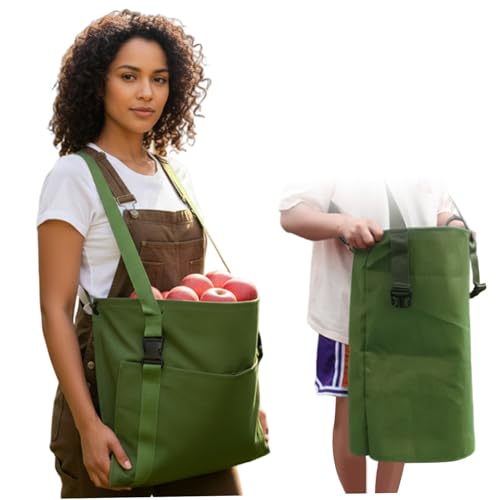
Practical Gardening Companion: More than just an apron with pockets, it's a dedicated garden tool that organizes your harvest on the go. Its practical design makes it a thoughtful present for home gardeners, hobby farmers, or anyone who enjoys picking their own produce.
Color
Ripe nectarines are vibrant in color, usually with a deep yellow or orange hue. Look for a background color that has changed from green to yellow or red, depending on the variety. A slight blush or red patches on the skin indicate maturity.
Texture
Gently squeeze the nectarine; it should yield slightly to pressure, indicating juiciness. Avoid firm nectarines, as they are not fully ripe. Overly soft fruits may be overripe and mushy.
Smell
A ripe nectarine should have a sweet, fragrant aroma at the stem end. If it smells strongly sweet, it’s likely ready to be picked. Unripe nectarines lack this distinct scent.
Taste
The best indicator of ripeness is, of course, the taste. When you take a bite, a ripe nectarine should be juicy, sweet, and flavorful. If it tastes bland or sour, it’s not yet ripe.
Stickiness
Ripe nectarines can be slightly sticky to the touch due to natural sugars exuding from the skin. This stickiness is a good sign of ripeness, indicating high sugar content.
Harvesting Tip
When picking nectarines, give them a gentle twist to release them from the tree. If they come off easily without much effort, they are most likely ripe and ready to enjoy.
Factors Affecting Nectarine Ripeness
Understanding the factors that influence nectarine ripeness is crucial for harvesting the best fruit from your backyard trees. By recognizing these key elements, you can ensure you pick nectarines at their peak flavor and sweetness. Here are the main factors to consider:
1. Color
- Assess the color of the nectarines on the tree. Look for a vibrant, rich color, depending on the nectarine variety. For instance, yellow nectarines should have a golden hue, while white nectarines will appear more creamy or pale.
2. Texture
- Gently feel the nectarines to check their texture. Ripe nectarines should yield slightly to pressure but still feel firm. Avoid any overly soft or mushy nectarines as they may be overripe.
3. Smell
- Take a whiff near the stem end of the nectarine. A fragrant, sweet aroma indicates ripeness. If there is a lack of smell or a green scent, the nectarine may need more time to ripen on the tree.
4. Taste
- If possible, sample one nectarine from the tree to taste its sweetness level. A ripe nectarine should be juicy, flavorful, and have the perfect balance of sweetness and acidity.
- Check the skin of the nectarines for any stickiness. A slight stickiness can be a sign of ripeness, indicating natural sugars have developed. However, excessive stickiness may point to the fruit being overripe.
By paying attention to these factors, you can confidently determine the optimal time to pull nectarines off the tree, ensuring a delightful and flavorful eating experience. Remember, each nectarine tree may ripen slightly differently, so it’s essential to monitor these indicators closely to harvest the best fruit.
Best Time to Harvest Nectarines
Knowing the optimal time to harvest nectarines ensures you enjoy them at their peak flavor and juiciness. To determine the perfect moment, pay attention to the following indicators:
Color:
Look for nectarines that have a vibrant background color with a red blush. They should be firm yet give slightly when you gently squeeze them.
Texture:
The skin of ripe nectarines feels smooth, and there might be a slight softness when you touch them. Avoid fruits with wrinkled skin or blemishes.
Smell:
Ripe nectarines emit a sweet and fragrant aroma near the stem. If they lack this characteristic smell, they might need more time on the tree.
Taste:
When nectarines are ready to harvest, they should taste sweet and flavorful. A balance between sweetness and acidity indicates perfect ripeness.
Stickiness:
Check if the nectarine skin feels slightly sticky as this suggests high sugar content and full ripeness.
By keeping a close eye on these signs, you’ll be able to pick nectarines at their peak, ensuring a delightful eating experience. Remember, the best time to harvest nectarines may vary slightly depending on the specific tree and location, so use these indicators as your guide to enjoy the freshest and most flavorful fruits from your backyard.
Harvesting Techniques
To harvest nectarines effectively, follow these practical techniques:
Assessing Color and Texture
Check for vibrant colors with a red blush on the nectarines. They should have a smooth texture when gently touched.
Testing Aroma and Taste
Smell the nectarines for a sweet, fruity aroma, and taste one to ensure it’s flavorful.
Noting Stickiness
Feel for a slight stickiness on the fruit’s skin, indicating optimal ripeness.
Harvesting Time Variability
Remember that the best time to harvest nectarines may vary depending on your tree and location. Ensure you use these indicators as a guide for the freshest fruits.
By employing these techniques, you’ll pick nectarines at their peak ripeness, ready for a delightful eating experience straight from your backyard tree.
Conclusion
Now that you’re equipped with the knowledge of how to tell when nectarines are perfectly ripe, you can confidently harvest them from your own backyard trees. Remember to pay attention to the color, texture, aroma, taste, and stickiness of the fruit to ensure you pick them at their peak flavor. Each nectarine tree is unique, so use these indicators to determine the best time for harvesting based on your specific tree and location. By following these practical tips, you’ll be able to enjoy the sweetest and most delicious nectarines straight from your garden. Happy harvesting!
Frequently Asked Questions
How can I tell if a nectarine is ripe?
To determine nectarine ripeness, look for a deep orange or red skin color, slight softness to the touch without being mushy, a fragrant sweet aroma near the stem, a juicy and sweet taste, and some stickiness on the surface.
When is the best time to harvest nectarines?
The best time to harvest nectarines is when they meet the ripeness indicators such as color, texture, smell, taste, and stickiness. This may vary depending on the specific tree and location, but generally, nectarines are ready to be picked during the summer months.
What are practical harvesting techniques for nectarines?
Practical harvesting techniques for nectarines include assessing color and texture for ripeness, testing aroma and taste for sweetness, and noting stickiness on the surface, which indicates the fruit is juicy and flavorful.
