

Have you ever wondered which trees can give you fruit in record time? If you’re eager to enjoy homegrown produce without waiting years, you’re in the right place. Fast-fruiting trees can transform your garden into a delicious haven sooner than you think.
Imagine planting a tree and within just a couple of seasons, you’re picking fresh fruit right from your backyard. This article will guide you through the top trees that produce fruit quickly, helping you make the best choices for your garden. Whether you’re a seasoned gardener or just starting out, you’ll find tips and insights that can help you reap the rewards of your efforts in no time.
Key Takeaways
- Quick Fruiting Timeline: Many fast-fruiting trees can produce edible fruit within just 1 to 3 years, making them ideal for eager gardeners.
- Popular Fast-Fruiting Varieties: Consider dwarf peach, apple, cherry, fig, pineapple guava, mulberry, and citrus trees for rapid yields.
- Optimal Growing Conditions: Ensure full sunlight (6-8 hours), well-draining and nutrient-rich soil, consistent watering, and regular fertilization for the best results.
- Tree Care Practices: Pruning is essential for promoting healthy growth, improving air circulation, and boosting fruit production.
- Climate Adaptation: Select trees that thrive in your local climate for quicker fruiting, taking into account temperature preferences and frost risks.
- Container Gardening: Many fast-fruiting trees can be grown in pots, allowing for flexibility in garden space and easier care.
Overview of Fruit-Producing Trees
Fast-fruiting trees provide joy to gardeners eager for homegrown produce. You can enjoy the benefits of fresh fruit in as little as one to three years after planting, depending on the species. Understanding various fast-growing fruit trees can help you select the best options for your garden.
Key Fast-Fruiting Trees
- Dwarf Fruit Trees
Dwarf fruit trees thrive in small spaces. Peach, apple, and cherry varieties offer quick yields, often within two to three years. They produce fruit on short, compact branches, making harvesting easier. - Fig Trees
Fig trees bear fruit typically within two years of planting. They require warm climates but adjust well to container gardening. Fresh figs become a rewarding treat in late summer and early fall. - Pineapple Guava
Pineapple guava trees deliver edible flowers and fruit by the second year. Their unique flavor and ornamental value make them appealing. They grow in various soil types and provide a tropical touch to your landscape. - Mulberry Trees
Fast-growing mulberry trees produce fruit within one to two years. The berries are rich in nutrients and attract birds to your yard. They adapt well to different climates, making them a suitable choice for many gardeners. - Citrus Trees
Citrus trees, including lemon and lime, typically yield fruit within three years. They flourish in warm environments and thrive in pots. Regular pruning enhances growth and fruit production.
Practical Tips for Planting
- Choose the Right Location
Select a sunny spot with well-drained soil. Most fruit trees flourish with at least six hours of direct sunlight daily. - Water Wisely
Keep the soil consistently moist during the first year. Once established, adjust your watering schedule based on rainfall and temperature. - Fertilize Appropriately
Use balanced fertilizer in early spring. Follow the product instructions for application rates based on tree age and size. - Prune for Health
Regular pruning removes dead or diseased branches. Effective pruning encourages stronger growth and improves air circulation around the leaves.
- How long until I can eat fruit?
Many fast-fruiting trees produce fruit in one to three years. Your specific timeline depends on tree type and growing conditions. - What climate do these trees prefer?
Most fast-fruiting trees prefer temperate to warm climates. Check local conditions and choose species that thrive in your area. - Can I grow them in pots?
Yes, many fast-fruiting trees adapt well to container gardening. Ensure pots are large enough to accommodate root growth.
By selecting appropriate varieties and following essential care tips, you can enjoy delicious fruit from your garden in no time.
Fastest Growing Fruit Trees
Fast-growing fruit trees help you enjoy fresh produce in a short amount of time. You can select the right varieties to get fruit within just a few years.
Recommended Products

Product Quantity: Five+ dwarf peach tree seeds per packet; Premium selection for optimal viability; Perfect for starting your own backyard orchard


Product Quantity: 180+ premium bonsai fruit seeds across 5 varieties; Individual packs contain 40+ apple, 40+ lemon, 40+ orange, 20+ blueberry, and 40+ cherry seeds; Perfect for starting a diverse miniature orchard
Types of Fast Fruit Trees
- Dwarf Peach Trees: Yields fruit in 2-3 years. Compact size makes them ideal for smaller gardens.
- Apple Trees: Certain varieties, especially dwarf types, provide fruit within 2-3 years.
- Cherry Trees: Sweet and tart varieties produce cherries in 2-3 years.
- Fig Trees: Figs offer their first crop in about 2 years, providing a sweet treat.
- Pineapple Guava Trees: This tree bears edible flowers and fruit by the second year.
- Mulberry Trees: Fast growers that provide tasty berries in 1-2 years.
- Citrus Trees: Lemon and lime trees produce fruit within approximately 3 years.
- Sunlight: Ensure at least 6-8 hours of direct sunlight daily for vibrant growth.
- Soil Quality: Use well-draining soil rich in organic matter. Testing soil pH can help optimize conditions.
- Watering: Water deeply but infrequently to encourage strong root systems. Adjust frequency based on rainfall and temperature.
- Fertilization: Use balanced fertilizers during the growing season. Follow package instructions for application rates.
- Pruning: Trim branches yearly to promote structure and airflow, enhancing fruit development and tree health.
By choosing the right types of trees and providing optimal care, you can enjoy bountiful harvests in a short time.
Popular Fast Fruit Trees
Fast fruit trees offer quick gratification for your gardening efforts. Below are some popular options that produce fruit in a short time.
Recommended Products

4 FRUIT VARIETIES – 100 SEEDS TOTAL: Includes 30 Apple Seeds, 30 Lemon Seeds, 30 Cherry Seeds, and 10 Banana Seeds, individually separated by variety for an exciting fruit-growing collection.

4 kinds of the most popular fruits, individually packaged, 50pcs Lemon seeds 50pcs Cherry seeds 50pcs Orange seeds 50pcs Apple seeds Fresh seeds, all fruit seeds are packed in tear and moisture resistant zipper sealed bags for your long term storage.
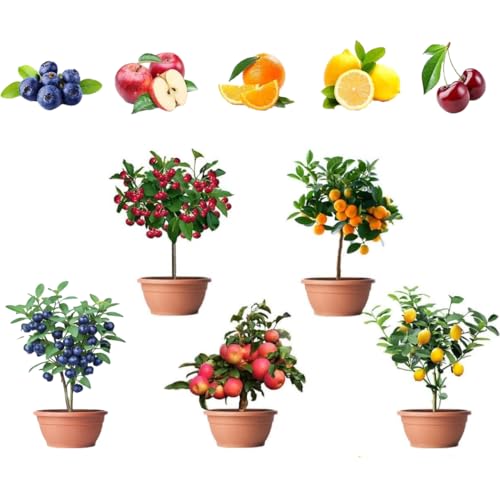
Variety Pack of 5 Fruits: Includes 40 Lemon seeds, 40 Orange seeds, 40 Apple seeds, 20 Cherry seeds, and 20 Blueberry seeds for a colorful and diverse home garden
Peach Trees
Peach trees, particularly dwarf varieties, produce juicy fruit within two to three years of planting. Choose a location with full sun and well-drained soil. Regular watering and balanced fertilization promote healthy growth. Consider varieties like ‘Elberta’ for reliable yields.
Cherry Trees
Cherry trees, including sweet and tart types, typically bear fruit in three to four years. Plant them in an area that gets at least 6-8 hours of sunlight daily. ‘Stella’ and ‘Bing’ are great choices for gardeners seeking fast production. Maintain moisture, especially during fruit set.
Apple Trees
Dwarf apple trees produce fruit in about two to three years. Opt for disease-resistant varieties like ‘Honeycrisp’ or ‘Enterprise.’ Position them in a sunny spot, ensuring the soil is moist yet well-drained. Pruning helps shape the tree and increase sunlight exposure, ultimately boosting fruit output.
Factors Influencing Fruit Production Speed
Several factors determine how quickly trees produce fruit. Understanding these factors helps you optimize your growing conditions for faster yields.
Recommended Products

Accurate Soil pH Testing: Dewildetradingco Soil pH Test Strips offer measurements of soil pH levels (pH 3.5-9). As an essential tool for every gardener and grower, these test strips help determine the optimal pH for various plants, such as outdoor plants, indoor plants, gardens, grass lawns, fruit trees, flowers, vegetables, and forest shrubs.

Kindly NOTE: This soil tester can not be applied to test pH value of any other liquid. If the soil is too dry the indicator will not move, and water it before testing.

KNOW BEFORE YOU GROW | Grow the healthiest, sustainable lawn and garden with the most accurate and easy to use professional soil test kit on the market
Soil Quality
Soil quality significantly impacts fruit production speed. Well-draining soil enriched with organic matter promotes healthy root development. Here are key points to consider:
- pH Level: Aim for a pH between 6.0 and 7.0, as most fruit trees thrive in slightly acidic to neutral soil.
- Nutrient Content: Use compost or well-rotted manure to boost nutrients. Essential nutrients include nitrogen, phosphorus, and potassium.
- Drainage: Ensure the soil drains well to prevent root rot. Trees prefer moist, not waterlogged, roots.
Testing your soil before planting ensures optimal conditions. You can purchase a soil test kit or send samples to a local extension service for analysis.
Climate and Weather Conditions
Climate and weather conditions play a crucial role in fruit tree growth. Each tree species has specific climate preferences. Here’s what to keep in mind:
- Temperature Requirement: Most fruit trees prosper in regions with warm summers and chilling winters. Examine your USDA Plant Hardiness Zone for compatibility.
- Frost Timing: Late spring frosts can damage blossoms. Plant trees to protect them from unexpected frosts by selecting sheltered spots.
- Sunlight Exposure: Trees require at least 6-8 hours of direct sunlight daily to maximize fruit production. Position your trees where they receive ample sun.
Selecting suitable varieties for your local climate enhances your chances of quick fruit production. Consult local agricultural extensions or garden centers for tree recommendations tailored to your area.
Conclusion
Growing fruit trees that bear fruit quickly can bring joy and satisfaction to your gardening journey. By choosing the right varieties like dwarf peaches or fig trees you can enjoy fresh produce in just a couple of seasons.
Remember to pay attention to factors like sunlight soil quality and watering techniques to ensure your trees thrive. With a bit of care and patience you’ll be rewarded with delicious fruits right from your backyard. So get planting and watch your garden flourish with tasty treats before you know it!
Frequently Asked Questions
What are fast-fruiting trees?
Fast-fruiting trees are fruit-bearing trees that produce edible fruit in a short amount of time, typically within two to four years after planting. These trees allow gardeners to enjoy homegrown produce sooner than traditional varieties.
Which fast-fruiting trees are recommended for home gardening?
Popular choices include dwarf peach, apple, cherry, fig, pineapple guava, mulberry, and citrus trees like lemon and lime. These varieties are known for their quick fruit production, making them ideal for gardeners looking for faster results.
How long does it take for fruit trees to produce fruit?
Most fast-fruiting trees yield their first crop within two to four years. For example, dwarf peach and apple trees typically bear fruit in two to three years, while fig trees can produce within two years.
What climate is best for fast-fruiting trees?
Fast-fruiting trees thrive in warm climates with hot summers and chilling winters. They usually require a climate that allows for adequate sunlight, as well as protection from late spring frosts to ensure successful growth and fruiting.
Can I grow fast-fruiting trees in pots?
Yes, many fast-fruiting trees can be successfully grown in pots, especially dwarf varieties. When growing in containers, ensure proper drainage, adequate sunlight, and regular watering to support healthy growth and fruit production.
What care do fast-fruiting trees need?
To ensure healthy growth, these trees need well-draining soil enriched with organic matter, sufficient sunlight (6-8 hours a day), deep but infrequent watering, and balanced fertilization during the growing season. Additionally, annual pruning is recommended to promote tree structure and airflow.
