

Curious about gardening tools? Ever wondered about the difference between anvil and bypass pruners? Picture this: you’re in the garden, ready to trim those overgrown branches, but you’re not sure which tool to use. That’s where we come in to shed some light on anvil and bypass pruners.
Have you found yourself struggling to make clean cuts or unsure which pruner is best for your plants? In this article, we’ll break down the distinctions between anvil and bypass pruners, helping you choose the right tool for the job. No more guesswork or frustration – just clear guidance to elevate your gardening game.
Overview of Anvil and Bypass Pruners
When it comes to pruning tools, understanding the differences between anvil and bypass pruners can make a significant impact on your gardening tasks. Here’s a breakdown of each type to help you make an informed choice:
Recommended Products

ANVIL LOPPERS FOR DRY WOOD - This style of garden cutter is designed for dry wood, great for prepping kindling as well as trimming dead branches and tree limbs. Both pairs of heavy-duty garden trimmers feature 6 pin-locked position stops and rubber grips.
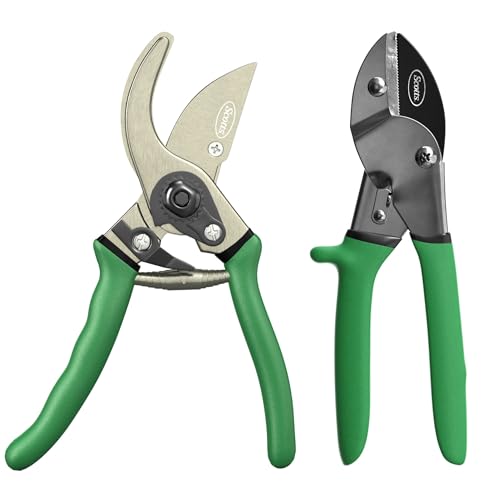
High-Quality Carbon Steel Blades: Crafted from durable carbon steel, these blades offer superior sharpness and strength for long-lasting use.
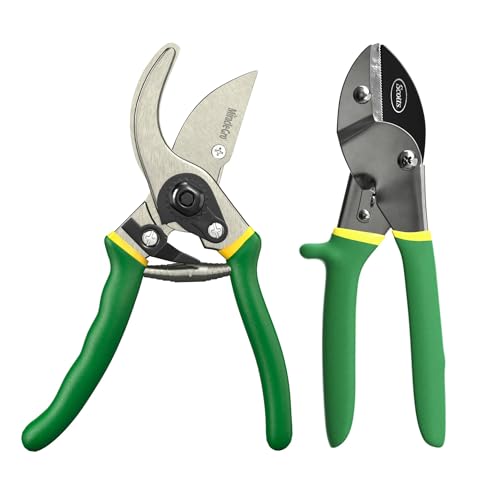
High-Quality Carbon Steel Blades: Crafted from durable carbon steel, these blades offer superior sharpness and strength for long-lasting use.
Anvil Pruners
- Design: Anvil pruners have a sharp blade that closes against a flat edge, much like a knife on a cutting board.
- Cutting Style: They crush stems against a cutting board, making them ideal for dead or thick branches.
- Strengths: Effective for clean cuts on older wood and providing more power for tougher cuts.
- Considerations: May crush live stems, leading to potential damage or infection if not used properly.
Bypass Pruners
- Design: Bypass pruners work like scissors, with two curved blades passing by each other to make a precise cut.
- Cutting Style: They make clean, angled cuts suitable for live branches without causing unnecessary damage.
- Advantages: Ideal for delicate plants and promoting healing and growth with precise cuts.
- Usage: Recommended for live stems or green growth due to their gentler cutting action.
- Consider the Branch Type: Use anvil pruners for tough, deadwood and bypass pruners for live, green stems to ensure the best results.
- Maintenance: Keep your pruners sharp and clean for optimal cutting performance and plant health.
- Practice Makes Perfect: Experiment with both types to see which suits your gardening tasks and techniques best.
Keep these distinctions in mind to elevate your pruning skills and tackle various plants with confidence.
Design and Functionality
When choosing between anvil and bypass pruners, understanding their design and functionality is key to making the right decision for your gardening needs. Here’s a breakdown to help you differentiate between the two:
- Anvil Pruners:
- Design: Have a single straight blade that cuts against a flat edge, resembling a knife cutting on a cutting board.
- Functionality: Ideal for tackling tough cuts on older wood, as the blade crushes the stem against a hard surface.
- Bypass Pruners:
- Design: Feature two curved blades that work like scissors, with one blade bypassing the other in a slicing action.
- Functionality: Suited for making clean, precise cuts on live branches, as they avoid crushing the plant tissue.
Consider the type of cuts you’ll be making in your garden to determine which pruner suits your specific needs best. Remember, anvil pruners are great for deadwood, while bypass pruners excel at live stems.
Cutting Mechanism
When it comes to anvil and bypass pruners, the Cutting Mechanism is where they differ the most.
- Anvil pruners: Utilize a sharp blade that closes against a flat edge, crushing the material being cut.
- Bypass pruners: Feature two blades that pass by each other, creating a scissor-like cutting action.
For thicker, tougher branches, anvil pruners shine with their ability to deliver powerful cuts. On the other hand, bypass pruners excel at clean, precise cuts on live stems to promote healthy plant growth.
In your gardening endeavors, understanding this fundamental difference in cutting mechanisms can help you choose the right tool for the job.
Pros and Cons of Anvil Pruners
When it comes to anvil pruners, there are distinct advantages and limitations that you should consider before selecting the right tool for your gardening needs.
Pros
- Effective for Tough Branches: Anvil pruners excel at cutting through dense and sturdy branches with ease, thanks to their crushing action.
- Ideal for Dead Wood: When dealing with dead or thick wood, anvil pruners can provide the necessary power to make clean cuts.
- Less Maintenance: Due to their simpler design, anvil pruners often require less maintenance compared to bypass pruners.
- Enhanced Accuracy: The one-sided cutting blade of anvil pruners offers enhanced precision when trimming branches.
- Suitable for Weaker Hands: If you have limited hand strength, anvil pruners can be easier to use than bypass pruners.
- Risk of Crushing Plants: The crushing action of anvil pruners may lead to bruising or damaging live stems if used incorrectly.
- Less Clean Cuts: Anvil pruners may result in less clean cuts compared to bypass pruners, potentially leaving ragged edges.
- Not Ideal for Delicate Plants: For fragile or living stems, anvil pruners may not be the most suitable option due to the potential for damage.
- Heavier: In general, anvil pruners tend to be heavier than bypass pruners, which can cause fatigue during extended use.
Remember to weigh these pros and cons carefully when deciding whether anvil pruners are the right choice for your gardening tasks.
Pros and Cons of Bypass Pruners
When it comes to bypass pruners, there are several advantages and disadvantages to consider before deciding if they are the right choice for your gardening needs. Here are some key points to help you make an informed decision:
- Pros:
- Provide cleaner cuts which heal quicker.
- Ideal for precision pruning of live stems and delicate plants.
- Lighter in weight compared to anvil pruners.
- Cons:
- Not suitable for cutting tough branches or dead wood.
- Require more frequent maintenance to keep the blades sharp.
Choosing the right pruning tool can make a significant difference in the health and appearance of your plants. Consider the specific needs of your garden before making a decision.
Recommended Products

Heat-Treated Serrated Saw Blade: 8" saw blade designed for efficient cutting of branches and tough materials, ensuring sharpness and durability.

1″ Cutting Capacity for Thick Stems & Branches – Powerful bypass blade easily cuts through live branches, woody stems, and green growth up to 1 inch thick, making it ideal for pruning trees, shrubs, and garden plants.
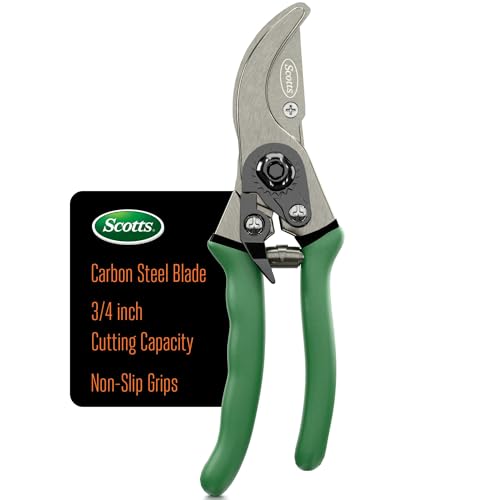
High-Quality Carbon Steel Blade: Crafted from durable carbon steel, offering sharpness and strength for long-lasting use.
Conclusion
Now that you understand the differences between anvil and bypass pruners, you can make an informed decision based on your gardening requirements. Bypass pruners offer precise cuts for live stems and delicate plants, while anvil pruners are better suited for tougher branches. Consider the maintenance needs and the types of plants you work with before choosing the right tool for your gardening tasks. Happy pruning!
Frequently Asked Questions
What are the advantages of using bypass pruners?
Bypass pruners provide cleaner cuts that heal faster, making them perfect for precise pruning of live stems and delicate plants. They are also typically lighter in weight compared to anvil pruners.
What are the limitations of bypass pruners?
Bypass pruners are not suitable for cutting tough branches or dead wood. Additionally, they require more frequent maintenance to ensure the blades remain sharp.
How should gardeners decide between anvil and bypass pruners?
Gardeners should consider the type of plants they are pruning and their specific gardening needs. If precision cutting of live stems is a priority, bypass pruners may be the better choice.
