

Ever found yourself struggling to prune those overgrown branches in your backyard? Wondering how to tackle those thicker stems without breaking a sweat? Well, have you met the lopper tool? It’s not just any garden tool; it’s your secret weapon to effortlessly trim and shape your green oasis.
Picture this: You’re standing in your garden, eyeing those unruly branches that desperately need attention. Your hands ache at the thought of wrestling with them using just any old clippers. But fear not! With a lopper tool in hand, you can easily snip through those tough branches like a pro, making your pruning tasks a breeze.
In this article, we’ll delve into the world of lopper tools, exploring their different types, uses, and how they can revolutionize your gardening game. Say goodbye to the days of struggling with stubborn branches, and say hello to a smoother, more efficient pruning experience with your new favorite tool.
Types of Lopper Tools
When it comes to lopper tools, you’ll find a variety of types to choose from. Here are common types you should know about:
- Bypass Loppers: Ideal for clean cuts on live branches due to their scissor-like cutting action.
- Anvil Loppers: Suitable for thicker dead branches as they use a single blade pressing against a flat edge.
- Ratchet Loppers: Great for increased cutting power on tough branches with a ratcheting mechanism.
These different types cater to specific needs in gardening tasks, providing versatility for various branches you may encounter.
Recommended Products

Fiskars Ratchet Lopper compounds force with a series of easy squeezes for maximum cutting power with very little effort

Ratchet action gives easy cutting in short steps - ideal for cutting thicker, harder branches

ANVIL LOPPERS FOR DRY WOOD - This style of garden cutter is designed for dry wood, great for prepping kindling as well as trimming dead branches and tree limbs. Both pairs of heavy-duty garden trimmers feature 6 pin-locked position stops and rubber grips.
Benefits of Using a Lopper Tool
Lopper tools offer several advantages that can enhance your gardening experience and make pruning tasks more efficient. Here are some key benefits to keep in mind:
- Improved Reach: With lopper tools, you can easily access branches that are located higher up or deep within bushes, enabling you to trim and shape your plants effectively.
- Clean Cuts: By using sharp blades, lopper tools provide precise cuts that promote plant health and growth, minimizing the risk of infections or damage.
- Efficient Cutting Power: Whether it’s live, thick, or tough branches, lopper tools come in different types, such as Bypass, Anvil, and Ratchet Loppers, designed to handle various cutting needs with ease.
- Enhanced Safety: Lopper tools allow you to trim branches from a distance, reducing the chances of accidents or injuries while pruning, especially for branches at awkward angles.
- Versatility: From delicate rose bushes to sturdy tree branches, lopper tools are versatile and can be used for a wide range of gardening tasks, catering to different plant types and sizes.
Considering these benefits, incorporating a lopper tool into your gardening arsenal can significantly streamline your pruning routine while ensuring the health and aesthetics of your plants.
How to Choose the Right Lopper Tool
When considering which lopper tool to purchase, there are a few key factors to keep in mind to ensure you find the perfect fit for your gardening needs. Here are some tips to help you make the best decision:
- Type of Cutting Mechanism: Decide between anvil or bypass loppers based on the type of plants you have. Anvil loppers are ideal for dead or dried-out branches, while bypass loppers are excellent for live branches.
- Handle Length: Opt for longer handles for increased reach and leverage when dealing with high or hard-to-reach branches. Shorter handles are great for precision and ease of use in tighter spaces.
- Cutting Capacity: Consider the maximum cutting capacity of the lopper to ensure it can handle the size of branches you typically prune in your garden. Look for a lopper that can comfortably cut through branches of various thicknesses.
- Handle Material: Choose handles made of durable materials like aluminum or fiberglass for lightweight yet sturdy construction. Comfortable grips with ergonomic designs can reduce hand fatigue during prolonged use.
- Additional Features: Look for extra features such as shock-absorbing bumpers to reduce strain on your arms, replaceable blades for long-term use, and easy-to-adjust mechanisms for a customized cutting experience.
- Budget: Set a budget range before shopping for a lopper tool. Remember that investing in a high-quality lopper can save you money in the long run by lasting longer and performing better.
- Maintenance Requirements: Consider the maintenance needed for the lopper you choose. Some models may require regular cleaning, blade sharpening, or lubrication to ensure optimal performance.
Tips for Using a Lopper Tool Effectively
Using a lopper tool efficiently can make a significant difference in your gardening experience. Here are some tips to help you get the most out of your lopper:
- Proper Grip: Ensure a firm but comfortable grip on the handles to maintain control and maximize cutting power.
- Target the Right Spot: Position the blade of the lopper precisely at the branch collar or bark ridge for clean and effective cuts.
- Use Compound Leverage: Take advantage of the lopper’s compound leverage design to cut through thicker branches with less effort.
- Cut at the Right Angle: Make your cuts at a slight angle to encourage water runoff and prevent water from collecting on the wound.
- Regular Maintenance: Keep your lopper clean, well-oiled, and sharp for smooth cutting and prolonged tool life.
- Safety First: Always wear gloves and eye protection when using a lopper to prevent injuries from debris or splinters.
- Select the Correct Tool: Choose the right lopper for the job based on branch thickness and type to avoid strain or damage to the tool.
Efficient use of your lopper tool not only ensures a successful gardening experience but also helps maintain the health of your plants.
Recommended Products

IDEAL BRANCH TRIMMER: 28" Steel blade garden bypass lopper that glides through up to 1.5" thick branches for easy cuts; Works well for trimming tree branches to maintain your yard and garden, and to encourage overall plant health and appearance

EFFORTLESS CUTS ON THICK BRANCHES: Long 30” handles provide increased leverage for cutting thick branches, up to 2" diameter, during tree pruning and yard maintenance; helping gardeners make controlled cuts with less strain during demanding trimming tasks
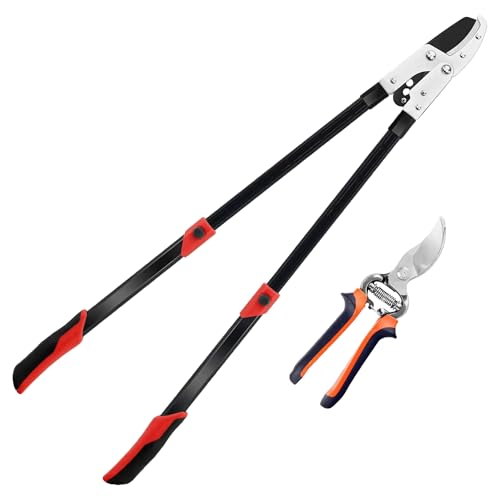
LONG LASTING SHARP: tree branch cutter alloy steel blade with teflon coated and low-friction coating that will long lasting sharp after tough job. Tree pruner is ideal for trimming green living or dry branches, chop through thick branches effortlessly
Conclusion
Mastering the art of using a lopper tool can transform your gardening routine. By following the tips shared in this article, you’ll ensure a smooth cutting process, maintain plant health, and enjoy a more efficient gardening experience. Remember to keep a firm grip, aim for the right cutting spot, leverage compound action for thicker branches, cut at the correct angle, perform regular maintenance, prioritize safety gear, and select the right tool for each branch. With these practices in place, you’ll be well-equipped to tackle any pruning task with ease and precision. Happy gardening!
Frequently Asked Questions
Q: What are the key tips for effectively using a lopper tool in gardening?
A: Maintain a proper grip, target the correct cutting spot, utilize compound leverage for thicker branches, cut at the right angle for water runoff, perform regular maintenance, prioritize safety with gloves and eye protection, and select the appropriate tool based on branch characteristics. These tips enhance gardening experience and contribute to plant health maintenance.
