Close Menu
    Fruit Tree Hub
    • Home
    • Apple Trees
    • Lemon Trees
    • Mango Trees
    • Orange Trees
    • More Trees
      • Best Fruit Trees
      • Apricot Trees
      • Cherry Trees
      • Fig Trees
      • Lime Trees
      • Mulberry Trees
      • Peach Trees
      • Pear Trees
      • Plum Trees
      • Pomegranate Trees
    • Tips and Advice
      • Tools
    • About Us
      • Contact
      • Privacy Policy
    Fruit Tree Hub
    Home»Climbing Fruit»Grapes»Should You Wash Grapes? Debunking Myths and Ensuring Clean Eating
    Grapes

    Should You Wash Grapes? Debunking Myths and Ensuring Clean Eating

    Lucy SmithBy Lucy SmithAugust 8, 20245 Mins Read
    Share Facebook Twitter Pinterest WhatsApp Email
    Share
    Facebook Twitter LinkedIn Pinterest Telegram Email

    Do you ever wonder if washing your grapes is really necessary? Picture this: You’ve just brought home a fresh bunch of juicy grapes from the store, eager to enjoy them as a snack. But before you can pop one into your mouth, the thought crosses your mind – should you wash them first? In this article, we’ll explore the reasons why washing grapes might be more important than you think.

    Contents show
    1 Key Takeaways
    2 Understanding the Importance of Washing Grapes
    2.1 Why Washing Grapes Is Recommended
    2.2 The Risks of Not Washing Grapes
    3 How to Properly Wash Grapes
    3.1 Quick Washing Techniques
    3.2 Deep Cleaning Solutions
    4 Common Misconceptions About Washing Grapes
    4.1 Myth Versus Fact: Washing and Pesticides
    4.2 The Impact on Flavor and Texture
    5 Conclusion
    6 Frequently Asked Questions
    6.1 Why is washing grapes important?
    6.2 How should I wash grapes effectively?
    6.3 Can water alone remove pesticides from grapes?
    6.4 Does washing grapes change their taste or texture?

    Imagine taking a bite into those plump grapes without knowing what residues or pesticides might be lingering on their skin. By the end of this read, you’ll have a clearer understanding of why giving your grapes a quick rinse could make a significant difference in your health and well-being. Stay tuned to discover how this simple step can ensure that every grape you eat is not only delicious but also safe for consumption.

    Key Takeaways

    • Washing grapes before consumption is vital to remove potential residues, dirt, or pesticides present on their skin.
    • Not washing grapes can lead to consuming harmful chemicals or contaminants that may cause health issues or stomach discomfort.
    • Quick washing techniques involve rinsing under water, gentle rubbing, and draining excess water for everyday use.
    • Deep cleaning solutions like vinegar soak or baking soda scrub help remove pesticides or wax residues for a more thorough wash.
    • Using a vinegar solution or commercial produce wash is more effective than just rinsing with water to remove pesticide residues from grapes.
    • Properly washing grapes does not significantly alter their flavor or texture but ensures they are clean and safe to consume.
    MUST READ
    How Far to Plant Grapes Apart for Healthy Growth and Maximum Yields

    Understanding the Importance of Washing Grapes

    When it comes to grapes, washing them before consumption is vital for your health and well-being. Let’s delve into why this simple step is highly recommended and the risks you might encounter if you skip it.

    Why Washing Grapes Is Recommended

    Washing grapes helps remove any potential residues, dirt, or pesticides that may be present on their skin. By rinsing them under water, you can ensure that you’re not ingesting harmful chemicals or contaminants along with the delicious fruit. It’s a quick and easy way to make sure your grapes are safe to eat.

    The Risks of Not Washing Grapes

    If you choose not to wash your grapes before eating them, you run the risk of consuming pesticide residues, dirt, bacteria, or other contaminants that could be lurking on the surface. These substances may lead to health issues or stomach discomfort. Taking a moment to wash your grapes can significantly reduce these risks and make your snacking experience worry-free.

    How to Properly Wash Grapes

    When it comes to washing grapes, ensuring they are clean before consumption is crucial for your health and well-being. Here’s how you can properly wash your grapes using quick techniques or deep cleaning solutions.

    Recommended Products

    Fersan Grape Vinegar – 1.1lb
    Fersan Grape Vinegar – 1.1lb
    VIEW LATEST PRICE

    As an affiliate, we earn on qualifying purchases.

    Quick Washing Techniques

    To quickly wash your grapes, follow these simple steps:

    1. Rinse under Water: Place the grapes in a colander and rinse them thoroughly under running water.
    2. Gentle Rubbing: Lightly rub the grapes with your fingers while rinsing to remove any surface dirt or residues.
    3. Drain Excess Water: Allow the washed grapes to drain properly before consuming them.
    MUST READ
    How to Wash Grapes to Last Longer: Tips for Freshness and Shelf Life

    Quick washing is ideal for everyday use when you need a fast solution to clean your grapes effectively.

    Deep Cleaning Solutions

    For a more thorough cleaning process, consider these deep cleaning solutions:

    1. Vinegar Soak: Create a mixture of water and vinegar (3:1 ratio) and soak the grapes for about 5-10 minutes. Rinse them under running water afterward.
    2. Baking Soda Scrub: Make a paste of baking soda and water, gently scrub it onto the grape surfaces, then rinse thoroughly.

    Deep cleaning methods help remove pesticides or wax residues that may be present on the grape skin, ensuring a more comprehensive wash.

    By following these simple yet effective techniques for washing your grapes, you can enjoy this delicious fruit without worry about any harmful contaminants lingering on their surface.

    Common Misconceptions About Washing Grapes

    When it comes to washing grapes, there are some common misconceptions that you may have heard. Let’s debunk these myths and get to the facts.

    Recommended Products

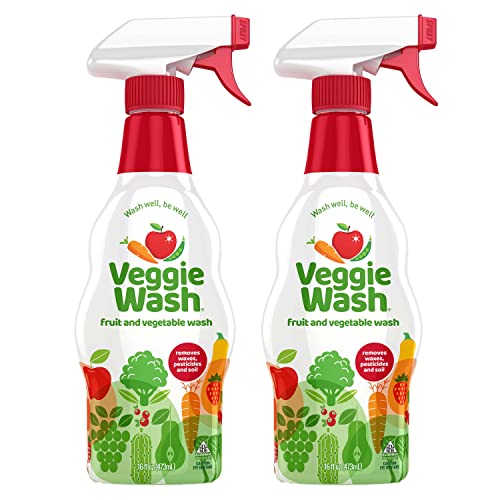
    Veggie Wash Fruit & Vegetable Wash, Produce Wash and Cleaner, 16-Fluid Ounce, Pack of 2, Packaging May Vary
    Veggie Wash Fruit & Vegetable Wash, Produce Wash and Cleaner, 16-Fluid Ounce, Pack of 2, Packaging May Vary

    WASH WELL, BE WELL: safely removes wax, soil, agricultural chemicals, and handling residue found on both standard and organic fruits and veggies

    VIEW LATEST PRICE

    As an affiliate, we earn on qualifying purchases.

    Rebel Green Fruit & Veggie Clean - Plant-Based Produce Cleaner - Natural Fruit and Vegetable Wash with No Aftertaste - Dirt & Grime Removal - Made with Organic Extracts of Citrus - 16 FL OZ
    Rebel Green Fruit & Veggie Clean - Plant-Based Produce Cleaner - Natural Fruit and Vegetable Wash with No Aftertaste - Dirt & Grime Removal - Made with Organic Extracts of Citrus - 16 FL OZ

    EFFECTIVE FRUIT AND VEGETABLE CLEAN WASH: This natural produce wash stands out for its quality and effectiveness. It uses clean ingredients you can trust to refresh produce from delicate berries to crisp apples, ensuring each bite is pure and fresh.

    MUST READ
    Do You Store Grapes in the Refrigerator? Tips for Extended Freshness
    VIEW LATEST PRICE

    As an affiliate, we earn on qualifying purchases.

    Rebel Green Fruit & Veggie Clean - Plant-Based Produce Cleaner - Natural Fruit and Vegetable Wash with No Aftertaste - Dirt & Grime Removal - Made with Organic Extracts of Citrus - Gallon
    Rebel Green Fruit & Veggie Clean - Plant-Based Produce Cleaner - Natural Fruit and Vegetable Wash with No Aftertaste - Dirt & Grime Removal - Made with Organic Extracts of Citrus - Gallon

    EFFECTIVE FRUIT AND VEGETABLE CLEAN WASH: This natural produce wash stands out for its quality and effectiveness. It uses clean ingredients you can trust to refresh produce from delicate berries to crisp apples, ensuring each bite is pure and fresh.

    VIEW LATEST PRICE

    As an affiliate, we earn on qualifying purchases.

    Myth Versus Fact: Washing and Pesticides

    Misconception: You might think that washing grapes with just water is enough to remove pesticides.
    Fact: While rinsing grapes under water can help reduce some pesticide residues, using a vinegar solution or commercial produce wash is more effective at removing contaminants.

    The Impact on Flavor and Texture

    Misconception: Washing grapes can alter their flavor and texture.
    Fact: Properly washing grapes does not significantly change their taste or texture. In fact, it can enhance your eating experience by ensuring they are clean and safe to consume.

    Conclusion

    So, there you have it! Remember, washing your grapes is essential for removing residues and pesticides. Whether you opt for a quick rinse or a vinegar solution, the goal is to ensure your grapes are clean and safe to eat. Don’t worry about altering the flavor – a good wash only enhances the eating experience. Prioritize your health by giving those grapes a thorough cleaning before enjoying them. Happy snacking!

    Frequently Asked Questions

    Why is washing grapes important?

    Washing grapes is crucial to remove residues, dirt, and pesticides that can impact your health negatively.

    MUST READ
    How to Grow Grapes in Indiana: Tips for Successful Cultivation and Harvest

    How should I wash grapes effectively?

    Rinse grapes under running water thoroughly or use vinegar or baking soda solutions for a more comprehensive clean.

    Can water alone remove pesticides from grapes?

    Water alone may not effectively eliminate pesticides from grapes; consider using vinegar solutions or produce washes instead.

    Does washing grapes change their taste or texture?

    Properly washing grapes does not alter their flavor or texture; it enhances the eating experience by ensuring cleanliness and safety.

    Share. Facebook Twitter Pinterest LinkedIn Tumblr Email
    lucy smith
    Lucy Smith
    • Website

    Lucy Smith is a highly experienced horticulturist with a passion for fruit tree cultivation. She holds a degree in Horticulture from the University of California, Davis, and has worked in various roles in the industry. With over 10 years of experience, Lucy is dedicated to using eco-friendly methods for sustainable gardening practices.

    Related Posts

    Discover Where to Find Grapes with Seeds for Enhanced Flavor and Nutrition

    August 9, 2024

    Do Grapes Grow on Trees or Vines? Unveiling the Truth Behind Grape Cultivation

    August 9, 2024

    Growing Muscadine Grapes in Pots: Tips for Patio Success

    August 8, 2024

    Mastering Grapevine Watering: Expert Tips for Optimal Growth and Harvest

    August 8, 2024

    How to Make Grape Jam from Grapes with Seeds: A Flavorful DIY Guide

    August 8, 2024

    Can Dogs Die If They Eat Grapes? Learn the Symptoms, Treatment, and Prevention Measures

    August 8, 2024
    Leave A Reply Cancel Reply

    Affiliate Disclosure

    As an Amazon Associate I earn from qualifying purchases.

    Recommended Reading

    Discover the Best Fruit Trees for Zone 5: Thriving Varieties for Delicious Harvests

    Growing Tangerine Trees in a Pot in Colorado: Maintenance Tips

    How Do You Prune Red Raspberries for Better Plant Health and Fruit Production

    Olive Trees in Mississippi: Deep South Growth and Harvest

    Banana Trees in Indianapolis, IN (Hardy Midwestern Success)

    Can I Cut the Thorns off a Lemon Tree?

    Can Avocado Trees Grow in Ohio? (Buckeye State Growth Manual)

    Is it Ok to Prune Fruit Trees in Spring: Essential Tips for Healthy Growth and Yield

    Optimal Conditions for Where Kiwi Trees Can Grow Successfully

    Growing Cherry Trees in Texas (Success in the Lone Star State)

    Fruit Tree Hub

    Fruit Tree Hub is a website dedicated to providing you everything you need to grow fruit trees successfully at in your own yard.

    Contact us at: [email protected]

    - AFFILIATE DISCLOSURE: As an Amazon Associate I earn from qualifying purchases.

    Latest Posts

    Jujube Trees in Kansas: Heat and Wind Survival Secrets

    Can Plum Trees Grow in Pennsylvania? Keystone State Tips

    Best Persimmon Trees for Florida: Subtropical Growth Strategies

    Can Tangerine Trees Grow in a Pot in Houston, TX? Humidity Tips

    Growing Mulberry Trees in Hawaii (Tropical Harvest Secrets)

    Can Nectarine Trees Grow in North Dakota? Extreme Cold Survival

    Pomegranate Trees in Oregon (PNW Climate and Soil Manual)

    Lime Trees in Buffalo, NY: Lake Effect Survival Guide

    Categories
    • Almond Trees
    • Apple Trees
    • Apricot Trees
    • Best Fruit Trees
    • Blackberry
    • Cantaloupe
    • Cherry Trees
    • Crochet Ideas
    • Crochet Ideas for Beginners
    • Cucamelon
    • Easy Crochet Ideas
    • Easy Knitting Projects
    • Fig Trees
    • Grapefruit Trees
    • Grapes
    • Guava Trees
    • Honeydew
    • Jujube Trees
    • Kiwi
    • Knitting For Beginners
    • Knitting Ideas
    • Knitting Inspiration
    • Lemon Trees
    • Lime Trees
    • Loquat Trees
    • Mango Trees
    • Mulberry Trees
    • Nectarine Trees
    • Olive Trees
    • Orange Trees
    • Papaya Trees
    • Peach Trees
    • Pear Trees
    • Persimmon Trees
    • Planting
    • Plum Trees
    • Pomegranate Trees
    • Quince Trees
    • Raspberry
    • Reviews
    • Small Crochet Ideas
    • Star Fruit Trees
    • Summer Crochet Ideas
    • Tamarind Trees
    • Tangerine Trees
    • Tips and Advice
    • Tools
    • Uncategorized
    • Walnut Trees
    © 2026 Fruit Tree Hub
    • Home
    • About Us
    • Contact
    • Privacy Policy
    • Terms and Conditions
    • Disclaimer
    • Editorial Policy
    • Affiliate Disclosure

    Type above and press Enter to search. Press Esc to cancel.