

Growing pear trees in pots in Hawaii can be a rewarding endeavor if done correctly. The tropical climate offers unique challenges that require specific techniques for successful cultivation and fruit production.
Tropical Pear Varieties for Container Growth
Choosing the right pear tree variety is crucial for thriving in Hawaii’s climate. Tropical varieties such as the Hawaiian Pear or Asian Pear are well-suited for pot cultivation. These varieties adapt better to warmer temperatures and humidity levels compared to traditional European pears.
Hawaiian Pear: Tolerates heat and humidity.
Asian Pear: Crisp texture and sweet flavor.
Dwarf Varieties: Ideal for limited space in pots.
Recommended Products
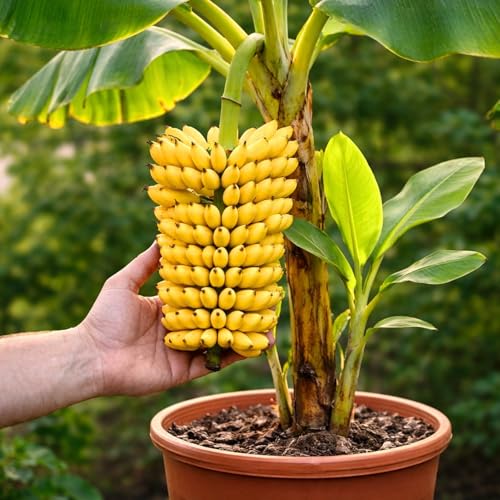
🍌 Premium Banana Seeds: High-quality banana seeds selected for planting and growing healthy tropical banana plants.
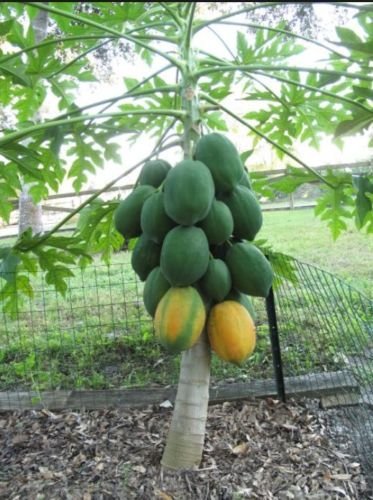
Here are 10 Dwarf Waimanalo papaya seeds (And we always throw in a few extra!). These seeds are very fresh and were just harvested. The Dwarf Waimanalo papaya is an uncommon variety of dwarf papaya that tastes extremely sweet and delicious.

Sprouted Coconut Palm Tree - Large size - 12 to 36 inches tall
Optimal Potting Mix for Pear Trees
Choosing the right potting mix is crucial for the health and productivity of pear trees grown in pots, especially in Hawaii’s tropical climate. The ideal blend should provide adequate drainage while retaining moisture, ensuring that the trees thrive in their container environment. Understanding the specific needs of pear trees will help you create a suitable mix for successful growth.
The choice of potting mix significantly impacts the health of your pear tree. A well-draining mix prevents root rot and promotes healthy growth. Consider using a blend that includes:
Organic compost for nutrients.
Perlite for aeration.
Coconut coir for moisture retention.
Ideal Potting Mix for Hawaii Pear Trees
Choosing the right potting mix is crucial for the success of pear trees grown in pots in Hawaii’s unique tropical climate. The ideal blend not only supports healthy growth but also ensures proper drainage and nutrient availability. Understanding the specific needs of these trees will help you create an optimal environment for thriving fruit production.
| Component | Purpose |
|---|---|
| Organic compost | Provides essential nutrients |
| Perlite | Improves drainage and aeration |
| Coconut coir | Retains moisture without sogginess |
Maximizing Sunlight for Potted Pear Trees
In Hawaii’s tropical climate, ensuring that potted pear trees receive adequate sunlight is crucial for their growth and fruit production. Understanding the optimal positioning and care techniques can significantly enhance their exposure to sunlight, leading to healthier trees and a bountiful harvest. Here are some expert tips to maximize sunlight for your potted pear trees.
Pear trees thrive in full sunlight, requiring at least six hours of direct light daily. Position your potted trees in a location that maximizes sun exposure while protecting them from extreme heat during the hottest part of the day.
Use reflective materials to enhance light.
Move pots to avoid shaded areas as the sun shifts.
Pot Light Management Strategies
Managing light for potted pear trees in Hawaii is crucial for their growth and fruit production. Given the tropical climate, understanding how to optimize light exposure can significantly impact the health of your trees. The following strategies will help you ensure your pear trees receive the right amount of sunlight throughout the day.
| Technique | Description |
|---|---|
| Reflective surfaces | Use white stones or aluminum foil |
| Shade cloths | Provide temporary relief during peak heat |
| Rotating pots | Change positions to follow the sun |
Watering and Fertilizing Pear Trees in Pots
Successfully growing pear trees in pots in Hawaii requires careful attention to watering and fertilizing. The tropical climate presents unique challenges, making it essential to understand the specific needs of potted pear trees to ensure healthy growth and fruitful yields. This section will provide essential tips to help you nurture your trees effectively.
Proper watering and fertilizing are essential for healthy growth. Pear trees in pots require a careful balance to avoid overwatering or underwatering.
Water deeply when the top inch of soil feels dry.
Use a balanced fertilizer every 4-6 weeks during the growing season.
Tropical Pear Tree Watering Guide
Maintaining the right moisture levels is crucial for growing pear trees in pots in Hawaii’s tropical climate. This guide offers essential tips on watering techniques and schedules to ensure your trees thrive, helping you achieve a fruitful harvest despite the challenges of high humidity and varying temperatures. Proper watering practices will set the foundation for healthy growth and abundant fruit.
| Season | Frequency |
|---|---|
| Spring | Twice a week |
| Summer | Three times a week |
| Fall | Once a week |
| Winter | Monthly |
Pest Control Strategies for Potted Pear Trees
Managing pests is crucial for the health of potted pear trees in Hawaii’s tropical climate. This section outlines effective strategies to combat common pests while ensuring your trees thrive. By implementing these methods, you can protect your plants and enjoy a fruitful harvest.
Monitoring for pests and diseases is crucial in maintaining healthy pear trees. Common issues include aphids and root rot. Implement preventive measures to protect your trees.
Inspect leaves regularly for signs of pests.
Use organic insecticidal soap for treatment.
Pest Management Strategies for Potted Pears
Managing pests is crucial for the health of potted pear trees in Hawaii’s unique tropical environment. Understanding the specific threats these trees face and implementing effective strategies can ensure robust growth and fruitful harvests. This section outlines practical pest management techniques tailored for the challenges of growing pears in pots under Hawaiian conditions.
| Pest | Symptoms | Solution |
|---|---|---|
| Aphids | Curling leaves | Organic insecticidal soap |
| Root rot | Wilting and yellowing leaves | Improve drainage and reduce watering |
Pruning Strategies for Tropical Pear Trees
Pruning tropical pear trees is essential for maintaining their health and maximizing fruit production in Hawaii’s unique climate. By employing specific techniques tailored to the tropical environment, gardeners can encourage robust growth and improve air circulation. This section will explore effective pruning strategies to ensure your potted pear trees thrive year-round.
Regular pruning promotes airflow and encourages fruit production. Focus on removing dead or crowded branches to enhance light penetration.
Prune during the dormant season for best results.
Use clean, sharp tools to prevent disease spread.
Pruning Techniques for Potted Pear Trees
Pruning is essential for maintaining the health and productivity of potted pear trees, especially in Hawaii’s unique tropical climate. Proper techniques not only encourage robust growth but also enhance fruit quality and yield. Understanding the right methods can make a significant difference in the success of your potted pear trees.
Identify dead or diseased branches.
Cut back to healthy wood.
Trim crowded areas for better airflow.
Optimal Harvest Timing for Potted Pears
Understanding the optimal harvest timing for potted pears in Hawaii is crucial for maximizing fruit quality and yield. The unique tropical climate can influence the growth cycle, making it essential to recognize the signs of ripeness and the best times for picking. This section will provide essential insights to ensure a successful harvest.
Knowing when to harvest is vital for enjoying your homegrown pears. Look for color changes and slight softness at the stem end.
Harvest in the morning for optimal flavor.
Store pears in a cool, dark place to ripen.
Harvesting Pears in Tropical Conditions
Harvesting pears in tropical conditions presents unique challenges and opportunities for gardeners in Hawaii. Understanding the specific requirements for pollination, timing, and care can lead to a fruitful harvest. This section will explore effective strategies to ensure your potted pear trees thrive and produce delicious fruit in the warm Hawaiian climate.
| Ripeness Indicator | Action |
|---|---|
| Color change | Begin harvesting |
| Slight softness | Ready for picking |
Regular monitoring and care will ensure your potted pear trees flourish in Hawaii’s tropical environment. Following these pro tips will lead to a fruitful harvest and a rewarding gardening experience.
