

Nectarine trees can thrive in Oregon’s climate with proper care and attention. Selecting the right varieties and understanding local conditions are crucial for successful planting and fruit production.
Best Nectarine Varieties for Oregon Climate
Choosing the appropriate nectarine variety is essential for successful growth in Oregon. The Pacific Northwest has a unique climate that can affect fruiting and tree health. Consider varieties that are well-suited for cooler temperatures and have good disease resistance. Popular choices include:
Fantasia: Known for its sweet, juicy fruit and adaptability.
Sunred: Offers early ripening and excellent flavor.
Arctic Jay: A cold-hardy option with good disease resistance.
Recommended Products

Non-GMO Seeds: These nectarine tree seeds are completely natural and non-genetically modified, ensuring you grow authentic, wholesome fruit trees that produce delicious nectarines with traditional flavor and nutritional value for your family to enjoy

Excellent fresh or dried – Great for eating out of hand or preserving

*Due to California Department of Agriculture, we cannot ship this item to the state of California*
Oregon Climate Zones for Nectarine Growth
Understanding the climate zones in Oregon is essential for successfully growing nectarine trees. The state’s diverse weather patterns influence not only the types of nectarines that can thrive but also the best planting and care practices. This section delves into the specific climate zones in Oregon that are most conducive to healthy nectarine growth.
Oregon’s climate varies significantly across regions, impacting nectarines’ growth. Coastal areas experience milder temperatures, while inland regions can have hotter summers and colder winters.
Understanding these variations helps in selecting the right planting location. Key climate factors include:
Frost Dates: Late spring frosts can damage blossoms.
Rainfall: Adequate drainage is necessary to prevent root rot.
Sun Exposure: Full sun is ideal for optimal fruit production.
Nectarine Tree Planting Site Preparation
Preparing the planting site for nectarine trees is crucial for their success in Oregon’s unique climate. Proper site selection and preparation can significantly impact tree health and fruit production. This section outlines the essential steps to ensure optimal conditions for your nectarine trees in the Pacific Northwest.
Proper site preparation is vital for healthy nectarine trees. Begin by choosing a location with well-drained soil and ample sunlight.
Remove weeds and debris to reduce competition for nutrients. Follow these steps:
Test Soil pH: Aim for a pH between 6.0 and 7.0.
Amend Soil: Add organic matter to enhance fertility.
Dig Planting Holes: Prepare holes that are twice the width of the root ball.
Recommended Products

Quick, at home results for Soil pH, Nitrogen, Phosphorous and Potash Innovative and inexpensive soil test kit features an easy-to-use capsule system and patented color comparators

KNOW BEFORE YOU GROW | Grow the healthiest, sustainable lawn and garden with the most accurate and easy to use professional soil test kit on the market

Accurate Soil pH Testing: Dewildetradingco Soil pH Test Strips offer measurements of soil pH levels (pH 3.5-9). As an essential tool for every gardener and grower, these test strips help determine the optimal pH for various plants, such as outdoor plants, indoor plants, gardens, grass lawns, fruit trees, flowers, vegetables, and forest shrubs.
Nectarine Tree Watering Best Practices
Proper watering is crucial for the health and productivity of nectarine trees in Oregon’s unique climate. Understanding the best practices for irrigation can significantly enhance tree growth and fruit quality. This section delves into effective watering techniques tailored to the Pacific Northwest, ensuring your nectarine trees thrive.
Watering is critical for establishing young nectarine trees. Overwatering can lead to root rot, while underwatering can stress the tree.
Implement a consistent watering schedule, especially during dry spells. Recommended practices include:
Deep Watering: Water deeply once a week.
Mulching: Apply mulch to retain moisture and regulate soil temperature.
Monitoring Soil Moisture: Use a moisture meter to check soil conditions.
Pest and Disease Control for Nectarines
Effective pest and disease control is crucial for the successful cultivation of nectarine trees in Oregon. The unique climate of the Pacific Northwest presents specific challenges that require targeted strategies to protect these trees from common threats. Understanding these issues will help ensure healthy growth and a fruitful harvest.
Nectarine trees are susceptible to various pests and diseases that can hinder growth. Regular monitoring and preventive measures can protect your trees. Common concerns include:
Peach Leaf Curl: A fungal disease that causes leaf distortion.
Aphids: Small insects that can weaken trees.
Brown Rot: A fungal issue affecting fruit.
Recommended Products

3-IN-1 PLANT CARE: 3-In-1 Insect, Disease & Plant Mite Control provides insect control, disease control, and plant mite control all in one; Rainproof protection starts in 4 hours and lasts up to 14 days

3-in-1 FORMULA: Aphid spray for outdoor plants for use on roses, flowers, shrubs and trees to control listed insects, disease and mites
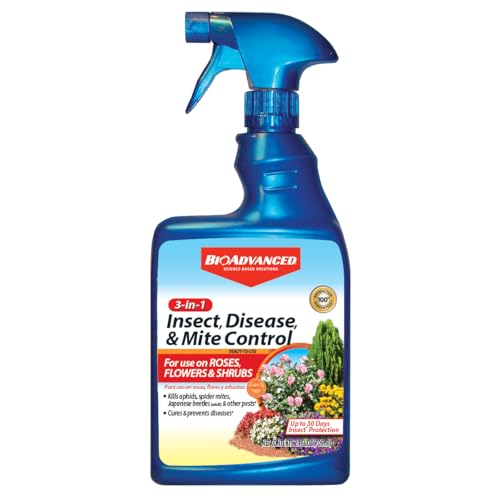
INSECT KILLER: Army worm killer. Also kills insects such as Aphids, Spider Mites, Japanese Beetles, Caterpillars, and other listed insects
Effective Integrated Pest Management Strategies
Managing pests effectively is crucial for the successful cultivation of nectarine trees in Oregon. Integrated pest management strategies can help growers minimize damage while promoting a healthy ecosystem. Understanding these methods will enhance the resilience and productivity of nectarine orchards in the Pacific Northwest.
Integrated Pest Management (IPM) strategies can help control pests effectively. This approach combines cultural, biological, and chemical methods for a balanced solution. Key IPM practices include:
Regular Inspections: Check trees for signs of pests or diseases.
Beneficial Insects: Introduce ladybugs to control aphid populations.
Organic Sprays: Use neem oil or insecticidal soap as needed.
Nectarine Growth Data for Oregon Varieties
Understanding the growth patterns of nectarine trees in Oregon is essential for successful cultivation in the Pacific Northwest. This section delves into specific data on various nectarine varieties, highlighting their performance in Oregon’s unique climate and soil conditions. By examining these insights, growers can make informed decisions to optimize their nectarine production.
| Variety | Chill Hours | Disease Resistance | Harvest Time | Flavor Profile |
|---|---|---|---|---|
| Fantasia | 600-700 | Moderate | Late July | Sweet and Juicy |
| Sunred | 500-600 | High | Early July | Sweet and Tangy |
| Arctic Jay | 700-800 | Very High | Mid August | Sweet and Crisp |
Nectarine Tree Growth Management Strategies
Effective growth management strategies are essential for cultivating healthy nectarine trees in Oregon’s unique climate. By understanding the specific needs of these trees, including soil conditions, watering practices, and pruning techniques, growers can optimize their yields and ensure a successful harvest. This section explores key methods to enhance the growth and productivity of nectarine trees in the Pacific Northwest.
Planning for the logistics of growing nectarines ensures a fruitful harvest. Consider spacing, pruning, and fertilization schedules.
Proper management leads to healthier trees and better yields. Essential logistics include:
Spacing: Plant trees 15-20 feet apart for optimal air circulation.
Pruning: Prune annually to maintain shape and remove dead wood.
Fertilization: Use a balanced fertilizer in early spring.
Frost Date Monitoring for Nectarine Trees
Monitoring frost dates is crucial for the successful cultivation of nectarine trees in Oregon, as late spring frosts can damage blossoms and reduce fruit yield. Understanding local frost patterns allows growers to make informed decisions about planting and protection strategies, ensuring healthier trees and a more fruitful harvest in the Pacific Northwest’s unique climate.
Neglecting to monitor frost dates can lead to significant fruit loss.
Nectarine Cultivation Strategies for Oregon
Nectarine cultivation in Oregon presents unique challenges and opportunities due to the region’s climate and soil conditions. Understanding effective strategies for planting, nurturing, and harvesting nectarines can significantly enhance yield and fruit quality. This section explores practical approaches tailored to the specific needs of nectarines in the Pacific Northwest.
With the right varieties and careful management, growing nectarines in Oregon can be rewarding. Focus on site preparation, pest management, and consistent care to ensure healthy trees and bountiful harvests.
