


Almond oil comes from different types of almonds, but not all are suitable for oil extraction. Understanding the differences between almond varieties and their impact on the resulting oil can be fascinating. Whether it's sweet almonds or bitter almonds, each type has its own unique oil extraction process that affects the final product.
Learning about these nuances might change the way you see this popular oil.
Key Takeaways
- Almond oil can be extracted from different types of almonds, including Nonpareil, Carmel, and California varieties, which have high oil content.
- The process of almond oil extraction involves harvesting ripe almonds, cleaning and dehulling them, crushing or grinding the kernels, and then pressing or subjecting them to solvent extraction.
- The composition, aroma, and benefits of almond oil can vary depending on the specific type of almond used. Sweet almond oil is rich in monounsaturated fats and vitamin E, while bitter almond oil contains amygdalin and has a characteristic almond aroma.
- When choosing almond oil for culinary purposes, it is important to consider the specific type of almond oil, as bitter almond oil is not suitable for consumption due to toxic compounds. Sweet almond oil, on the other hand, has a high smoke point and is suitable for cooking at higher temperatures.
Common Almond Varieties for Oil Extraction
When selecting almond varieties for oil extraction, focus on identifying those with the highest oil content to maximize the yield and quality of the extracted oil. Varieties such as Nonpareil, Carmel, and California feature high oil content, making them ideal choices for oil production.
Almond oil is valued for its diverse uses, ranging from skincare and hair care to culinary applications. It boasts a high nutritional value, containing beneficial nutrients like vitamin E and healthy fats.
Almond oil production techniques involve cold pressing or solvent extraction, ensuring the retention of its nutritional properties. Compared to other nut oils, almond oil stands out for its light texture, making it an excellent moisturizer without clogging pores.
Understanding the different almond varieties and their oil content is crucial for obtaining high-quality almond oil with various applications.
Recommended Products

ORGANIC SWEET ALMOND OIL: USDA Certified Organic, cold-pressed sweet almond oil delivers vitamin E, omega-9, and antioxidants for soft, supple skin. Lightweight, non-greasy texture absorbs quickly without clogging pores.
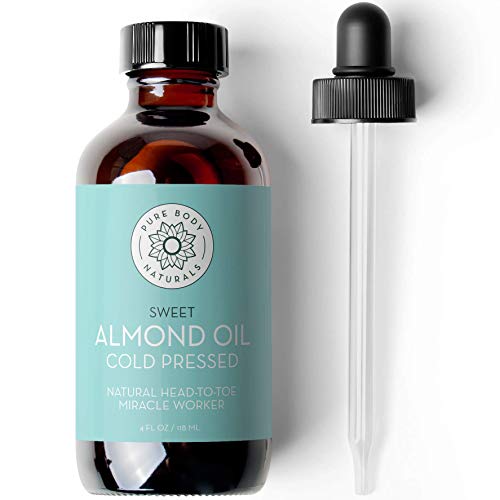
PERFECT SMALL SIZE - contains 4 fluid ounces of sweet almond oil in a glass bottle plus a dropper

100% PURE & NATURAL ORGANIC ALMOND OIL: Is ideal as a nourishing body oil, commonly used for aromatherapy, massage, and as a skin moisturizer. Our Organic Almond oil is hexane-free and 100% vegan.
Process of Almond Oil Extraction
To achieve high-quality almond oil with diverse applications, understanding the process of almond oil extraction is essential, particularly after identifying almond varieties with the highest oil content.
Almond oil production begins with harvesting ripe almonds, then cleaning and dehulling them to obtain the almond kernels. The next step involves crushing or grinding the kernels, followed by pressing or solvent extraction to obtain the oil.
Cold-pressing is a common method that ensures the oil retains its natural properties and is suitable for cosmetic and culinary uses. After extraction, the oil undergoes filtration to remove any remaining solids.
The resulting almond oil is versatile and finds applications in skincare, haircare, aromatherapy, and culinary endeavors due to its nourishing and emollient properties.
Recommended Products

Sweet Almond Oil: 100% Pure and Natural Carrier Oil. Cold Pressed. Not Diluted, Non-GMO, No Additives, No Fragrance, Alcohol Free.
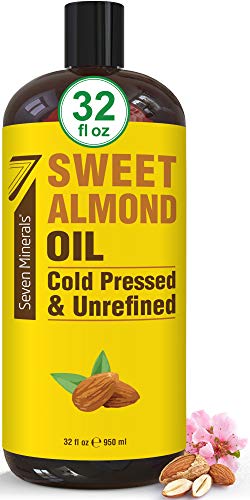
✅ FRESHLY PRESSED here in California - Our Cold Pressed Sweet Almond Oil has only 1 ingredient: Pure Prunus Amygdalus Dulcis (Sweet Almond) Oil. No GMOs, no added ingredients, no Hexane, just natural goodness.

Certified Organic Almond Oil - Cliganic Organic Almond Oil is proudly USDA Organic Certified to ensure ultimate quality and integrity.
Differences in Almond Oil From Various Almond Types
Almond oil derived from different almond types varies in its composition, aroma, and potential benefits for skincare and culinary applications. Nutritional differences exist among almond oils from various almond types. For instance, sweet almond oil is rich in monounsaturated fats, vitamin E, and other nutrients, making it suitable for both skincare and culinary uses.
Meanwhile, bitter almond oil contains amygdalin, which gives it a characteristic almond aroma but makes it unsuitable for culinary purposes due to the presence of toxic compounds. When choosing almond oil for culinary uses, consider the specific type of almond oil that best suits the intended dish.
Understanding the nutritional variations and purposes of different almond oils can help you make informed decisions when incorporating them into your skincare or culinary routines.
Recommended Products

EXPELLER-PRESSED SWEET ALMOND OIL: Almond Oil is rich in Vitamin E and fatty acids that benefit the skin, hair, nails, and face. No parabens, sulfates or fillers, cruelty free, chemical free, hexane free, 100% vegan.

100 PERCENT PURE AND NON-GMO: A natural oil that’s perfect for nourishing and reviving any skin type

Nourishing Hydration: Rich in vitamin E and essential fatty acids, this sweet almond oil deeply moisturizes and softens skin for a smooth, healthy-looking glow.
Benefits of Almond Oil From Different Almond Varieties
Considering the nutritional variations and purposes of different almond oils can guide your selection for skincare and culinary applications. Exploring the benefits of almond oil from different almond varieties will further enhance your understanding.
Almond oil benefits vary depending on the almond variety. For instance, sweet almond oil is excellent for moisturizing and soothing skin, while bitter almond oil is known for its aromatic properties and is often used in aromatherapy. Meanwhile, the oil extracted from wild almonds is rich in antioxidants and can be beneficial for improving overall skin health.
When it comes to culinary uses, sweet almond oil is suitable for cooking at higher temperatures due to its high smoke point, while bitter almond oil can add a unique flavor to dishes.
Understanding these distinctions can help you make informed choices for your specific needs.
Conclusion: Almond Oil and Almond Varieties
Understanding the distinctions between almond varieties and their respective oils empowers you to make informed choices for your specific skincare and culinary needs. When it comes to almond oil production, different almond varieties yield oils with varying characteristics, flavors, and benefits.
The uses of almond oil also depend on the type of almond from which it's extracted. Here are key points to consider:
- Almond oil production methods can impact the oil's quality and properties.
- Sweet almonds are commonly used for producing almond oil due to their mild flavor.
- Bitter almonds contain amygdalin and aren't typically used for oil intended for consumption.
- Almond oil from specific varieties may be more suitable for certain skincare applications.
- Understanding the nuances of almond varieties can help you select the right oil for cooking, baking, or beauty routines.
Conclusion
In summary, almond oil can be extracted from various types of almonds, each offering unique benefits. Whether you prefer the lightness of sweet almond oil or the robustness of bitter almond oil, there's a variety to suit your needs.
The extraction process remains relatively similar across different types, making almond oil a versatile and accessible option. Consider the specific qualities you seek, and explore the diverse world of almond oil to find the perfect fit for your preferences.
