

Have you ever wondered why your nectarine tree isn’t producing as much fruit as it could? Picture this: a lush nectarine tree laden with branches, but the fruits are small and scarce. You might be facing the common issue of overcrowding.
In this article, you’ll discover the simple yet essential technique of thinning nectarine trees. By learning how to properly thin your nectarine tree, you’ll ensure that each fruit receives enough sunlight, nutrients, and space to grow to its full potential. Stay tuned to unlock the secrets of maximizing your nectarine harvest and enjoying juicy, flavorful fruits all season long.
Key Takeaways
- Thinning nectarine trees is essential to enhance fruit size, quality, and prevent branch breakage.
- Consistent harvest and disease prevention are key benefits of thinning your nectarine trees.
- Timing is crucial for thinning nectarine trees, with early spring and dime-sized fruits being optimal.
- Proper spacing and removal of diseased or damaged fruits are vital aspects of effective thinning.
- Using the right tools like pruning shears, loppers, and gloves can make thinning nectarine trees more efficient and successful.
Importance of Thinning Nectarine Trees
Thinning nectarine trees is crucial for ensuring a bountiful harvest of quality fruits. When you thin your nectarine trees, each fruit on the tree gets adequate sunlight, nutrients, and room to grow fully. Here’s why thinning is essential for maximizing the potential of your nectarine trees:
- Enhanced Fruit Size: Thinning helps the remaining fruits on the tree to grow larger. By removing excess fruits, you allow the tree to concentrate its resources on fewer fruits, resulting in bigger and juicier nectarines.
- Improved Fruit Quality: With more space and nutrients available, the remaining fruits develop better flavor and sweetness. Thinning promotes better air circulation within the tree, reducing the risk of diseases and ensuring healthier fruits.
- Reduced Branch Breakage: Overloaded branches are at risk of breaking under the weight of excessive fruit. Thinning helps prevent branch damage, ensuring the structural integrity of the tree for future seasons.
- Consistent Harvest: Thinning nectarine trees promotes even ripening of fruits. This results in a more uniform harvest time, making it easier for you to manage the harvest and enjoy a steady supply of ripe nectarines over an extended period.
- Prevention of Alternaria Brown Spot: Thinning nectarines reduces the likelihood of Alternaria brown spot, a fungal disease that can impact fruit quality. Adequate spacing between fruits minimizes the conditions favorable for disease development.
Thinning your nectarine trees might seem like a simple task, but its benefits are significant. By ensuring that each fruit receives the necessary resources to thrive, you’ll be rewarded with a healthier, more abundant harvest of delicious nectarines. So, don’t overlook the importance of thinning your nectarine trees for optimal fruit production.
Benefits of Thinning Nectarine Trees
Thinning your nectarine trees offers many advantages that directly contribute to a more successful harvest and overall tree health. Here are the key benefits you can enjoy by effectively thinning your nectarine trees:
- Enhanced Fruit Size: By thinning excess fruit early in the season, you allow the remaining fruits more space on the tree to grow to their full potential. This results in larger, juicier nectarines that are more satisfying to enjoy.
- Improved Fruit Quality: Thinning helps distribute the tree’s resources more effectively among the remaining fruits. As a result, the nectarines that remain on the tree are of higher quality, with better color, flavor, and texture, making them more appealing and delicious.
- Reduced Branch Breakage: Overloaded branches are more susceptible to breaking under the weight of excessive fruit. Thinning helps reduce this burden on the branches, preventing breakage and promoting the tree’s structural integrity.
- Consistent Harvest: Thinning nectarine trees ensures that the remaining fruits receive adequate sunlight, nutrients, and airflow. This balanced distribution supports a more consistent ripening process, resulting in a harvest that is more even and predictable.
- Disease Prevention: Dense clusters of fruit can create a humid environment that promotes the spread of diseases such as mold and mildew. Thinning helps improve air circulation around the fruits, reducing the risk of diseases and ensuring the health of your nectarine tree.
Thinning your nectarine trees is a simple yet impactful practice that can significantly improve the quantity and quality of your harvest. By understanding and implementing the benefits of thinning, you set your nectarine trees on the path to producing an abundance of delicious fruits for you to enjoy.
When to Thin Nectarine Trees
Knowing the right time to thin your nectarine trees is crucial for ensuring a successful harvest. Here’s a guide to help you determine the optimal timing for thinning your nectarine trees:
- Early Spring:
- How to Identify: During early spring, when the nectarine tree is in the blossom stage, you can start observing the tree closely. Look for clusters of developing fruits among the blossoms.
- Signs to Watch For: Pay attention to the spacing between the young nectarines. If they are clustered closely together, it’s an indication that thinning is required.
- Action Steps: Begin thinning when the fruits are still small and easily accessible. Removing excess fruit at this stage will allow the remaining ones to grow to a desirable size.
- Fruit Thinning Timeframe:
- Key Period: The ideal time for fruit thinning is typically when the fruits are about the size of a dime. Thinning at this stage ensures that the remaining fruit have enough space and resources to develop properly.
- Benefits of Timely Thinning: By thinning during this crucial growth phase, you promote larger, healthier fruit that will ripen evenly and have better flavor.
- Considerations for Young Trees:
- Newly Planted Nectarine Trees: If you have recently planted nectarine trees, it’s recommended to wait until the second or third growing season before initiating thinning practices.
- Early Vigor: Young trees may exhibit early vigor with increased fruit set. In such cases, it becomes even more critical to thin the fruit adequately to prevent issues related to overcrowding.
- Weather Conditions Impact:
- Moderating Weather Effects: Keep an eye on the weather forecast. During years with abundant rainfall or cooler temperatures, fruit thinning may be less necessary due to naturally lower fruit set.
By understanding the optimal timing for thinning your nectarine trees, you can enhance the quality and abundance of your harvest. Monitoring your trees closely and acting promptly when needed will ensure that your nectarines thrive and provide you with delicious fruits.
How to Thin Nectarine Trees
Thinning nectarine trees is essential to ensure you get the best quality fruits. Proper thinning promotes healthier fruit growth by allowing the remaining fruits to receive sufficient nutrients, sunlight, and airflow. Here’s how you can effectively thin your nectarine trees:
Recommended Products

AMBIDEXTROUS DESIGN: Pruner shape is designed for both right and left-handed use while pruning indoor & outdoor plants such as shrubs, ornamental trees, vines, & flowers like roses; SoftGrip handle reduces hand fatigue & enhances comfort and control

ULTRA SHARP - Much less effort to cut branches with our pruning shears. Crafted from premium SK5 steel with titanium coating, our garden scissors and garden clippers boast exceptional durability and sharpness. A perfect pruning shears for gardening and a must-have garden tool, hedge clippers pruners for gardening

DUAL CUTTING POWER: VERSATILE PRUNING COMBO --- With both Pruning Shears and Pruning Snip, this combo delivers unmatched versatility. Whether you're delicately trimming flowers and shrubs, tackling thicker tree branches, or tending to your vegetable and fruit garden, our combo pack excels in all areas. They're also perfect for landscaping projects and maintaining the health and appearance of indoor plants. With this pack, you have a versatile tool that simplifies your gardening tasks.
Assess Your Trees Regularly
Inspect your nectarine trees regularly, especially during early spring when the fruits start developing. Look for clusters of fruits and evaluate their spacing. Ideally, there should be 4 to 6 inches between each fruit for optimal growth.
Start Thinning at the Right Time
Begin thinning your nectarine trees when the fruits are still small, about dime-sized. This stage is crucial for ensuring that the remaining fruits have ample space to grow to their full potential. Thinning at this early stage also helps in improving fruit quality and flavor.
Use Pruning Shears or Scissors
Carefully select and remove excess fruits by cutting the stems close to the branch using pruning shears or scissors. Avoid pulling the fruits off, as this can damage the tree and affect future fruit production.
Remove Diseased or Damaged Fruits
While thinning, make sure to eliminate any diseased or damaged fruits. Removing these fruits helps prevent the spread of diseases among the remaining fruits and promotes overall tree health.
Follow Proper Spacing Guidelines
Ensure that you maintain the recommended spacing between fruits as you thin them out. Proper spacing allows each fruit to receive adequate sunlight, nutrients, and airflow, leading to uniform fruit development and better harvest results.
Consider Young Trees Carefully
When thinning young nectarine trees, be gentle to avoid stressing the tree. Young trees are more delicate, so take extra care not to damage the branches or buds while thinning out the fruits.
Weather Considerations
Take into account the weather conditions when thinning your nectarine trees. Avoid thinning during extremely hot or windy days, as this can stress the tree further. Opt for mild, calm days for the best thinning results.
Thinning your nectarine trees correctly is a simple yet crucial task that can significantly impact the quality and quantity of your fruit harvest. By following these steps, you can ensure your nectarine trees produce healthy, delicious fruits for you to enjoy.
Tools for Thinning Nectarine Trees
When it comes to thinning nectarine trees for optimal fruit growth, having the right tools at hand can make the process more manageable and effective. Here are the essential tools you’ll need:
Recommended Products

【Cordless Mobility】: Powered by a rechargeable battery, this electric fruit tree pruning tool eliminates cords and outlets, allowing you to move freely across orchards, gardens, and farms. It supports continuous work on fruit trees and ornamental plants with reliable operation

【Problem Solving】Do not let the young branches rise or droop too much. Using our fruit branch puller to let the young branches develop horizontally may bring unexpected results.
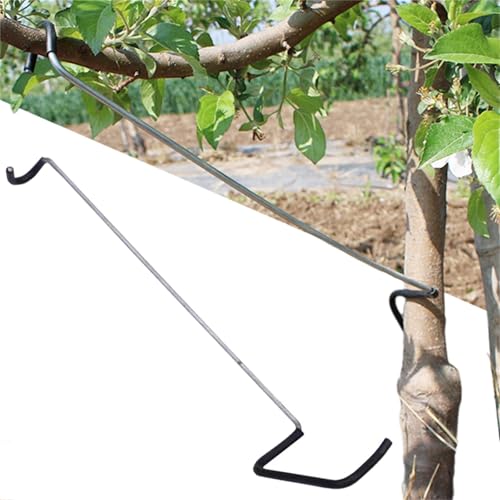
【Not Easy to Damage the Bark】The black part of the branch spreader consists of galvanized iron wire wrapped with the inside of a hose to ensure that the bark does not fray easily. The branch spreader can be reused after removal.
Pruning Shears
Pruning shears are a must-have tool for thinning nectarine trees. They allow you to make precise cuts when removing excess fruit, ensuring minimal damage to the tree.
Loppers
Loppers come in handy for thicker branches that pruning shears may struggle to cut through. They provide the extra leverage needed to trim branches without straining your hands.
Gloves
Invest in a good pair of gardening gloves to protect your hands from thorns, rough branches, and sap while thinning nectarine trees. Comfortable gloves will make the task more enjoyable.
Bucket or Basket
Having a bucket or basket with you while thinning nectarine trees makes it convenient to collect the removed fruit. This helps keep your work area tidy and allows for easy disposal or composting.
Disinfectant
To prevent the spread of diseases between trees, keep a disinfectant spray or solution on hand. Make sure to clean your tools between cuts, especially when moving between different trees.
Sun Protection
Since thinning nectarine trees might require spending time under the sun, remember to wear a hat, apply sunscreen, and stay hydrated to protect yourself from sunburn and dehydration.
Equipped with these essential tools, you’re ready to tackle the task of thinning your nectarine trees effectively and promote healthy fruit growth.
Conclusion
Thinning your nectarine trees is a key step in ensuring bountiful harvests and healthy fruit development. By following the proper thinning practices outlined in this article, you can enhance the quality and size of your nectarines while reducing the risk of disease and branch damage. Remember to regularly assess your trees, start thinning when fruits are dime-sized, use the right tools, and maintain proper spacing. Additionally, having essential tools like pruning shears, loppers, gloves, and disinfectant handy will make the thinning process more efficient. With these tips and tools at your disposal, you’ll be on your way to enjoying delicious nectarines from your well-tended trees. Happy gardening!
Frequently Asked Questions
Why is thinning nectarine trees important?
Thinning nectarine trees is crucial to enhance fruit size, quality, and disease prevention. It ensures consistent harvests and reduces branch breakage.
When should I start thinning nectarine trees?
Start thinning nectarine trees when the fruits are dime-sized to achieve the best results.
What tools do I need for thinning nectarine trees?
Key tools include pruning shears, loppers, gloves, a bucket or basket for collecting fruit, disinfectant for tool cleaning, and sun protection.
How do I effectively thin nectarine trees?
Assess trees regularly, remove diseased or damaged fruits, maintain proper spacing, handle young trees carefully, and consider weather conditions for effective thinning.
