
Close Menu
    Fruit Tree Hub
    • Home
    • Apple Trees
    • Lemon Trees
    • Mango Trees
    • Orange Trees
    • More Trees
      • Best Fruit Trees
      • Apricot Trees
      • Cherry Trees
      • Fig Trees
      • Lime Trees
      • Mulberry Trees
      • Peach Trees
      • Pear Trees
      • Plum Trees
      • Pomegranate Trees
    • Tips and Advice
      • Tools
    • About Us
      • Contact
      • Privacy Policy
    Fruit Tree Hub
    Home»Tools»How to Test and Adjust Pole Pruner String Tension: A Comprehensive Guide
    Tools

    How to Test and Adjust Pole Pruner String Tension: A Comprehensive Guide

    Lucy SmithBy Lucy SmithApril 11, 20245 Mins Read
    Share Facebook Twitter Pinterest WhatsApp Email
    Share
    Facebook Twitter LinkedIn Pinterest Telegram Email

    Ever found yourself struggling to string your pole pruner properly? It can be a real head-scratcher, right? You’re not alone in this common dilemma. But fret not, as we’ve got your back! In this article, we’ll walk you through the simple steps to string your pole pruner like a pro.

    Contents show
    1 Prepare Your Equipment
    2 Identify the Correct String Type
    3 Detach the Cutting Head
    4 Thread the String through the Cutting Head
    5 Reattach the Cutting Head
    6 Important Steps to Reattach the Cutting Head
    7 Test the String Tension
    8 Conclusion
    9 Frequently Asked Questions
    9.1 Why is testing the string tension important after reattaching the cutting head to the pole pruner?
    9.2 How can I test the string tension after reattaching the cutting head?
    9.3 What should I do if the string tension is not at the desired level?

    Imagine effortlessly gliding through your pruning tasks without the hassle of tangled strings or snags. With our easy-to-follow guide, you’ll soon be saving time and energy on your outdoor projects. Say goodbye to frustration and hello to a smoother pruning experience.

    Prepare Your Equipment

    When stringing a pole pruner, it’s crucial to prepare your equipment properly. Here are essential steps to ensure you have everything you need:

    • Check that you have the correct replacement string for your pole pruner model.
    • Inspect the pruner head for any damage or wear that may affect the stringing process.
    • Gather pliers or wire cutters to help with trimming the string.
    • Ensure you have a clean, well-lit workspace to work comfortably.

    Remember, having the right tools and workspace can make the stringing process smoother and more efficient.

    MUST READ
    How to Safely Attach and Test a Saw Blade on a Tree Pruner

    Recommended Products

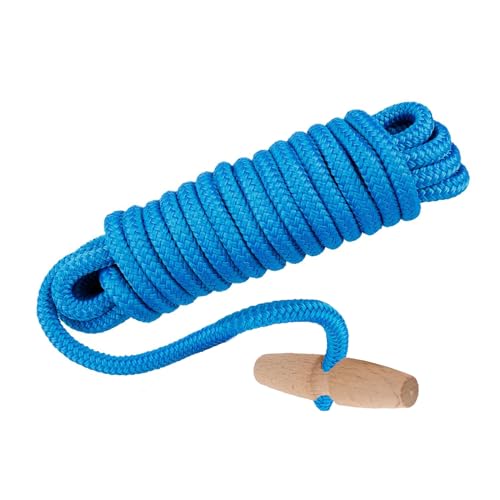
    PR-20 Tree Pruner Rope Replacement Kit (20ft) Compatible with Jameson Fiscar Big Mouth Manual Pole Saw & Tree Pruner - Wooden Handle, Diameter Rope - Tree Trimmers Long Handle Pruner
    PR-20 Tree Pruner Rope Replacement Kit (20ft) Compatible with Jameson Fiscar Big Mouth Manual Pole Saw & Tree Pruner - Wooden Handle, Diameter Rope - Tree Trimmers Long Handle Pruner

    High-quality PR-20 Tree Pruner rope: Measuring 20 feet long, this product is a sturdy tree pruner rope that is compatible with Jameson Fiskars pruners.
    VIEW LATEST PRICE

    As an affiliate, we earn on qualifying purchases.

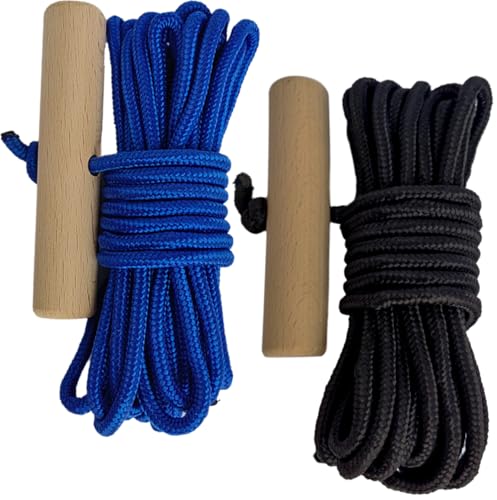
    PR-20 Tree Pruner Rope Replacement, for Jameson Fiscar Big Mouth Manual Pole Saw & Tree Pruner,20 feet Long with a 5/16 inch Diameter(with Wooden Handle)
    PR-20 Tree Pruner Rope Replacement, for Jameson Fiscar Big Mouth Manual Pole Saw & Tree Pruner,20 feet Long with a 5/16 inch Diameter(with Wooden Handle)

    PR-20 Tree Pruner Rope Replacement, for Jameson Fiscar Big Mouth Manual Pole Saw & Tree Pruner,20 feet long with a 5/16 inch diameter(with Wooden Handle)
    VIEW LATEST PRICE

    As an affiliate, we earn on qualifying purchases.

    PR-20 Tree Pruner Rope Replacement Kit,Compatible with Jameson Fiscar Big Mouth Manual Pole Saw & Pruner,20 Feet Long Wooden Handle Replacement, for Pruner (with Handle)
    PR-20 Tree Pruner Rope Replacement Kit,Compatible with Jameson Fiscar Big Mouth Manual Pole Saw & Pruner,20 Feet Long Wooden Handle Replacement, for Pruner (with Handle)

    【Easy installation】Made with a flexible and tough material,this easily thread the rope end over pulleys and tie securely to the eyebolt on the Adapter. Route the rope over the upper pulley, under the lower pulley on the adapter and secure the end to the upper pulley, making it ideal for use with pole pruning saws.

    VIEW LATEST PRICE

    As an affiliate, we earn on qualifying purchases.

    Identify the Correct String Type

    To begin, it’s crucial to Identify the Correct String Type for your pole pruner to ensure smooth operations. Here’s how you can do it effectively:

    • Consult the manual: It’s recommended to refer to the pruner’s manual for specific guidance on the type of string required. The manual typically provides the exact specifications, taking the guesswork out of the equation.
    • Measure the existing string: If you don’t have the manual on hand, you can measure the existing string’s length and diameter to find a suitable replacement. You want to match these dimensions as closely as possible.
    • Consider the string material: Pole pruner strings are commonly made of materials like nylon or other durable fibers. Opt for a high-quality material that can withstand tough pruning tasks.
    • Invest in pre-cut strings: For convenience, you may choose pre-cut strings that are tailored to fit your specific pruner model. This saves time and ensures precision in stringing your pruner.
    MUST READ
    How to Safely and Effectively Use Your Ryobi Pole Pruner: A Comprehensive Guide

    Remember, using the right string type is essential for the optimal performance of your pole pruner. A small oversight in the string selection process can lead to inefficiencies and potential damage to your equipment.

    Recommended Products

    RNA 3/8" Nylon Braided Pruner Cord | 16 Ft Durable Tree Pruning Rope & Pole Saw Replacement Pull String | Lightweight Starter Cord for Lawn Mowers, Generators, Snowblowers & More
    RNA 3/8" Nylon Braided Pruner Cord | 16 Ft Durable Tree Pruning Rope & Pole Saw Replacement Pull String | Lightweight Starter Cord for Lawn Mowers, Generators, Snowblowers & More

    Ultra-Strong & Durable: This premium 3/8" nylon braided pruner cord is engineered to withstand heavy-duty use, resisting abrasion, rot, and UV damage. Its superior strength and durability make it the ideal replacement cord for pole saws, tree pruners, and other high-demand applications.

    VIEW LATEST PRICE

    As an affiliate, we earn on qualifying purchases.

    2 pack, Compatible with Corona Clipper Compound Tree Pruner Spring 6801-5, Replacement Spring Fits 16ft Pole Saw Models TP6780, TP6830, TP6850, TP6870, TP5850, AC90000 – Pruning Tool Replacement Part
    2 pack, Compatible with Corona Clipper Compound Tree Pruner Spring 6801-5, Replacement Spring Fits 16ft Pole Saw Models TP6780, TP6830, TP6850, TP6870, TP5850, AC90000 – Pruning Tool Replacement Part

    This pruner replacement spring is designed to restore proper tension for compound pruning tools, offering smooth cutting movement for pole saw mechanisms.

    VIEW LATEST PRICE

    As an affiliate, we earn on qualifying purchases.

    15 Inch Pole Saw Blade & 20 Ft Tree Pruner Rope for Fiskars Extendable Pole Pruner, Manual Tree Trimming Replacement Kit for Fiskars, Including Branch Cutter Blade & Long Rope with Handle (PR-20)
    15 Inch Pole Saw Blade & 20 Ft Tree Pruner Rope for Fiskars Extendable Pole Pruner, Manual Tree Trimming Replacement Kit for Fiskars, Including Branch Cutter Blade & Long Rope with Handle (PR-20)

    [Tree Pruner Replacement Blade & Rope] Pole pruner parts for fiskars includes a 15 inch pole saw blade and a 20 FT tree pruner rope (PR-20), making it perfect replacement part for fiskars extendable tree pruner pole saw to efficiently complete pruning tasks.

    MUST READ
    Choosing the Right Air Pruner for Underground Gardening Projects: Key Considerations
    VIEW LATEST PRICE

    As an affiliate, we earn on qualifying purchases.

    Detach the Cutting Head

    To string your pole pruner, the first step is to detach the cutting head. Here’s how you can do it:

    • Locate the Screws: Look for the screws or bolts holding the cutting head in place.
    • Use the Right Tool: Ensure you have the correct tool, such as a screwdriver or wrench, to remove the screws.
    • Carefully Remove the Head: Gently detach the cutting head from the pole to access the old string.

    Once you’ve successfully detached the cutting head, you’re ready to move on to the next step in restringing your pole pruner.

    Thread the String through the Cutting Head

    When threading the string through the cutting head of your pole pruner, ensure you follow these steps carefully:

    • Feed: Insert one end of the string through the designated hole in the cutting head.
    • Pull: Make sure to pull the string all the way through until you have equal lengths on both sides.
    • Tie: Secure the string by tying a tight knot at the end. Trim any excess string for a tidy finish.

    For an effective string replacement, remember to keep the string taut and securely fastened to prevent any issues during operation.

    Reattach the Cutting Head

    Once you have successfully threaded the string through the cutting head, the next step is to Reattach the Cutting Head to your pole pruner. Here’s how you can do it:

    • Align the Cutting Head: Make sure the cutting head is properly aligned with the pole pruner.
    • Secure the Cutting Head: Tighten the screws or fasteners to securely attach the cutting head to the pole pruner.
    • Check for Stability: Give the cutting head a gentle tug to ensure it is firmly in place before using your pole pruner.
    MUST READ
    Extend Fiskars Tree Pruner Stick Safely: Expert Tips Inside

    Remember, proper reattachment of the cutting head ensures smooth operation and efficient performance of your pole pruner.

    Important Steps to Reattach the Cutting Head

    Key PointsDetails
    Align Cutting HeadEnsure the cutting head is aligned correctly with the pole pruner.
    Secure FastenersTighten the screws or fasteners to keep the cutting head in place.
    Check StabilityTest the stability by giving the cutting head a gentle tug.

    Test the String Tension

    To ensure optimal performance of your pole pruner, it’s crucial to Test the String Tension after reattaching the cutting head. Here’s how:

    • Hold the pole pruner securely with one hand while gently pulling the string with the other.
    • You should feel a slight resistance as you pull the string.
    • If the string feels too loose or too tight, you may need to adjust the tension by following the manufacturer’s guidelines.
    • Proper string tension is essential for smooth and efficient cutting with your pole pruner.

    Remember, testing the string tension ensures that your tool is ready to tackle trimming tasks effectively.

    Conclusion

    Ensuring the correct string tension on your pole pruner is key to its performance. By following the simple steps outlined in this article, you can maintain optimal tension for smooth and efficient cutting. Remember, a well-strung pole pruner is your best ally for all your trimming tasks. Happy pruning!

    Frequently Asked Questions

    Why is testing the string tension important after reattaching the cutting head to the pole pruner?

    Proper string tension ensures smooth and efficient cutting with the pole pruner, enhancing performance and safety.

    MUST READ
    How to Assemble a Telescopic Tree Pruner: Step-by-Step Guide

    How can I test the string tension after reattaching the cutting head?

    Gently pull the string to ensure it offers slight resistance, indicating optimal tension for effective trimming tasks.

    What should I do if the string tension is not at the desired level?

    Adjust the tension following the manufacturer’s guidelines to ensure the pole pruner is ready for use.

    Share. Facebook Twitter Pinterest LinkedIn Tumblr Email
    lucy smith
    Lucy Smith
    • Website

    Lucy Smith is a highly experienced horticulturist with a passion for fruit tree cultivation. She holds a degree in Horticulture from the University of California, Davis, and has worked in various roles in the industry. With over 10 years of experience, Lucy is dedicated to using eco-friendly methods for sustainable gardening practices.

    Related Posts

    5 Best Cordless Pruners of 2024 – Effortless Gardening Tools Reviewed

    September 26, 2024

    The 5 Best Loppers of 2024: Pruning Made Easy and Efficient

    September 26, 2024

    The 5 Best Pruning Saws of 2024 – Cut Through Your Gardening Tasks With Ease

    September 26, 2024

    The 5 Best Pruning Shears of 2024 – Your Essential Gardening Tools

    September 26, 2024

    5 Best Heavy Duty Pruning Shears for Effortless Gardening in 2024

    September 26, 2024

    The 4 Best Pruning Blades for Reciprocating Saws: Ultimate Guide for Gardeners

    September 26, 2024
    Leave A Reply Cancel Reply

    Affiliate Disclosure

    As an Amazon Associate I earn from qualifying purchases.

    Recommended Reading

    When Do Persimmon Trees Drop Their Fruit: Timing and Tips for an Abundant Harvest

    What Season Do Fig Trees Produce Fruit and How to Maximize Your Harvest

    Jujube Trees in Alabama: Expert Tips for Southern Success

    Do Banana Trees Die After Bearing Fruit: Understanding Their Lifecycle and Growth Secrets

    Can Grapefruit Trees Grow in Laredo, TX? South Texas Tips

    When Do Apricot Trees Fruit: A Complete Guide to Harvesting Sweet Apricots

    What Fruit Trees Grow in Delaware: Best Varieties and Growing Tips for Your Garden

    How to Get Avocado Trees to Bear Fruit: Essential Tips for a Bountiful Harvest

    Why Does My Apple Tree Not Produce Fruit: Top Reasons and Solutions for a Bountiful Harvest

    What Type of Soil Do Grapes Need: A Guide to Optimal Vineyard Soil Conditions

    Fruit Tree Hub

    Fruit Tree Hub is a website dedicated to providing you everything you need to grow fruit trees successfully at in your own yard.

    Contact us at: [email protected]

    - AFFILIATE DISCLOSURE: As an Amazon Associate I earn from qualifying purchases.

    Latest Posts

    Persimmon Trees in Los Angeles, CA (Mediterranean Growth Secrets)

    Growing Tangerine Trees in Indiana: Successful Soil Prep Tips

    Best Plum Trees for San Diego, CA: Coastal Growing Tips

    Mulberry Trees in a Pot in Rhode Island (Small Space Success)

    Star Fruit Trees in a Pot in Nevada (Desert Irrigation Secrets)

    Pear Trees in a Pot in San Jose, CA (Silicon Valley Harvest)

    Tamarind Trees in a Pot in New Jersey (Garden State Potting Guide)

    Peach Trees in Oregon (Pacific Northwest Planting Success)

    Categories
    • Almond Trees
    • Apple Trees
    • Apricot Trees
    • Best Fruit Trees
    • Blackberry
    • Cantaloupe
    • Cherry Trees
    • Crochet Ideas
    • Crochet Ideas for Beginners
    • Cucamelon
    • Easy Crochet Ideas
    • Easy Knitting Projects
    • Fig Trees
    • Grapefruit Trees
    • Grapes
    • Guava Trees
    • Honeydew
    • Jujube Trees
    • Kiwi
    • Knitting For Beginners
    • Knitting Ideas
    • Knitting Inspiration
    • Lemon Trees
    • Lime Trees
    • Loquat Trees
    • Mango Trees
    • Mulberry Trees
    • Nectarine Trees
    • Olive Trees
    • Orange Trees
    • Papaya Trees
    • Peach Trees
    • Pear Trees
    • Persimmon Trees
    • Planting
    • Plum Trees
    • Pomegranate Trees
    • Quince Trees
    • Raspberry
    • Reviews
    • Small Crochet Ideas
    • Star Fruit Trees
    • Summer Crochet Ideas
    • Tamarind Trees
    • Tangerine Trees
    • Tips and Advice
    • Tools
    • Uncategorized
    • Walnut Trees
    © 2026 Fruit Tree Hub
    • Home
    • About Us
    • Contact
    • Privacy Policy
    • Terms and Conditions
    • Disclaimer
    • Editorial Policy
    • Affiliate Disclosure

    Type above and press Enter to search. Press Esc to cancel.